Subscribe to our social channels to get the latest news about Hungary!


Significant changes to Hungary’s Road Traffic Regulations (KRESZ) are expected to take effect starting in 2026, impacting all road users. The government is working alongside civil organisations and traffic experts to modernise the rules based on current transportation habits, emerging vehicle types, and evolving safety needs. While the final text isn’t official yet, several details have already been leaked.
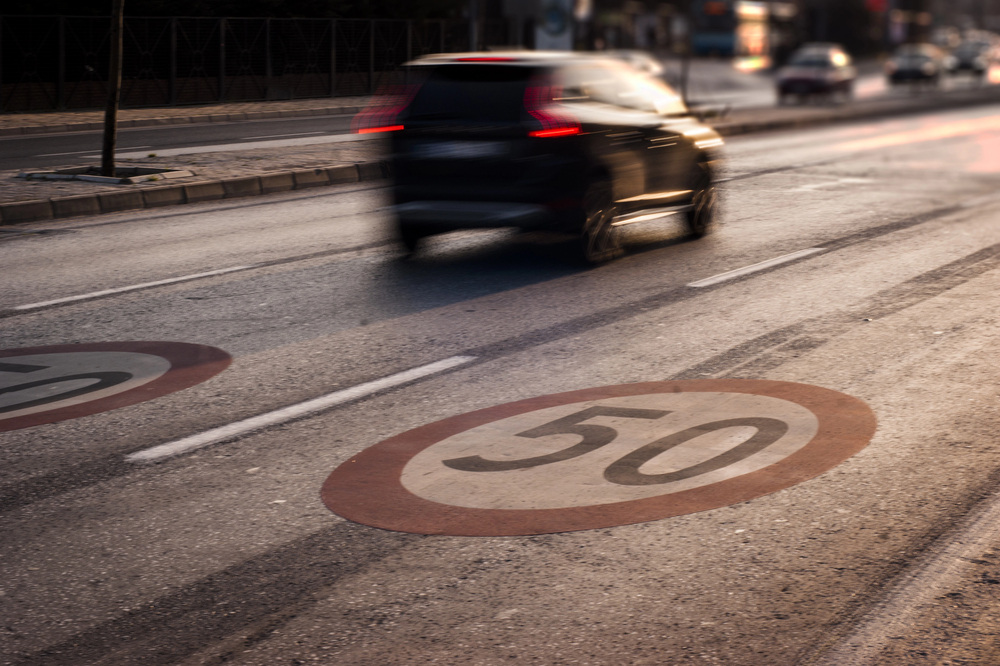
Perhaps the most noticeable updates will be the revised speed limits. According to Blikk, certain highway sections, at the discretion of road authorities, could allow speeds up to 140 km/h (87 mph). Larger vehicles like buses, trucks, and trailers will see a unified limit of 90 km/h (56 mph) outside urban areas, while agricultural tractors no wider than 2.5 meters will be permitted to drive at speeds of up to 60 km/h (37 mph).
A key change will prohibit new license holders from driving high-performance vehicles exceeding 300 kilowatts (about 400 horsepower). This ban is expected to apply to powerful SUVs, some of which top 500 horsepower. The aim is to reduce accidents involving inexperienced drivers, who will only be allowed to operate such vehicles after two years of driving experience. Older drivers with diminished abilities may be required to place a special sticker on their cars to alert others on the road to exercise extra caution around them.

Signal usage rules will also be refined: starting in 2026, drivers will be required to use their turn signals at least two seconds prior to beginning any manoeuvre. While this may be impractical in small roundabouts, notes vezess.hu, the change is designed to enhance road safety. Another long-standing informal practice will become official: drivers can use hazard lights to alert others of sudden dangers.
The updated KRESZ will also define a mandatory minimum following distance. On highways, drivers must keep at least a two-second gap, about 72.2 meters (237 feet) at 130 km/h (81 mph). Outside towns and cities, the requirement drops to one second. To improve traffic flow, the “zipper rule” will also be officially codified, requiring vehicles to merge alternately during lane reductions or at intersections.
A new concept in the updated traffic code is the “protective lane,” located at the far-right edge of the driving lane and designed to safeguard pedestrians and cyclists. Cyclists will have to follow lane-changing rules when entering or exiting this lane. Additionally, the term “emergency lane” will be replaced, as experts deem the current name (leállósáv, literally stopping lane) misleading and potentially dangerous.
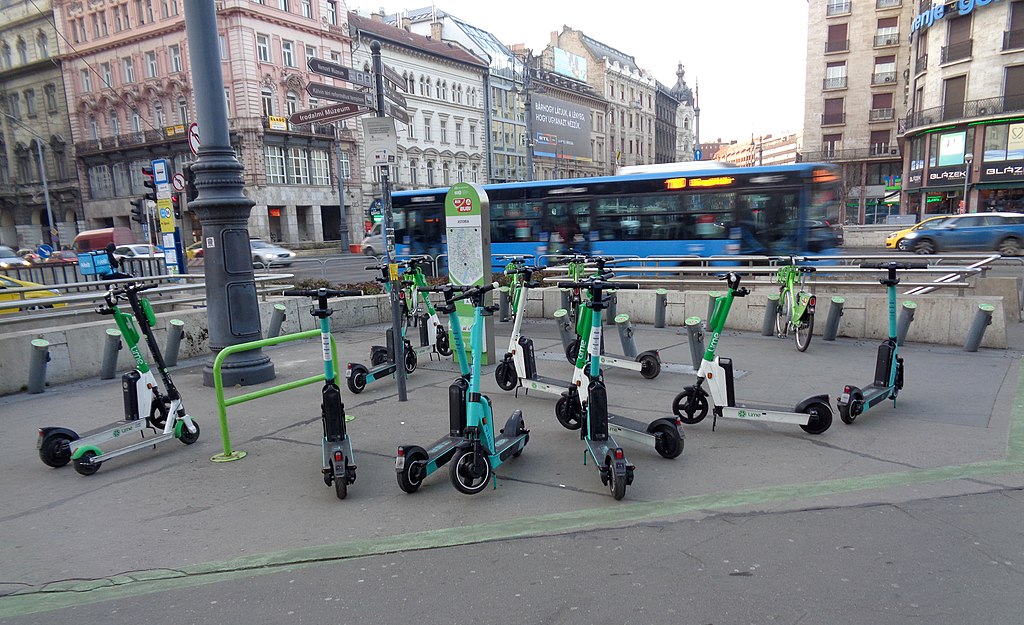
Electric scooters are also included in the rule changes. Scooters with a top speed of 25 km/h (15.5 mph) can be operated from age 12, but helmet use is mandatory for the first two years. On sidewalks, these scooters must not exceed 10 km/h (6.2 mph); elsewhere, the limit is 20 km/h (12.4 mph). More powerful scooters capable of up to 45 km/h (28 mph) require riders to be at least 14 years old and to have liability insurance. Passengers will not be allowed on either type.
A new safety measure affecting pedestrians prohibits cellphone use at crossings, whether they are road or railway crossings. The rule aims to reduce accidents caused by distracted walking.
Read also:
To read or share this article in Hungarian, click here: Helló Magyar


