Subscribe to our social channels to get the latest news about Hungary!


During the reign of the Árpád dynasty, it was not unusual for fathers and sons, brothers, or uncles and nephews to fight bitterly over royal power. Yet one notable exception was Prince Kálmán, the second son of King Andrew II, who led a far more exemplary life. He fought side by side with his brother as a crowned ruler at the Battle of Muhi, only to die shortly after the devastating defeat.
King Andrew II’s reign is today often regarded as controversial. He is chiefly remembered for his generous land grants, which weakened royal authority and prompted the issue of the Golden Bull. Yet recent scholarship casts Andrew in a more nuanced light, noting that he was among the few Christian monarchs of his age capable of leading a crusade to the Holy Land. Although his campaign achieved little militarily, he returned having secured advantageous marriages and retained enough authority to prevent the kingdom from collapse during his absence. His reign also witnessed the expansion of the Kingdom of Hungary, particularly in the northeast.
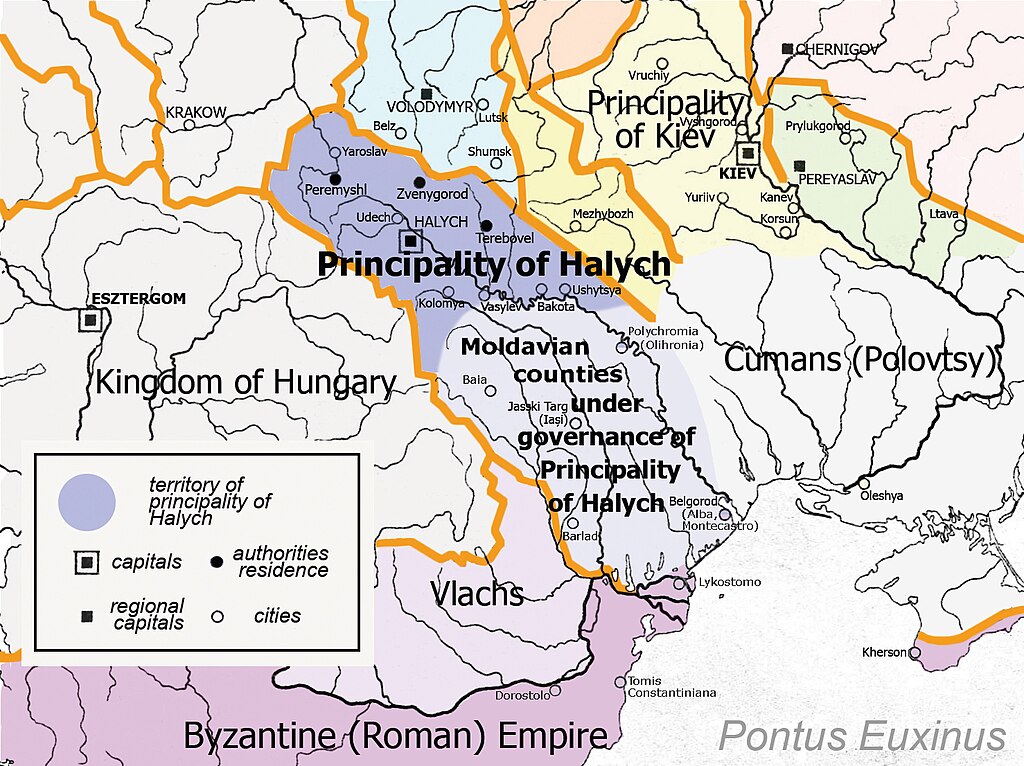
As a result of these efforts, Andrew’s second son, Kálmán, was elevated to the princely throne of Halych (roughly present-day Galicia in Poland and Ukraine) at the age of just six. The coronation, arranged with papal support, formed part of a wider attempt to spread Western Christianity eastwards. Beforehand, Andrew had struck an alliance with Leszek the White, ruler of Lesser Poland, marrying his younger daughter, Salomea, to the young Kálmán, thereby strengthening their joint claim over the newly won territory.
Yet Hungarian troops found it difficult to hold even Halych Castle against rival Russian claimants backed by the Cumans. By 1221, at just thirteen, Kálmán and his young wife were driven from Halych and briefly taken prisoner. Though he proudly bore his royal title until his death, he never returned to rule there.
The Árpád dynasty was often marked by younger sons and nephews eager to seize power from their kin. King Andrew II himself had once rebelled against his elder brother, King Imre, and later faced opposition from his own son, Béla IV. By the early 1220s, tensions between Andrew and Béla had become evident. After Kálmán’s expulsion from Halych, Andrew appointed him Duke of Slavonia and dispatched Béla to rule Transylvania as voivode.
But Kálmán was not the kind to conspire against his brother. On the contrary, he actively supported and implemented Béla’s policies. Their close relationship is evident in several of Béla’s surviving charters, which record that he consulted and collaborated with Kálmán.
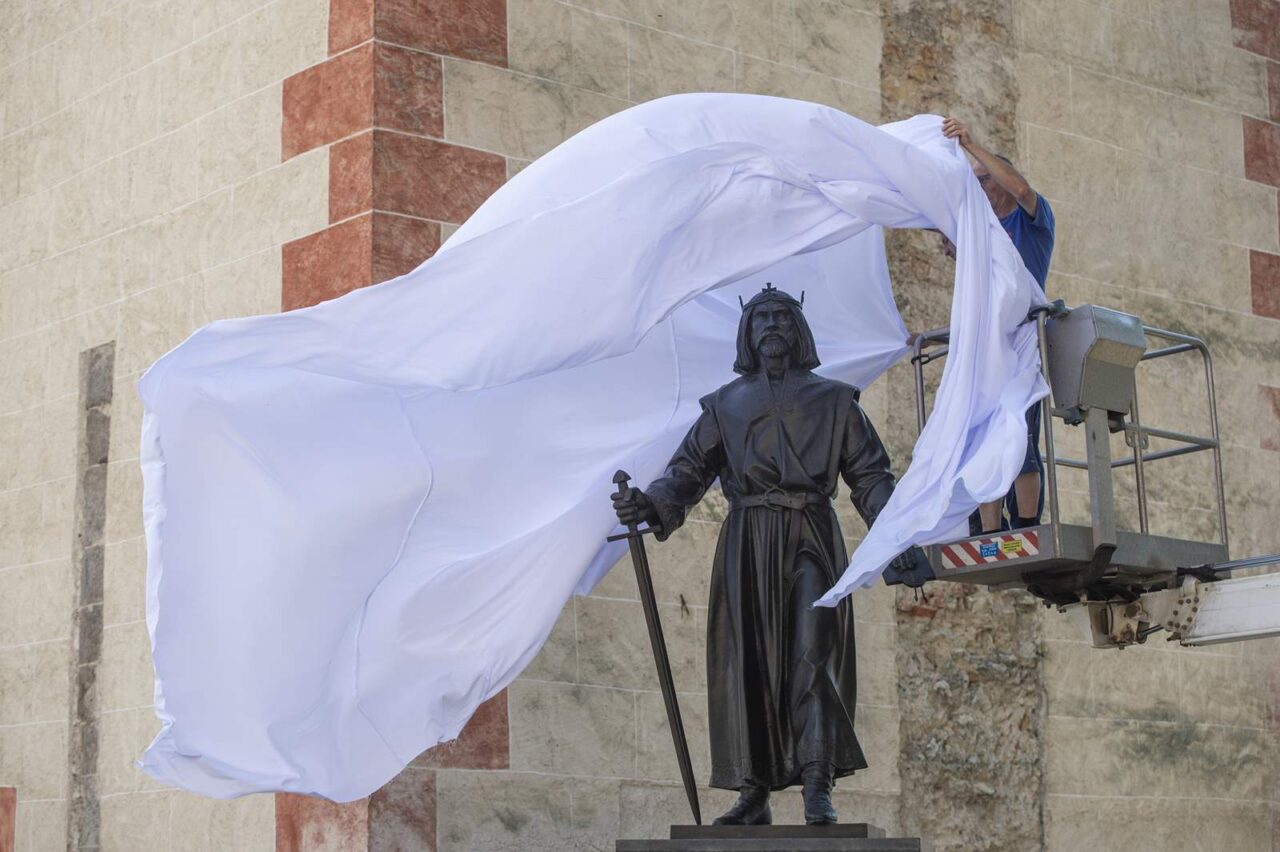
Kálmán remained a steadfast ally to Béla. A capable military commander, he probably led several crusading expeditions into Bosnia, thereby extending Árpád influence. He also played a hands-on role in the governance of his province.
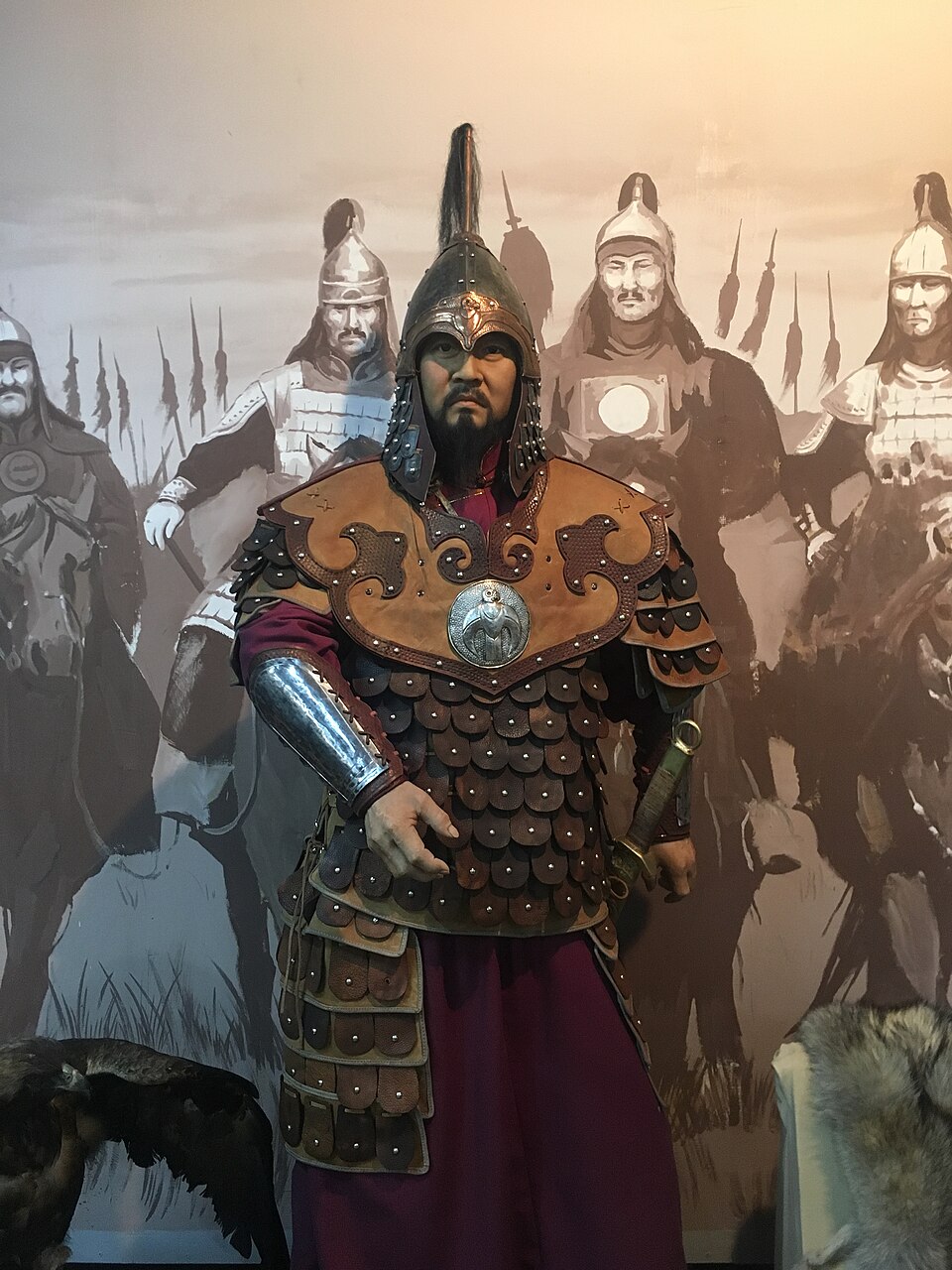
When Batu Khan invaded Hungary in 1241 with a colossal army, Kálmán quickly joined Béla with his own forces. At the Battle of Muhi, he played a decisive role in halting the Mongols from crossing a strategically vital bridge over the Sajó River on the eve of battle. Victory briefly seemed within reach—Batu even considered retreat—before he heeded the counsel of his seasoned general, Subutai. The result was catastrophic.
In the aftermath, Kálmán sustained severe wounds but managed to escape to Zagreb, where he was reunited with his brother, who had just slipped free from Austrian captivity. Yet his injuries proved fatal: not long after, in his capital, Kálmán succumbed to his wounds.
Kálmán and Salomea had no children. After his death, she withdrew to a convent in Poland, where she lived out the remainder of her life as a nun. Although Kálmán never reigned independently, his life was well documented by Polish, Russian, and Latin chroniclers. He was widely known in his own time, and his passing did not go unnoticed. Today, historians from Hungary, Poland, Ukraine, and Croatia continue to study his legacy.
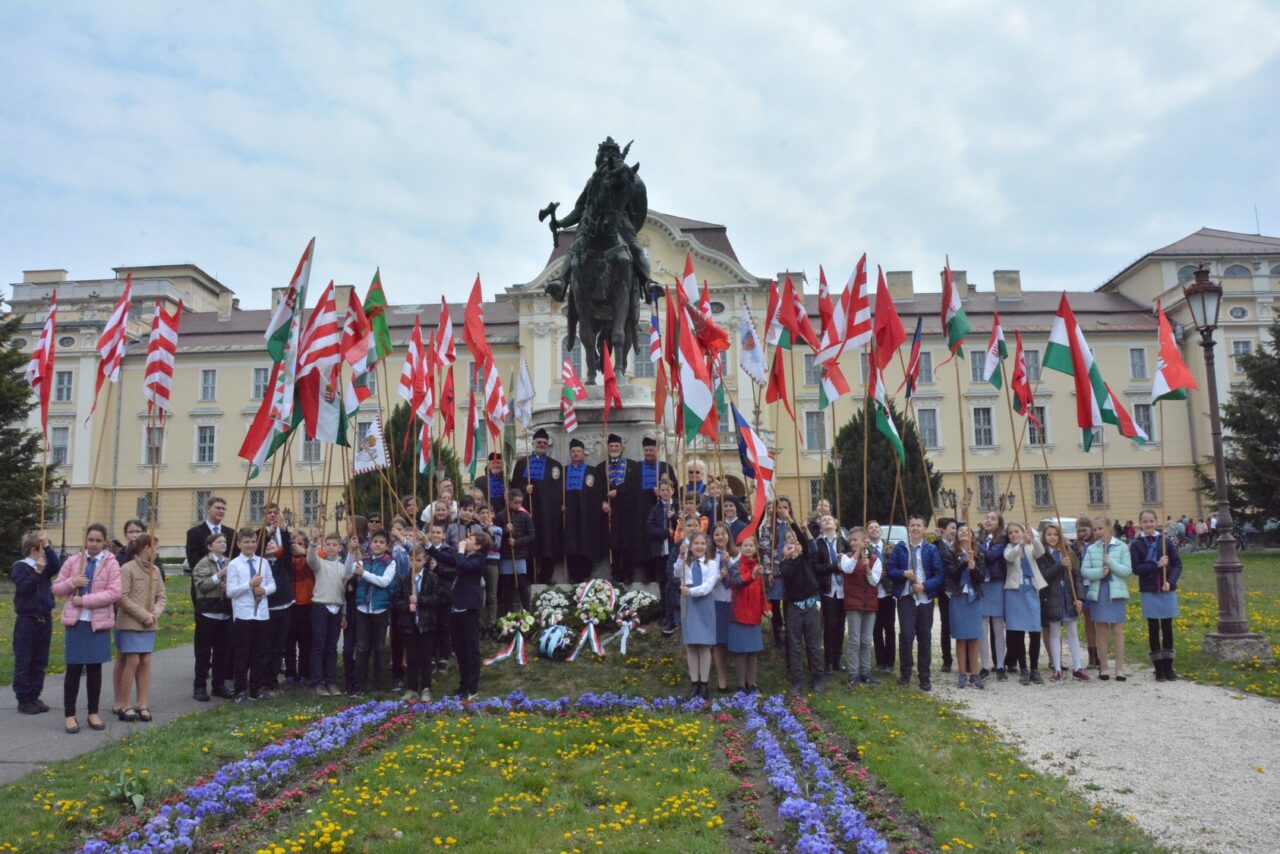
Some Croatian historians even argue that Kálmán, the former ruler of Slavonia (roughly modern Croatia without Dalmatia), should be remembered as one of Croatia’s great “kings.” In Hungary, however, he is commemorated only with a single equestrian statue in Gödöllő, erected by the Premonstratensians who resettled in Hungary after the Treaty of Trianon, in honour of their once-generous patron.
Prince Kálmán’s life is also the subject of a 2017 monograph by historians Márta Font and Gábor Barabás, available here. The two scholars discuss his story further in a Griffsider – Digitális Legendárium podcast episode dedicated to Kálmán
Read also:
Click for more news concerning Hungary’s remarkable history.
To read or share this article in Hungarian, click here: Helló Magyar


