Subscribe to our social channels to get the latest news about Hungary!


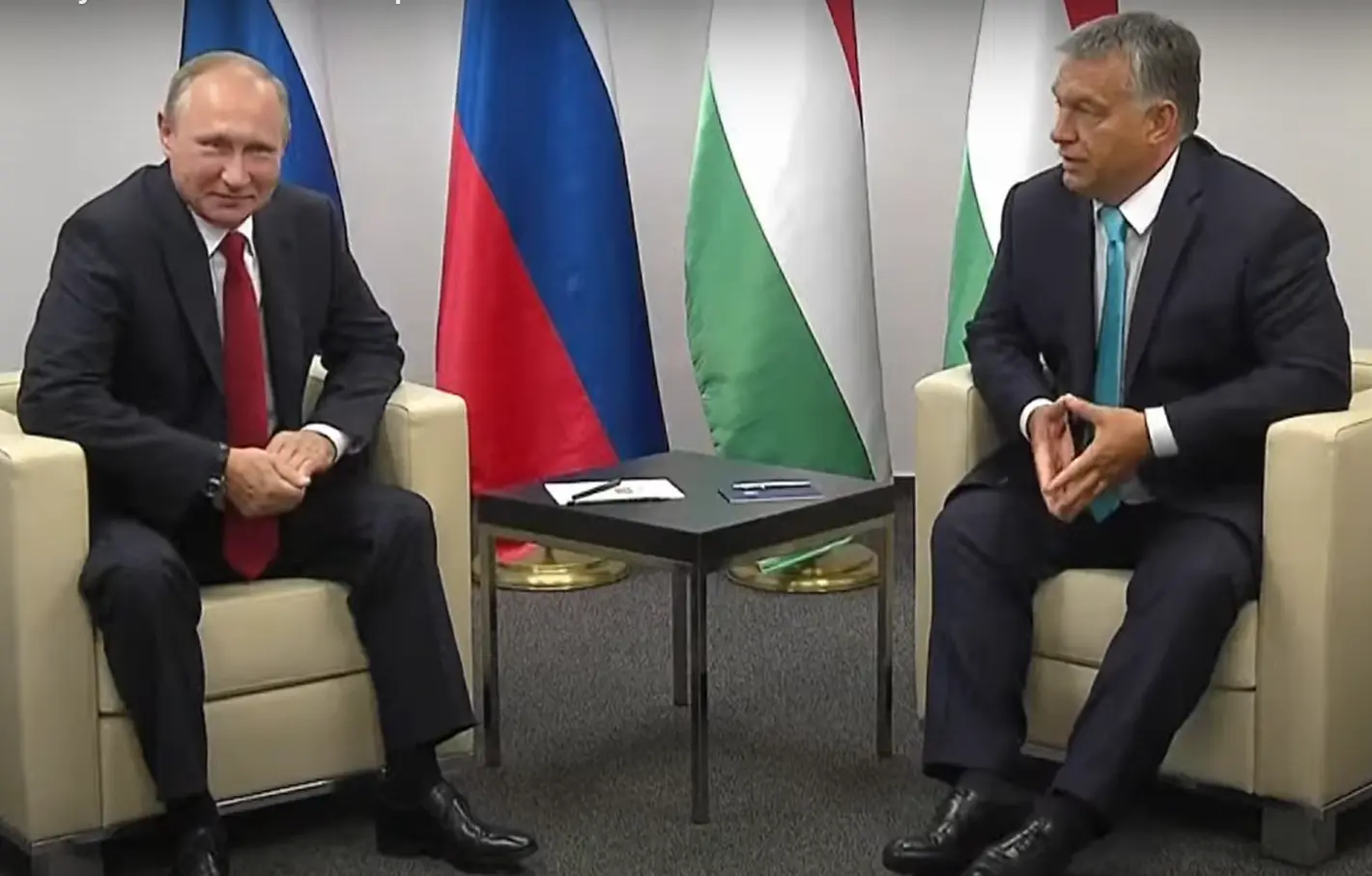
Hungarian Construction and Transport Minister János Lázár claims that Russia supplies gas at 30% below market rates, while the Americans would charge 40% more. Without the friendly ties between Putin and Orbán, he argues, Hungarian families would be crippled by soaring energy bills; as it stands, they enjoy bargain-basement prices. Yet Eurostat data paint a different picture. The Russians deliver at a premium, with taxpayers footing the difference, while cheaper procurement options are still unexploited.
Speaking at a Csepel forum on 20 January, Lázár declared that “Putin grants a 30% gas discount”, contrasting this with American supplies that would cost 40% more. The specific Gazprom contract remains under wraps, dismissed by the government as a commercial secret. Gergely Gulyás, another minister, insists Lázár’s estimate is conservative: gas from elsewhere would be far pricier, potentially quadrupling household bills.

Telex investigated after the forum, uncovering the truth behind the minister’s words. Hungary secures its annual need of 7-7.5-8 billion cubic metres via two channels: a long-term deal for 4.5 billion cubic metres, plus spot transactions. Experts calculate import prices from KSH foreign trade data (volume imported divided by cost), which have long tracked the Dutch TTF exchange rate, currently 2% above it (based on the latest November 2025 figures). Hungary’s long-term contract lags the TTF by two months.

Telex notes that Putin might sweeten spot purchases slightly, a few percent, at most.
Consequently, Hungary’s household gas remains cheap (up to average consumption; punitive rates apply beyond), not due to savvy buying, but heavy state subsidies. Non-household prices, meanwhile, are exorbitant: costs are ultimately passed to consumers via inflation.

This keeps residential tariffs far below neighbours’: double in Romania and Slovakia, triple in Poland, quadruple in Czechia. Telex overlooks the extra burdens from those inflated business rates, which would likely alter the picture.
Overall, it brands Lázár’s “Russian discount” claim as false.
Népszava reports Russian gas has grown pricier than TTF since August. Since the Hungarian-Russian long-term deal took effect in October 2021, some 236 billion forints (£500 million) in taxpayer funds have been pumped in to prop up Russian sourcing.
Eurostat shows that, good relations or not, everyone bar the Slovaks gets Russian gas cheaper: Lithuanians, Estonians, Belgians, Greeks, Spaniards, Bulgarians, Dutch, and Italians. Even Portuguese buyers paid less for American LNG. “Croatia, our nearest neighbour, shelled out slightly more for 200 million cubic metres of US gas than we did for Russian,” Népszava adds: proof that ditching Moscow needn’t trigger bill shocks (unless undisclosed spot discounts are massive, which remains unproven).
If you missed our articles in the issue:
Featured image: PrtScr/Youtube

 HR
HR NL
NL FR
FR JA
JA RO
RO RU
RU ES
ES TR
TR


Dear Author,
Hungary as a state, has obligations, it already signed, to fulfil. Hungary signed treaties to export gas to Slovakia, Serbia, Ukraine and in recent weeks, it also exports to Romania.
Hungary needs FAR more, then what it consumes, because Hungary sells a whole lot to the neighbours.
What these arguments ignore is, that if Hungary only uses the Croat pipeline, which proven to be not reliable, by the way, Slovakia, Ukraine and Serbia would collapse.
Now, some irredentist people would like that. However the current Hungarian government doesn’t want all our neighbours to descend into total anarchy. So no, Hungary needs the Russian gas import.
I find it interesting, that you argue, that everyone get RUSSIAN gas cheaper, of course, because their contracts are older, and “inflation”.
But, with Europe being liberated form economical viability from 2027, the question will not be, how cheap the energy is, the question will be, will there be energy et all, or will “Kiev” arrive in London, and will people freeze their homes?
Now, unless Tisza wins in April, Hungary will stand, even when Western Europe will collapse, because the USA can’t produce enough gas in the future. That is true for Hungary’s neighbours too.
Unlike Germany, France, Britain, etc.
Putin knew he was going to invade Ukraine when he signed his 15 year energy agreement with Hungary on Sept 27, 2021. He ended up invading Feb 22, 2022 and would have gone in earlier except that Xi asked him to delay it until the Olympics in China were over. Hungary would have been under enormous political pressure not to make any deal after the war was launched so Putin secured a 15 year revenue stream from Hungary a few months before invading. Hungary ended up being a partial financier of Russia’s invasion of Ukraine that has killed hundreds of thousands.
It’s all the evidence you need to see that Fidesz sold Hungary out to Putin. Hungary is funding Putin’s war buying Russian gas and oil when instead it could be buying energy even cheaper elsewhere. Putin has played Hungary as a nation of fools.