Subscribe to our social channels to get the latest news about Hungary!


“Spa experiences”, “spa services”, “spa treatments” – these are expressions that you may easily encounter when visiting the baths or the wellness units of Hungary. But do we know exactly what the word “spa” means? Termalfurdo.hu looked up the origin and the meaning of the word.
When looking for the definition of spa, most encyclopaedias explain that it is the abbreviation of the Latin sanus per aquam or sanitas per aquam expression. These roughly mean: health gained from water. This explanation sounds very good and rational, but it is probably based on a mistake, because the etymology of the word can be connected to a geographical location, a Belgian settlement called Spa. The name of the city is of Walloon origin and was named after espa, which means fountain, well.
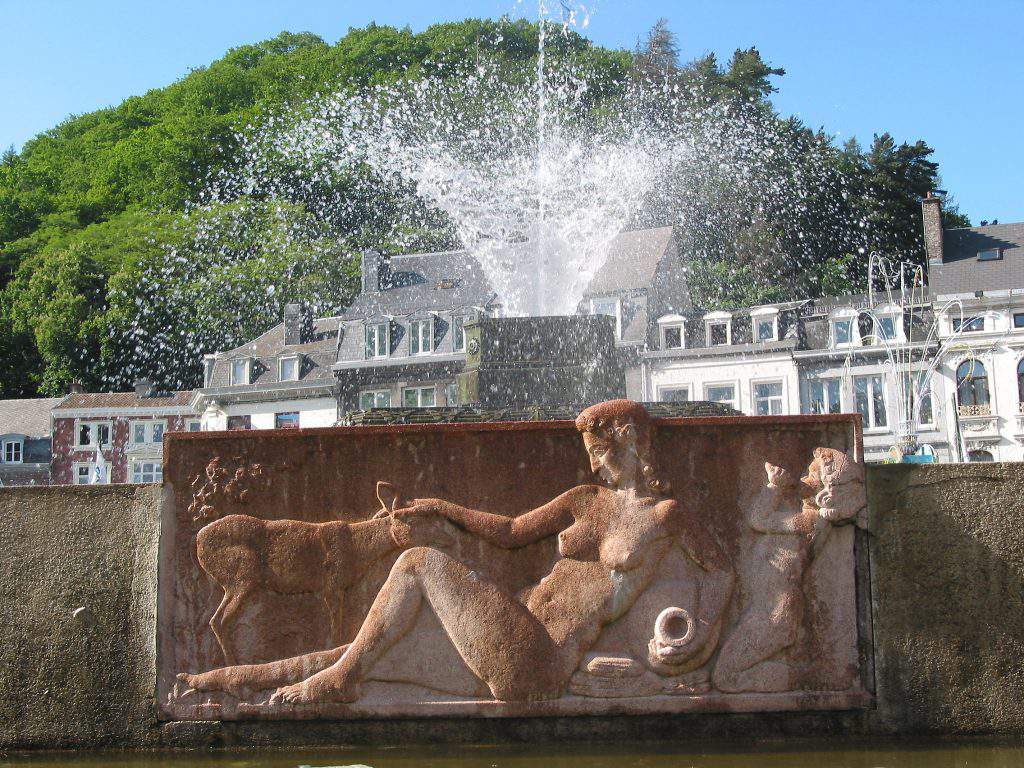
The Belgian town, which was already visited by bathers in Roman times, was called Aquae Spadanae in Latin, which probably comes from the verb spargere meaning to sprinkle, to wet. The town’s bath and its water rich in iron has been curing diseases caused by iron-deficiency since medieval times. Those wanting to be cured named the settlement Espa. The concept of curing and water treatment interlocked with the settlement, so people started calling other curing baths and their treatments “spa”. In the beginning, the word mostly meant drinking cures, not the bath places, but this difference vanished with time, so nowadays “spa” signifies an opportunity of refreshment, recreation.
The common language uses spa and balneotherapy as synonyms, but if we’re looking for the exact definition, then it’s better to separate them. Balneotherapy includes medical treatments connected to thermal springs and mud, usually as part of the treatment of already existing diseases, as the tool of medical processes. But spa implies treatments connected to health-care. The aim is not curing, but prevention.


