Subscribe to our social channels to get the latest news about Hungary!


Today, we commemorate the Battle of Mohács, fought 499 years ago, which determined Hungary’s fate for centuries. Visiting the Mohács National Memorial Site left me with mixed feelings: it offered some meaningful experiences but also disappointment. We prepared a photo gallery and a short video – remembrance and criticism in one place.
Every Hungarian knows the saying “Több is veszett Mohácsnál” (“More was lost at Mohács”), which means that, however great a loss or failure may seem, there have been far greater tragedies in our history. Indeed, one of the most catastrophic moments in Hungarian history unfolded on August 29, 1526, near Mohács. The battle lasted barely two hours, yet it was enough to cost Hungary its independence for centuries.
The 25–30,000-strong Hungarian army faced Sultan Suleiman’s well-organized force of over 60,000 soldiers. The losses were devastating: 14–20,000 Hungarian troops were killed on the battlefield, including bishops and other church leaders, while Ottoman losses amounted to just 1–2,000 men.
The tragedy deepened when the young King Louis II drowned in the marshy waters of the Csele Creek while fleeing. His body was discovered only days later. It is no coincidence that the expression “Mohács disaster” (mohácsi vész) has since become a synonym for a fatal turning point in the Hungarian language. The defeat led to the fall of Buda and the partition of the Kingdom of Hungary into three parts. It was not just a military failure but a historic watershed that shaped generations. The Habsburg dynasty also established itself in Hungary during this turbulent period and remained in place until the end of World War I.
Related reading: [Why were Hungarians left alone at Mohács?]
The mass graves of the fallen soldiers were discovered centuries later through archaeological excavations, confirming that the fighting took place near Mohács and Sátorhely. In 1976, on the 450th anniversary, the Mohács National Memorial Site was inaugurated to honour the dead and provide a place of remembrance.
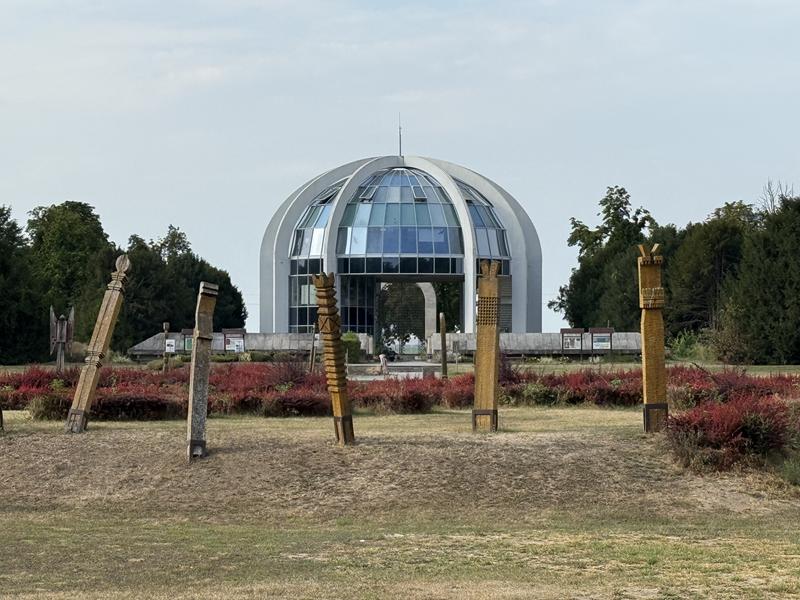
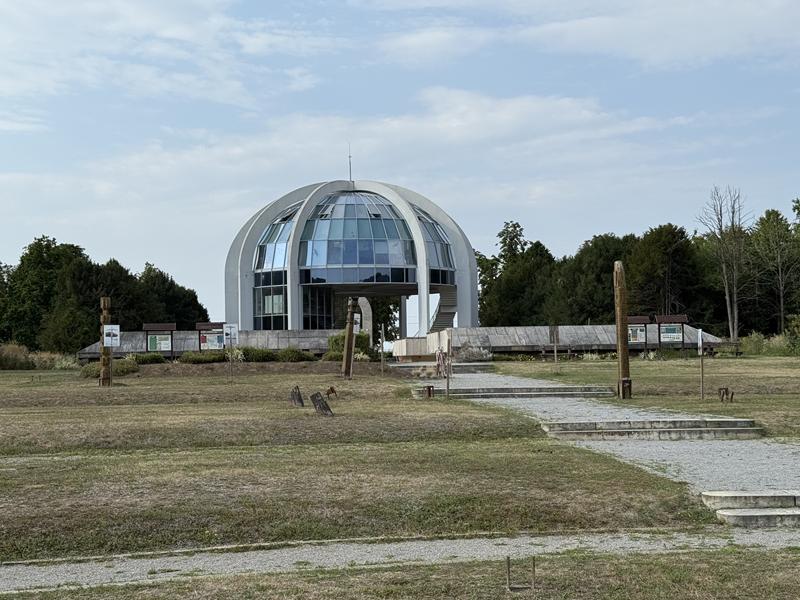
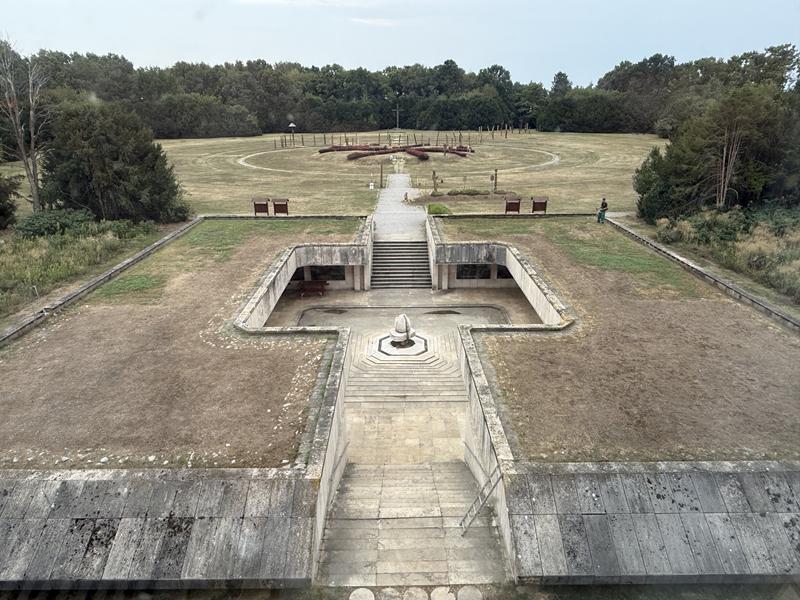
Its central building, symbolising the Hungarian Holy Crown, houses exhibitions, while the surrounding park is dotted with carved wooden memorial posts (kopjafák) and other monuments commemorating the heroes.
The most visually striking part of the outdoor area is the Kopjafa Park, which has been growing since 1976. In Hungarian tradition, a kopjafa is a carved wooden grave marker, not only preserving the memory of the deceased but also conveying symbolic messages through its motifs.
At the Mohács site, most of the kopjafák were erected by municipalities, churches, civil organisations, historical societies, and Hungarian communities from across the Carpathian Basin and the diaspora.
Some of the most significant memorial posts include:
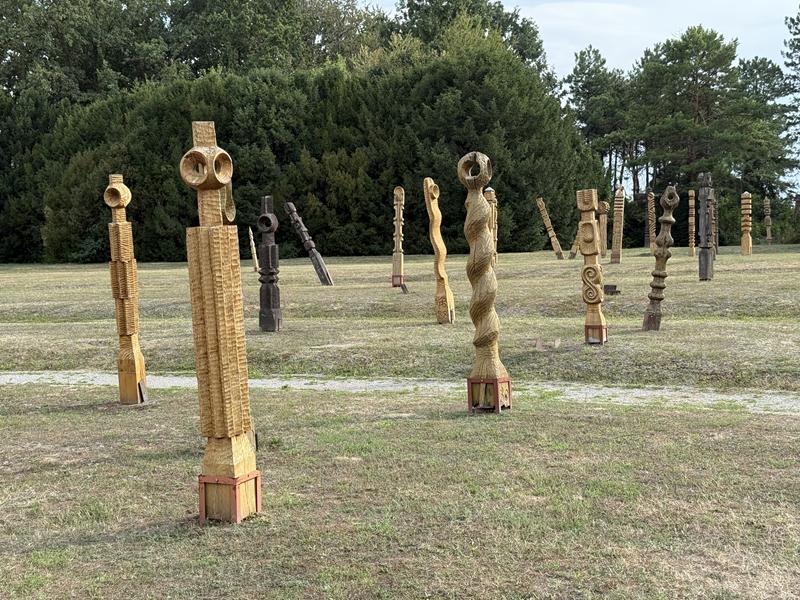
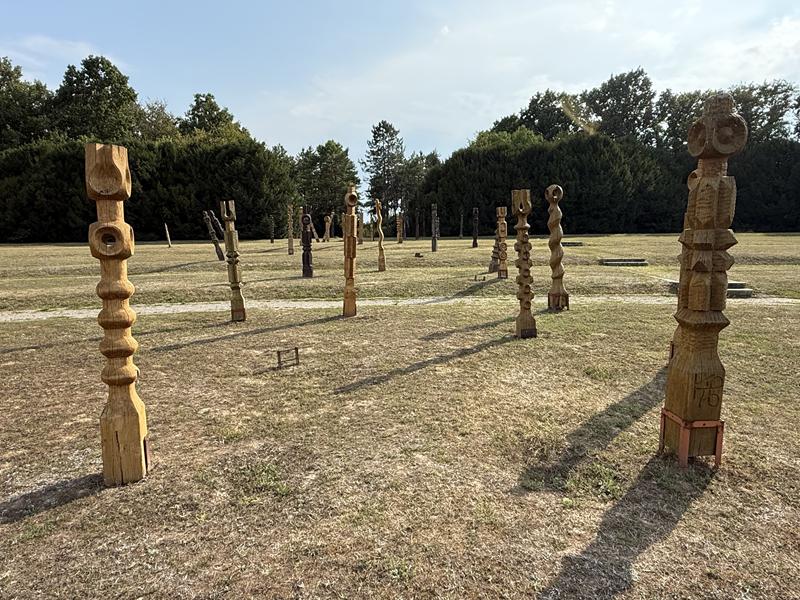
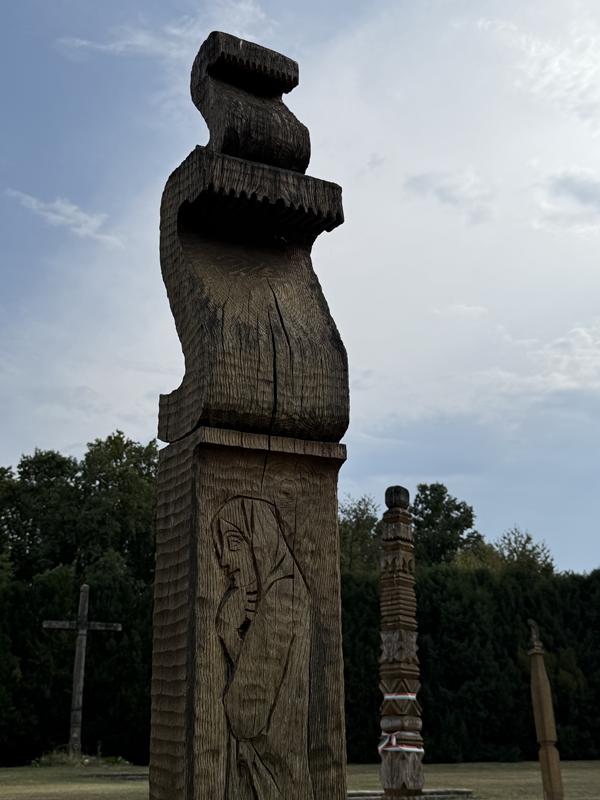
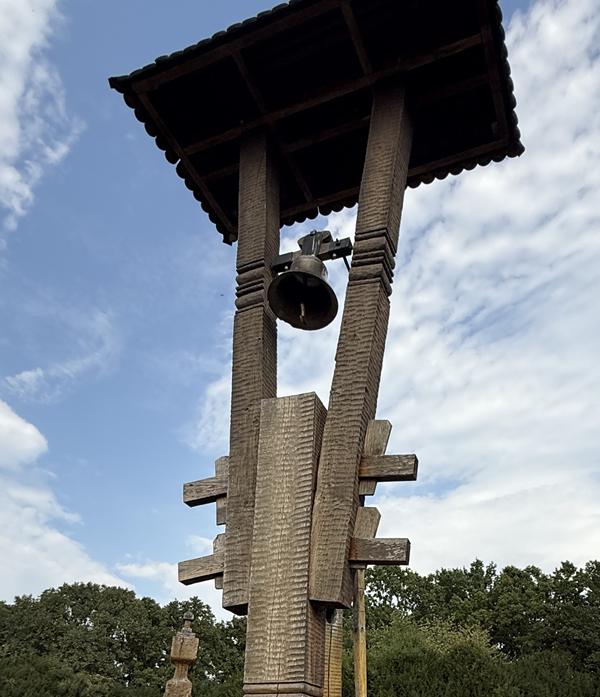
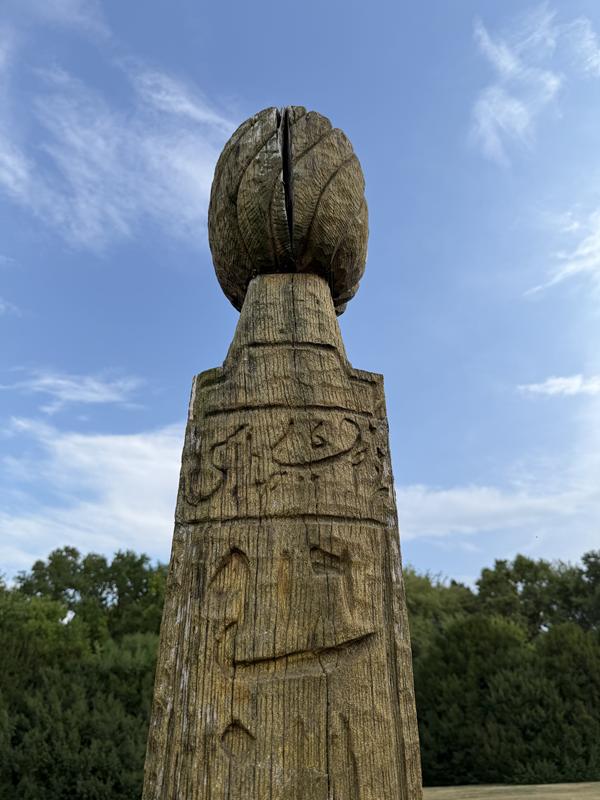
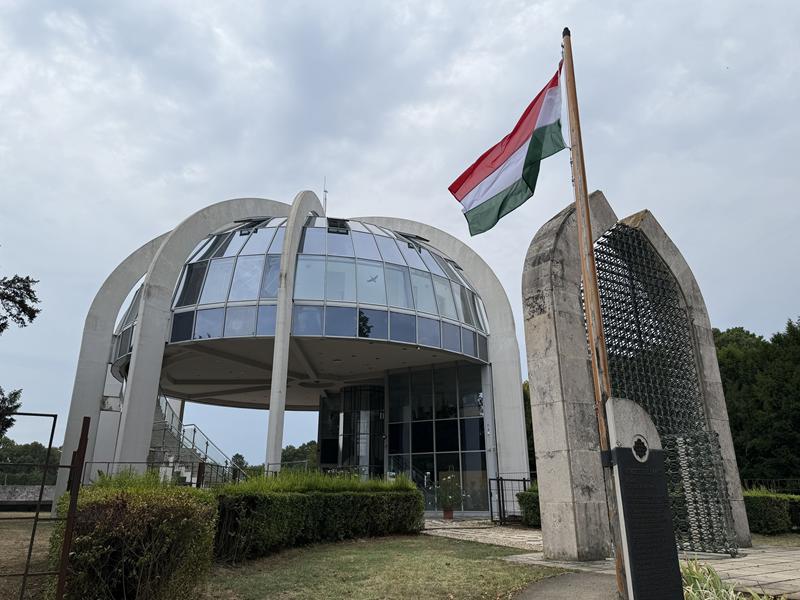
These kopjafák symbolise that the tragedy of Mohács was a shared national loss, not confined to one region or group.
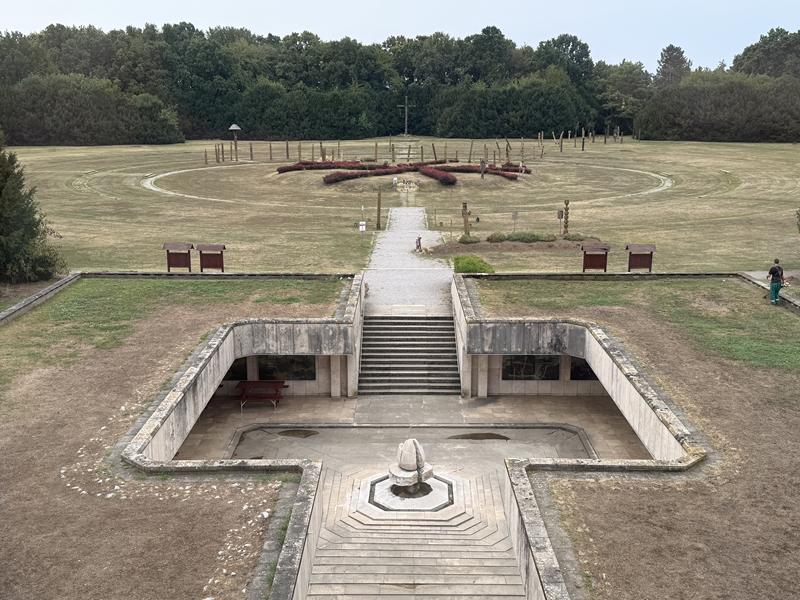
At the heart of the memorial lies the most powerful element: the excavated mass grave. Archaeologists uncovered three such graves, the largest of which is now visible in the centre of the site. Here lie the remains of thousands of Hungarian soldiers, hastily buried together after the battle.
The excavations revealed that the bodies were often piled on top of one another, reflecting the chaos and devastation after the defeat, when no time or strength remained for proper burials. Today, the grave is marked by a simple but moving monument, surrounded by a park that invites silence and reflection.
What makes this site unique is that it is not symbolic: it is the actual resting place of the Mohács heroes, lending it unmatched historical and national significance.
Near the main building, visitors can also find a few interactive installations, which remind us that the memorial has entered the 21st century. Brightly colored panels provide accessible information, timelines illustrate the great battles of history, and even a puzzle game helps both children and adults engage with the events in a playful way.
Although limited in number, these interactive features are a welcome addition, offering visitors an engaging way to connect with the past. They show a promising direction for the future, and I would encourage the Duna–Dráva National Park Directorate, which manages the site, to expand such solutions if full-scale digital information boards are not yet feasible.
I visited the memorial just days before the anniversary. The ticket price is HUF 2,300 (EUR 5.8) for adults (HUF 2,000, or EUR 5 for students, pensioners, and teachers with ID). While the leaflet included with the ticket is useful, on-site information is scarce.
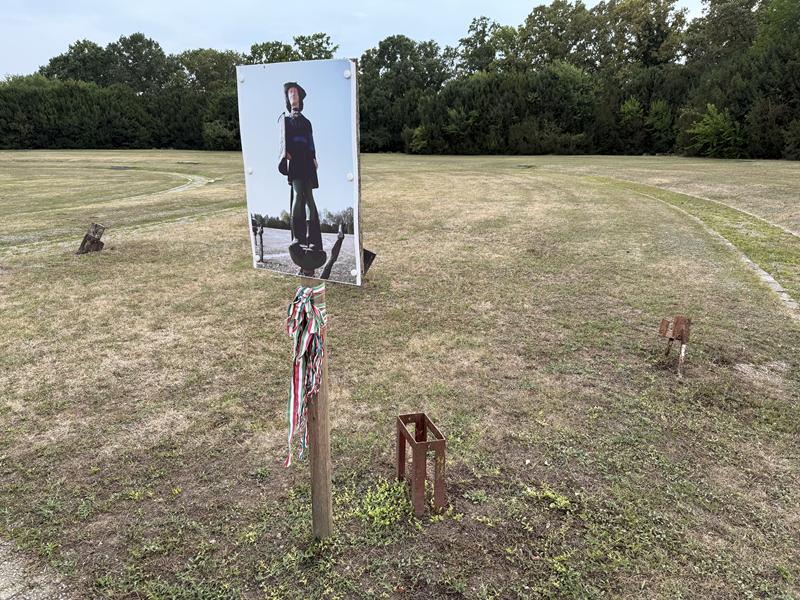
More disappointing is the condition of the site. Many kopjafák are missing, replaced with photographs that fail to convey the solemnity of the original memorials. Those that remain are often left without explanations or plaques, leaving visitors uncertain of their meaning.
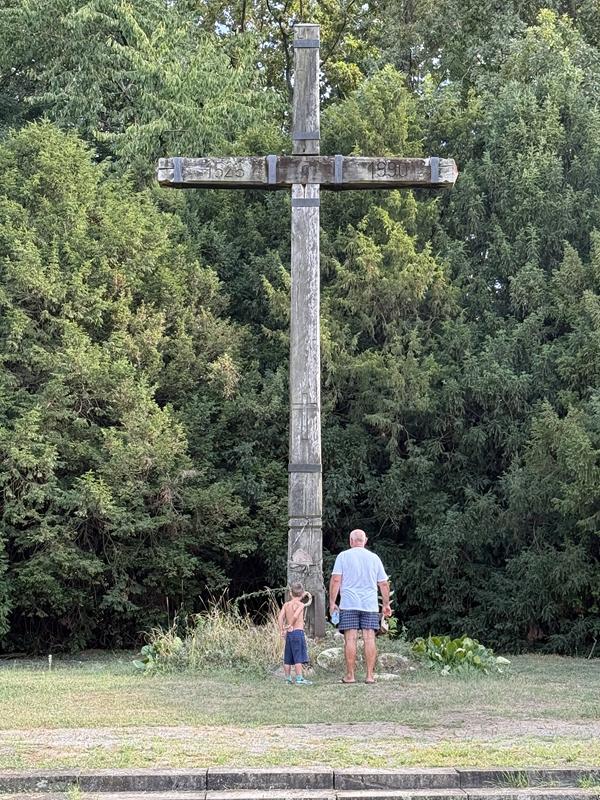
A monumental cross stands on the grounds, yet there is no clear information about who erected it or what its symbolism represents.
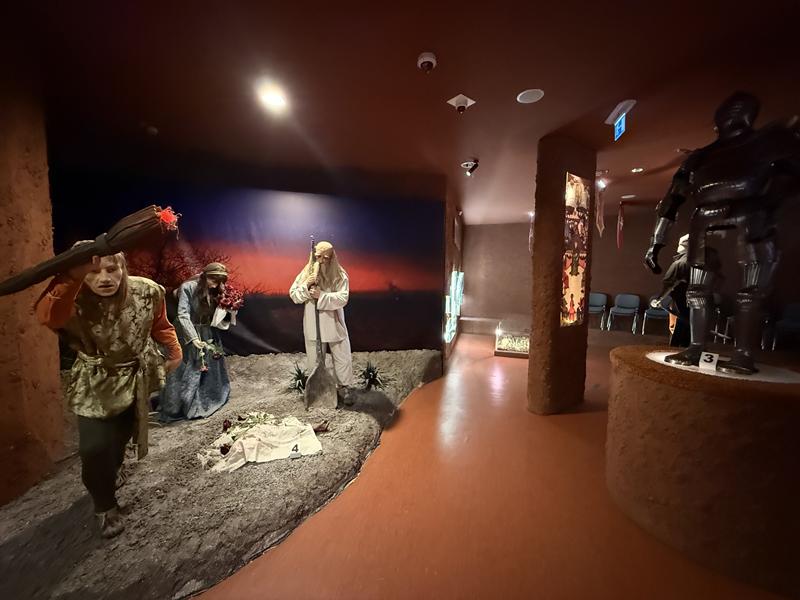
Inside the main building’s basement, the permanent exhibition offers flags, weapon replicas, and life-sized mannequins in armour. A short film provides an informative overview, though it clearly dates back over a decade, missing the advances in animation and presentation of recent years. Upstairs, temporary exhibitions are hosted, but the hall currently feels more like a multi-purpose event room than a tourist-friendly exhibition space.
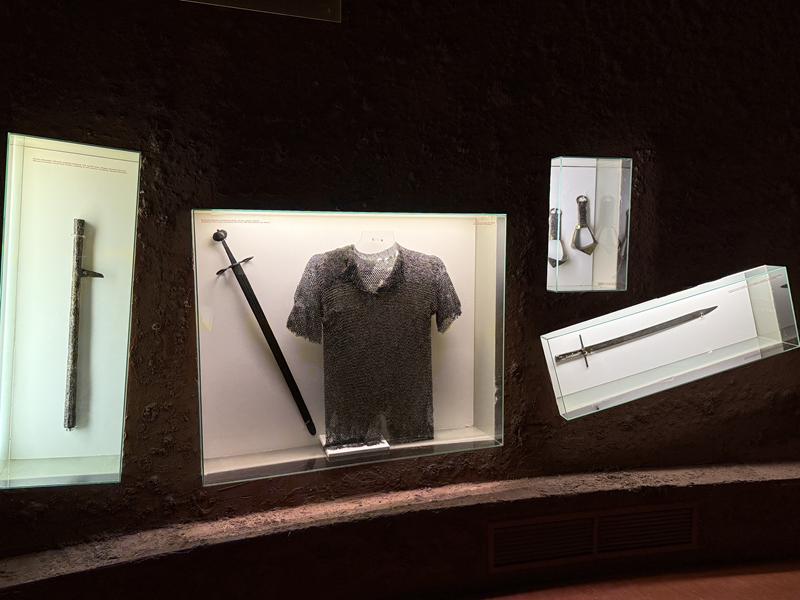
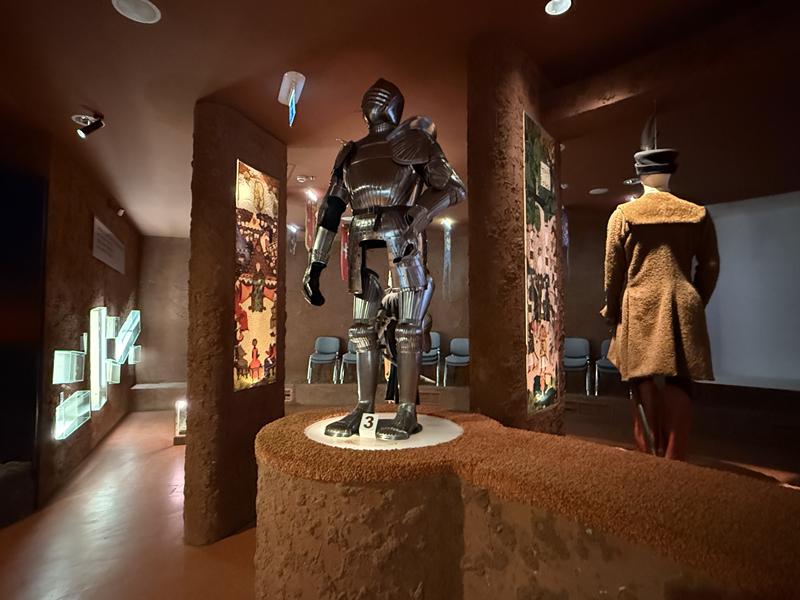
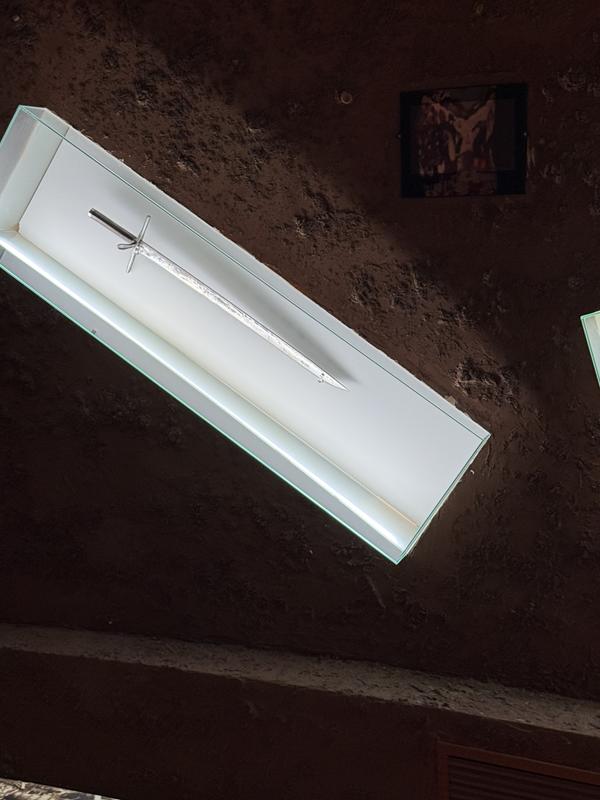
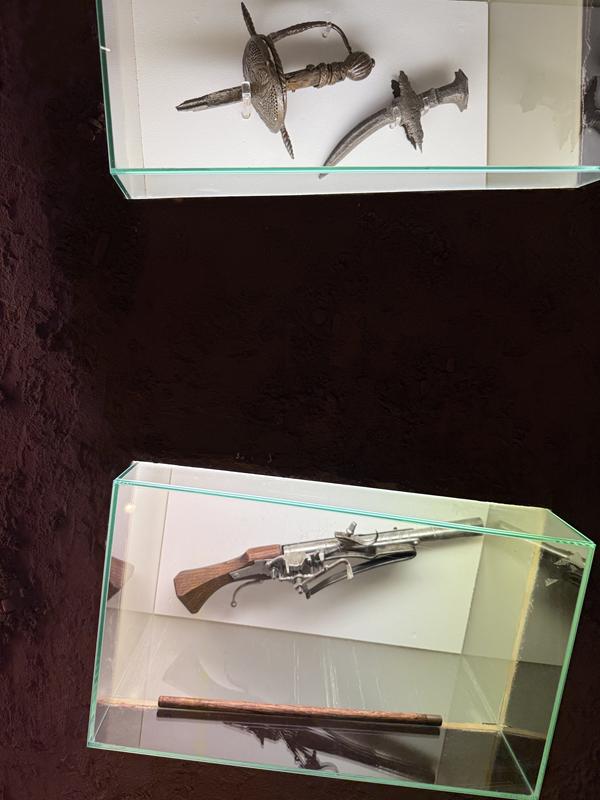
To be honest, my visit left me somewhat disheartened. The worn pathways, missing kopjafák, and faded buildings give the impression that the memorial fails to fully honour the heroes of Mohács. Despite the immense historical significance of the battle, the site in its current state evokes more a sense of incompleteness than solemn reverence.
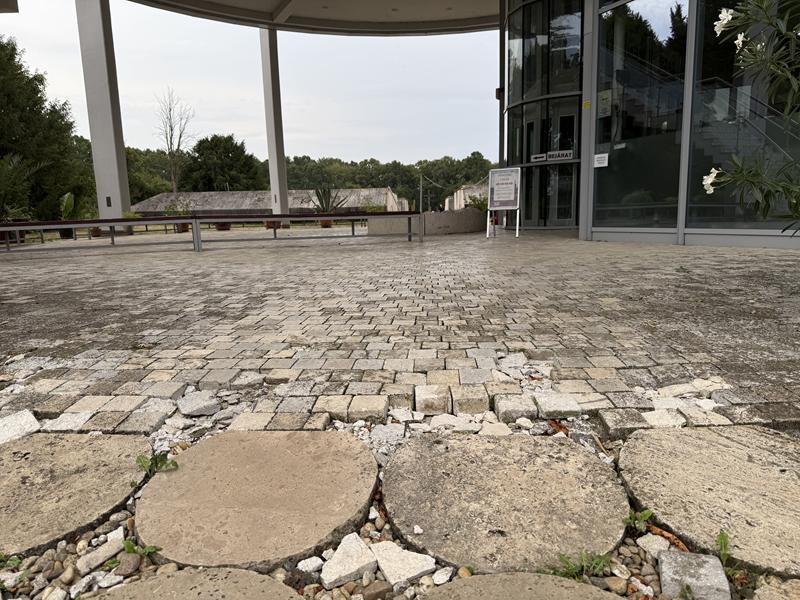
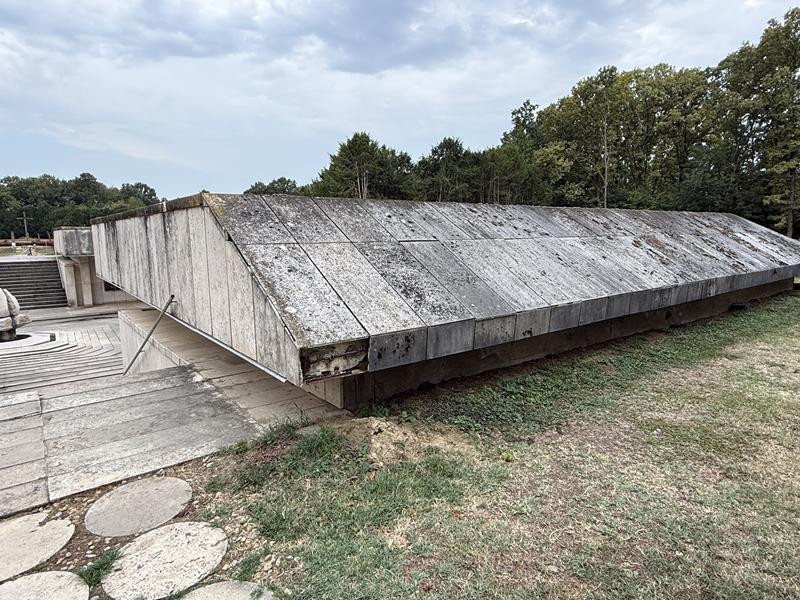
From a tourism perspective, there is also much to improve. A more developed, modern, and informative exhibition could turn the Mohács Memorial into a key destination for both Hungarian and foreign visitors. At present, however, it feels more like a required school-trip stop than an inspiring historical landmark.
Next year marks the 500th anniversary of the Battle of Mohács – a symbolic milestone that should bring about renewal. A modernised exhibition, the replacement of missing kopjafák, and a cleaner, more dignified environment would not only honour the fallen but also put Mohács firmly on the cultural and touristic map of Hungary.
I truly hope that the Mohács National Memorial Site can soon become more than a reminder of past tragedy – a true place of pilgrimage and reflection, worthy of both Hungarian and international visitors alike.
👉 Related articles:
Read here for more news about Hungarian history


