Subscribe to our social channels to get the latest news about Hungary!


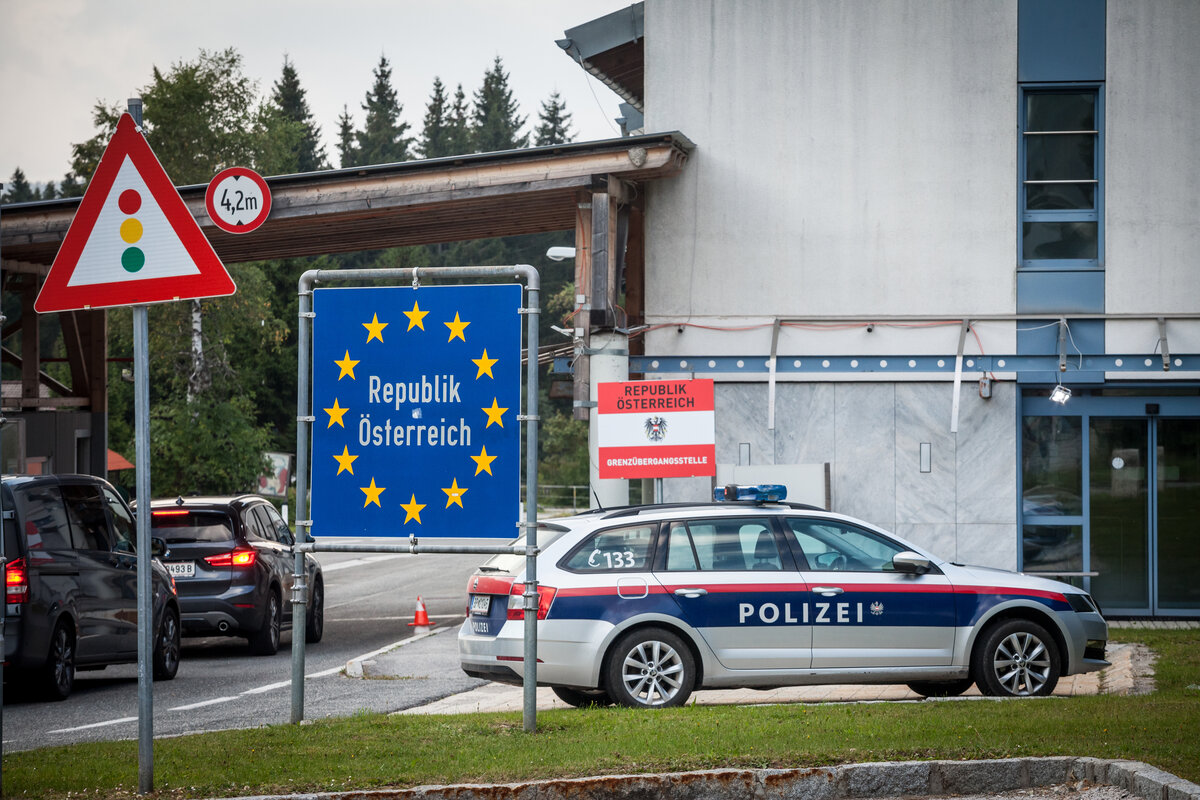
Significant changes may soon affect how the Hungary–Austria border operates during exceptional situations. A draft amendment to the 2014 Hungarian–Austrian border traffic cooperation agreement has been opened for public consultation, aiming to clarify how border crossings would function if internal border controls were temporarily reinstated under Schengen rules.
Importantly, the proposal would not introduce permanent border checks. Instead, it would establish a clear, pre-agreed framework for handling extraordinary circumstances such as public order concerns, national security threats, health emergencies, or animal disease outbreaks, Portfolio reports.
Under the draft amendment, Hungary and Austria would not abandon the core principles of the Schengen Area. The agreement simply prepares for scenarios in which either country decides—lawfully and temporarily—to reintroduce internal border checks.
Such situations have occurred before, including during the coronavirus pandemic and more recently during animal health emergencies such as outbreaks of foot-and-mouth disease. The aim is to replace ad hoc measures with predictable, transparent rules that both authorities and border residents can rely on.
One of the most notable changes is the expansion of locations where temporary border controls could be officially carried out. If checks were reintroduced, inspections would always take place on the territory of the country conducting them.
Newly designated primary road control points would include:
During any temporary controls, these crossings would serve as the main hubs for road traffic between the two countries.
The proposal also thoroughly reorganises the list of smaller border crossing points. These routes could remain open even during temporary checks, but typically only for specific purposes such as local commuting, tourism, agriculture, or organised events.
Permitted uses would include pedestrian and cycling traffic, horse riding, water tourism, farming activities, and access for cultural, sporting, or religious events.
Among the crossings listed are:
The goal is to ensure that cross-border movement linked to everyday life, tourism, and agriculture can continue in an orderly manner rather than being decided on a case-by-case basis.
For the many people who commute daily between Hungary and Austria, as well as tourists visiting border regions, the amendment would bring greater predictability. If temporary checks were ever reintroduced, travellers would know in advance which crossings remain available and for what purposes.
Local communities, farmers, hikers, and cycling tourists would all benefit from clearly designated routes that remain usable even in exceptional circumstances.

The draft agreement would also make it easier for Hungary and Austria to update the system later by mutual consent. This could include adding new crossings or reclassifying existing ones without renegotiating the entire agreement from scratch.
The amendment would not enter into force automatically. Both countries would need to confirm through diplomatic channels that their internal legal requirements have been fulfilled. The agreement would then take effect on the first day of the second month following the final notification, with the exact date announced by the foreign minister.
Despite concerns that often arise around border-related announcements, the proposal does not signal a permanent tightening of the Hungary–Austria border. Instead, it prepares both countries for rare but realistic scenarios in which temporary border controls become necessary—while preserving cross-border life as much as possible.

 IT
IT HR
HR NL
NL FR
FR JA
JA RO
RO RU
RU ES
ES TR
TR

