Subscribe to our social channels to get the latest news about Hungary!


Hungary’s varied landscapes, from the bustling streets of Budapest to the serene highways stretching across the countryside, are best explored by car. For Hungarians at home and abroad, as well as foreign students, expats, and visitors, understanding the nation’s driving rules and unique road customs is the key to a safe and enjoyable journey. Here’s your comprehensive guide to driving in Hungary in 2025.
Driving in Hungary follows right-hand traffic, which means all vehicles keep to the right-hand side of the road and overtake from the left. At intersections, drivers must yield to vehicles coming from the right, unless traffic signs indicate otherwise. Unlike in some countries, turning right at a red light is not allowed under any circumstances.
Speed limits are strictly enforced and vary depending on the road type. In towns and cities, the maximum permitted speed is 50 km/h. This increases to 90 km/h on main roads outside of urban areas, goes up to 110 km/h on expressways, and tops out at 130 km/h on the motorways. Lower speed limits (20 and 30 km/h) can apply near schools or in pedestrian-heavy zones, so always watch for appropriate signage, as exceeding these limits can result in heavy fines, often enforced by speed cameras.
Hungary maintains a zero-tolerance policy regarding alcohol and drugs while driving. This means any trace of alcohol in your system is illegal, and the same goes for any controlled substances, regardless of whether you are a local or a foreigner. Police regularly carry out roadside tests, and penalties for non-compliance are severe.

By law, certain items must always be present in your vehicle. These include a warning triangle, an up-to-date type-B first-aid kit, and a high-visibility vest for each passenger who might need to exit the vehicle on the roadway. Foreign vehicles may need to fit headlight adapters to avoid dazzling oncoming traffic.
Everyone in the car must wear a seatbelt, regardless of where they are sitting. Children under the age of three, or those shorter than 150 centimetres, must travel in a suitable child restraint in the front seat. In the back, the exemption is only if the child is taller than 135 centimetres and the seat belt properly fits.
Mobile phone use while driving is only permitted with hands-free devices. Using a handheld phone, even briefly, can lead to substantial fines and is strictly policed.
Hungarians have their own particular road etiquette that can take some getting used to. If another driver flashes their headlights at you, they are usually indicating that you have the right of way, which differs from some other countries, where it can be a warning. When you want to thank another driver (for example, if they let you merge), quickly turning on your hazard lights is the standard, local way to say “thank you”. The horn is reserved for emergencies and genuine warnings and should not be used casually out of impatience.
Recent updates to Hungarian traffic regulations include the mandatory use of the “zipper merge” on lanes that are ending. Here, drivers are expected to take turns merging, rather than competing to get ahead or block others.
Cyclists under 14 years of age must now wear helmets, and new shared lanes for cyclists and vulnerable users are being introduced. Overtaking and following rules have also been tightened: motorists must keep a minimum two-second gap on motorways, and a one-second gap on expressways. Learner drivers now benefit from expanded use of simulators and increased family involvement in practice sessions.
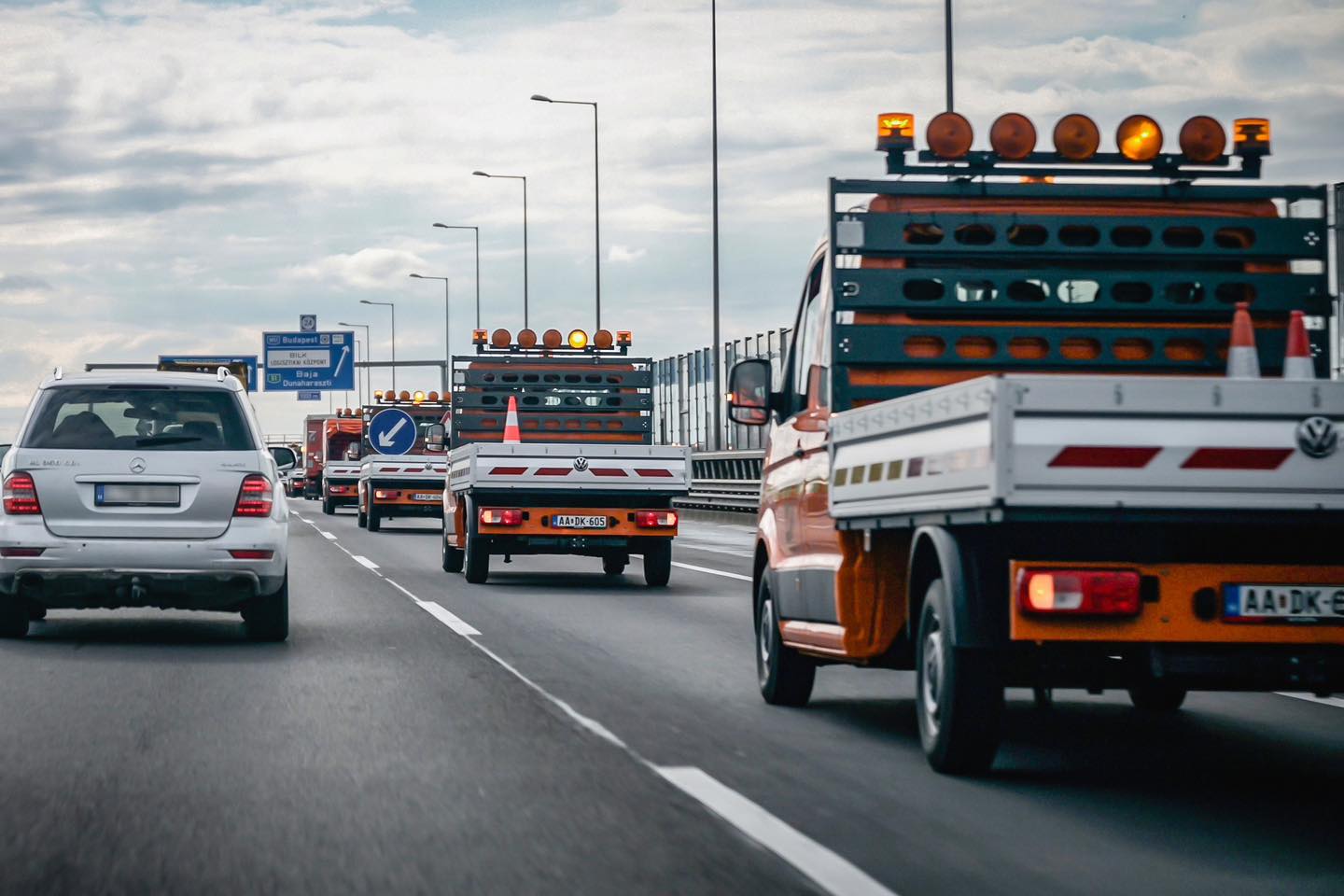
Always carry your original driving licence while on the road. Depending on your country of origin, visitors may need to present an International Driving Permit (IDP) alongside their national licence. If you are staying in Hungary for more than 30 days as a foreign driver with a licence plate that is printed with non-Roman script, obtaining an IDP is required.
Using Hungary’s extensive motorway network requires a highway vignette, known locally as an “e-matrica”. These must be purchased before you use any motorway and are available online or at petrol stations. Motorway use is monitored by cameras, so you do not need a physical sticker, but driving without a valid e-vignette will result in significant fines and penalties.
Another distinctive Hungarian rule is the requirement to use daytime running lights or dipped beams outside urban areas, regardless of the time of day. This helps ensure visibility and safety on open roads.
Parking in major cities, especially Budapest, can be challenging. Almost all central and many residential districts operate as paid parking zones, typically from 8:00 in the morning to 6:00 in the evening on weekdays. Rates can range from HUF 200 (EUR 0.5) to HUF 600 (EUR 1.5) per hour, and during holiday periods or in popular tourist areas such as Lake Balaton, fees may increase. Failing to pay for parking can result in wheel clamps or fines, which are usually sent by post with instructions for payment.
Hungary’s climate means winter brings icy conditions, especially in northern and rural regions. While winter tires and snow chains are not legally mandatory, they are strongly recommended between November and March. In summer, traffic can be especially dense near lakes and resorts.
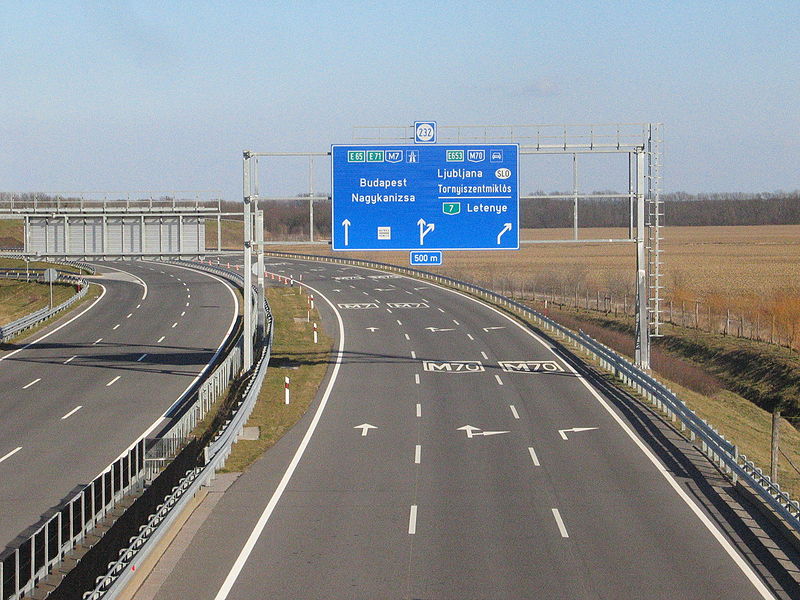
Within Budapest and other cities, rush hour traffic can be heavy and parking scarce, so you may want to take advantage of Park & Ride lots or use public transport for part of your journey. On weekends and public holidays, heavy lorries over 7.5 tons cannot use most roads, which eases congestion for passenger vehicles but can cause backups near border crossings.
Hungarian drivers usually value polite, respectful behaviour on the road. This means yielding the right of way when appropriate, clearly signalling your intentions in advance, and always respecting pedestrian crossings. Enforcement is strict but typically relies on cameras and digital fines; it is rare to be stopped and fined on the spot, but expect to receive speeding or parking tickets in the mail.
Not all Hungarians speak English, particularly outside major tourist destinations, so learning a few basic Hungarian phrases, such as “Elnézést” (“Excuse me”) or “Hol van…?” (“Where is…?”), can be very handy if you need directions or assistance.
Before setting off on your journey in Hungary, ensure you have your valid driving licence (and IDP if needed), passport or ID, car insurance and registration documents, a motorway vignette if you plan to use the highways, a first-aid kit, a warning triangle, and high-visibility vests.
Driving in Hungary remains a fantastic way to discover the country, whether you’re navigating the grand avenues of Budapest, winding through the countryside, or heading off the beaten path. With an understanding of the rules, a respect for local customs, and a little preparation, you’ll be ready for a smooth and rewarding experience on Hungarian roads in 2025.
Read more travel-related news on Daily News Hungary!
Read also:
Sources and more information: sixt.co.uk, Helpers, Hungary Vignette, settlers.hu


