The Bakony Mountains used to be a regular hotspot for dinosaurs back in the day.
Even millions of years ago, dinosaurs considered it a favourite passage, according to palaeontologists. Recent developments in their findings, however, have led to a reconsideration of this thesis.
The Iharkút excavations
Excavations in the bauxite mine of Iharkút have supplied researchers with solid proof of dinosaur traffic in the Bakony. Attila Ősi, the leader of the team researching the area near Lake Balaton, commented that the Iharkút findings could contribute to decades of future research. These include predator claws, teeth, crocodile jaw fragments, various skull pieces and vertebrae. The remains of more than 40 dinosaur species have been noted, 11 of which were entirely new discoveries made by Attila Ősi and his team.
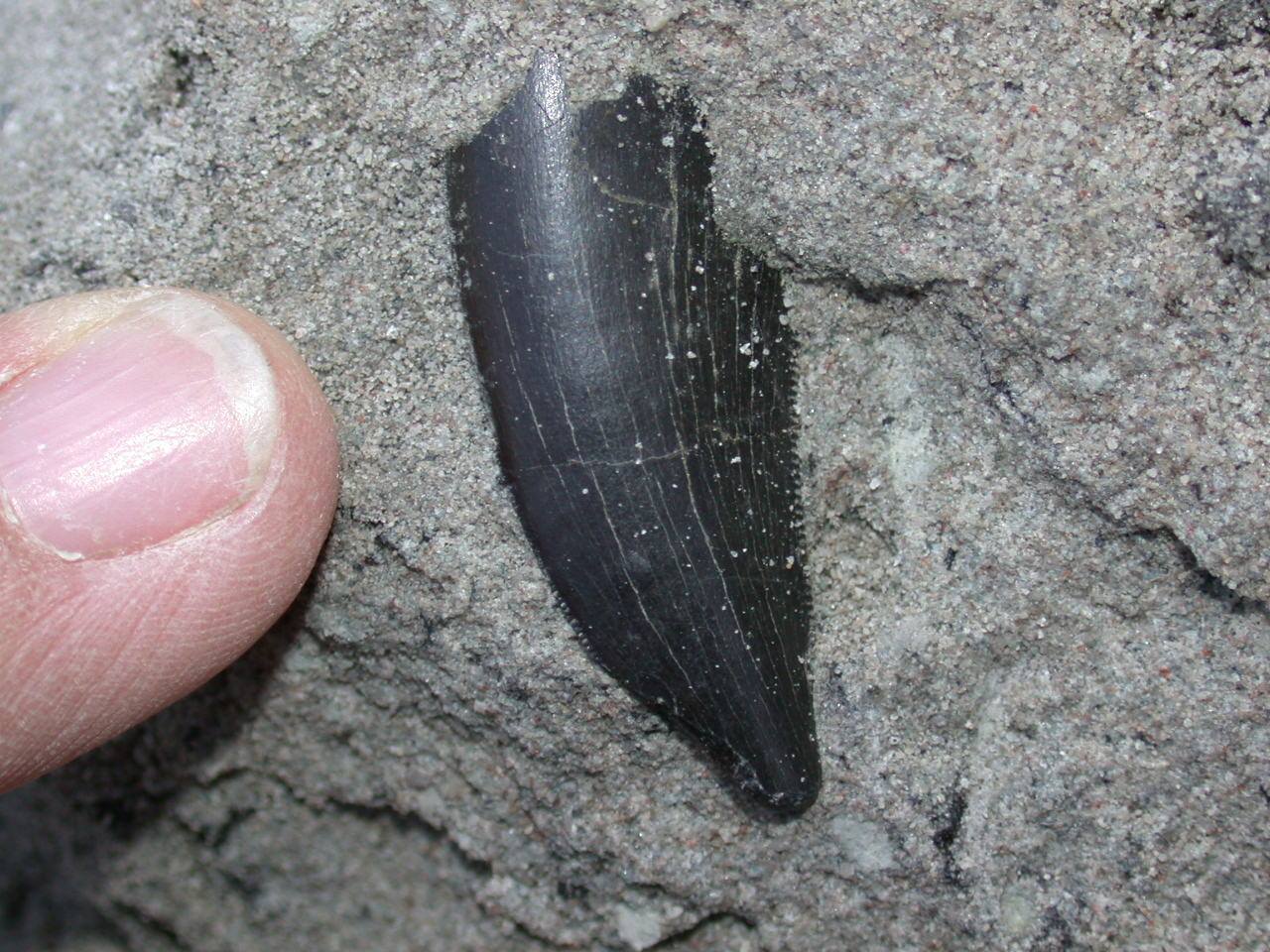
Those who came before us
Herbivores in the Bakony Mountains are mostly represented by Ankylosauria and Ornithopoda, and Sauropods may also have been present. It is challenging to determine if they lingered for long until whole skeletons are found. Alongside the herbivores, another significant discovery was the predators. Palaeontologists found teeth that are 3-4 centimetres long, suggesting that apex predators could reach lengths of 4 to 5 metres. These remains are tied to Theropoda dinosaurs, which, like the T-Rex, can be classified as a Megalosaurus.
There are three main places for excavations in Hungary. The oldest Hungarian fossils were found in the Mecsek and date back 200 million years to the Jurassic age. The second is Ajka, where 85 million years ago, small bird-like Theropods and armoured dinosaurs, called Ankylosurus, roamed the terrain. Last but not least is the aforementioned Bakony area.
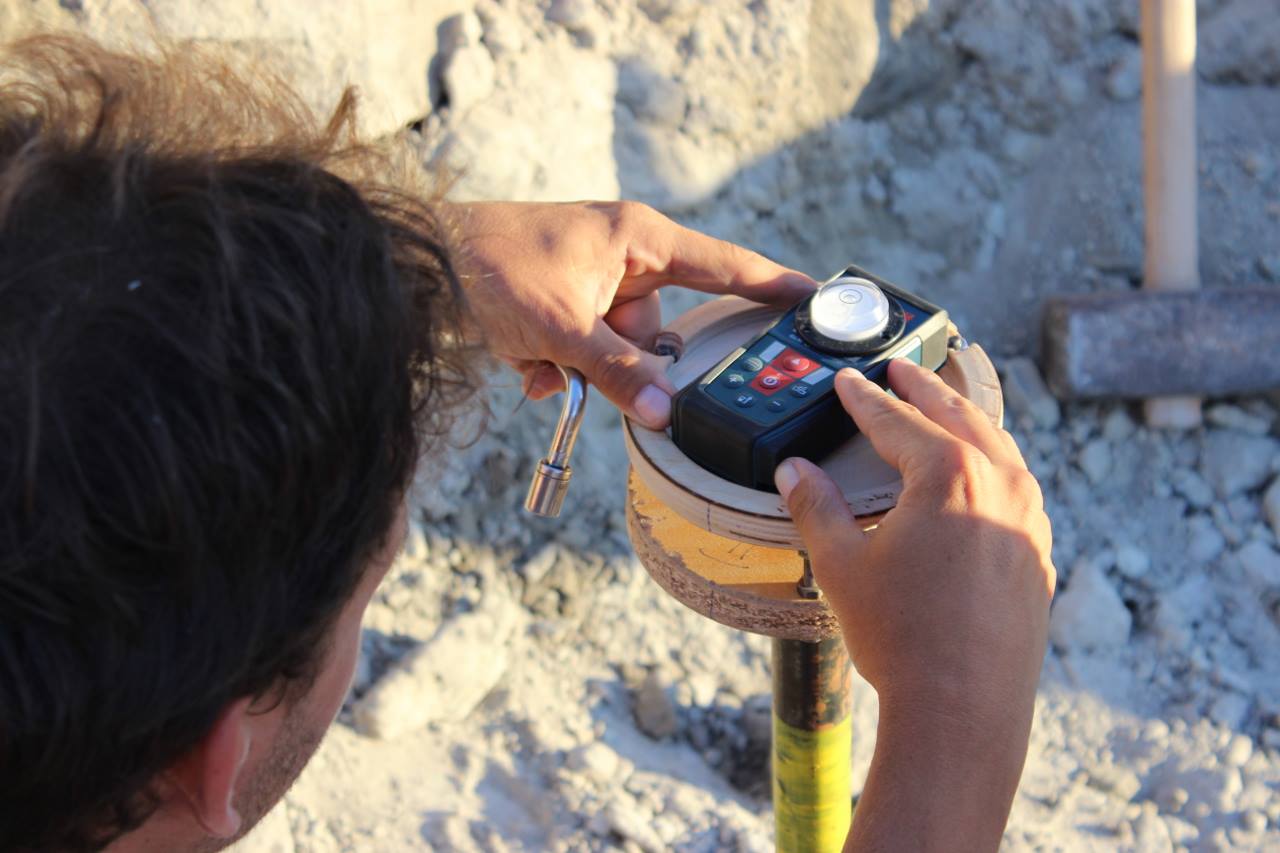
The excavation process
The findings in these areas are particularly rich, according to palaeontologists, because there must have been a great river flooding the valley in the Cretaceous period. This river likely gathered the remains of dinosaurs into the area we now call the Bakony. The richness of these discoveries depends on site accessibility and the time researchers have to excavate. Of course, these excavations also heavily depend on research financing. The excavation of the bauxite mine in Iharkút, lasting two weeks and employing a 24-person research group, cost HUF 1 million (EUR 2,649.13). These costs cover food, fuel and necessary tools. Costs may increase if there’s a peculiar find that requires extra care. Preparation and transportation are also quite expensive. The findings usually end up either at ELTE or the Hungarian Natural History Museum for conservation, where their examination can last for years.
What comes next?
Attila Ősi and his team have contributed many findings, including the aptly named Hungarosaurus tormai. They return to this region every year since 2000 and will continue to do so in the foreseeable future, hopefully with the same success they have brought to the table so far.
- Read more about the Iharkút excavation HERE.
- Want to see some life-size dinosaurs? Read about the first permanent dinosaur exhibition in Hungary HERE.


