Hidden history beneath Lake Balaton is beginning to surface

Change language:
Little is known about the secrets hidden beneath Lake Balaton, but recent underwater discoveries and excavations are already raising intriguing questions about the lake’s buried past.
Roman era: traces of settlers and traders
The Lake Balaton region played a significant role as far back as Roman times. Archaeological finds have focused especially on lakeside settlements and fortifications. In Keszthely-Fenékpuszta, for example, researchers uncovered remnants of a major Roman fortress.
Pottery shards, vessels, and other artifacts found along the shoreline suggest the area was once a bustling hub of trade and commerce. This leads experts to believe that many artifacts—such as cargo loads of amphorae or sunken ancient trade ships—might still be hidden beneath the water.
Steamships on Balaton
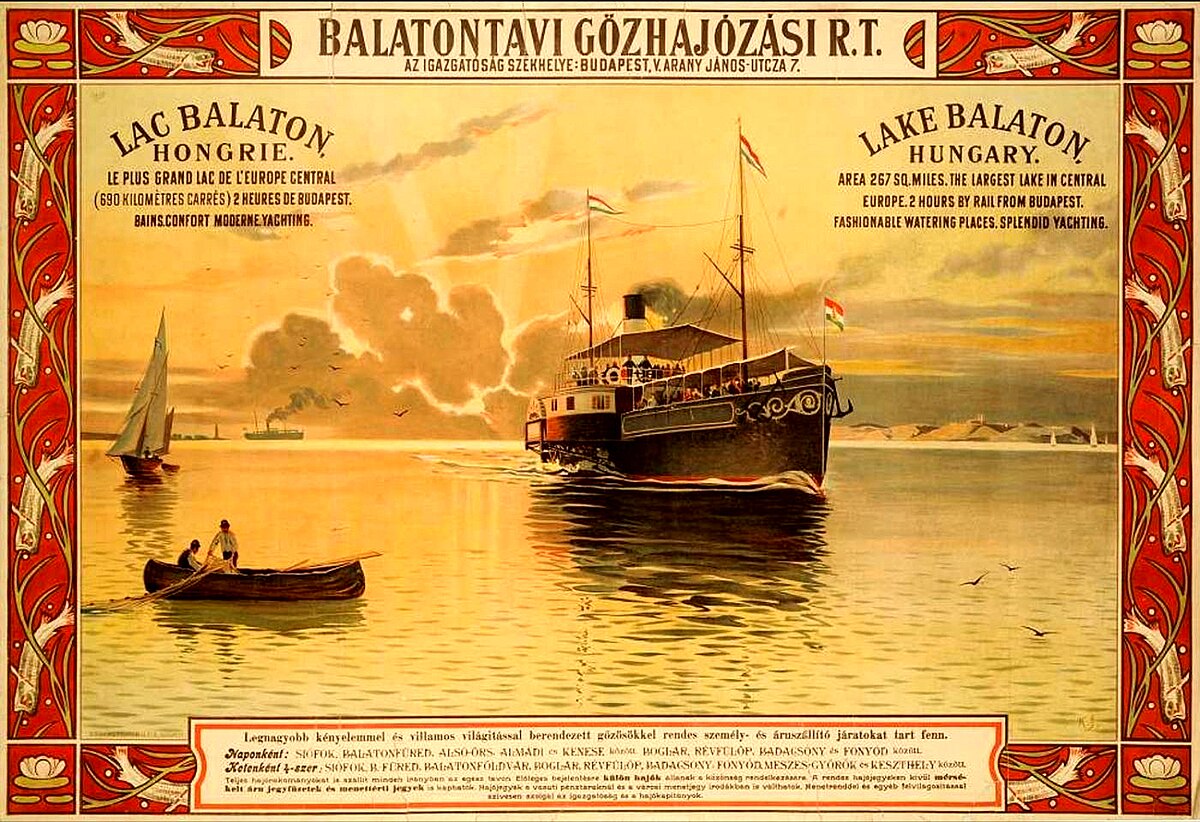
In the 18th and 19th centuries, Lake Balaton was a key site for steamship travel. While no direct evidence of sunken steamships in the lake has yet been found, historical records suggest that some of the vessels from that era may have gone down.
Researchers are paying close attention to this period, as any steamship wrecks could offer valuable insights into the region’s maritime technology and economic activity at the time.
Remnants of war
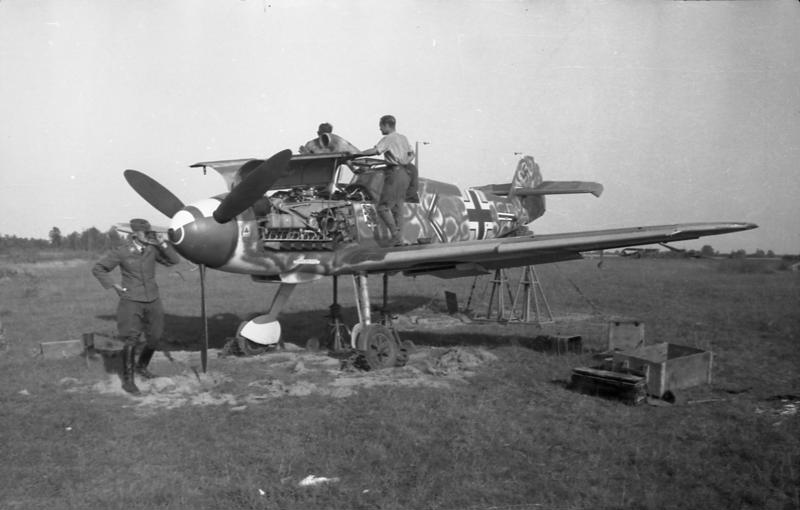
The turbulent 20th century—particularly the world wars—left their marks on Lake Balaton as well. It’s believed that various military equipment, wrecks, and even aircraft debris connected to wartime events could be lying beneath the surface.
Although many crashed aircraft were quickly recovered and stripped for parts after the wars, as fighting intensified, more and more aircraft were left behind beneath the water.
To date, more than 40 aircraft wrecks have been recovered from Lake Balaton. These include German, Soviet, and American types. The most recent major recovery took place in October 2023, when the remains of a Hungarian-made Me 109 fighter were lifted near Akarattya.