


The Tiszazug poisoners – Hungary’s darkest criminal mystery

Change language:
By Brigitta Kármán, HellóMagyar
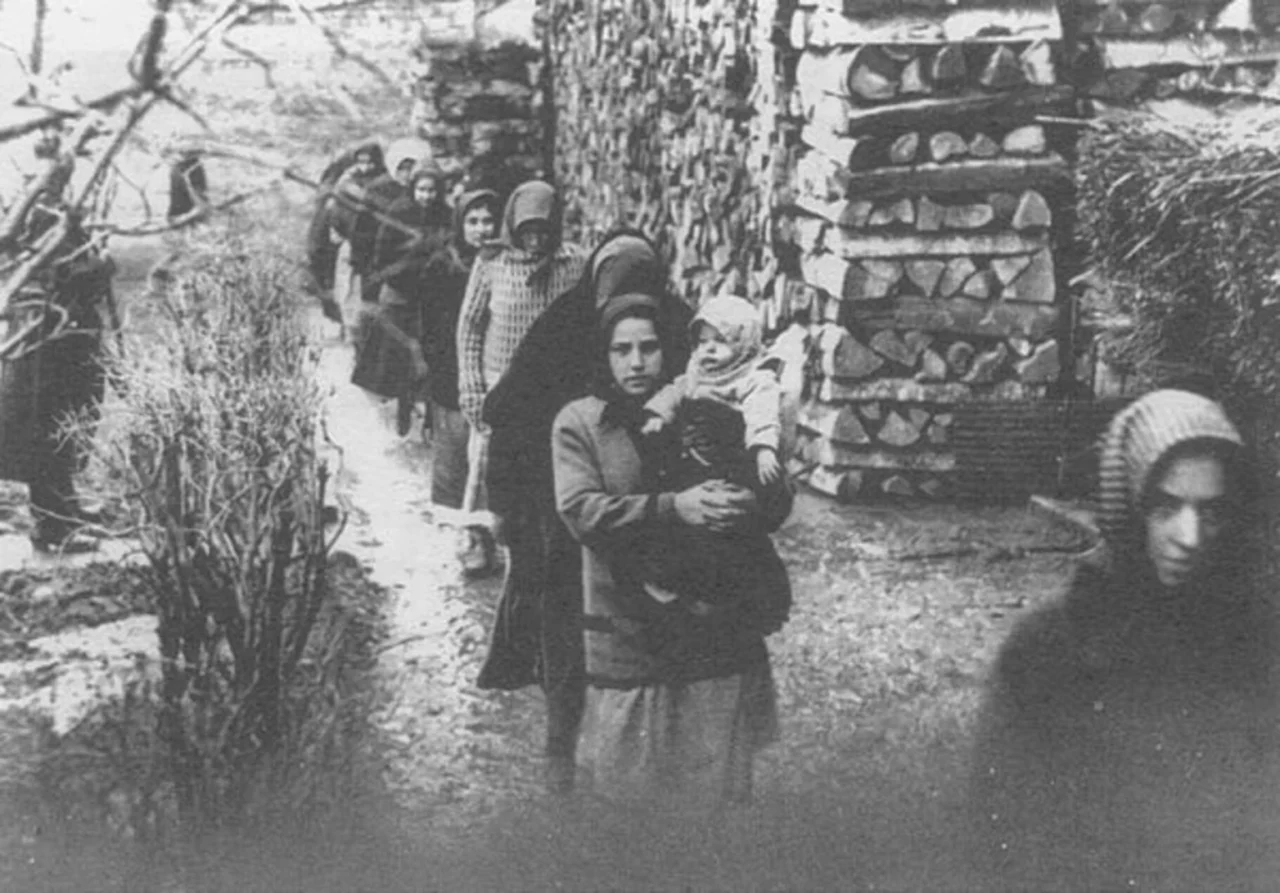
In the Tiszazug, a remote and impoverished region of Hungary, a gruesome series of murders took place between 1911 and 1929. The villages concerned, especially Nagyrév, became home to women known as ‘poisoners’, who used arsenic to kill their families. The case shocked not only the country but also the world and is still considered one of the biggest Hungarian criminal scandals.
The background to the murders
Tiszazug was an isolated, agricultural region characterised by poverty and social isolation. After the First World War, the returning husbands were often violent and crippled, which aggravated the situation of the families. For the women in the villages, midwife Gyuláné Fazekas Oláh Zsuzsanna offered a ‘solution’. Mrs Fazekas discovered that arsenic soaked out of flypaper could be used as a deadly poison. She sold her “fly water” in vials to women who wanted to get rid of their unwanted husbands or other pregnant family members.
The targets of the poisonings were mostly abusive husbands, elderly or sick relatives and disabled children. Arsenic was easy to obtain and use: as a colourless, odourless substance, it could easily be mixed into food or drinks. Murders were often motivated by economic interests or personal revenge.
How they got caught
The killings remained hidden for a long time because of the tacit acceptance of the local community. In 1929, the authorities were alerted by anonymous letters accusing the women of murder by poisoning in Nagyréve. During the investigation, dozens of bodies were exhumed and large quantities of arsenic were found in the victims’ bodies. Investigations have proved the deaths of at least 162 people, but some estimates put the number of victims as high as 300.
The role of Gyuláné Fazekas
The role of Gyuláné Fazekas was a central figure in the poison mixing. Her charismatic personality built trust with local women, who often turned to her for advice and help. When the gendarmes tried to arrest her in 1929, she ended her life with a cattle prod, thus escaping justice. After his death, however, several women testified against him, confirming his leadership in the case.