Subscribe to our social channels to get the latest news about Hungary!


In the latest episode of Fintech Világa on TrendFM, Márton Suppan and András Érczfalvi sat down with Adrián Farkas, president of the Association for the Employment of Filipino Workers in Central Europe, to discuss the growing presence, socioeconomic impact, and future of Filipino guest workers in Hungary.
Currently, over 8,000 Filipino guest workers are employed across various sectors in Hungary, including the automotive, tourism, and agricultural industries. The association comprises ten founding members, including major players in logistics, tourism, and food processing. The Philippines, made up of 7,641 islands and home to 116 million people, boasts a young and active workforce that fuels this overseas labor model.
The deployment of Filipino workers abroad is governed by a strict, 40-year-old state-run system led by the Department of Migrant Workers, ensuring their legal and safe employment overseas. Only accredited employers are allowed to recruit guest workers, and Hungarian ministry representatives also monitor operations to prevent illegal recruitment and exploitation.
The automotive sector has the highest demand for Filipino labor, largely to ensure continuous staffing for manufacturers and their suppliers. Tourism—particularly hotels and catering—and agriculture, such as melon and vegetable farming, are also key areas. Demand is growing in several other sectors, especially where finding Hungarian workers is difficult.
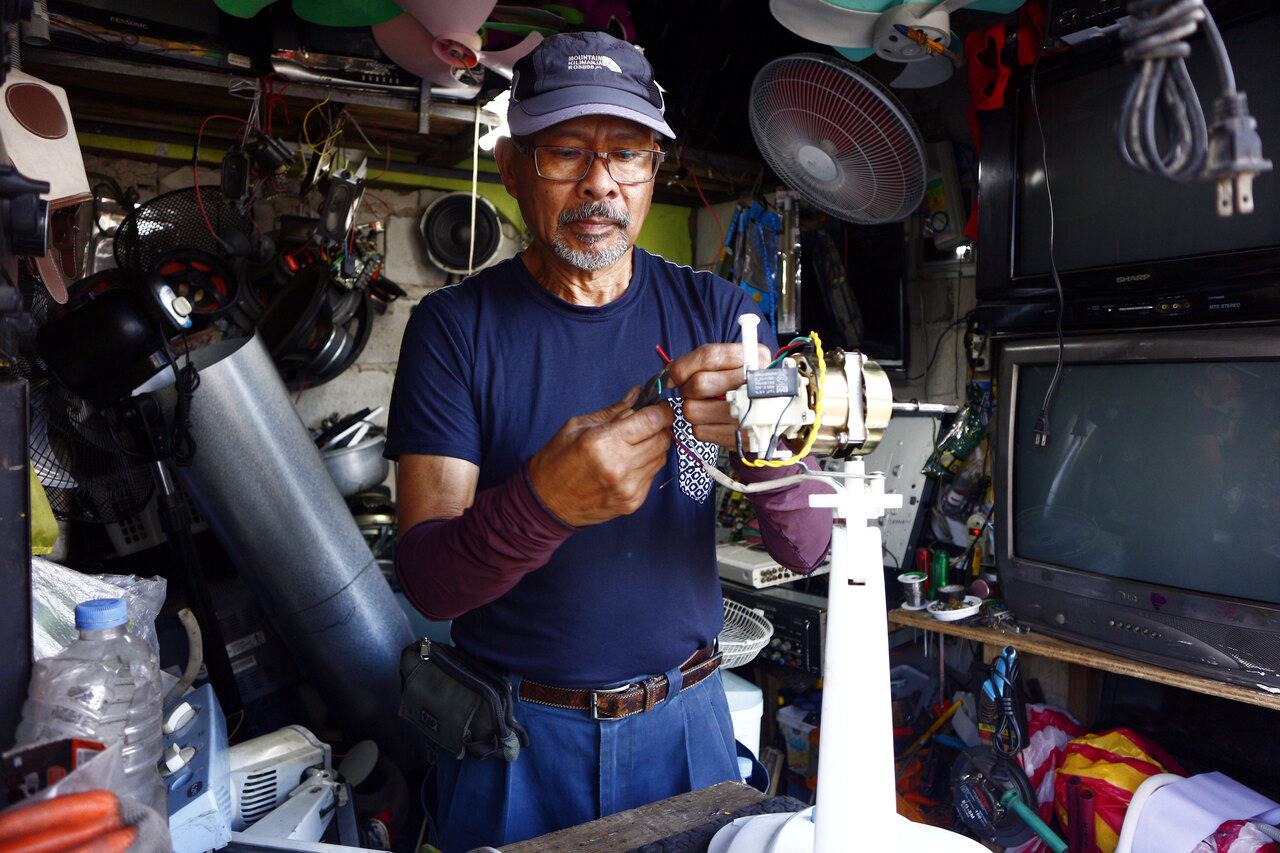
Farkas Adrián stressed the distinction between “migrants” and “guest workers,” emphasizing that the latter come intentionally to work and contribute value, rather than rely on social benefits. Yet, they face significant everyday challenges. Opening bank accounts is complicated, with card delivery sometimes taking 20–25 days. During this period, workers must cover rent and living expenses without full financial access, creating a need for supportive financial solutions—such as loans from Filipino banks—to ease this transitional phase.
Travel is another hurdle. Flying from the Philippines to Hungary can take 24 to 48 hours with multiple layovers, and employers are responsible for covering these high transportation costs. Internet access is crucial for these family-oriented workers who often spend hours daily staying connected with loved ones. Extended separation can take a toll, triggering homesickness and mental strain, prompting the association to offer medical and lifestyle counseling support.
One of the association’s core missions is combating illegal recruitment, as many recruiters charge excessive fees for foreign job opportunities—placing workers in vulnerable situations even before departure.
A fintech-based solution package called Peak Overseas Connect provides Filipino guest workers with tools to navigate their new lives more easily. It includes a European bank account, debit card, international transfers, data plan, local phone number, and AI-powered language assistance. Targeted at banks, staffing agencies, and employer platforms, the service aims to integrate into existing systems and ease day-to-day operations for guest workers.
Cultural compatibility also plays a role in successful integration. Both Filipinos and Hungarians are predominantly Christian—mainly Roman Catholic—a legacy of the Philippines’ Spanish colonial past. Shared faith, English language proficiency, and social activities like basketball and karaoke support the cultural transition.
According to Farkas, Europe may attract up to one million Filipino guest workers over the next 5–10 years. A competitive race is already underway among Central European countries to draw this workforce. Hungary eased guest worker regulations in 2022, and several neighboring nations have signed strategic labor agreements with the Philippines. Beyond filling labor shortages, Filipino guest workers enrich Hungary’s cultural landscape. Despite the challenges of labor market integration, the outlook remains optimistic.
To read or share this article in Hungarian, click here: Helló Magyar
Read more guest worker-related stories on Daily News Hungary!
Read also:


