Subscribe to our social channels to get the latest news about Hungary!


Five countries, five distinctive dishes that showcase the rich culinary heritage of the Carpathian Basin. Our selection highlights traditional recipes that have flavoured everyday life across generations throughout the region. Check out our traditional dishes selection from the Carpathian Basin below.
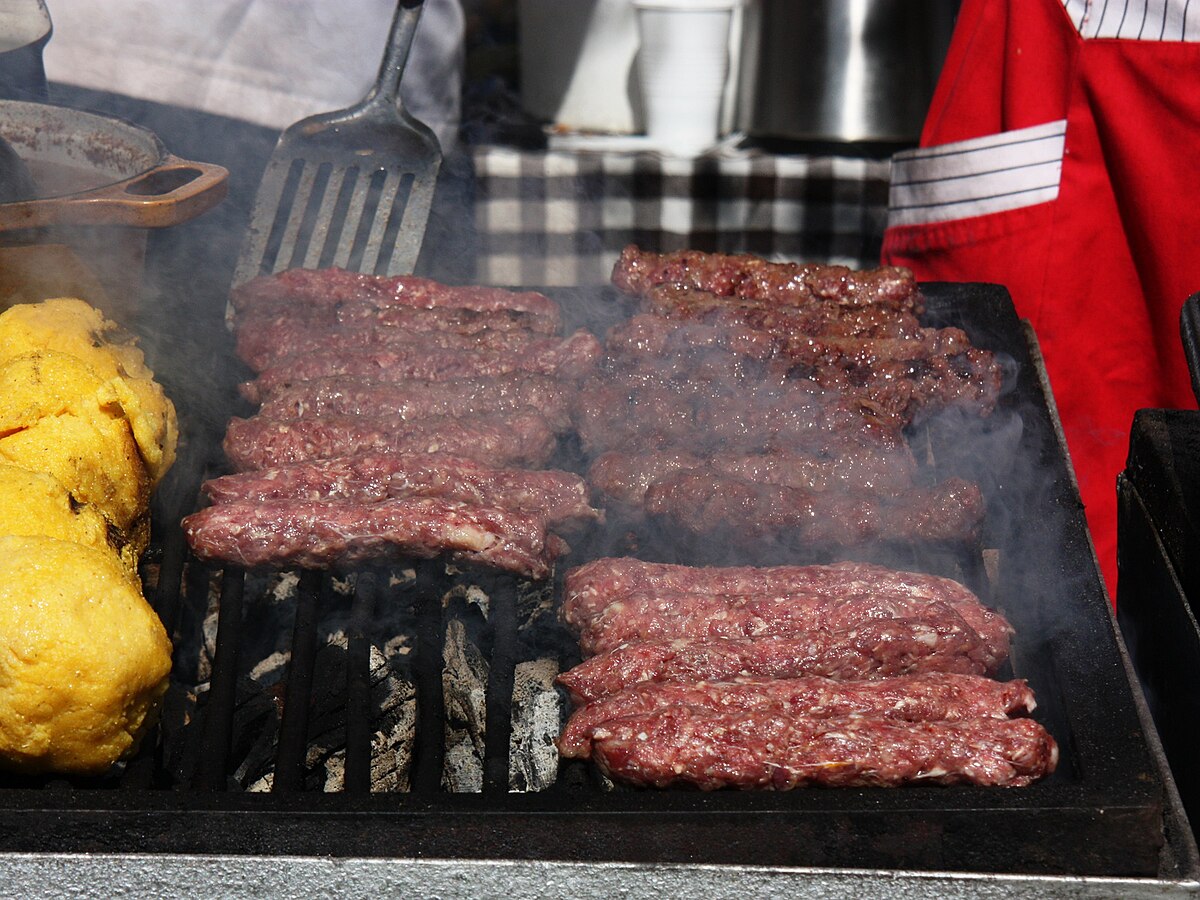
If you’re visiting Romania, you’re bound to come across mici (in Romanian, mititei or mici)—small, grilled meat rolls packed with spices. Made from ground meat seasoned with garlic, pepper, cumin, and a touch of baking soda, they’re both flavorful and tender. Though mici are originally Romanian, they’ve become a staple in neighbouring areas like Transcarpathia, especially popular during backyard summer cookouts. Best enjoyed with fresh bread and mustard.
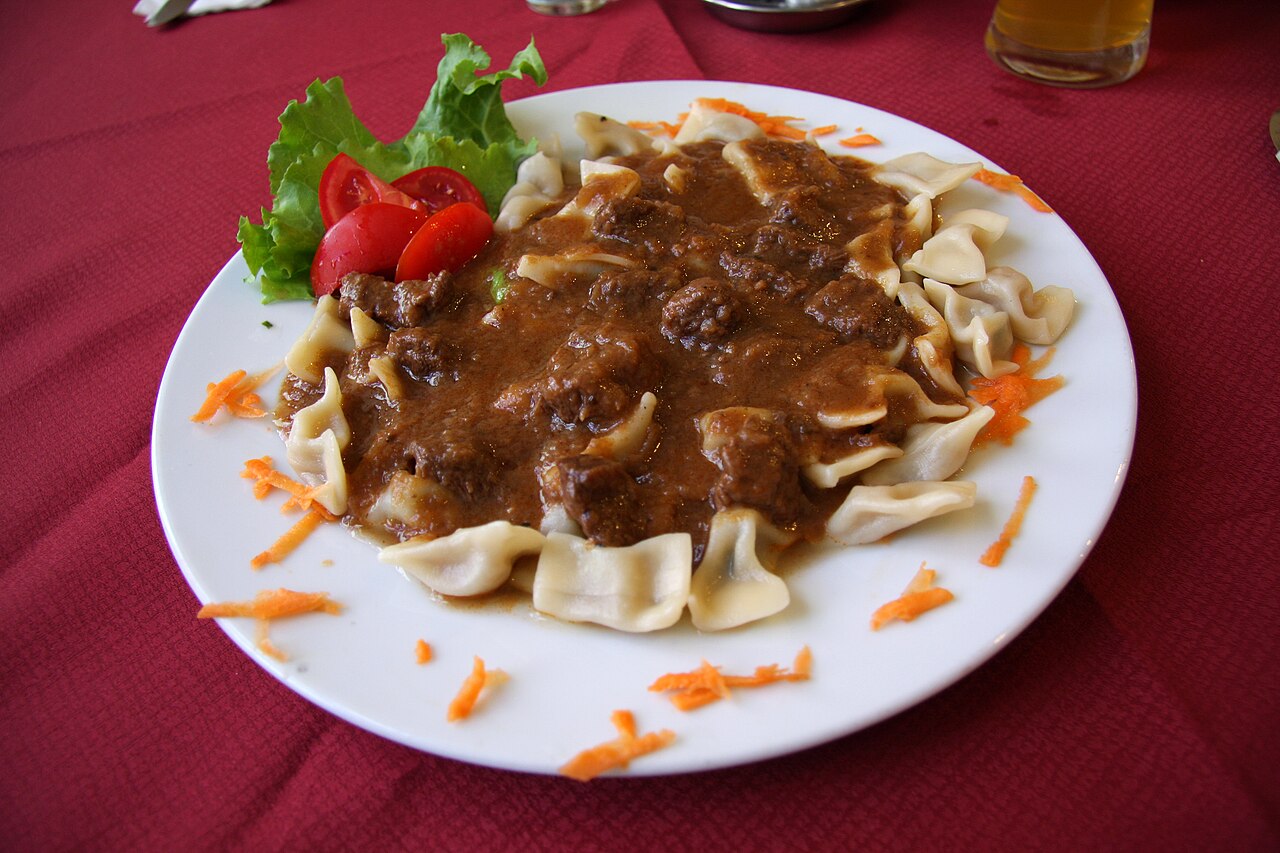
The Idrijski žlikrofi (Idrija-style dumplings) are a traditional, handmade Slovenian stuffed pasta that holds a special place among the gastronomic treasures of the Carpathian Basin. These small half-moon dumplings are typically filled with seasoned minced meat and either steamed or boiled. A serving of zlikrofi is usually dressed with butter or sautéed bacon and onions, offering a rich and comforting flavour despite its simplicity.
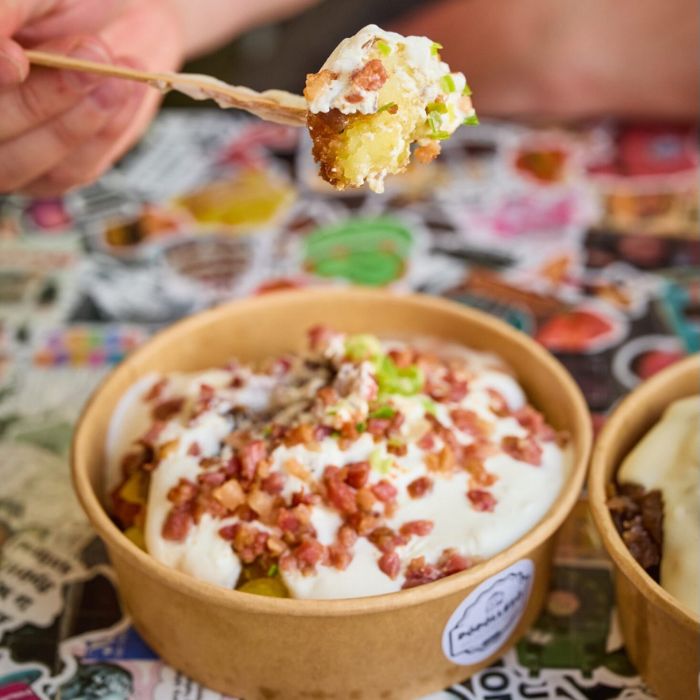
Alongside classics like lángos, goulash soup, or túrós csusza, dödölle is a must-try for anyone seeking a true taste of Hungarian cuisine. This humble dish is deceptively delightful: a hearty mix of potatoes and flour brought to life with sautéed onions and a dollop of rich sour cream. Simple yet deeply flavorful, it exemplifies the honest charm of traditional Hungarian peasant cooking.
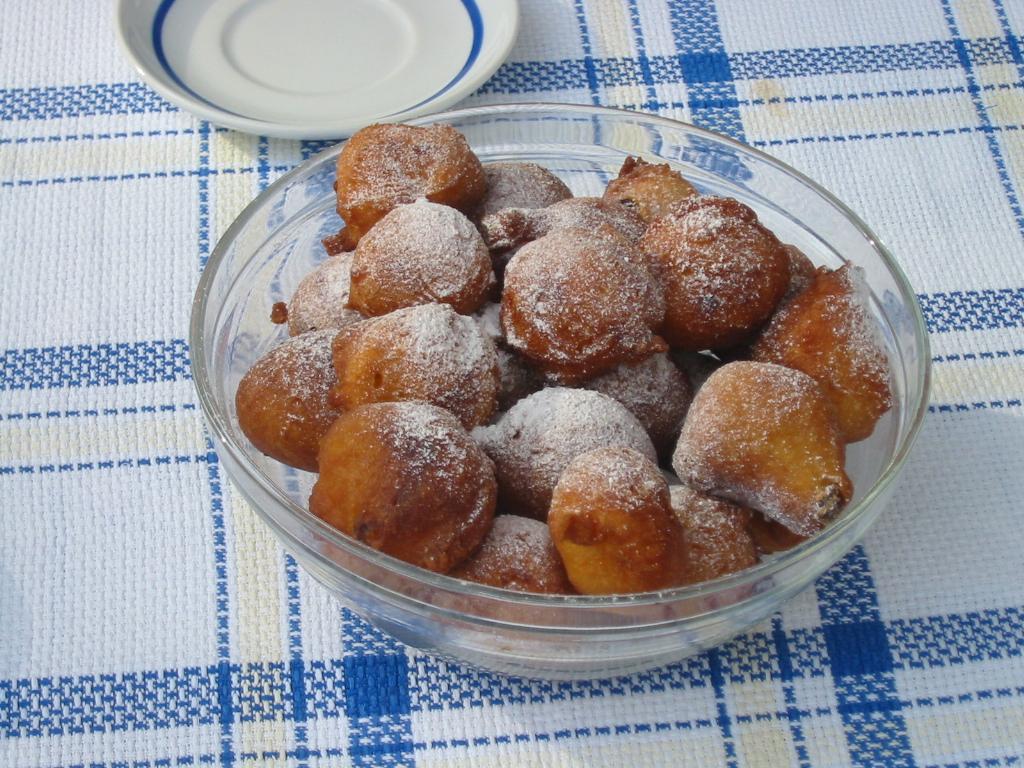
A beloved sweet treat in Croatian cuisine, fritule are bite-sized doughnuts, golden and crispy, with roots tracing back to Venice. Though Italian in origin, fritule have long been an integral part of food culture along Croatia’s Dalmatian coast. Often flavoured with raisins or lemon zest and dusted with powdered sugar, they’re popular during holidays or as an everyday indulgence. This little dessert beautifully showcases how Mediterranean and Balkan flavours come together in the region’s culinary tapestry.
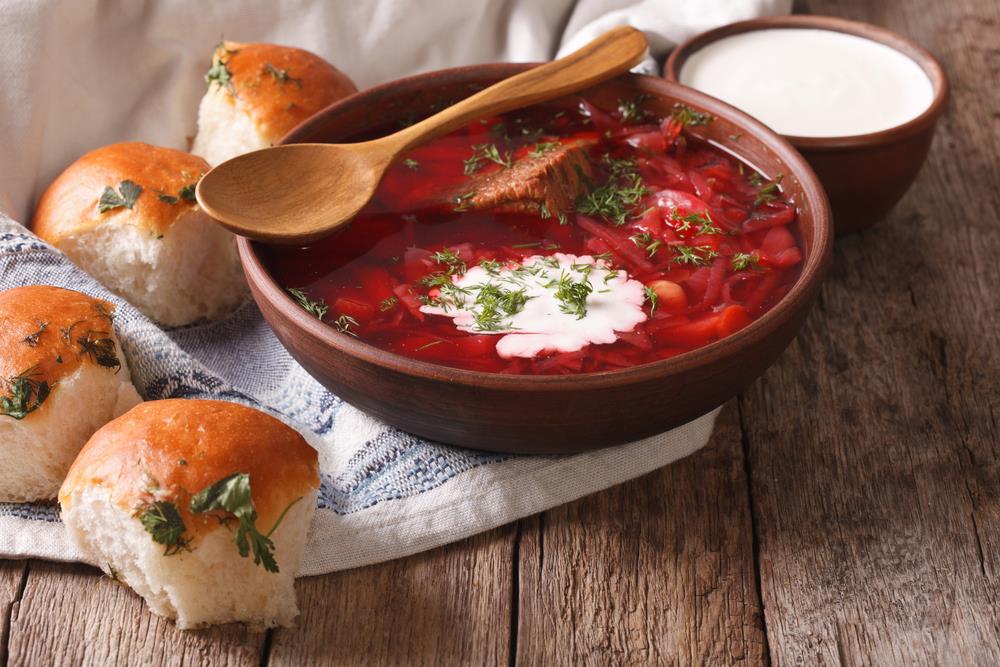
Borscht is a hearty beet-based soup enriched with cabbage and carrots, cherished across Eastern and Central European Slavic cuisines. Its deep and complex flavours come from fresh vegetables and tangy sour cream, making it a beloved staple at family gatherings in Ukrainian, Russian, Polish, and Rusyn households. It remains a go-to dish for festive occasions and welcoming guests.
In the Carpathian Basin, culinary borders are often blurred, as dishes travel across regions and evolve along the way. Mici, for example, originated in Romania but are now common in Transcarpathian kitchens—much like the Croatian ćevapi, beloved throughout the Balkans. As these dishes cross borders, they pick up local twists but still hold onto their original character—one reason they’ve endured for generations.
Featured image: collage using images from the article and Wikimedia Commons.
Click for more gastronomy news.
Read also:
To read or share this article in Hungarian, click here: Helló Magyar


