Subscribe to our social channels to get the latest news about Hungary!


One of the most well-known items on display at Chicago’s Field Museum is a Bronze Age sword found in Hungary, long believed to be a replica—but recent analyses have revealed it to be a genuine 3,000-year-old artifact.
Archaeologists from Hungary originally discovered the sword in the 1930s in the Danube River near Budapest, but during its shipment to the United States, it was mistakenly labeled a copy.
The breakthrough came thanks to an archaeologist from Hungary, who was involved in curating the museum’s upcoming exhibition, First Kings of Europe, who began to suspect the sword might be authentic.
Field Museum experts conducted a material analysis using X-ray fluorescence (XRF), determining that the alloy—composed of copper, tin, and trace elements—perfectly matches that of weapons from the Late Bronze Age, dating roughly between 1080 and 900 BCE, according to Ancient Origins.
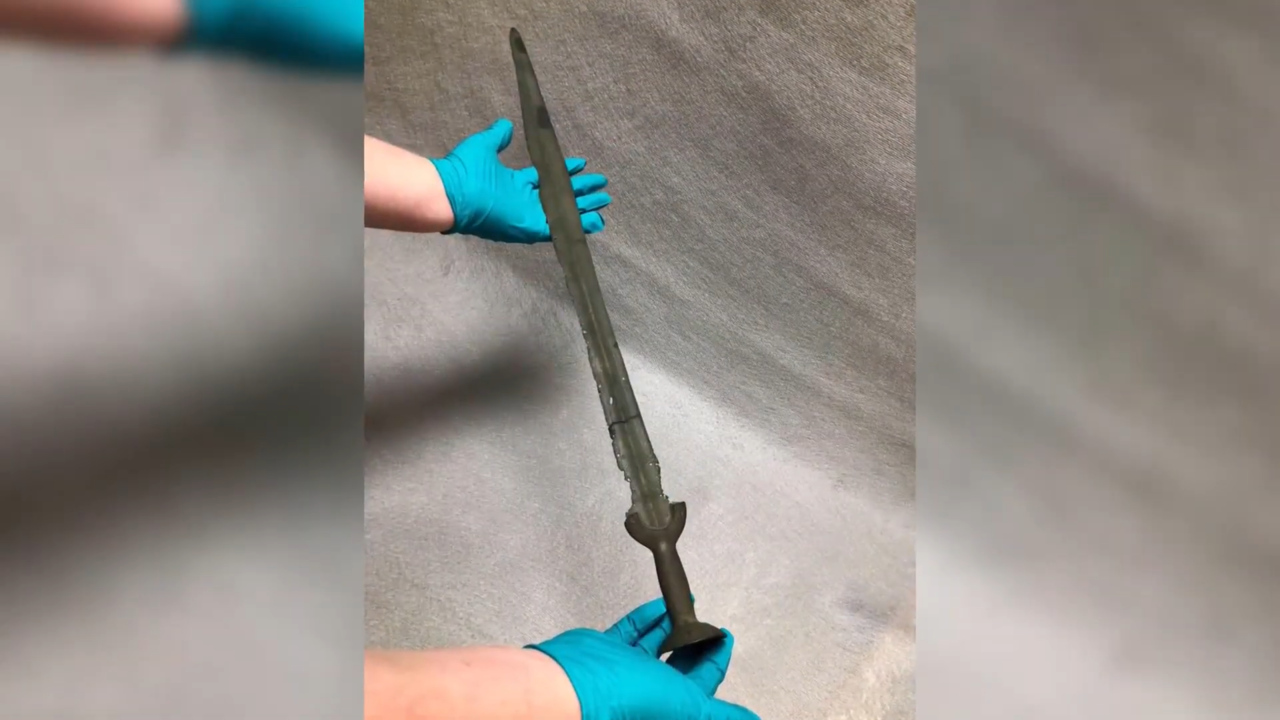
This discovery not only rewrites the story of the sword itself but also highlights the cultural richness of the Bronze Age Carpathian Basin. According to archaeologist Gábor Szabó of Eötvös Loránd University, Late Bronze Age communities in the region “produced perhaps the most vibrant and populous assemblages” of the pre-Roman era.


