


Hop on Budapest’s nostalgia vehicles this summer!

Change language:
Every weekend from late April to October, Budapest transforms its public transport into a moving museum, inviting locals and visitors alike to experience the city’s rich transport heritage through a series of nostalgic rides.
Organised by the Budapest Transport Centre (BKK) in cooperation with BKV, these special services feature historic trams, trolleybuses, and buses that once formed an integral part of the city’s daily life, now lovingly restored and put back into service for leisure travel.
The nostalgic fleet includes iconic vehicles spanning over a century of Budapest’s modern transport history, showcasing both wooden-framed and steel-framed trams, as well as open-top cabrio buses.
These vehicles traverse some of the city’s most picturesque routes, offering passengers not only a unique travel experience but also stunning views of Budapest’s landmarks and natural beauty.
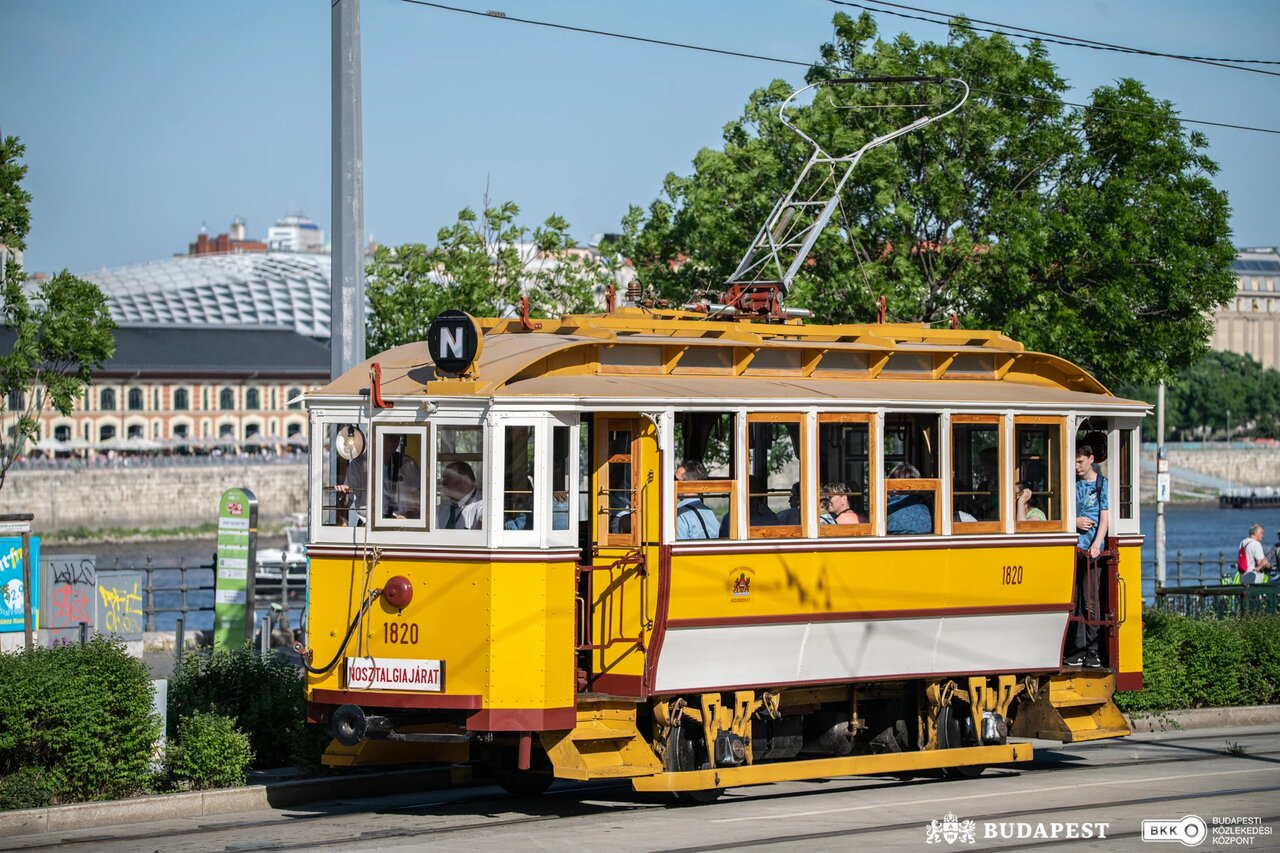
Among the highlights is the N2 tram, running along the Pest side of the Danube, where passengers can admire sights such as the Hungarian Parliament, the Chain Bridge, and the panoramic vistas of Buda Castle and Gellért Hill.
On Saturdays, this route offers a charming glimpse of the city’s riverside. The N19 tram operates on Sundays along the Buda riverbank, passing by famous baths, historic buildings, and green parks, culminating near the Clark Ádám Square, close to the Buda Castle funicular.
For those seeking an open-air experience, the N109 cabrio bus allows exploration of Budapest’s attractions under the sky, while the special N4 bus, running on weekends, connects Erzsébet királyné útja through Andrássy Avenue to the Zugliget Chairlift, offering a scenic route across the city.
Additional special services in July
July brings additional special services, including the operation of the N60 cogwheel railway, a historic line over 150 years old, which runs between Városmajor and Széchenyi Hill.