


“It takes two to tango” – Croatia ready to support Hungary’s energy goals, says Ambassador Mladen Andrlić
Change language:
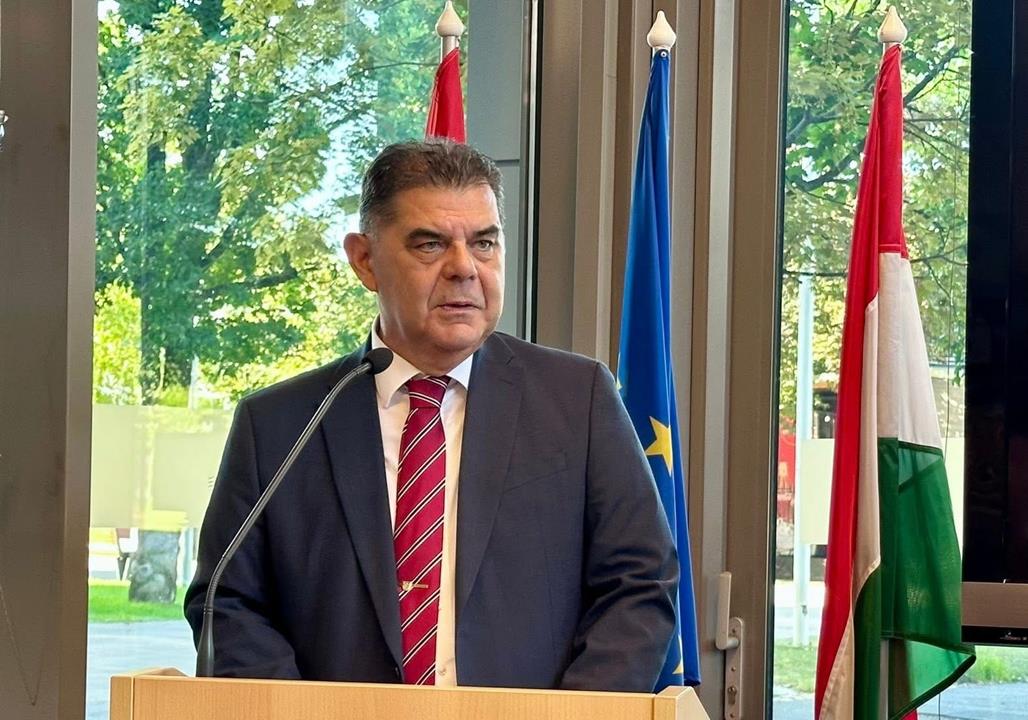
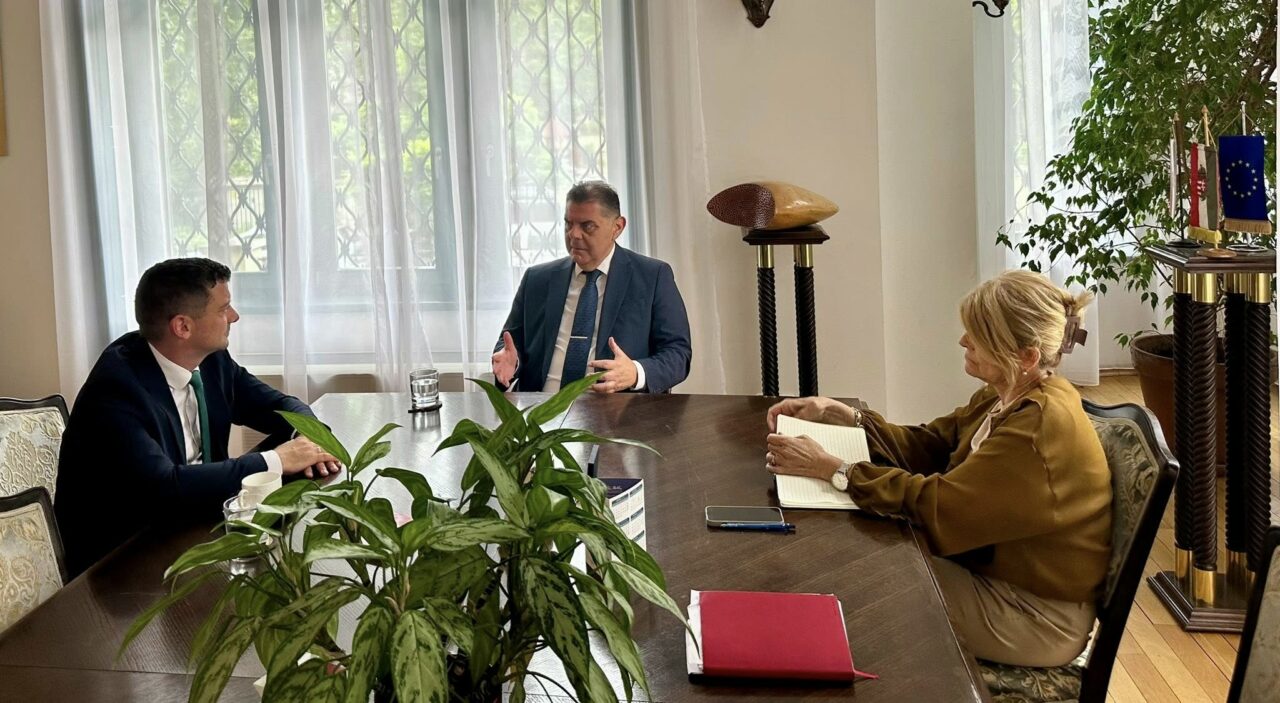
In a candid conversation with Daily News Hungary, H.E. Mladen Andrlić, Ambassador of the Republic of Croatia to Hungary, reflects on centuries of shared history, the vibrant present-day partnership between the two nations, and the growing potential for deeper collaboration. From border security to tourism, energy to cultural heritage, Ambassador Andrlić highlights both the achievements and opportunities that define the Croatian–Hungarian relationship. With humor, sincerity, and strategic foresight, he underscores one essential truth: regional cooperation can only thrive when both sides move in sync.
Interview with Ambassador Mladen Andrlić
DNH: Your Excellency, you have been serving in Hungary for some time now. What has been your personal experience with the Hungarian people?
H.E. Mladen Andrlić: We are neighbors, with a history of living together in a common state for nearly a millennium. This special connection continues to be reflected today, while both being the EU and NATO member states, in everyday interactions of our citizens and among professionals across various fields.
DNH: How do you see the development of Croatian–Hungarian relations in recent years?
H.E. Mladen Andrlić: Our relations are stable, yet dynamic. A number of small and medium-sized enterprises operate competitively in both the Hungarian and Croatian markets, often achieving notable results. Of course, the backbone of our collaboration remains in the sectors of energy and tourism.
Let me mention that there is a stable and relatively well-balanced framework of relations, where the Hungarian surplus in the energy sector has been balanced by Croatian tourism revenues.
DNH: What challenges do you see regarding the security of the border regions, and how do the two countries cooperate in this field—be it in terms of migration or cybersecurity?
H.E. Mladen Andrlić: Our two countries are effectively addressing a range of challenges, including illegal migration and issues related to cybersecurity. I must emphasize the strong and effective cooperation between our Ministries of Internal Affairs, which work closely together on a daily basis.
As a result, these challenges are being successfully reduced through well-designed and well-implemented prevention and other security measures. Another important fact is that Croatia has joined the Schengen system, which has significantly improved the management of these issues along our shared border with Hungary.
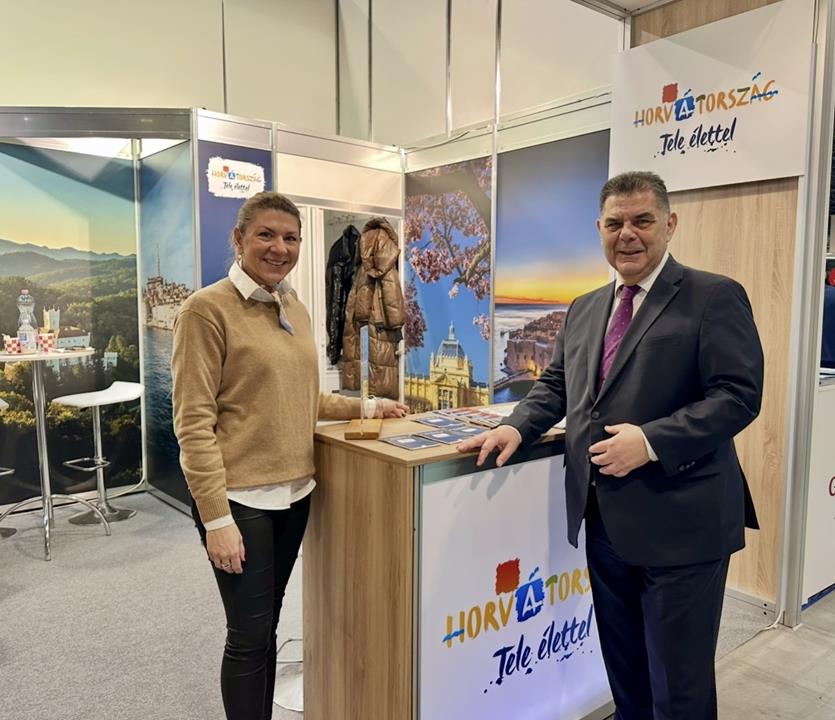
DNH: Croatia remains the most popular seaside destination among Hungarian tourists. What are currently the top destinations for Hungarian travelers, and what kind of visitor data do you expect for this year?
H.E. Mladen Andrlić: Croatia continues to be the most popular seaside destination for Hungarian tourists. So far this year, nearly 300,000 Hungarian visitors have traveled to Croatia, generating approximately 1.2 million overnight stays. Compared to the same period last year, this represents a slight decrease of around 1–2%.
As in previous years, the most visited regions are Kvarner and Istria. The top destinations among Hungarian travelers include Crikvenica, Rovinj, Vir, Opatija, and Poreč. Based on current trends, we expect similar overall figures for the entire year, with stable interest from Hungarian tourists in Croatia’s coastal destinations.
DNH: More and more Hungarians are eager to explore Croatia beyond the coastline. In your opinion, what are three lesser-known but special places in Croatia that are worth visiting?
H.E. Mladen Andrlić: I would mention Slavonia and Baranja, as exceptional gastronomic destinations with hospitable people, as well as Lika with its exceptional natural beauty of mountains, rivers and lakes. I think the nortnern Croatia remains of a particular interest for Hungarians, since it is geographically very accessible, where they can find a great trace of our shared history, e.g. the Međimurje Museum in Čakovec, located in the old town of the Zrinski/Zrinyi family. All the above mentioned regions are an excellent choice for a weekend stay in Croatia, but also as a stopover destination on the way to the coast.
DNH: For Hungary, Croatia is not only a favorite holiday destination but also an important energy and transport partner. In recent years, there have been discussions about reducing Hungary’s energy dependence—especially on Russia—through routes via Croatia. Do you see potential in this, and what role could Croatia play?
H.E. Mladen Andrlić: It is well known that Croatia and the routes passing through it are ready to play a more important role in addressing some of Hungary’s energy-related challenges.But, you need two for tango!
The transports through Croatia has been thoroughly examined on multiple occasions. Thus, we hope the both sides are gradually approaching a point where the already established technical facts it will be fully acknowledged, i.e. that there is a secure and reliable corridor through Croatia, from the Adriatic coast to the Hungarian border, and further to the oil refineries in both Hungary and Slovakia.
We beleive that this remains a strong foundation for further cooperation, not just in terms of political communication, but through concrete, economically viable and business-oriented partnerships.
DNH: Transport infrastructure between the two countries is continuously developing. A new motorway connection between Southern Hungary and Croatia is expected to be opened in September. What are your expectations regarding this development? What kind of economic or tourism impact do you foresee?
H.E. Mladen Andrlić: Each and every new transport route opens new opportunities. The same applies to the new highway route on the 5C Corridor, which connects Budapest and southern Hungary with Croatia and extends further into Bosnia and Herzegovina, ultimately leading to the port of Ploce at the Adriatic coast. This development represents a significant boost for both economic and tourism cooperation in the region, although the highway route through Bosnia and Herzegovina has yet to be completed.