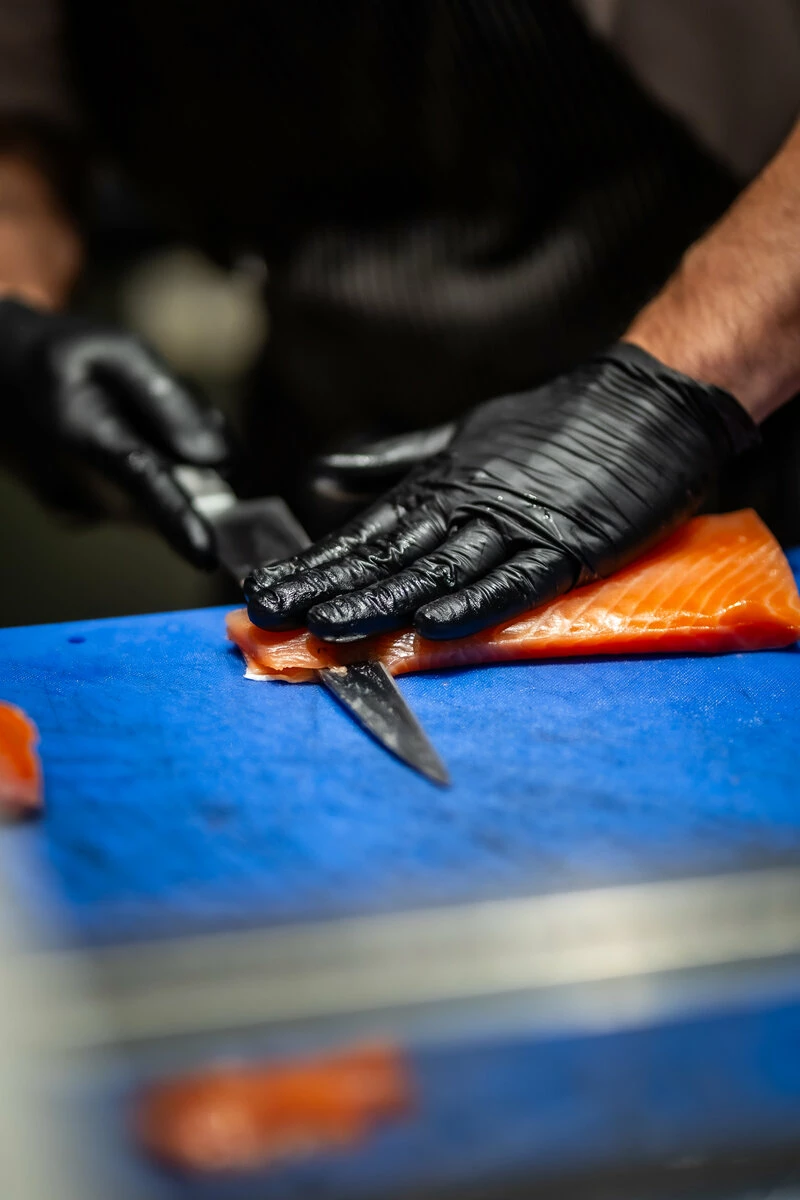
NOBU Budapest: The special place for sashimi mastery and Japanese culinary art

Change language:
Sashimi, one of the most refined dishes in Japanese cuisine, is no longer reserved only for die-hard fans of Far Eastern gastronomy. For years, NOBU Budapest has played a key role in promoting this sophisticated dining culture, where slicing raw fish is not merely a technique but an art form and philosophy. Here’s what makes authentic sashimi truly special, how a world-class chef works, and why NOBU Budapest has become the epicentre of premium Japanese gastronomic experiences in Hungary.
The story of NOBU
Over the past 30 years, Chef Nobu Matsuhisa has built an unparalleled high-end sushi empire. Today, NOBU has grown into a global brand, with locations stretching from Malibu to Manila, Beijing to Budapest. Founded by Matsuhisa, Robert De Niro, and Meir Teper, this iconic Japanese hospitality group now boasts an impressive collection of 60 restaurants, including 23 NOBU hotels worldwide. The brand celebrated its 30th anniversary last year, continuing to awe fans across the globe.
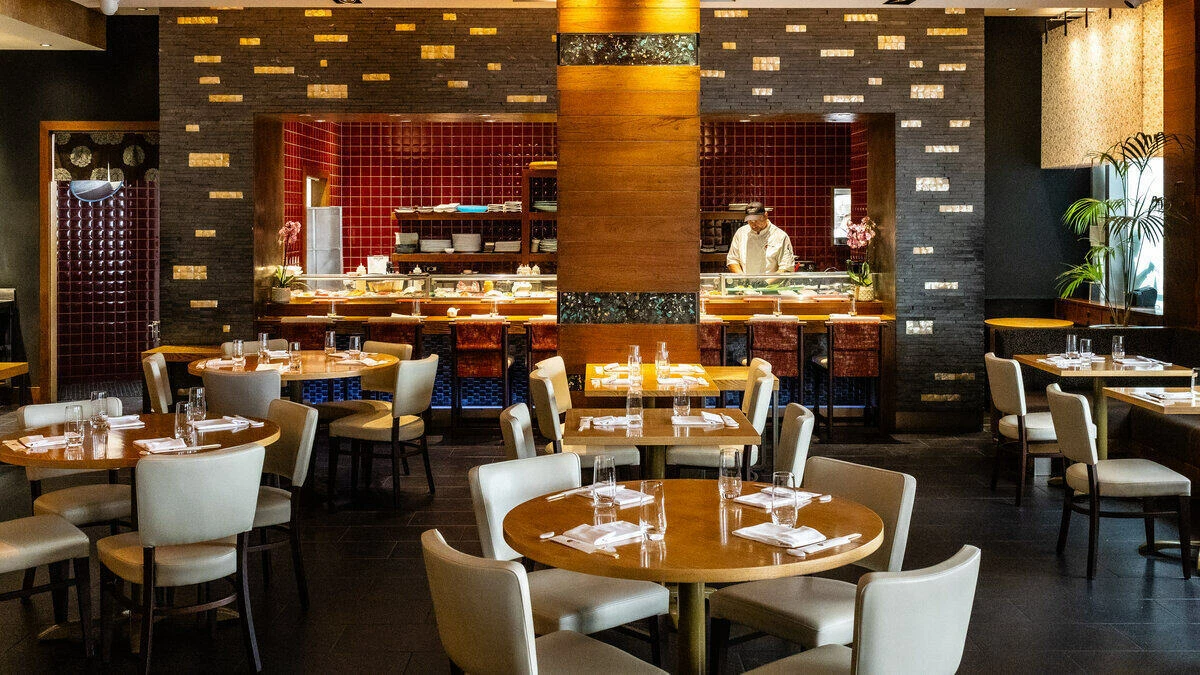
Sashimi in Hungary
Japanese cuisine lovers in Central Europe first got a taste of Nobu’s world-renowned specialties in Budapest when the local restaurant opened its doors in 2010.
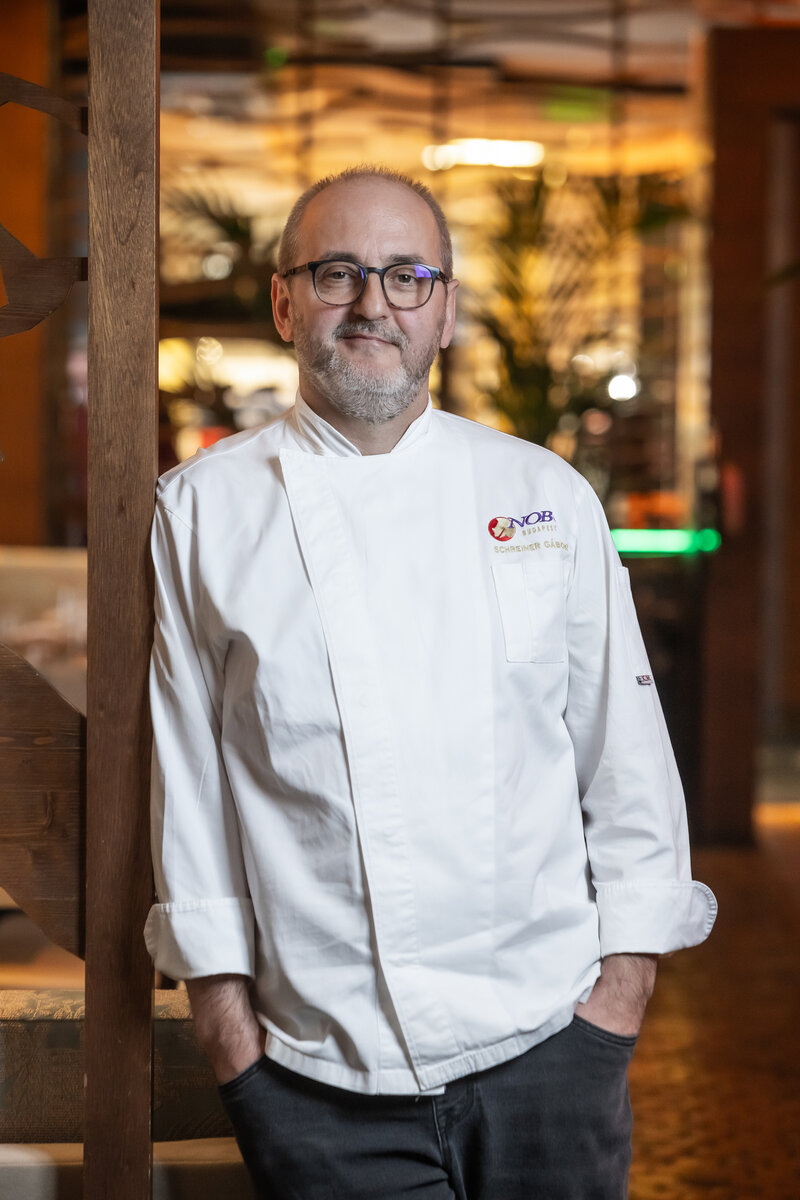
Executive Chef Gábor Schreiner decided at age six to become a chef. In the early ‘90s, he spent two years working in Germany, experiencing high-quality culinary standards. Upon returning, he worked for seven years at Vadrózsa, then one of the country’s top restaurants. He later joined Fuji, where he discovered and fell in love with Japanese cuisine. Schreiner has been with NOBU Budapest from the start, where he’s tasked with blending traditional Japanese flavours with the fiery, bold tastes of South America.
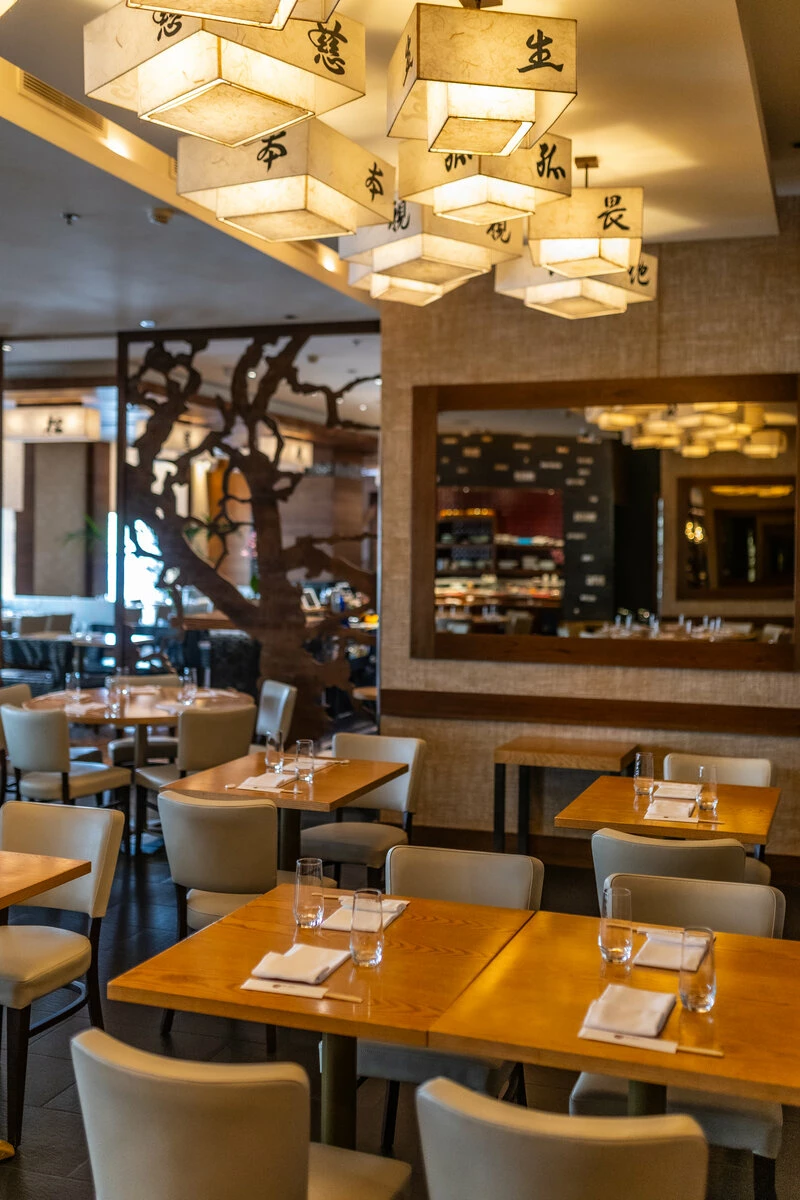
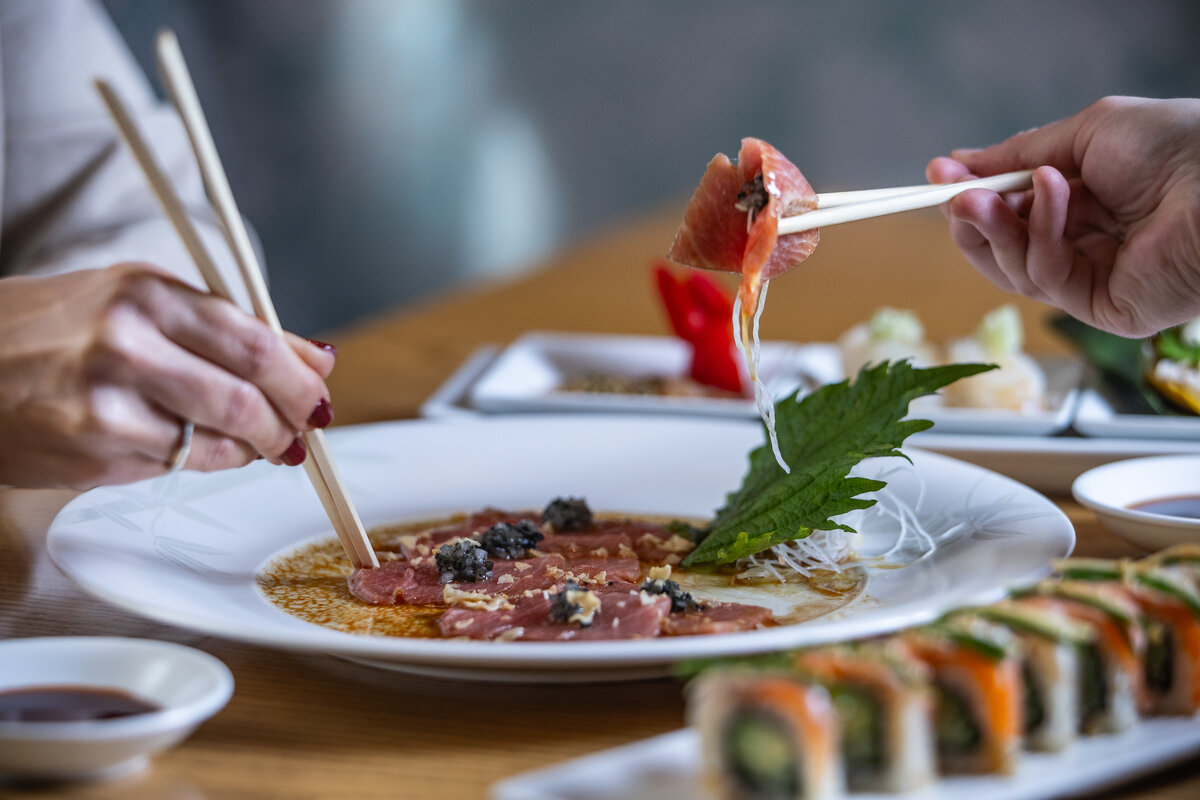
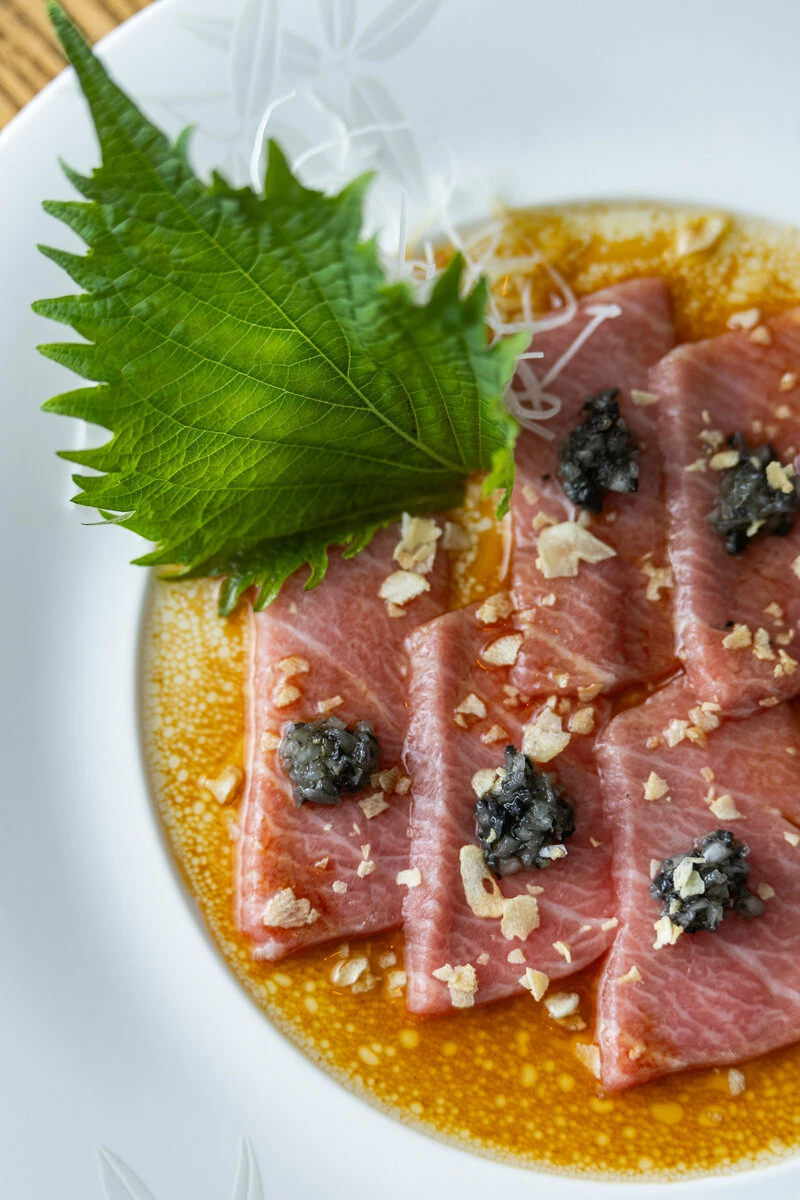
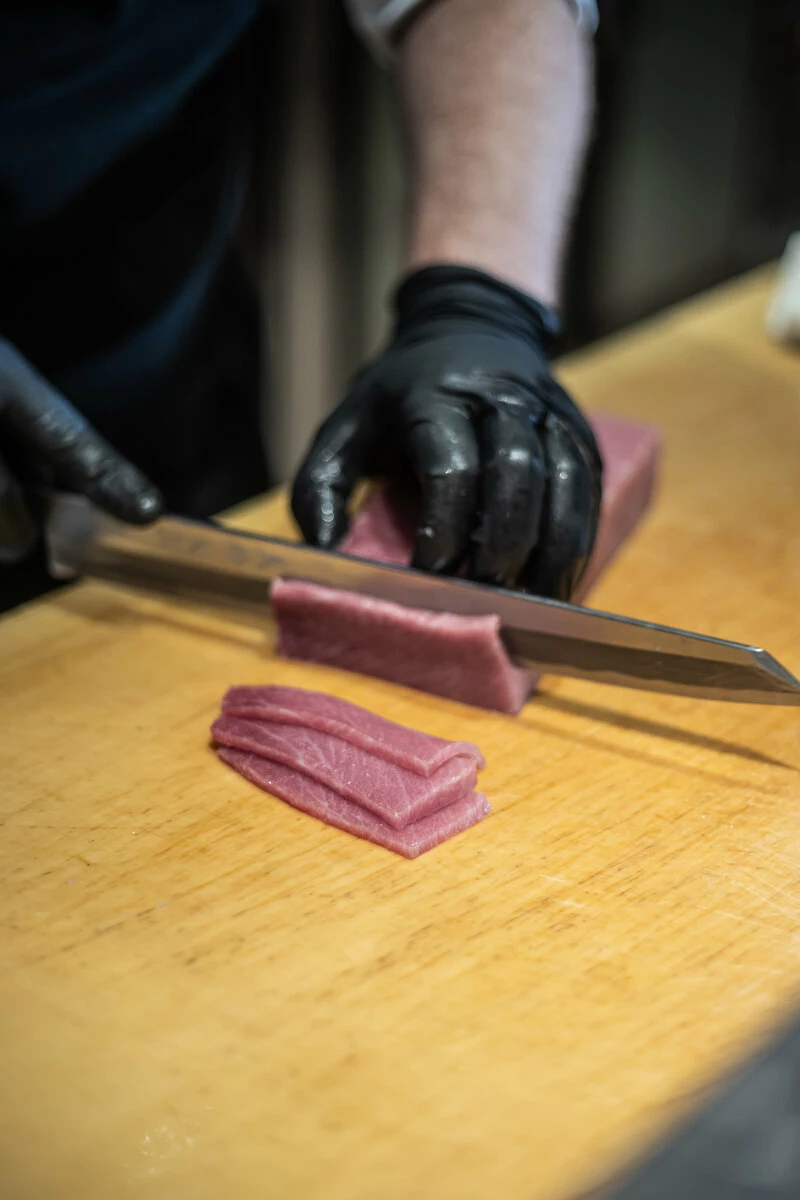
Sashimi—thinly sliced raw fish—has evolved from an exotic curiosity into a symbol of mindful, high-quality dining, even in Hungary. Its light, fresh yet complex flavour profile makes it a favourite, especially in summer, for diners seeking more than just a meal—they crave a culinary experience. Sashimi plays a central role in this: a pure expression of Japanese culinary philosophy. “Sashimi to me is the essence of gastronomy,” says Schreiner. “No sauces, no heat—nothing hides the ingredient. It’s all about the freshness of the fish, its texture, and the cutting technique.”
What makes great sashimi?
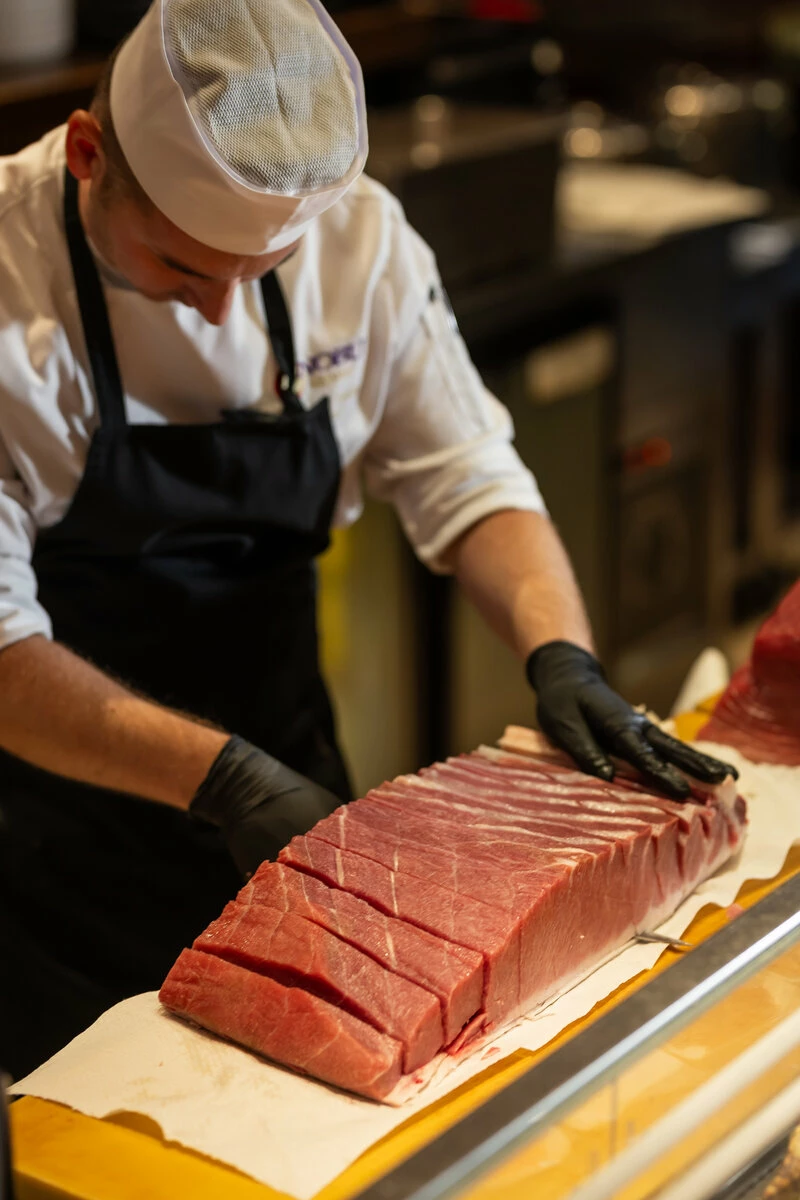
Top-quality sashimi is based on three strictly upheld principles: reliable sourcing, perfect bleeding of the fish, and chilled transport. According to Schreiner, you can’t produce an impeccable dish without these. NOBU Budapest receives fresh catches from around the world daily, ensuring consistently high standards. Sashimi is more than just raw fish slices—it’s a reflection of simplicity and balance. “Sashimi is not just a piece of raw fish; it represents purity and harmony. A well-prepared slice says more about a chef and their kitchen than anything else,” says Schreiner, who has over 25 years of experience in Japanese cuisine, mastering both the techniques and philosophy.