Subscribe to our social channels to get the latest news about Hungary!


No doubt, vintage will always be in vogue, whether it is cars, clothes or candies. We love to feel nostalgic and reminisce about the good, old times (or is it just the passage of years that makes us look back with rose-tinted glasses?). In our previous posts, we wrote about the most popular Hungarian retro snacks and even shared some homemade recipes. This time, we will reveal some lesser-known stories of how the nation’s favourite retro snacks got their names.
Some of the best conversations often start with the question: “do you remember”? Do you remember the times when we were counting our pocket money whether it was enough to get a Sport bar at the convenience store down the block? Do you remember that candy jar full of Negros that grandma always kept on the counter, which she firmly believed was the best medicine for sore throat? Do you remember the Sunday markets where we always begged dad to buy us some sticky Turkish honey, which only cost a couple of fillér back then? If these stories sound warmly familiar to you, you will probably enjoy this little retro snacks nostalgia trip. Let’s hop in the time machine and travel back a few decades!
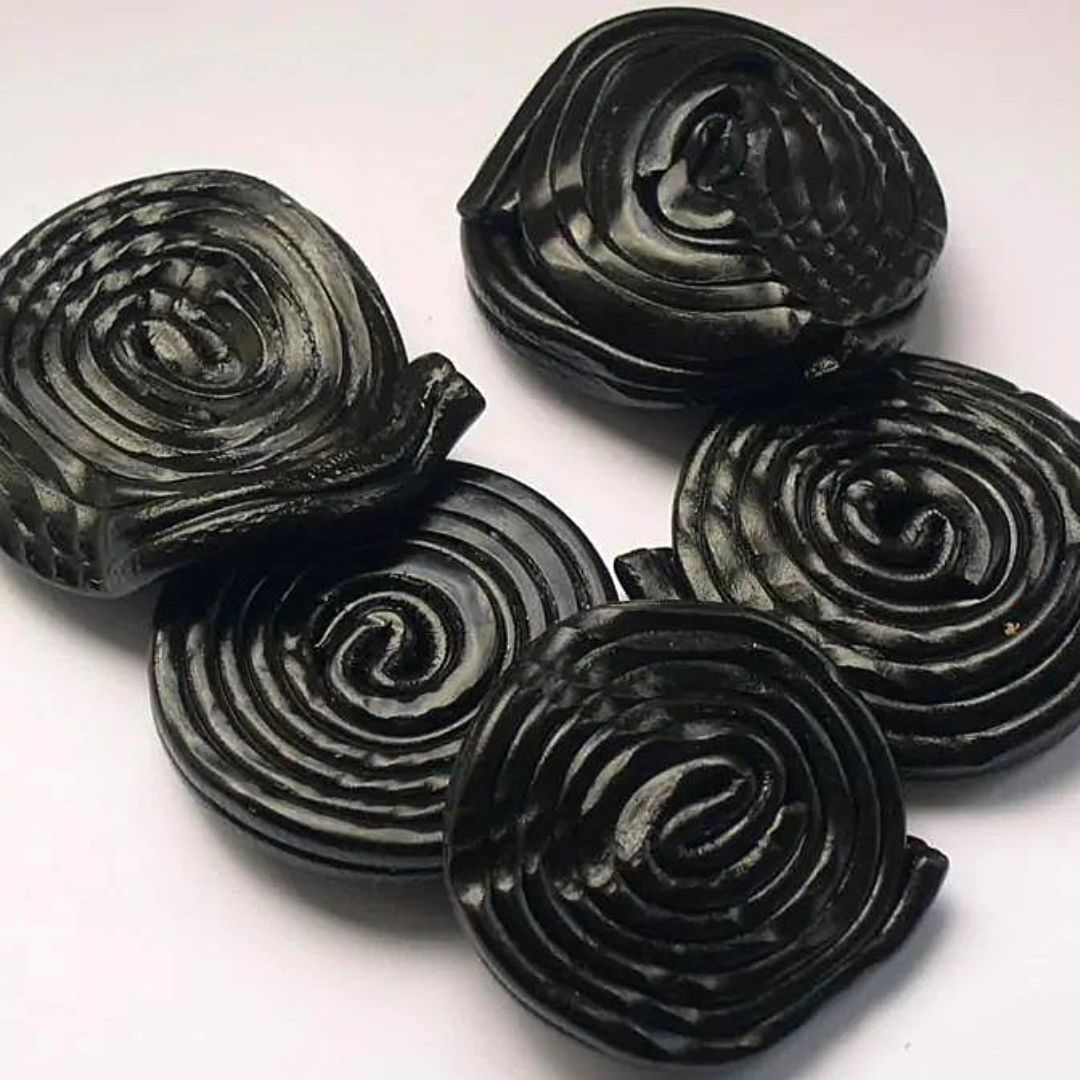
Translated as bear candy, this black, gooey Hungarian retro candy greatly divided people back in the day; some could not get enough of it while others would have rather bit in a slice of lemon just to avoid the weird, sticky texture of the candy. We hate to break it to you though but its name has nothing to do with cuddly teddy bears nor was it the favorite munchy of the grizzly living in the Carpathian Mountains. The name of this liquorice-based candy simply comes from the Hungarian translation of Bärenzucker as the Austrians called it.
Read more: Did you know?! – 5 interesting facts about the favourite Hungarian dessert, ’Túró Rudi’
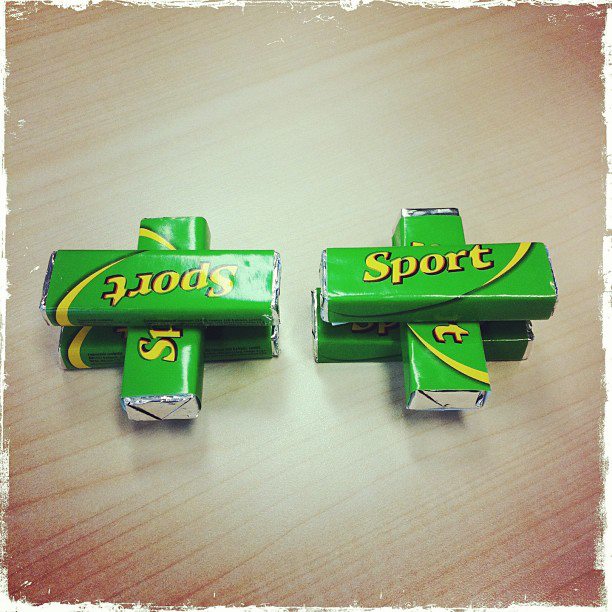
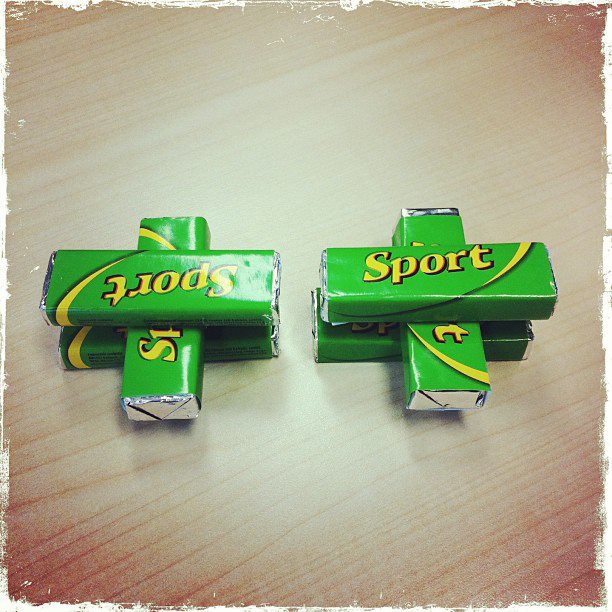
The Sport bar with its signature rum-cocoa flavour has been the favorite guilty pleasure of many generations even though with 70 years under its belt, this chocolate-y snack is well-considered an oldie. It was launched at the time the Ferenc Puskás Stadium (formerly known as People’s Stadium) was erected and it originally bore the name MHK Sport bar. MHK was the abbreviation of “Munkára, harcra kész!” (Be ready to work and fight!), the slogan of the Hungarian Communist Labour Party. So basically, our beloved Sport bar served as a covert tool in the past regime’s political propaganda campaign.
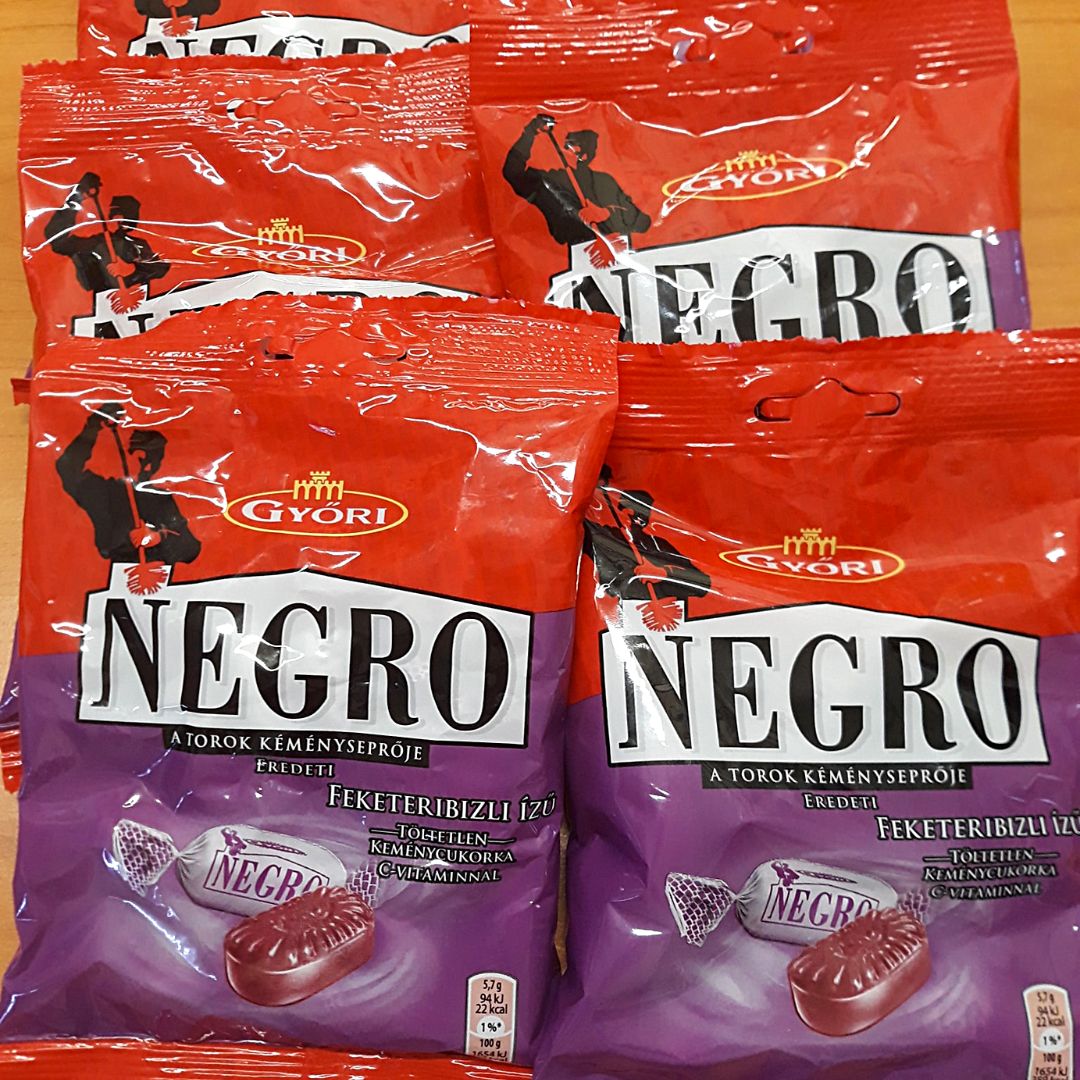
The name of this candy could easily stir up a racist scandal today. However, the inventor of the sweets, Pietro Negro (translates to Peter Black) was of Italian origin with no African roots. Also called the chimney sweeper of the throat, this menthol-flavoured candy contains active carbon, hence its black colour, and anise, giving off a slightly liquorice-like aftertaste. According to divany.hu, the candies were so popular that legend has it, even two famous Hungarian singers Jávor Pál and Katalin Karády would munch on some Negros to clear their throats before important gigs.
Once upon a time, when the Oreo fever was yet to reach the country, Hungarians would stuff themselves to the max with these yummy biscuit sandwiches filled with cocoa cream. But how did this beloved Hungarian retro snack get its name? There were many far-fetched speculations circulating when the biscuits first landed on the store shelves; some believed they were important food staples of the bomber aircraft pilots’ survival kit during WWII. However, it is the original recipe that holds the key to the mystery. The first biscuits were topped with a thin layer of fruit jam that resembled an airplane.
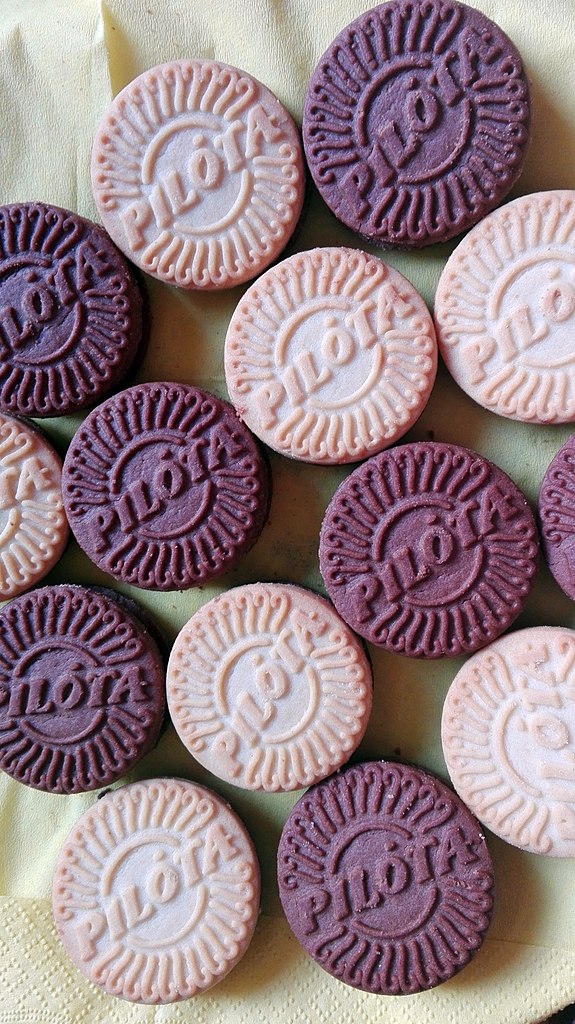
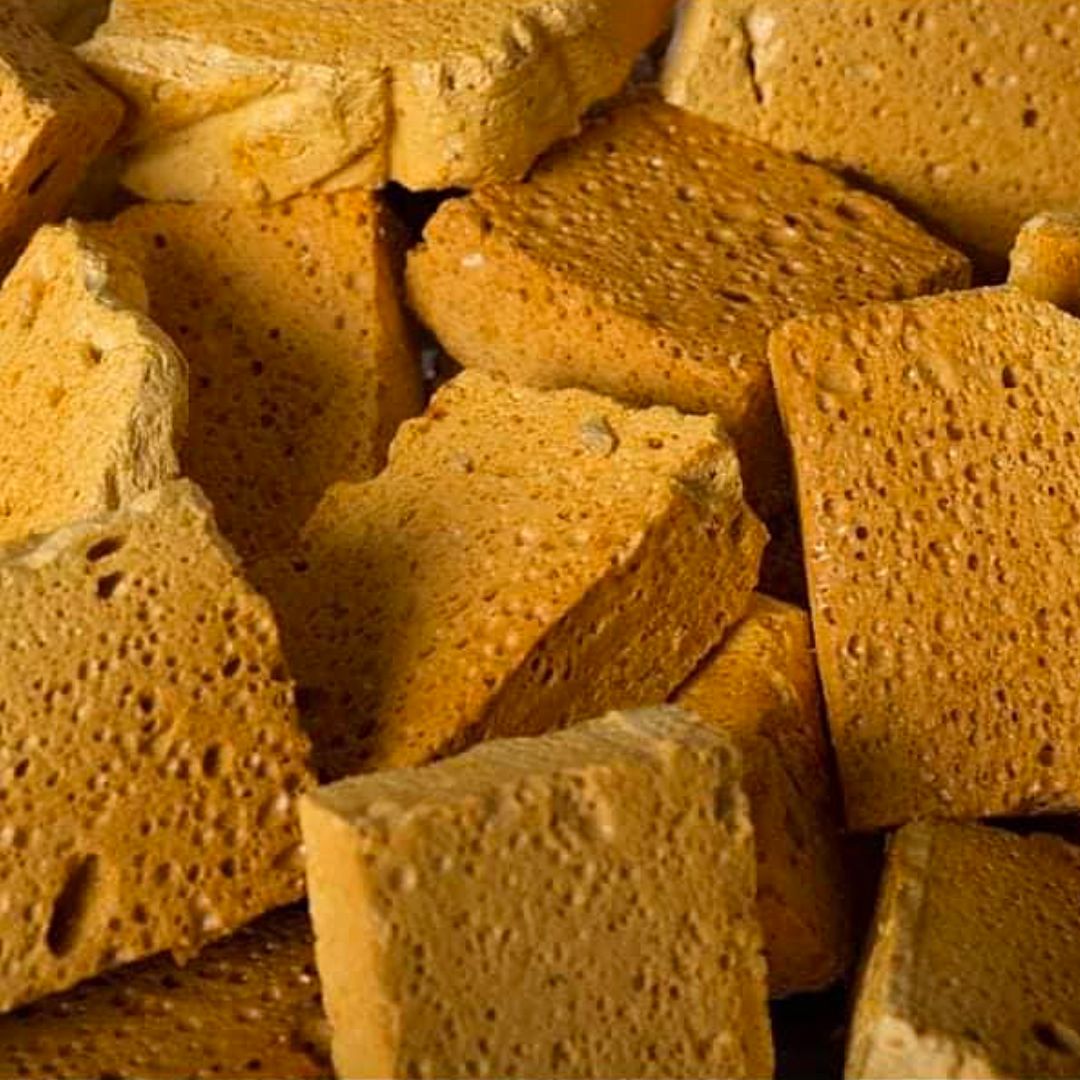
Many of us were under the impression throughout our entire childhood that this popular sweet, a classic sight of Hungarian village markets, originates from the times Hungary was occupied by the Ottomans, in the 16th century. However, the truth lies very far from this. This sickeningly sweet snack happens to be widespread all across the Balkan region, however, nobody was aware of that when it first arrived in our country during the weathered Communist era since little information got through the borders from the outside world.
So, which one was your go-to Hungarian retro snack when you were little?
Read more: What is szaloncukor and why do Hungarians spend so much on it?
Source: magyarorszagom.hu, origo.hu, divany.hu


