Subscribe to our social channels to get the latest news about Hungary!


Hungarian actress Franciska Gaál’s life was a striking tale of fame, misfortune, and tragedy. From her rise to international stardom, admired by both Stalin and Hitler, to a life marked by hardship and obscurity after WWII. Once adored, she ended her days in poverty and loneliness, a cruel reminder of the fragility of success.
As Dívány writes, Hungarian actress Franciska Gaál had a colourful childhood, growing up as one of seven sisters and wearing hand-me-downs from her older siblings. She dreamt of having clothes made just for her, a wish she would later see come true. The school wasn’t her strong suit, she admitted to failing most subjects, except literature, thanks to a crush on her Hungarian teacher.
Franciska’s vibrant personality and powerful voice made her stand out early on. As an acting student under Gyula Gál at the National Theatre, her chronic lateness and creative excuses often tested her teacher’s patience. In retaliation, he jokingly called her by different names in class. Ever quick-witted, Franciska cheekily told him she’d officially changed her name from Silberspitz to “Gál,” which later became her stage name when she adopted the form Gaál in 1927.
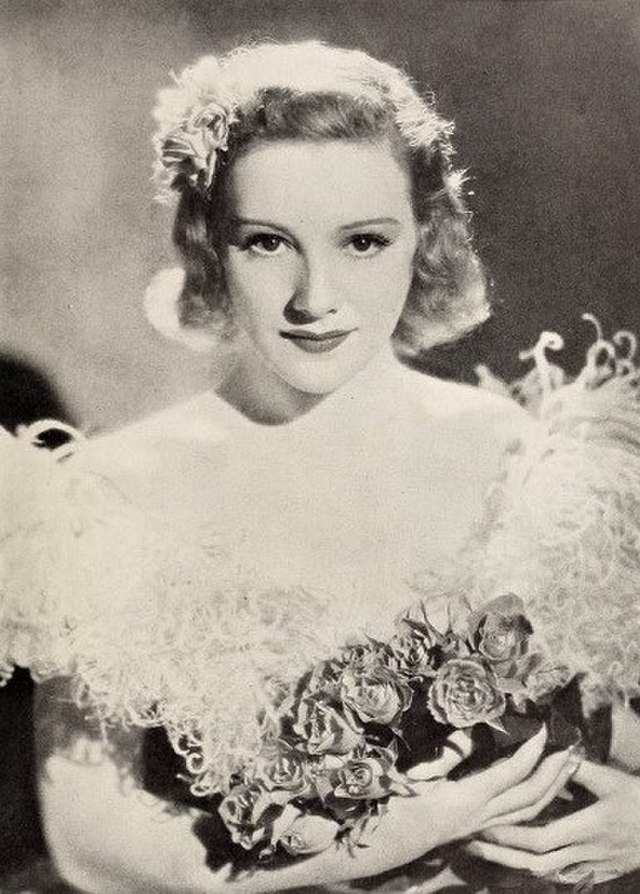
After a brief and somewhat naive marriage, the Hungarian actress divorced in 1933 and soon married a bank officer. Her career took her abroad, with auditions in Vienna and Berlin, where she was offered a contract. Despite initial panic over her language barriers and fears of failure, Gaál soon impressed in Berlin, where Hungarian-born American director Joe Pasternak cast her in Paprika. This marked the start of a successful run in German-language films, many of which earned international acclaim. Her films even reached the Soviet Union. Therefore, an odd situation formed: both Stalin and Hitler admired her work. Allegedly, Hitler said:
It must be some kind of genetic mistake, because such a talented actress cannot be Jewish.
Her film Peter won Comedy of the Year at the 1935 Russian Film Festival, and Stalin personally offered her financial security and a home in Moscow. However, Gaál turned down the offer, choosing instead to pursue her dreams in Hollywood. Her career seemed to be taking off. She had the opportunity to work with big names such as Bing Crosby.
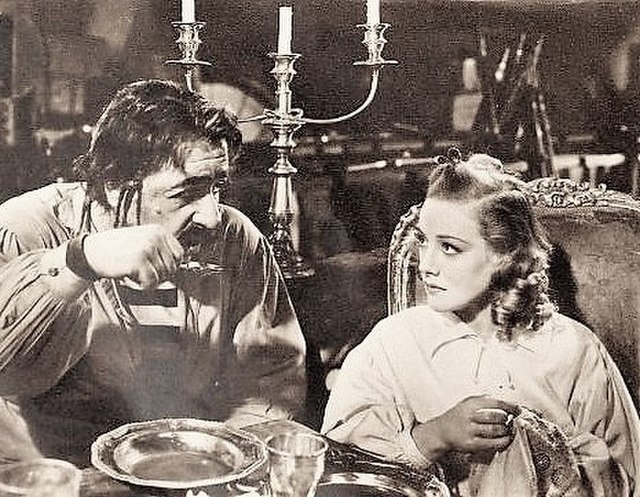
The beautiful Hungarian actress’ life took a tragic turn after her return to Hungary in 1941 when she and her husband faced the devastating effects of anti-Semitic laws that barred her from acting. Forced into hiding, she spent the war in a secret room in her husband’s summer house by Lake Balaton. By 1947, she and her husband moved to America in search of a new beginning, but her acting career had faded, leaving her isolated and forgotten.
Struggling with illness and poverty, she lived out her final years in loneliness, unable to regain her former fame. Though she applied to a retirement home in Hungary, her declining health prevented her from returning. Franciska Gaál died in 1973 in New York, a once-celebrated actress now unknown and destitute, a tragic end to the life of a Hungarian actress who had once been adored by millions.
Read also:


