

Hungarian National Bank Governor Mihály Varga outlined the conditions for adopting the euro in Hungary, but the current state of the economy is far from meeting those requirements. Moreover, the government has previously stated that adopting the euro is not part of its economic strategy, as it considers the forint more suitable.
These are the conditions for the Hungarian euro
Following the central bank’s decision yesterday to keep the base interest rate unchanged at 6.5%, Governor Mihály Varga addressed questions at a press conference, including inquiries regarding the introduction of the euro in Hungary. According to the Hungarian News Agency (MTI), in response to a journalist’s question about euro adoption, he said,
“It is of fundamental importance for the Hungarian economy to meet the necessary conditions. If these requirements become attainable, it would then be worth defining a path towards adoption.”
This is what the Hungarian euro would look like—a test coin from 2004, the year of Hungary’s EU accession (related article below):
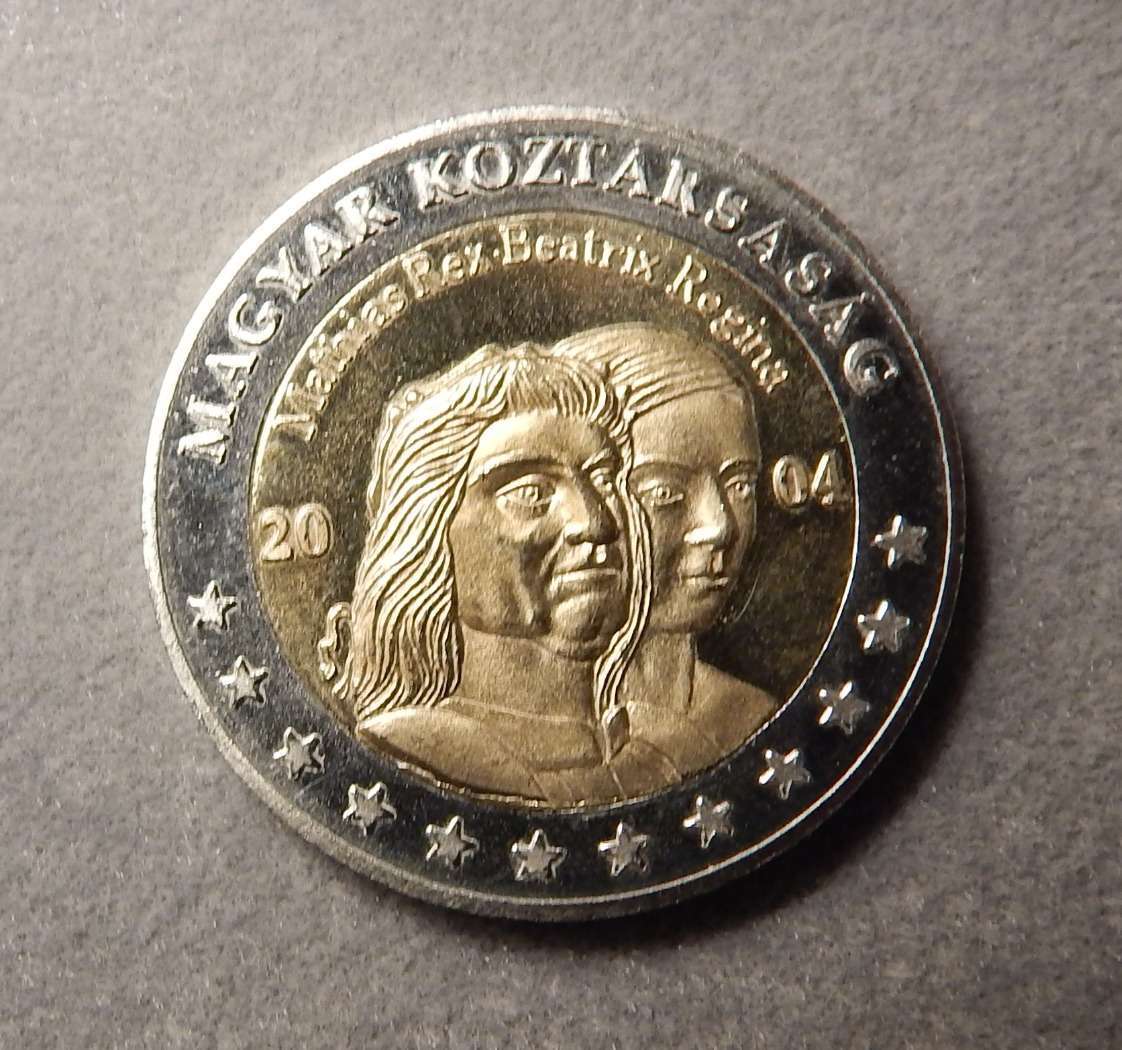
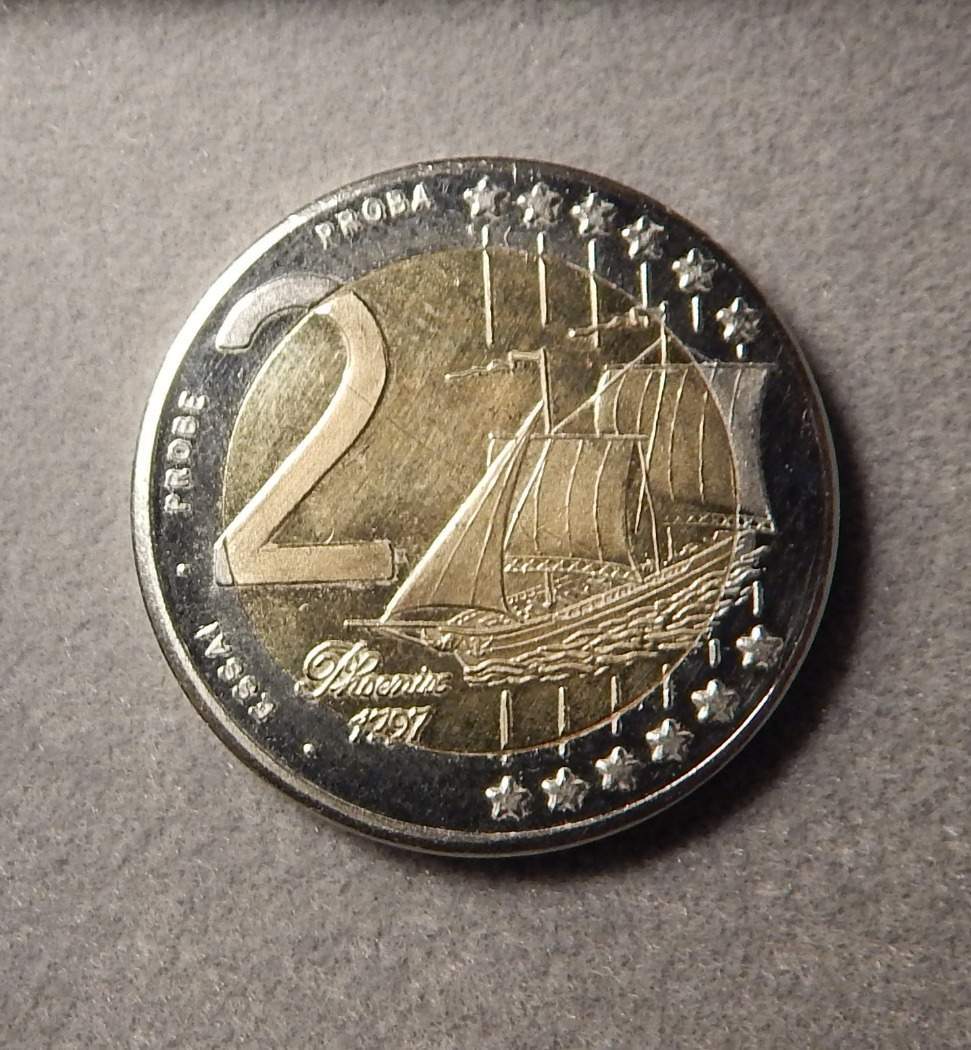
ATV provided more detailed coverage of the conditions mentioned by the NBH Governor, which include:
- Persistently low inflation,
- Low budget deficit,
- Price stability,
- Stable economic growth.
Varga noted that even if these conditions are met, adopting the euro would merely be worth considering—and the final decision would lie not with the central bank, but with the government of the day. The current government, led by Prime Minister Orbán, has made it clear that it does not intend to replace the forint (although the real economy has already seen some euro-based transactions, particularly in real estate). In contrast, Péter Magyar, a leading opposition figure who has topped independent polls for months, stated in a 2024 interview with Bloomberg that his government would move the country towards euro adoption if elected in 2026.
- Here’s what the Hungarian euro looks like – but how can such a coin even exist?
Bulgaria and Croatia have already overtaken Hungary
Hungary is currently far from meeting the conditions outlined by the central bank governor. Inflation this year is projected to be between 3.2% and 5.2%, and just a few weeks ago, the government raised its budget deficit target from 3.7% to 4.1%. In fact, Minister Márton Nagy even boasted about borrowing nearly 600 million euros from China. When it comes to price stability, Hungary is also lagging, with experts predicting its sustained achievement not before 2026 or 2027. Economic growth has fallen short of expectations, predicted to be under 1%, and if new Trump-era tariffs are introduced, a recession is possible.
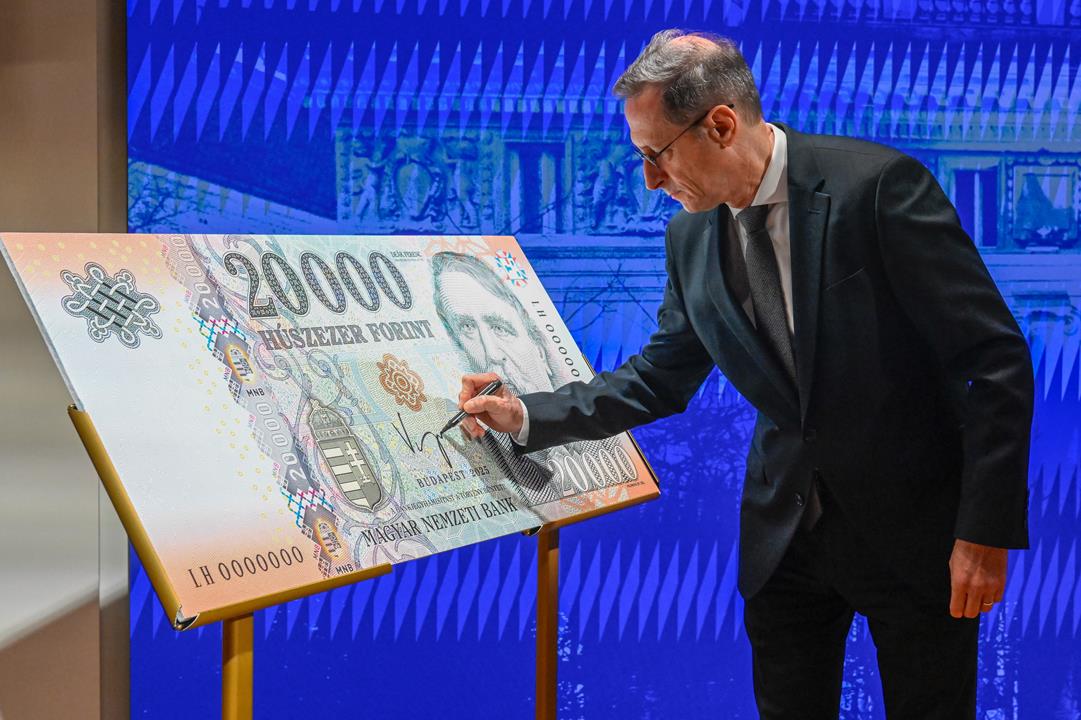
So, while Hungary remains far from euro adoption — and the current government has no plans to move in that direction — Bulgaria is set to adopt the EU’s currency next January, despite joining the bloc three years after Hungary. Croatia has used the euro since 2023, and countries like Austria, Slovakia, and Slovenia have relied on it for decades. Among Hungary’s neighbours, only non-EU countries such as Ukraine, Serbia, and Romania remain outside the eurozone.
The forint was introduced in 1946, and the Orbán cabinet looks set to survive well beyond its 100th anniversary.
More to read from us:
- What will happen to guest workers? A Chinese company announced delay in its major Hungarian project
- Airbnb restrictions in Budapest could deter tourists
Find more economic stories here.
To read or share this article in Hungarian, click here: Helló Magyar



