Subscribe to our social channels to get the latest news about Hungary!


Whether you’re visiting Hungary for a short city break or settling in as an expat, understanding the Hungarian forint (HUF) is essential to managing your money wisely. As Hungary’s official currency, the forint plays a central role in everyday life, from shopping and eating out to paying rent or exchanging money. But what exactly is the forint, and why should foreigners care about its fluctuations?
The forint (symbol: Ft; ISO code: HUF) has been Hungary’s currency since 1946, introduced after World War II to curb hyperinflation. Though Hungary is a member of the European Union, it has not adopted the euro and continues to use the forint. Banknotes come in denominations of 500, 1,000, 2,000, 5,000, 10,000, and 20,000 HUF, while coins range from 5 to 200 HUF (5, 10, 20, 50, 100, 200).
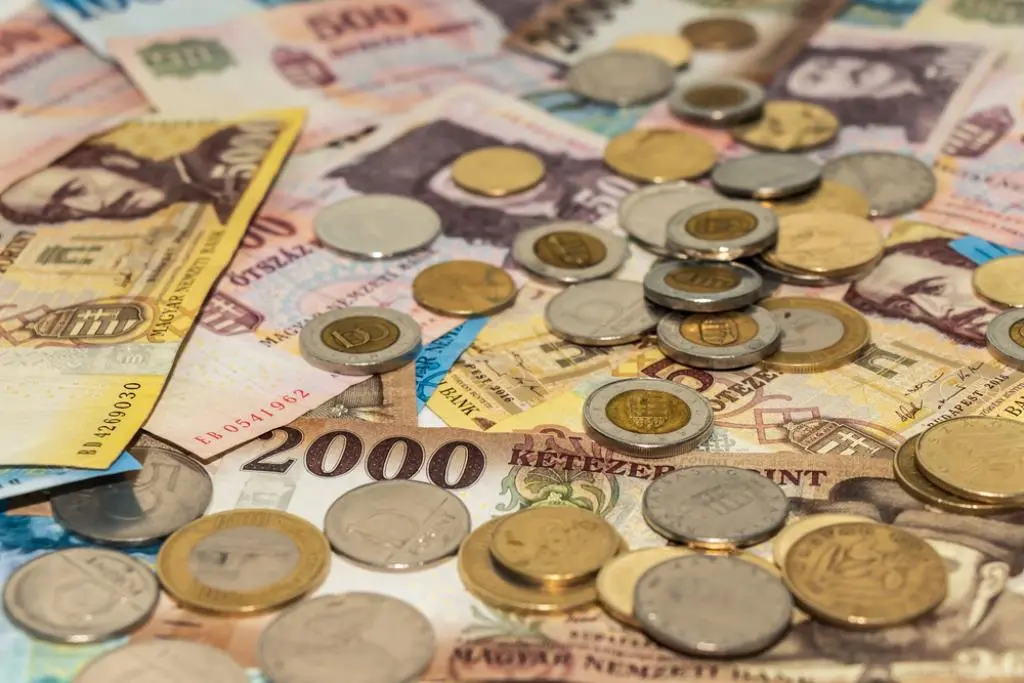
The value of the Hungarian forint can fluctuate significantly against major currencies such as the euro (EUR), U.S. dollar (USD), or British pound (GBP). These fluctuations can affect everything from hotel costs to the price of a coffee. For example, a stronger euro means European tourists will find Hungary more affordable.
For this reason, it’s crucial to check exchange rates before and during your trip. Currency exchange offices are common in central Budapest and other tourist hubs, though banks and ATMs generally offer more favourable rates. Avoid exchanging money at airports or train stations, where the rates can be less advantageous.
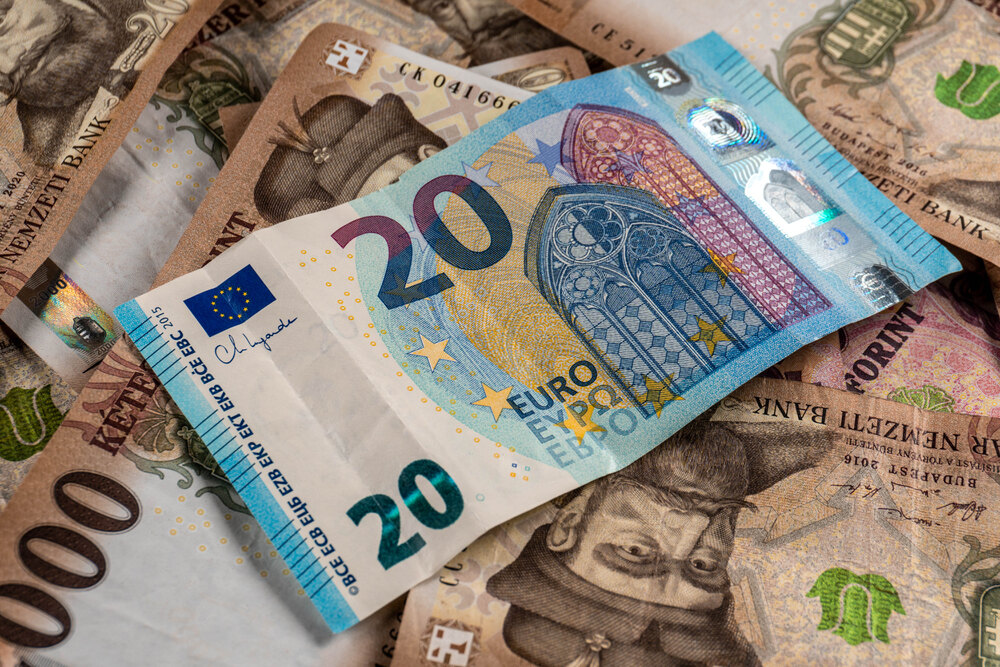
For many tourists and new expats, prices in forint may appear high at first glance simply due to the large numbers: HUF 10,000 for a meal might seem steep until you realise it’s about EUR 25. Most day-to-day expenses in Hungary are still considerably lower than in Western Europe. For example, a meal in a mid-range Budapest restaurant typically costs HUF 4,000–6,000 (roughly EUR 10–15), while monthly rent for a central one-bedroom apartment ranges from HUF 180,000 to 250,000 (EUR 460–640), depending on location.
Expats paid in foreign currencies may benefit from favourable exchange rates, especially if the forint weakens. However, this also means their local expenses can fluctuate month by month. For those earning in forint, it’s important to keep an eye on inflation, which can erode purchasing power, particularly during periods of economic uncertainty.

Hungary has experienced notable inflation in recent years, affecting the price of groceries, utilities, and services. Monitoring the HUF exchange rate can help expats better plan international transfers, savings, or large purchases.
While card payments are widely accepted in Hungary, especially in Budapest and larger cities, cash is still commonly used in smaller towns, markets, and some older establishments. It’s advisable to carry a modest amount of cash for minor expenses or in case card terminals are unavailable.

While the Hungarian forint might seem complicated at first, a little awareness goes a long way. For both tourists and expats, understanding how the currency works (and how to manage it) can enhance your experience in Hungary and help you make the most of your money. With a bit of planning, the forint can be your ally in discovering all that Hungary has to offer.
What is the currency used in Hungary?
Hungary uses the Hungarian forint (HUF), not the euro.
Can I use euros in Hungary?
Some places accept euros, especially in tourist zones, but it’s best to pay in forints for better value.
What’s the best way to exchange currency in Hungary?
Use bank ATMs or reputable exchange offices in downtown areas for the best rates.
Should I carry cash in Hungary?
Yes, cards are accepted widely, but cash is handy in markets, small shops, and rural areas.
Check out our guides for expats HERE!
As for more news about the Hungarian forint, click HERE.
Read also:


