


Hungarian connections unearthed in US skeleton collection: Researchers trace remains to 19th-century dealer

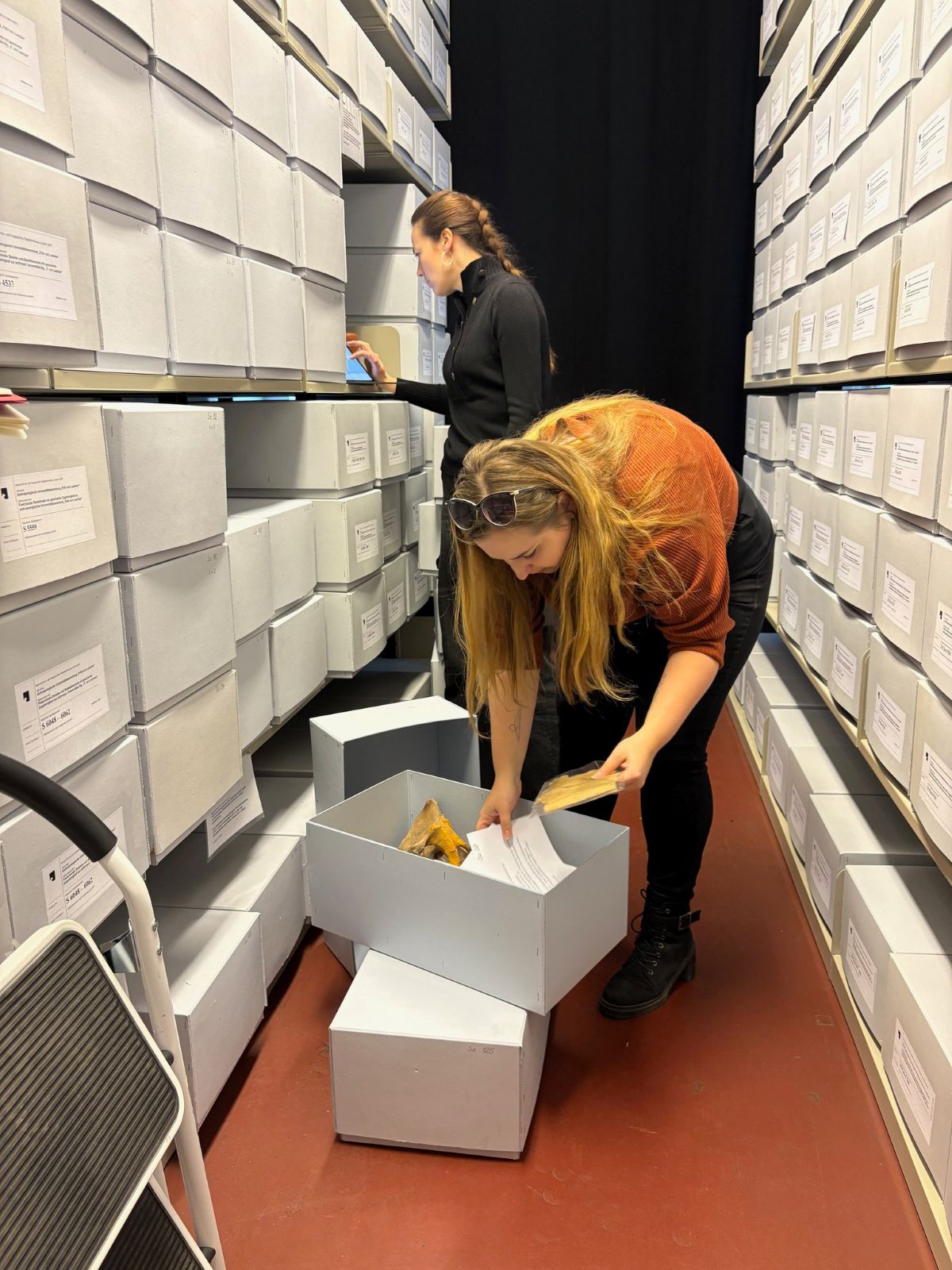
Researchers at the University of Michigan have been investigating the origins of skeletal remains in their academic collection, uncovering ties to Hungary in the process. This discovery opened the door for experts from the National Archaeological Institute of the Hungarian National Museum to join the project and study the life of a key Hungarian figure involved. The remains were originally sent to Germany in the early 1900s by József Lichtneckert, an antiques dealer from Székesfehérvár, according to a Facebook post from the Institute.
Tracing the origins of a collection
Researchers at the University of Michigan’s Department of Anthropology are making a concerted effort to trace the origins of the human remains in their collection, which are used for educational purposes. Their investigation revealed that several bones are linked to the work of Austrian anthropologist Felix von Luschan (1854–1924), who conducted research in Berlin around the turn of the 20th century.
A study of the Rudolf Virchow Collection in Berlin established a clear connection between these remains and the University of Michigan’s collection, and also pointed to a Hungarian connection. It was Hungarian antiques dealer and collector József Lichtneckert who sent the remains to Germany, a fact evidenced by his signature on one of the preserved documents.
The Hungarian dealer and archaeology
Lichtneckert’s work has drawn academic interest in Hungary in recent years, allowing researchers from the National Archaeological Institute of the Hungarian National Museum to join the American-led project. According to the Institute’s statement, Lichtneckert had a colourful yet tragic life. He showed a keen interest in historical objects from a young age, built a substantial collection, conducted independent excavations starting in the 1890s, and even published in archaeological journals.
However, financial difficulties eventually pushed him away from the scientific aspects of archaeology. Many of his finds from these excavations, including human remains likely sourced from graves, became commercial items. According to the Institute’s researchers, it’s possible the skeletal materials exported abroad had been treated primarily as merchandise.
New directions in anthropology
The late 19th and early 20th centuries were a formative period for anthropology, as most major anthropological collections around the world were either established or derived from materials gathered during this era.
While early documentation was often incomplete, institutions today are paying greater attention to investigating the origins and histories of the human remains they house. This task has become a research project in its own right. At the University of Michigan and other institutions, efforts are increasingly focused on tracing the provenance of these human remains.
A unique opportunity for Hungarian archaeologists
Researchers from Hungary’s National Archaeological Institute are now working to uncover the Hungarian links in these findings. “This project is a great example of how researchers from different countries can collaborate and support each other while aiming to reconstruct stories from approximately 100 years ago, identify archaeological sites, and, most importantly, handle human remains with proper respect and expertise,” the Institute stated.
Read more news about archaeology on Daily News Hungary!
To read or share this article in Hungarian, click here: Helló Magyar
Read also: