Subscribe to our social channels to get the latest news about Hungary!


The Hungarian government is preparing to radically transform the Hungarian commercial real estate market with new regulations. The proposal would not only make it more difficult to launch new investments, but would also drastically restrict the leasing of existing shopping centres and shops. The amendment has caused a huge stir among economic operators, while the ministry has not yet provided any substantive explanation for the purpose of the tightening.
The new draft rules would mean that medium and large commercial properties could no longer be sold or rented without a government licence. As it stands now, even the renting of a commercial premises larger than 400 square metres would require a so-called ‘change of use permit’, not only for new investments but also for existing properties. This in itself is a major administrative hurdle, but the draft goes further: if a tenant leaves the lease, the new tenant would have to reapply for a permit. As tenants in shopping centres change frequently, this uncertainty would cause a serious loss of value in the property.
Many argue that the aim of the regulation is not really to regulate the urban landscape or commercial structure, but to extend state control over the commercial property market. After all, if all sales and rentals are subject to official approval, only businesses that can “convince” decision-makers that their business is “fit for purpose” will effectively stay in business. This system can be particularly beneficial for those close to the government, while making it impossible for others to operate. According to an article by HVG, it is no coincidence that the explanatory memorandum of the draft is also extremely vague: the ministry has said that “clarification is needed in certain cases”.

Experts say this could make the market environment so unpredictable that there would be few investors willing to start building new commercial property. The current regulatory environment already poses significant obstacles for developers. Hungary lags behind Central European competitors such as Poland and Romania in terms of property development and international brand openings. This is particularly painful at a time when the Hungarian real estate market is just starting to recover from last year’s trough. Foreign investors have also just started to show renewed interest in the retail sector.
There is almost unanimous confusion among domestic retailers. They see no economic, legal or urban planning rationale for the tightening, especially when the government itself has set itself the goal of encouraging investment. The National Confederation of Commerce (NCC) says the regulation poses a huge risk not only to new projects but also to day-to-day operations. For example, shop-in-shop concepts, where multiple businesses operate separate retail spaces within a larger store, could also be affected.
As the division of the sales area would also require a separate licence, this would make similar collaborations virtually impossible. Moreover, the licences would not be linked to the property but to the specific tenant. In other words, if, for example, the same premises were to be used for the sale of technical goods instead of shoes, the licensing procedure would be repeated.
Although the original targets of the shopping freeze were the big food multinationals, the new rules would hit far more than just them. Domestically owned firms and smaller businesses could also find themselves in a difficult situation. Take, for example, a rural shop owner who decides to sell his premises to a larger chain, something he would have no chance of doing in the future if the new regulation were to take effect. This is particularly perverse at a time when government communications are otherwise emphasising support for small Hungarian entrepreneurs. The current draft of the regulation, on the other hand, would reduce market freedom.
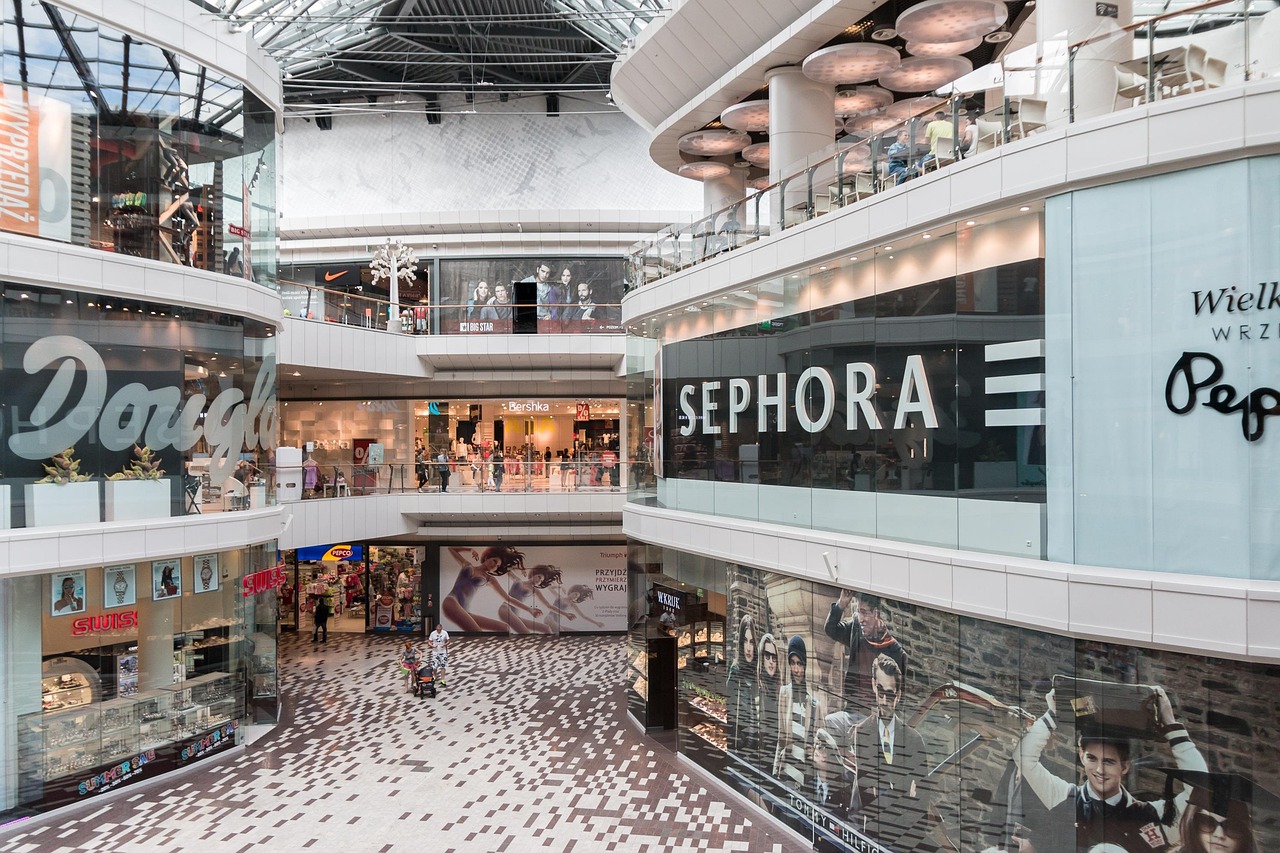
According to several commercial sources, an extreme interpretation of the proposal could even lead to the need for a separate licence to rearrange shelves, as this would change the structure of the sales area. This is not only absurd, but it would also make day-to-day operations completely impossible. Traders are understandably worried: in such a system, they are not free to make even the most basic business decisions. Day-to-day stock planning, optimising supply, or even bringing in a new business partner can become a lengthy bureaucratic process.
In previous years, there were still some loopholes: for example, if a new shop moved into the space of an old shop, it could operate without a special government permit. The new regulation would also remove this possibility. In addition, there would also be rules on how a sales area can be separated, for example, when a technical shop opens in part of a hypermarket.
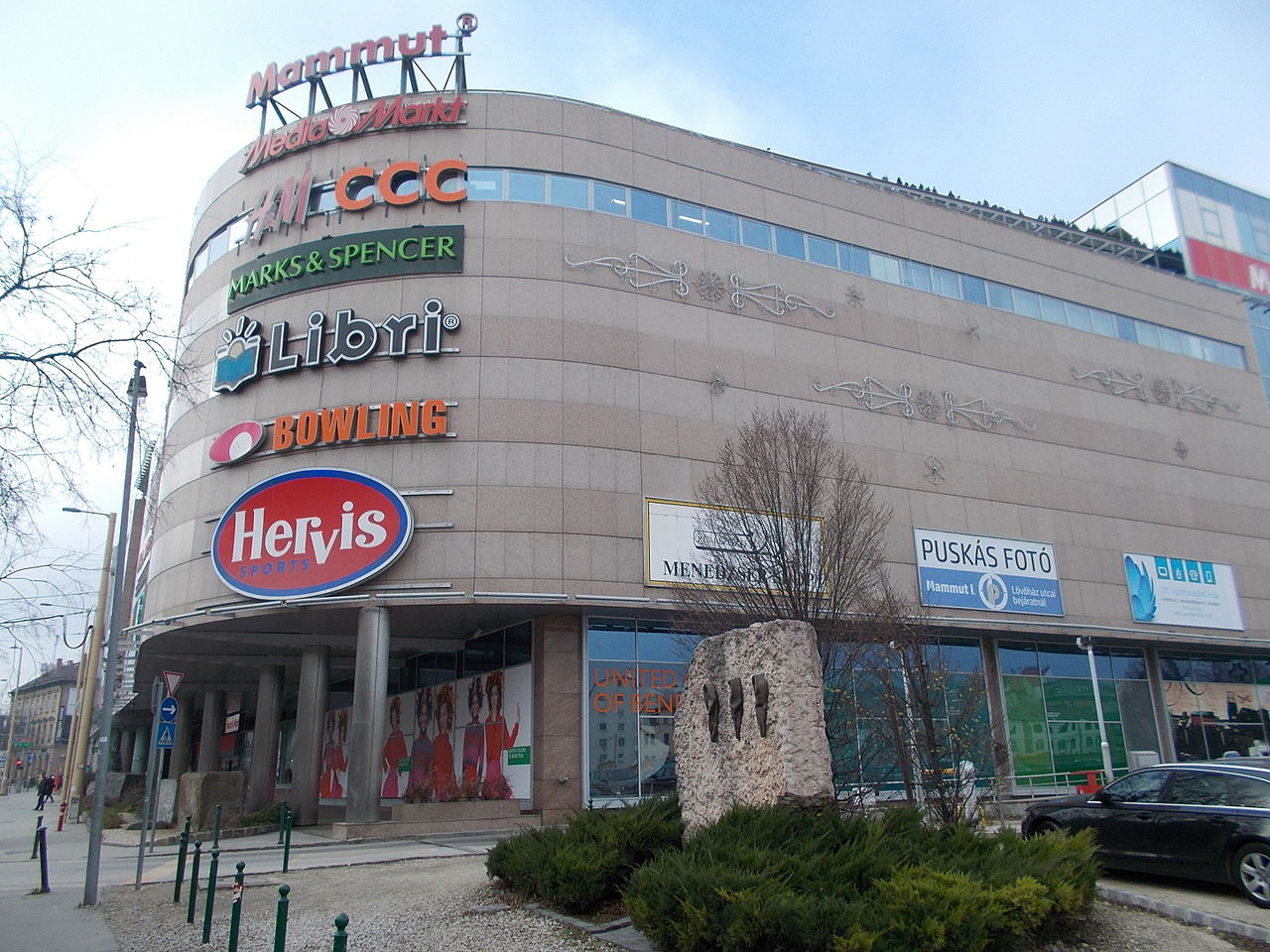
International comparisons also paint a poor picture. Over the past ten years, Hungary has lagged far behind other countries in the region, not only in the volume of real estate investment but also in the size of new commercial developments. The Czech Republic, Poland and Romania have consistently performed better.
The current draft regulation is therefore not just a technical tightening, but a package of measures that would fundamentally change the way the Hungarian commercial property market operates. The non-transparent licensing procedures, unpredictability and potential political influence could seriously deter investors at a time when the Hungarian economy is in need of investment.
Stay informed! Read more news about the Hungarian government HERE!
Read also:


