Subscribe to our social channels to get the latest news about Hungary!


If you grew up in Hungary or you visited the country in the 70s-80s, you may have heard or even tried the Hungarian sweet called macskanyelv (literally ‘cat tongue’). How did this bizarre-sounding chocolate become world-famous and what flavour variations do we know? Read on to find out.
The macskanyelv chocolate, which is now considered a retro confection, can be considered a Hungarian “invention”. It is widely available in many flavours throughout Europe. However, the chocolate also had a predecessor: a crispy tea cake that most resembled a sponge cake, magyarorszagom.hu writes. In France and England, it was a favourite with tea and coffee. Its name derives simply from its shape, which resembles a cat’s tongue.
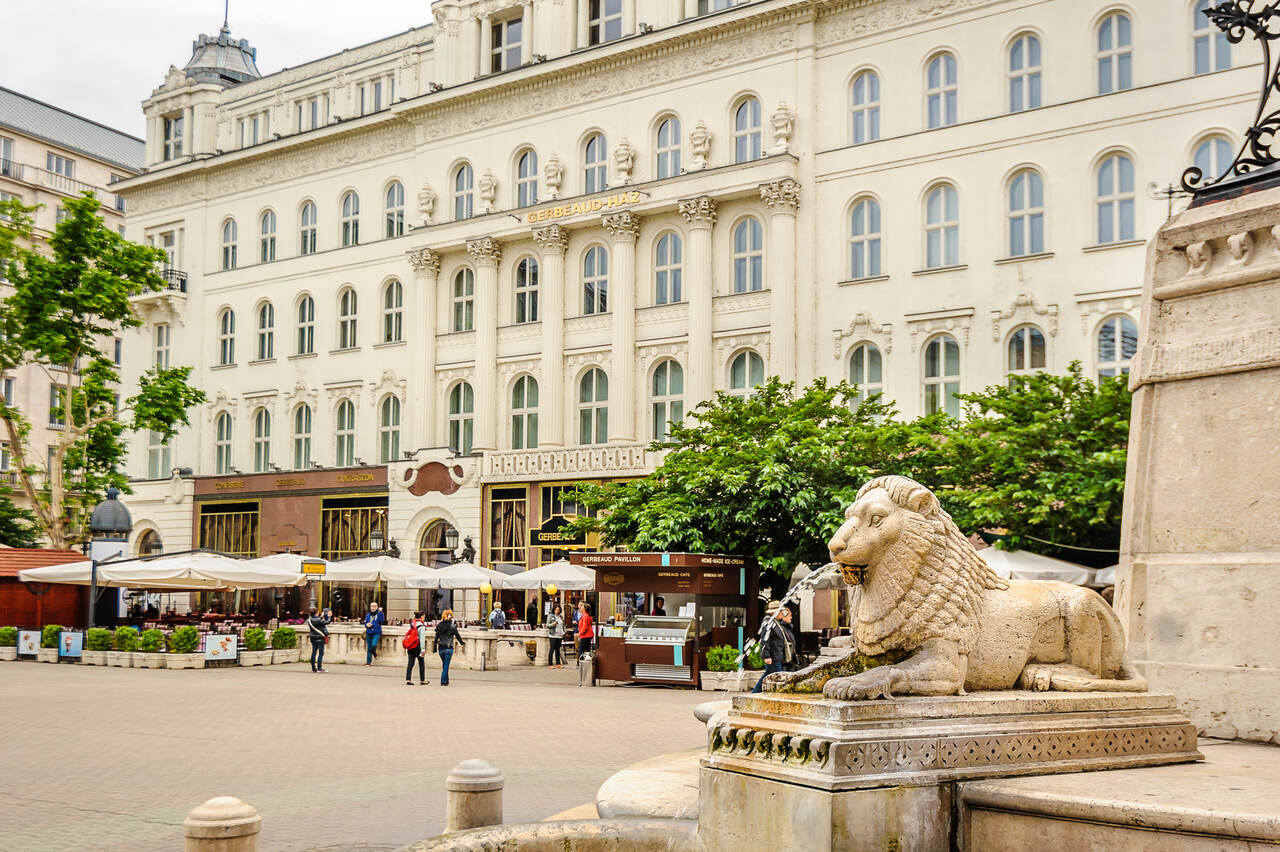
Inspired by this cat’s tongue-shaped cake, Emil Gerbeaud created the cat’s tongue chocolate in Hungary. The master confectioner was of Swiss origin who settled in Hungary in 1884, where he became a partner in Henrik Kugler’s confectionery business and opened the still busy Gerbeaud confectionery shop on Vörösmarty Square. They began selling several of their own sweets.
By 1892, the macskanyelv had spread throughout Europe and then the world. The quality of the chocolate was a major factor in its success, and its popularity peaked during the socialist era.

After WWII, the confectionery on Vörösmarty Square was nationalised in 1948. It was only in 1984 that it was able to take back the Gerbeaud name. At that time, the inscription “Gerbeaud” was put back in its old place on the façade of the Gerbeaud House, magyarorszagom.hu writes. The confectionery kept up the tradition and the pastry chefs passed on the professional knowledge left behind by the former pastry chef from generation to generation, so the popular “Zserbó” pastry shop has kept its world reputation. Since the year of its foundation, no one has questioned its professional excellence.
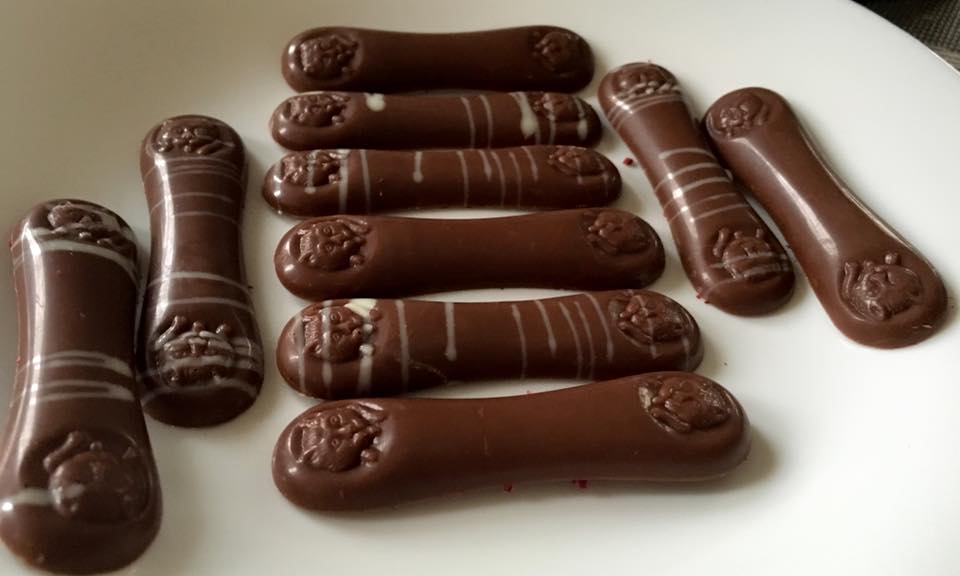
The macskanyelv is nowadays typically made of milk chocolate and dark chocolate. In some places, you can find a white chocolate version, or macskanyelv filled with marzipan. Which one is your favourite?
Read also:


