Subscribe to our social channels to get the latest news about Hungary!


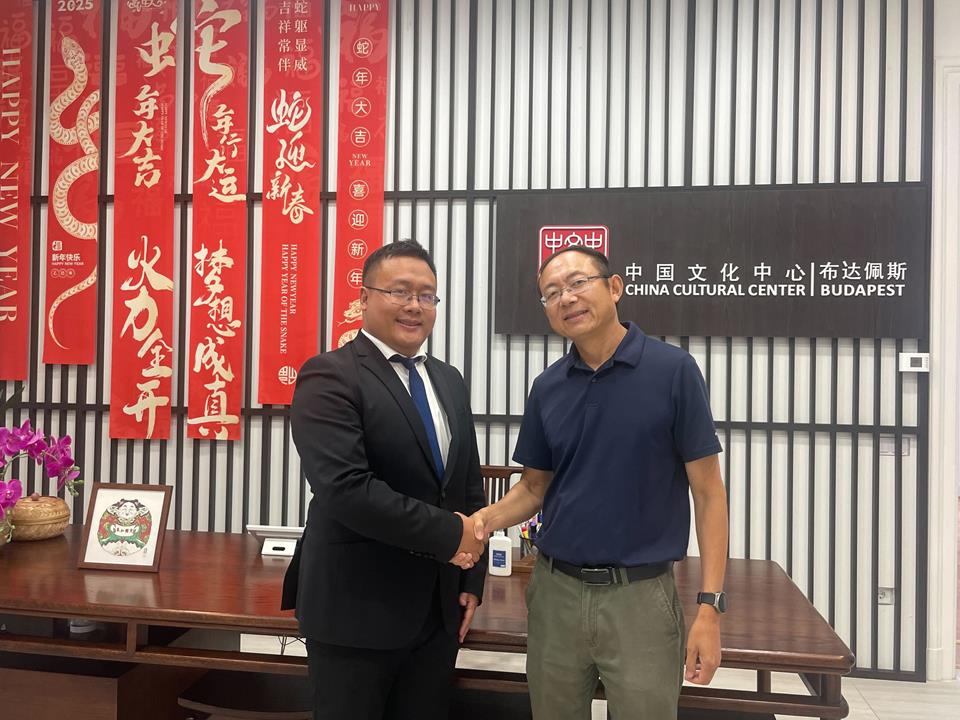
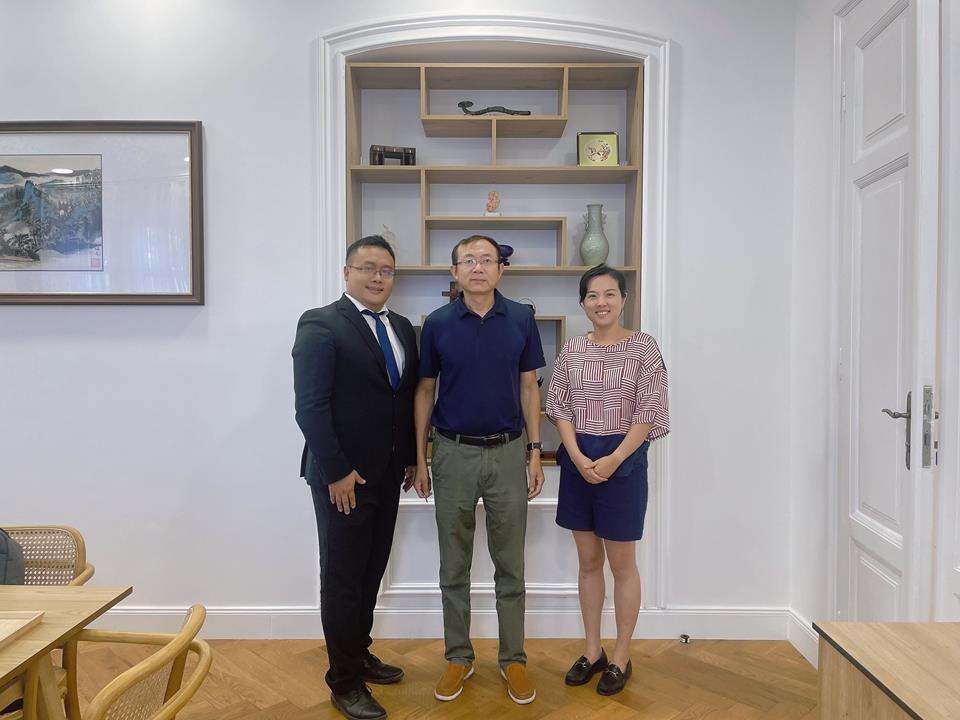
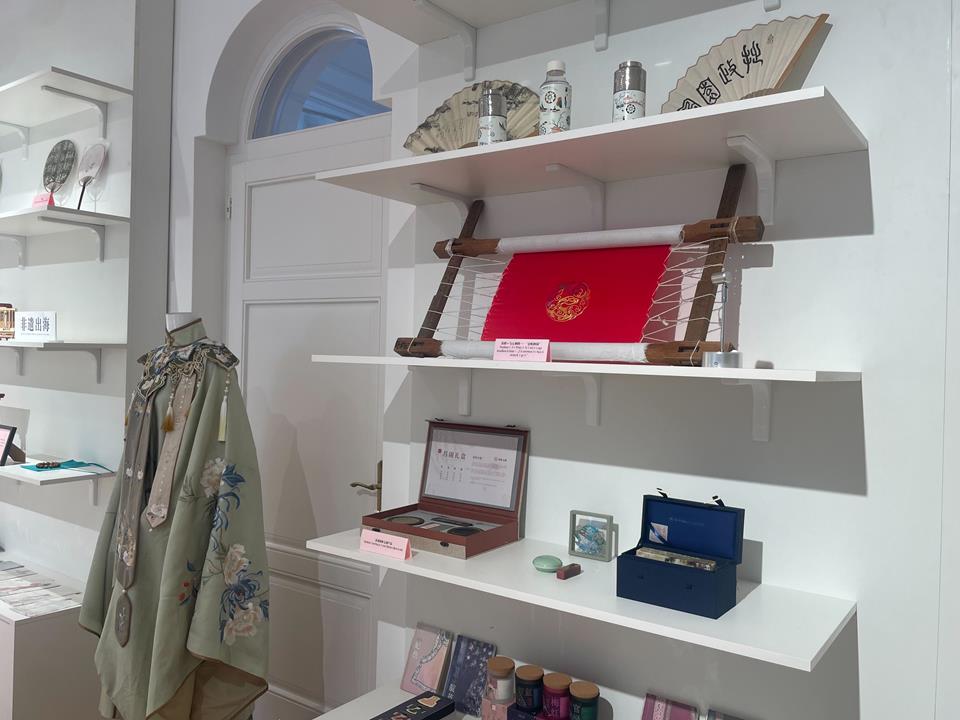
The afternoon sun streamed through the window frames of the China Cultural Center in Budapest, located in District 14. Inside, the space was neatly arranged with Chinese-style artworks and an abundance of cultural materials. Director Jin Hao greeted us with a warm smile, speaking in a calm yet firm tone.
Since the Center officially opened to the public in 2024, he has been both the strategic planner behind the scenes and an active practitioner on the frontlines of China-Hungary cultural exchange. In this interview, we saw a cultural envoy who is both rigorous and efficient, yet full of passion and creativity.
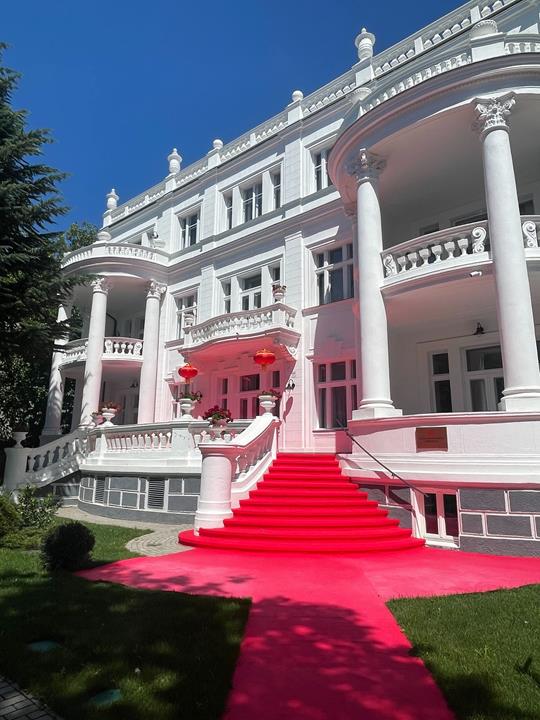
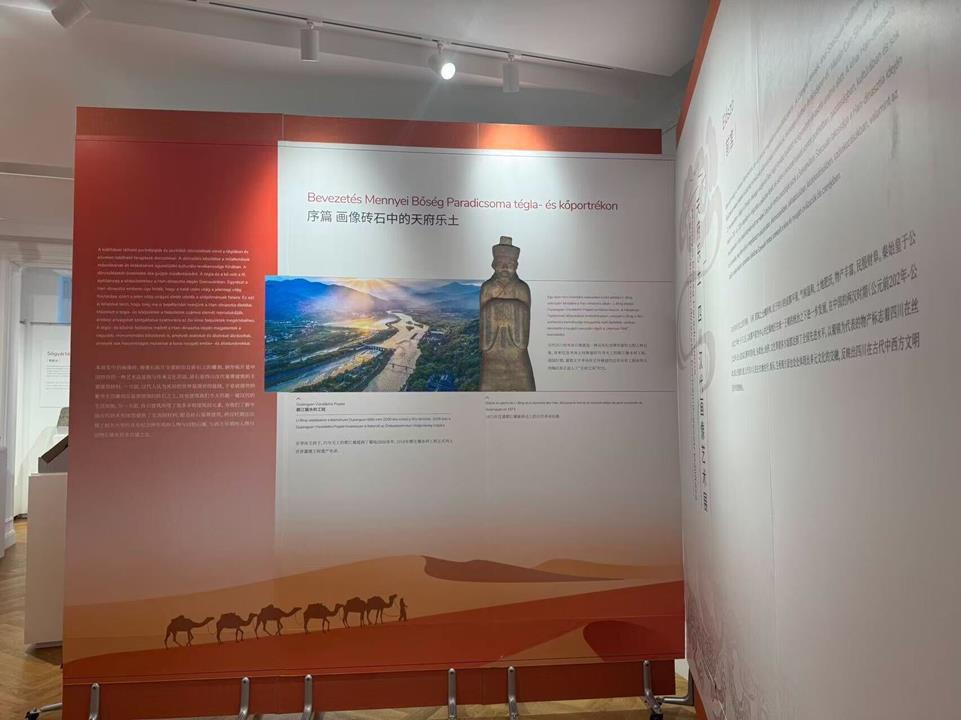
The pristine white exterior of the China Cultural Center, complemented by bright red elements, exudes an elegant and dignified aura. Upon entering, Director Jin, dressed in a simple yet tasteful short-sleeved collared T-shirt and tailored trousers, personally guided us through the ongoing exhibition “Art of Han Dynasty Portraits in Sichuan—Land of Abundance.” His speech was logical and focused, reflecting years of experience in infrastructure and financial management.
Yet, when the conversation turned to cultural exchange, his eyes lit up with enthusiasm and creativity—attentive to details while maintaining a broad vision; preserving the authenticity of culture while exploring new forms of expression. For him, cultural exchange is not just a job but a mission. With patience and ingenuity, he enables China and Hungary to find resonance in each other’s cultural stories.
Director Jin recalled that the China Cultural Center in Budapest was jointly established by China’s Ministry of Culture and Tourism and the city of Suzhou. Having long worked in finance and infrastructure in China, this overseas posting was both a sign of organizational trust and a personal challenge. He arrived in Hungary in January 2020, only to be met soon after by the global pandemic. Over the next three years, the Center completed its registration, facility renovations, and functional layout, gradually opening classrooms, a small theater, a rehearsal hall, and a culinary classroom, laying a solid foundation for offline events. “This has been an experience I am very proud of,” he said. “Telling China’s story well and presenting a real, comprehensive, and multidimensional China is a meaningful undertaking.”
When asked about the most memorable cultural events, Director Jin mentioned two special experiences. One was the commemoration of the 200th anniversary of Hungarian poet Sándor Petőfi’s birth.
The Center showcased Petőfi’s literary achievements alongside those of Lu Xun in a joint exhibition, displayed simultaneously in Suzhou and Budapest, creating a cross-temporal dialogue. This marked the Center’s formal entry into Hungary’s mainstream cultural calendar and resonated with both Chinese and Hungarian audiences. The second was the “Kindred Spirits” musical dialogue held in June 2025 to celebrate the first United Nations International Day for Dialogue Among Civilizations.
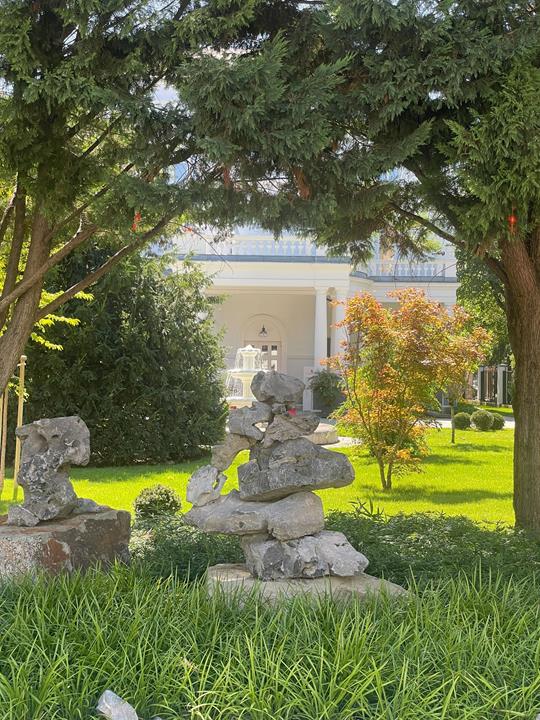
The day featured a musical flash mob at Budapest landmarks and an evening performance in the Center’s garden, blending Chinese and Western music and dance. The Chinese yangqin and the Hungarian cimbalom resonated together, letting audiences feel the intimacy of culture through melody.
“Cultural exchange cannot be one-way; only through equal dialogue and finding points of empathy can we truly enter each other’s hearts,” Director Jin emphasized.
In terms of cooperation, the Center has built stable ties with institutions such as the National Széchényi Library, the Hungarian National Museum, the Museum of Ethnography, the Hungarian Defence Forces Song and Dance Ensemble, and numerous art organizations. Through projects like the “Image of Asia” Chinese Film Week, Chinese cinema has been introduced to local audiences. The Center also works actively with community platforms like the Chinatown Temple Fair and commercial plazas, integrating resources to bring Chinese culture to a wider community.
“Foreign friends do not distinguish between official organizations and community groups—they only see that you represent China,” Director Jin noted, encouraging overseas Chinese to share more diverse aspects of Chinese culture.
Director Jin does not shy away from acknowledging the cultural perception gap between China and Hungary. He observed that many Hungarians have limited and sometimes partial impressions of contemporary China. To address this, the Center has in recent years invited Hungarian photographers, travel experts, and others to visit China and document their experiences from a local perspective, then share them back home—generating a more authentic and heartfelt response.
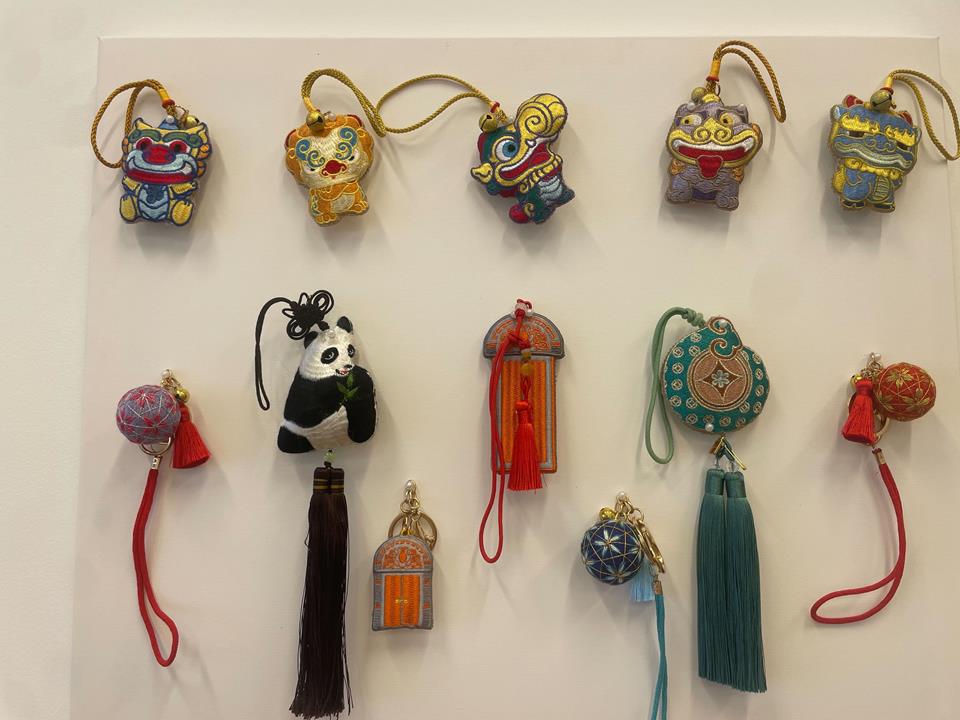
On attracting young people, Director Jin stressed the need to preserve the authenticity of traditional culture while aligning it with modern lifestyles and aesthetics. The Center is exploring collaborations with young inheritors of intangible cultural heritage, using cultural products and cross-disciplinary projects to present Chinese culture overseas in more fashionable and diverse forms.
Looking ahead, Director Jin predicts that music could become a strong point in China-Hungary cultural exchange. “Hungary has a high level of musical achievement, and we hope to introduce more outstanding Chinese music works here while bringing Hungarian musicians to China,” he revealed, noting that exchanges with institutions such as Zhejiang Conservatory of Music and China Conservatory of Music are already being planned.
At the close of the interview, Director Jin offered his message to all those working toward China-Hungary cultural exchange, both officially and at the grassroots: “We share the same goal—to help our peoples understand each other, make friends, and strengthen our bonds. I am full of confidence in the future.”
As an important platform for China-Hungary cultural exchange, the Budapest China Cultural Center has promoted mutual trust and understanding through two-way communication, deep cooperation, community engagement, and innovative practices—laying a solid foundation for future cultural exchanges between the two countries.
Read also:
Click for more news about China.


