


 IT
IT HR
HR NL
NL FR
FR JA
JA RO
RO RU
RU ES
ES TR
TR


Major changes planned at the Hungary-Austria border: What commuters and travellers should know
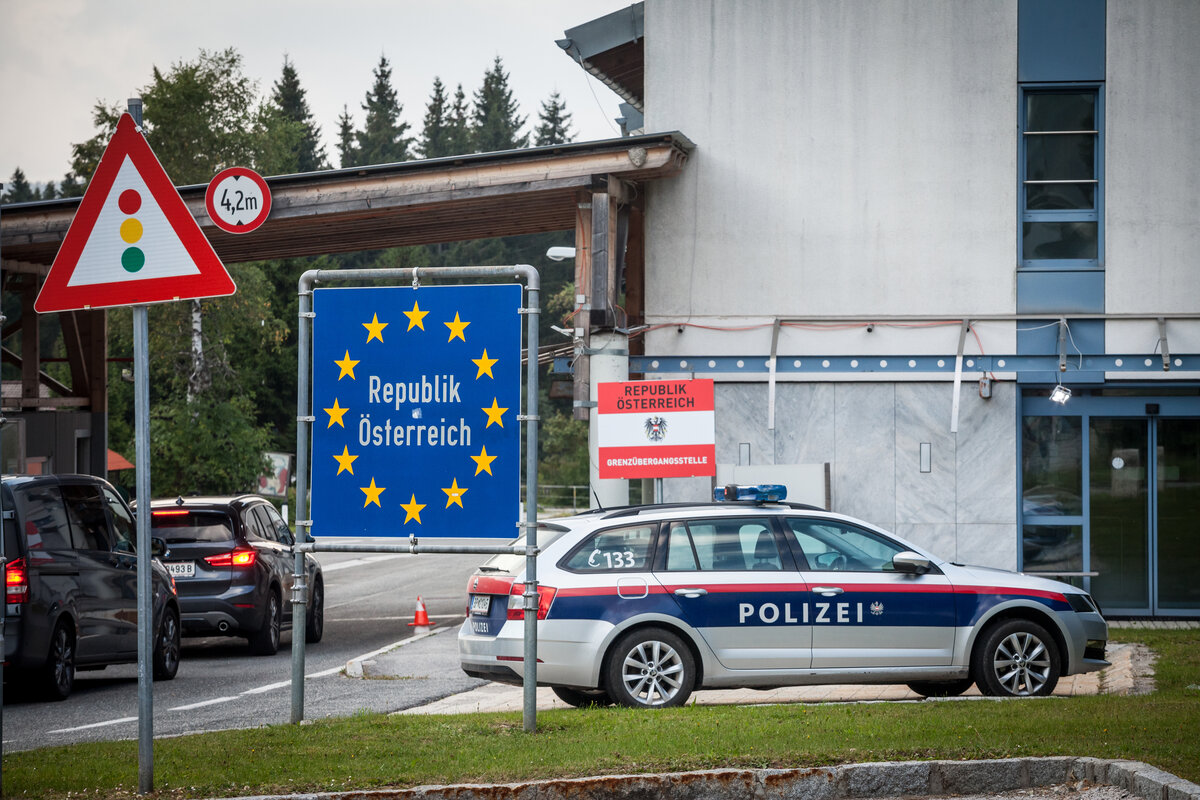
Significant changes may soon affect how the Hungary–Austria border operates during exceptional situations. A draft amendment to the 2014 Hungarian–Austrian border traffic cooperation agreement has been opened for public consultation, aiming to clarify how border crossings would function if internal border controls were temporarily reinstated under Schengen rules.
Importantly, the proposal would not introduce permanent border checks. Instead, it would establish a clear, pre-agreed framework for handling extraordinary circumstances such as public order concerns, national security threats, health emergencies, or animal disease outbreaks, Portfolio reports.
No return to permanent border controls
Under the draft amendment, Hungary and Austria would not abandon the core principles of the Schengen Area. The agreement simply prepares for scenarios in which either country decides—lawfully and temporarily—to reintroduce internal border checks.
Such situations have occurred before, including during the coronavirus pandemic and more recently during animal health emergencies such as outbreaks of foot-and-mouth disease. The aim is to replace ad hoc measures with predictable, transparent rules that both authorities and border residents can rely on.
Expanded list of official control points
One of the most notable changes is the expansion of locations where temporary border controls could be officially carried out. If checks were reintroduced, inspections would always take place on the territory of the country conducting them.
Newly designated primary road control points would include:
- Szentgotthárd motorway – Rábakeresztúr / Heiligenkreuz (M80–S7)
- Kőszeg – Rattersdorf
- Sopron (Brennbergbánya) – Ritzing
- Sopronkövesd – Nikitsch
- Zsira – Nikitsch
- Vaskeresztes – Eisenberg
- Horvátlövő – Deutsch Schützen
- Szentpéterfa – Gaas
During any temporary controls, these crossings would serve as the main hubs for road traffic between the two countries.
Smaller crossings kept open for daily life
The proposal also thoroughly reorganises the list of smaller border crossing points. These routes could remain open even during temporary checks, but typically only for specific purposes such as local commuting, tourism, agriculture, or organised events.
Permitted uses would include pedestrian and cycling traffic, horse riding, water tourism, farming activities, and access for cultural, sporting, or religious events.
Among the crossings listed are:
