


The Kuvasz: Hungary’s ancient guardian dog on the brink of extinction

Change language:
The Kuvasz, one of Hungary’s oldest livestock guardian dog breeds—its fate intertwined with that of the Hungarian people since the time of the Great Migrations—is now teetering on the brink of extinction.
A brief history of an ancient breed
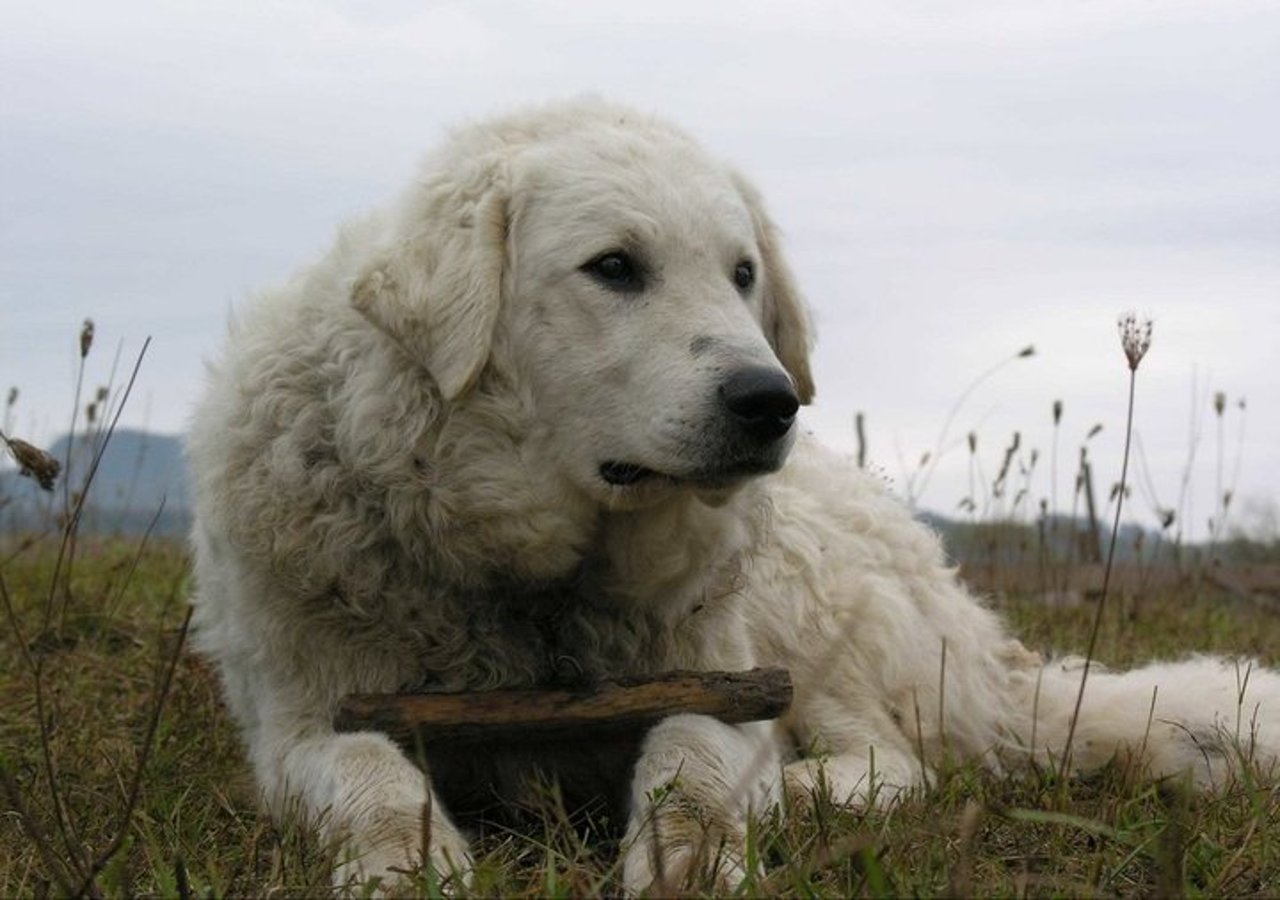
The Kuvasz has its origins on the Asian steppes and arrived in the Carpathian Basin alongside the migrating Hungarians. Its name means “protector” or “guardian”. In the Middle Ages, the breed was used not only to guard flocks but also for hunting—particularly bear and wolf. During the reign of King Matthias, Kuvasz dogs were held in especially high esteem; the king often gifted Kuvasz puppies to members of the nobility. Hungarian writer Dezső Kosztolányi had a profound bond with the breed, describing his own Kuvasz, named Hattyú, in a poem:
“Stand at the border, faithfully, old symbol,
in a false world, stand true,
stretch across the threshold like a forbidding statue,
guardian of my kind, wise Hungarian Kuvasz.”
— Dezső Kosztolányi: My Dog Hattyú
The current crisis: Alarming numbers
The population of Kuvasz dogs has plummeted in recent decades. According to the Hunnia Kuvasz Breeders’ and Cultural Association, only a few hundred puppies are born each year—and that is no exaggeration. Some sources report that no more than 180 registered Kuvasz puppies are born annually. Saving the breed will require not only the dedication of breeders but also the support of society as a whole.
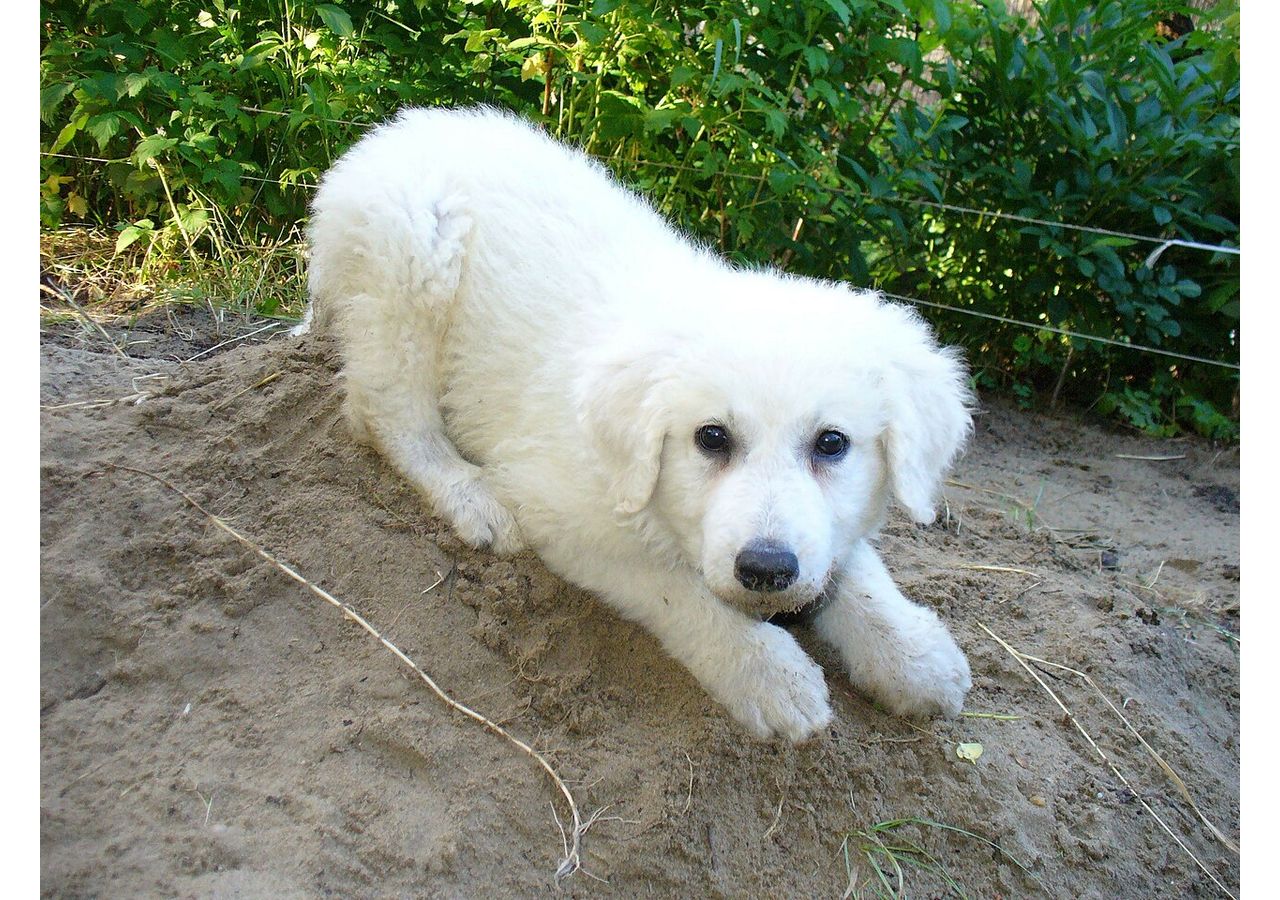
The Kuvasz’s decline may partly be attributed to its size—it is a large dog that requires plenty of space and exercise, making it significantly more expensive to keep than smaller, apartment-friendly breeds. Urbanisation and changing trends in dog ownership—such as increased interest in lapdog breeds—have further marginalised this ancient working dog, whose true calling lies in freedom and purpose.
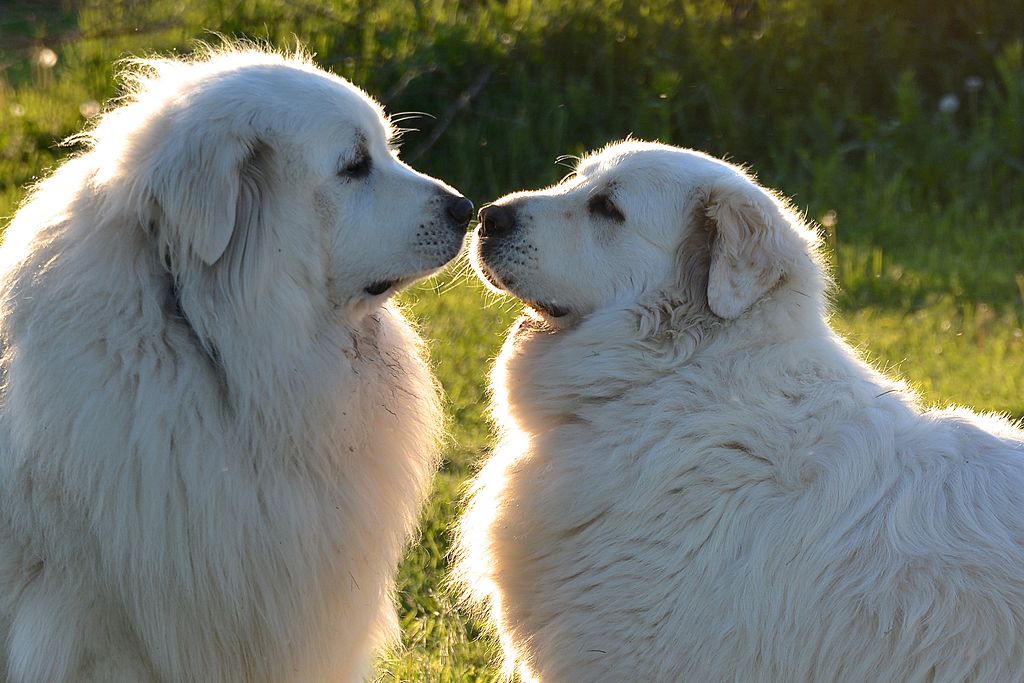
I have a Great Pyrenees, which is very similar to the Kuvasz in almost every way. Both are amazing breeds, but yes, they do need extensive training.