Subscribe to our social channels to get the latest news about Hungary!


Hungary celebrates women for more than one century on March 8th, but the day had a very different meaning in the different Historical eras of the country. Since the beginning of the 20th century, many of the women’s demands have been realised, but do we still have tasks in this regard in the 21st century?
As we reported before, the celebration of International Women’s Day was not always romantic. In 1910, a German politician, Clara Zetkin suggested during the Second International to create a Women’s Day and use it to demonstrate the attainment of the suffrage. As a result, for the first time in the world, International Women’s Day was held in Germany, Denmark, Switzerland and Austria on March 19th, 1911. The event aimed to focus social attention on the oppressed situation of the women and struggle for their right to vote.
Furthermore, they wanted
equal salaries, treatment at work, social and economic rights.
Regarding the date, for the first time in history women working in the textile industry demonstrated for equal wages and the reduction of working hours on March 8 1857, in New York. Other sources say that March 8th was chosen to commemorate a 1908 firestorm in a New York factory which resulted in the death of 129 women. The date was finalised in Russia when women demanded bread and peace on the same day in 1917.
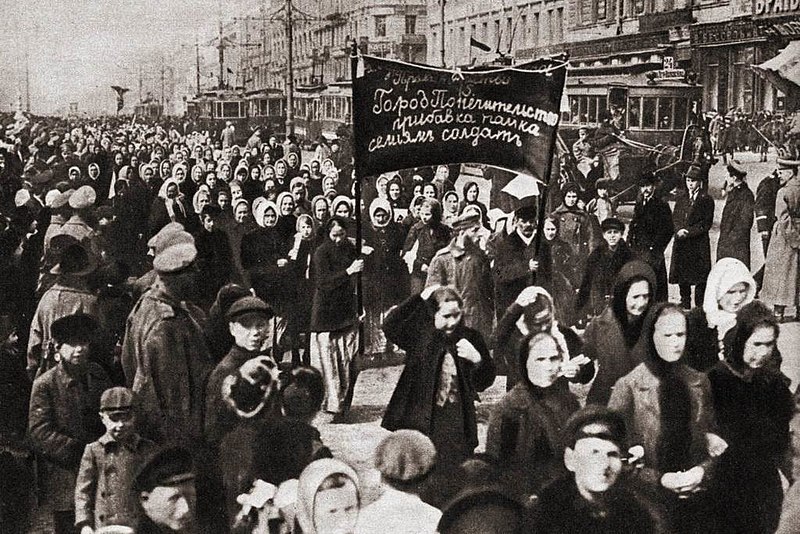
After women got suffrage in all countries, the Women’s Day lost its original meaning; however, it gained a new one after the liberal movements of the 1960s including the struggle for equal treatment at the workplace or sexual freedom. The United Nations proclaimed March 8th as the UN Day for women’s rights and world peace.
In Hungary, of course, everything was a bit different. The National Organization Committee of the Women already distributed leaflets in 1913, and it organised events in 1914 all over the country. For example, in Budapest, 800 women took part in the first Women’s Day in Hungary. This was something very new in the rigid and male-centred society of the Austro-Hungarian Monarchy; the political elite regarded them as leftist anarchists who want to undo millennia-old rules and customs. PM István Tisza did not want to give suffrage even for the poor men and, of course, he did not want to hear about women’s right to vote on the elections, as well. WWI put an end to such movements for a while but after the collapse,
the government of Mihály Károlyi introduced general suffrage for both men and women.
Furthermore, they passed several laws including equal pay for equal work; however, their administration lasted only for some months.
During the Horthy era, the social democrat tradition took a back seat and emphasis was put on motherhood even though, e.g. the suffrage for women was not abolished. The state organised the National Holiday of the Hungarian Mothers instead of Women’s Day from 1928 on trying to increase the birth rate in the country after the enormous losses of WWI.
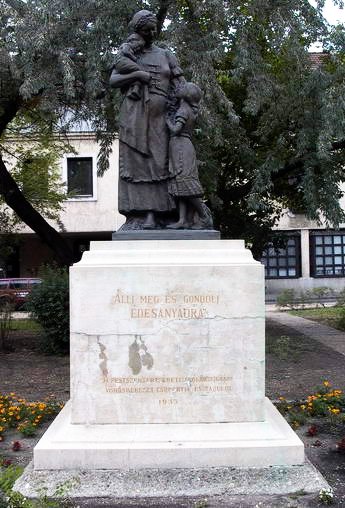
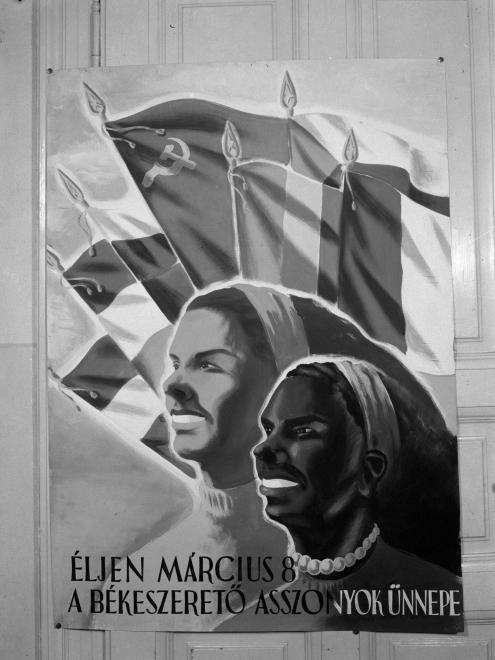
After WWII and the country’s occupation of the Soviet Empire, the emphasis was moved back to the International Women’s Day. In the Rákosi era, the holiday was obligatory, and the Democratic Alliance of the Hungarian Women organised it to be very spectacular. Of course, nobody struggled for equal rights or higher wages, but everybody had to celebrate the party, its leaders and Moscow. Furthermore, they promoted the new Socialist role model for women. This meant women working in agriculture or the industry and living in a nuclear family who struggle each day for peace.
After the change of the regime in 1989, the Women’s Day transformed into an ordinary day in which men give a bunch of flowers to their women colleagues, friends and relatives. However, according to feminist organisations, there are still many aims to struggle for since women do not receive equal pay for their work, many say that there should be more women politicians, managers or CEOs and they still suffer from various forms of discrimination at work not to mention sexual abuse or domestic violence.
It is interesting that March 8 is a public holiday in Russia nowadays.
HERE we collected the finest restaurants offering exclusive dishes for the occasion in Budapest.
Featured image: www.facebook.com/DebreceniViragkarneval/


