Subscribe to our social channels to get the latest news about Hungary!


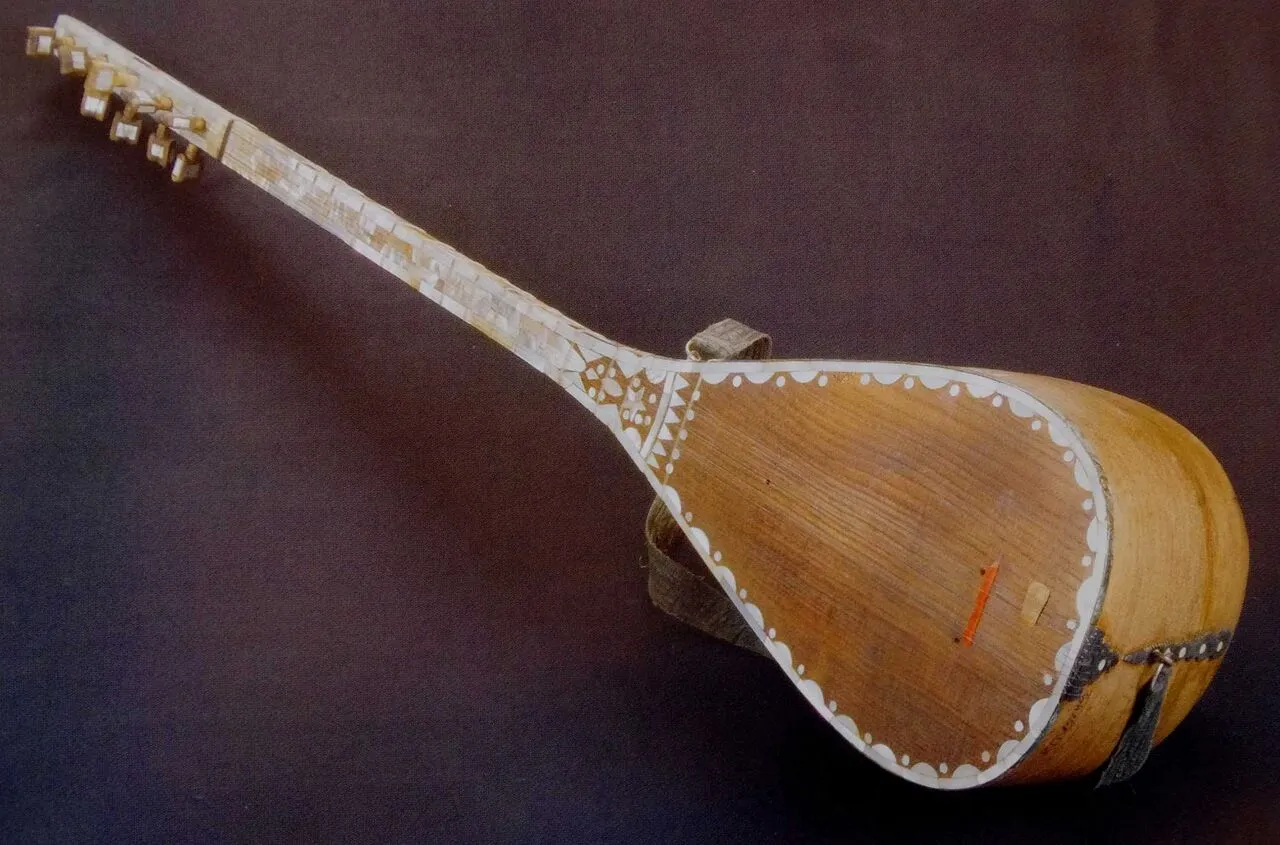
Amidst the embrace of the Caucasus Mountains—lands that have silently witnessed centuries of wind and migration—a voice rises. It is neither purely song nor simply poetry. It is the voice of the ashiqs – a bard who speaks with the saz, sings with words, and turns memory into melody.
In Western Azerbaijan—homelands steeped in Turkic lullabies, longing, and hope—ashiqs are more than musicians. They are living monuments, bearing the spirit, history, and sorrow of the people. In their epic tales, mountains speak, separation becomes song, and every verse turns into a collective memory.

The territory that now comprises modern-day Armenia, historically and politically known as Western Azerbaijan, was once home to a rich Azerbaijani Turkic heritage. The historical presence of Azerbaijanis in regions such as Iravan, Goycha, Zangibasar, Vedibasar, Abaran, and Darelayaz remains deeply rooted and traceable. Although the demographic and cultural composition of the region has been deliberately altered, the indelible imprints of Azerbaijani culture, history, and art continue to resonate.
The art of Azerbaijani Ashiqs combines poetry, storytelling, dance and vocal and instrumental music into a traditional performance art that stands as a symbol of Azerbaijani culture. Characterized by the accompaniment of the saz, a stringed musical instrument, the classical repertoire includes 200 songs, 150 literary-musical compositions known as dastans, nearly 2,000 poems in different traditional poetic forms and numerous stories. The regional variations may include other musical instruments, but all are united by a common national language and artistic history.
Saz-like instruments have been familiar to humanity since ancient times. Sumerian artifacts show musicians holding a frame drum and a saz-shaped instrument. Even on a 12th-century BC vessel from the Kassite period, now kept in the Louvre Museum, one can clearly see an ancient figure playing what looks very much like a saz.

Ashiqs take part in weddings, friendly parties and festive events throughout the Caucasus and appear on concert stages, radio and television, sometimes synthesizing classical melodies with contemporary ones as they continue to recreate their repertoire.
Their art is considered an emblem of national identity and the guardian of Azerbaijani language, literature and music. Even as Ashiqs represent the consciousness of a people, they also help to promote cultural exchange and dialogue: Kurds, Lezhins, Talishes, Tats and other ethnic groups living in the country often perform the Ashiqs’ art, and their poems and songs have spread across the region. In medieval Azerbaijan, ashiqs gatherings were more than musical performances—they were platforms of enlightenment and moral instruction. Ashiqs were educators and advocates of justice, using their craft to spread knowledge and social consciousness.
Ashiqs art is inherently syncretic—blending music, poetry, storytelling, pantomime, and theatrical performance. True “ustads” (masters) combined poetic talent, musical composition, dramatic expression, and even elements of dance and movement.
While some ashiqs specialize only in playing the saz, others focus on writing verses. However, the defining feature of this tradition is its oral transmission—melodies and techniques are passed down through performance rather than notation. Ashiqs do not merely replicate melodies—they innovate and reinterpret them, enriching the tradition.
Classic forms include bayati, gerayli, goshma, mukhammas, divani, and tajnīs. There are over 80 distinctive “hava” forms, such as “Ruhani”, “Keremi”, “Afshari” and “Dilgami”, each with regional variants.
Dastans, long-form epic stories combining prose, verse, and music, are a core genre of ashiqs art. These include heroic epics like “Koroghlu” and romantic epics like “Asli and Kerem”.
In Goycha, the ancestral land of the Aq Qoyunlu lineage, a distinguished ashiqs school flourished. Legendary ashiqs like Ashiq Alasgar, Ashiq Ali, and Ashiq Huseyn Bozalganli made significant contributions to Azerbaijani folk literature. Among them, Ashiq Alasgar (1821–1926) stands as a towering figure. His poetic mastery, lyrical richness, and unforgettable epic compositions make him a pinnacle of both Western Azerbaijani and broader Azerbaijani culture. Illiterate but remarkably gifted, he memorized his works with precision that amazed scholars and audiences alike.
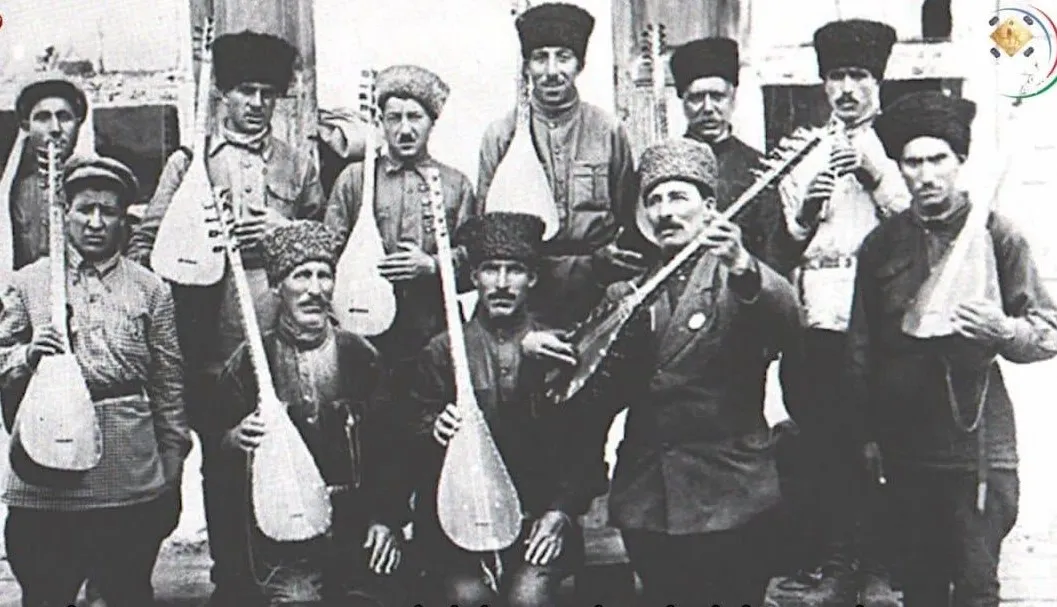
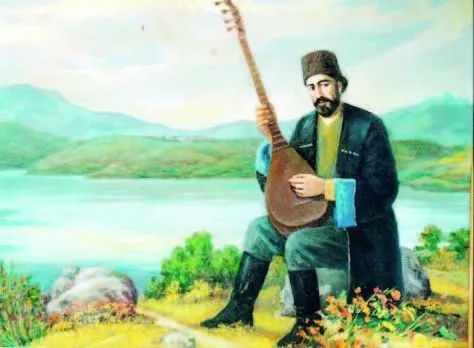
Prominent folk artist, genius of Azerbaijani poetry and bright Ashiq Alasgar created works reflecting the spirit of our people and brought new breath to the thousand-year-old traditions of ozan-ashiq art.
With ancient roots, ashiqs art is now globally recognized. In 2009, Azerbaijan’s ashiqs art was inscribed on the UNESCO Representative List of the Intangible Cultural Heritage of Humanity, affirming its value as one of the world’s oldest living oral traditions.
Today, saz music is actively preserved in Azerbaijan. It is taught in music schools and conservatories, supported by national competitions and international festivals that nurture new generations of ashiqs.

Western Azerbaijan is not just a geographical space—it is a vital cultural and historical part of the Azerbaijani identity. The ashiqs tradition born there continues to enrich and define Azerbaijani heritage.
This article is presented by the Impartial Journalists Organization of Azerbaijan.
Read more news about Azerbaijan:
Hungary and Azerbaijan team up: New universities, scholarships, and even Attila the Hun exhibit!
Azerbaijan marks State Sovereignty Day: statement by the Embassy in Budapest


