Subscribe to our social channels to get the latest news about Hungary!


A newly discovered oil field in Hungary is offering fresh momentum for domestic oil production and reducing reliance on imports.
As Index writes, the discovery and current production from the oil field in Hungary near Somogysámson mark a turning point in the country’s energy strategy. Operated by MOL, the Som-8 well is already yielding 1,400 barrels of oil per day, contributing 1.5% to the company’s total hydrocarbon output. Found at a depth of 1,250 metres in dolomite rock, this oil is continuously transported to the refinery in Százhalombatta. The adjacent Som-7 well is currently being drilled to map the field more extensively and increase overall output. These efforts are not only economically vital but also enhance national energy security by reducing dependence on imports.
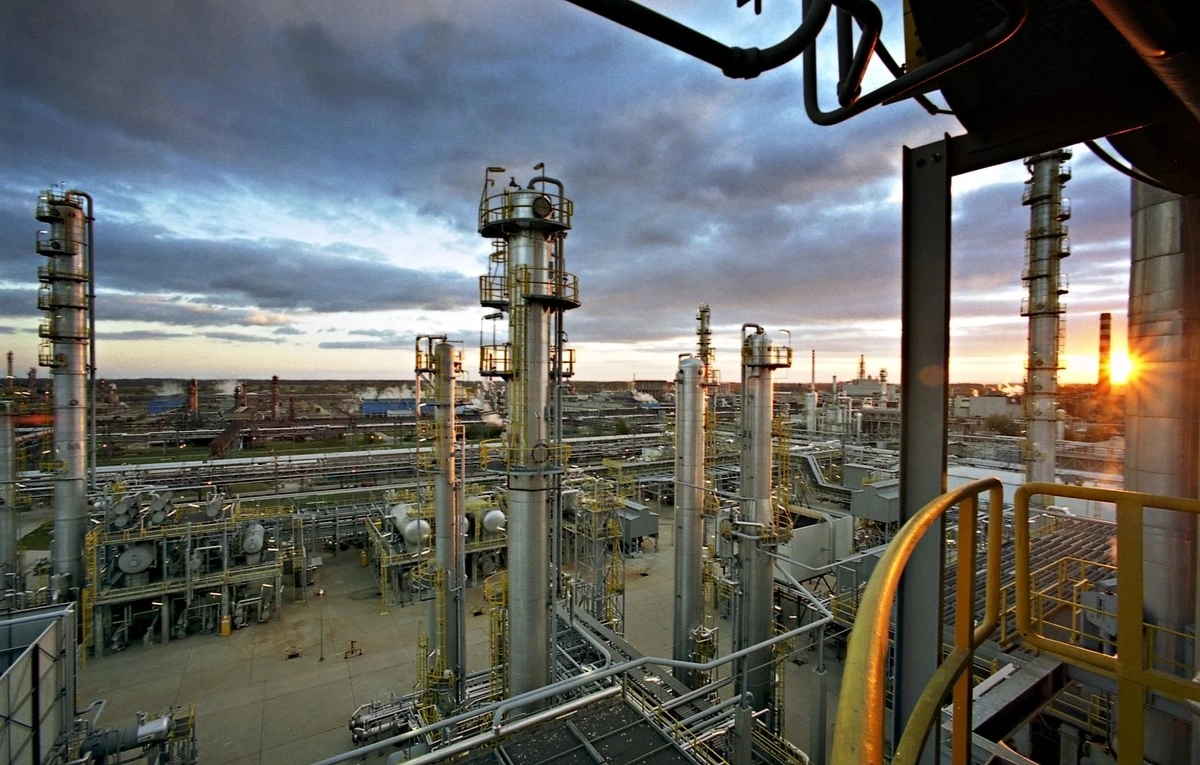
MOL’s exploration began in late 2024, with drilling on Som-8 completed in just over a month. By February 2025, test production had commenced, quickly rising from 1,200 to 1,400 barrels per day. The drilling of the deeper Som-7 well began in May, with expectations of reaching 1,500 metres by mid-June. If test results are favourable, production could begin within days. According to MOL’s directors, the Somogysámson oil field represents a critical phase in Hungary’s broader energy development programme, and is being treated as a top priority.
MOL’s investment strategy includes HUF 40 billion (EUR 99 million) annually for R&D to counteract the ageing of existing fields. While success in oil exploration is never guaranteed, with only a 25-30% success rate, wells like Som-8 demonstrate that such risks can pay off significantly. The logistics of the area are favourable, allowing for efficient integration into Hungary’s infrastructure. Local oil is sent to the Danube Refinery, where it is processed alongside Ural crude. Moreover, this semi-heavy domestic oil is of superior quality for refining. Therefore, it adds economic value and ensures a steadier fuel supply chain in times of geopolitical uncertainty.
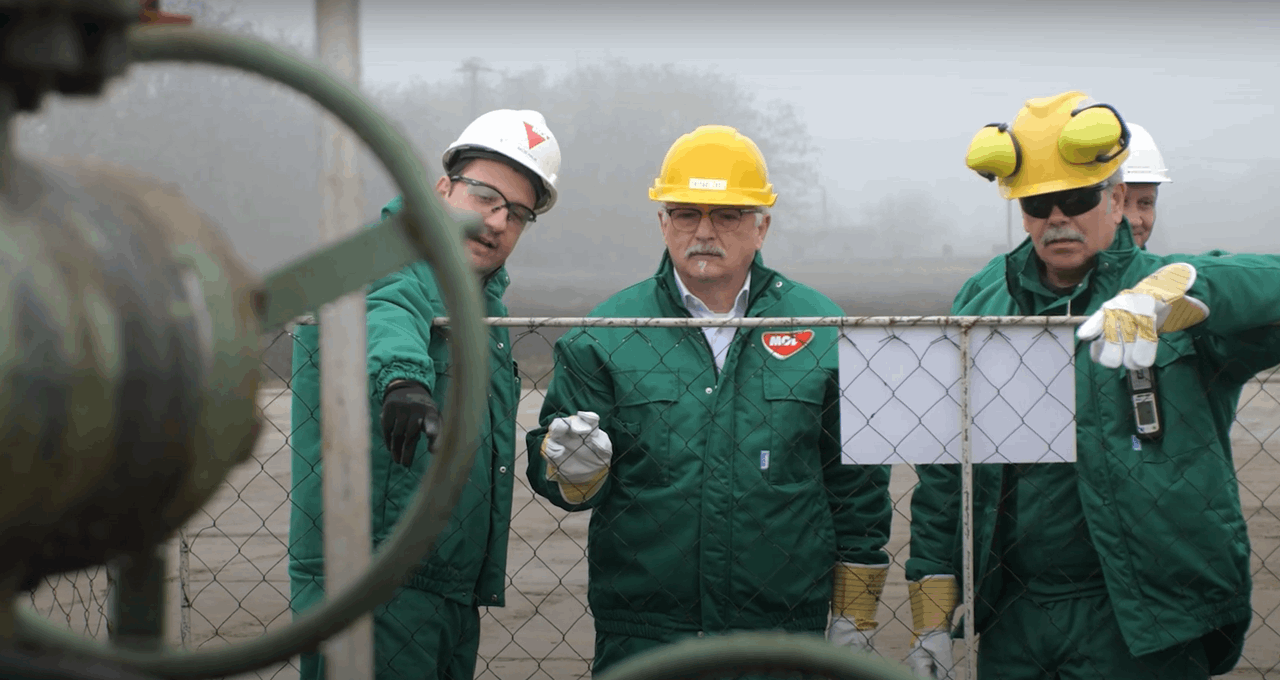
Beyond economic returns, the oil field in Hungary at Somogysámson represents a symbolic and strategic revival of domestic energy production. With Hungary producing around 10% of its oil needs and nearly one-sixth of its gas, such discoveries strengthen the country’s energy buffer. MOL is expanding its partnerships and concessions, but current attention is focused on the success of Som-8 and the ongoing work at Som-7.
Hungarian oil and gas company MOL’s well in Somogysamson (W Hungary), where drilling began in November, is now producing 1,400 barrels of crude per day, about 1.5pc of group-level production, Mol Hungary managing director Gyorgy Bacsa said on Tuesday. MOL is the largest hydrocarbon producer in Hungary, accounting for 47pc of domestic crude and nearly 90pc of natural gas production, Bacsa said.
Click HERE for more news about MOL.
Read also:


