Subscribe to our social channels to get the latest news about Hungary!


The fifth annual international Ikarus bus gathering took place in 2023 in the Aeropark, the aviation museum located near the Budapest Airport. The event brought together more than 100 classic vehicles from Hungary and beyond. Here is a report about what you could see there and what you should know about that famous Hungarian success brand.
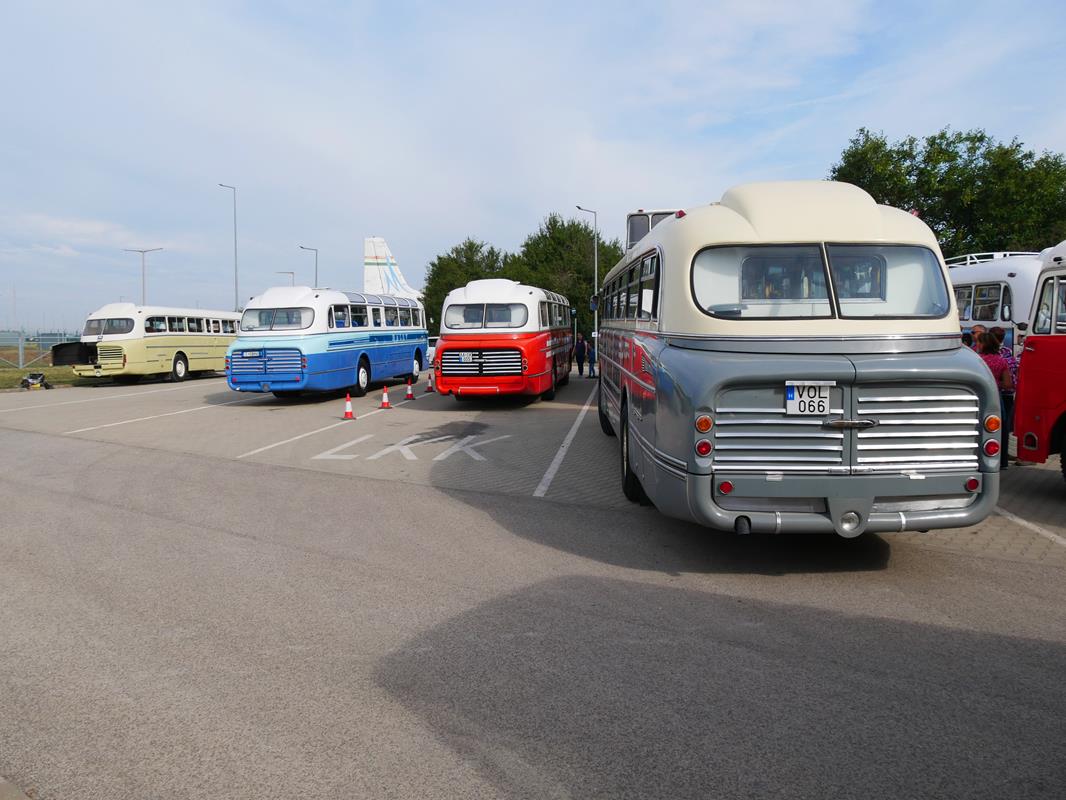
In mythology, Icarus was the first man to fly, embodying curiosity, ambition, and ingenuity. His story represents the drive to overcome fear and achieve great things.
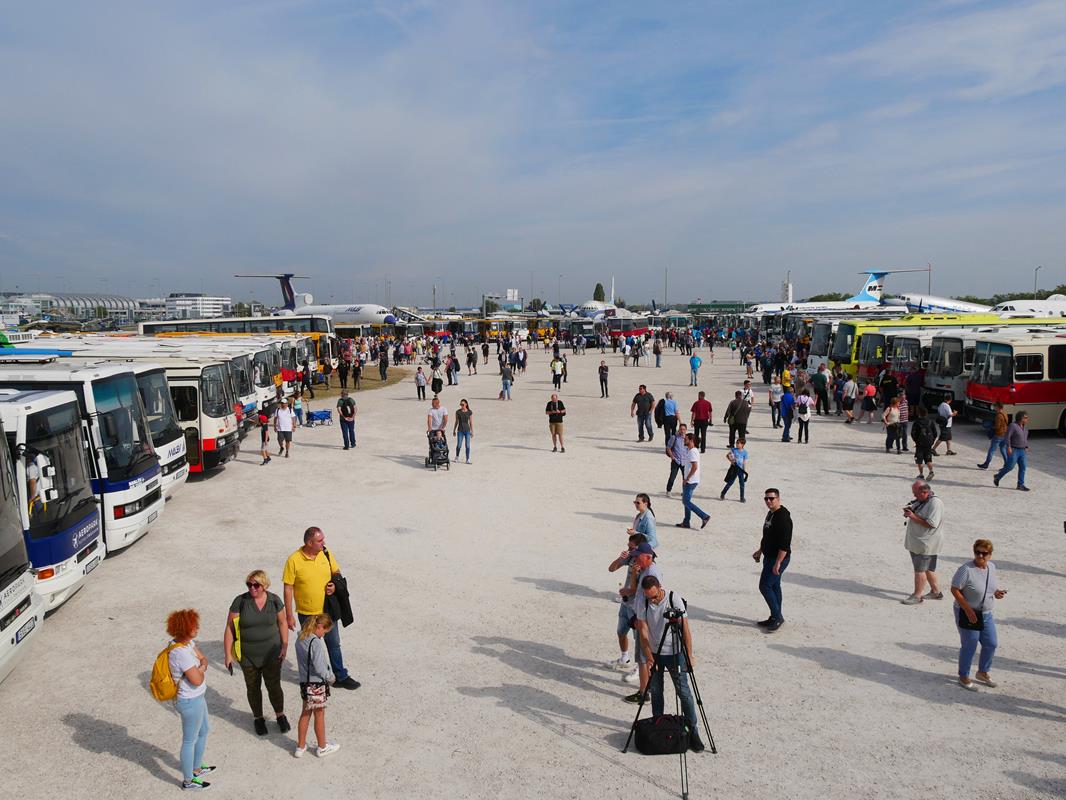
The event showcased over 100 Ikarus buses, including rare and unique models in addition to well-known intercity, suburban, and urban models. Visitors had the chance to see exclusive or limited-production versions such as the double-decker Ikarus, a conference bus used by East Germany’s government, rare models from British airports, ambulances converted from buses, and beautifully restored vintage models like the Ikarus 30, 311, 60, 55, 66, 180, 620, 630, and various double-deckers.
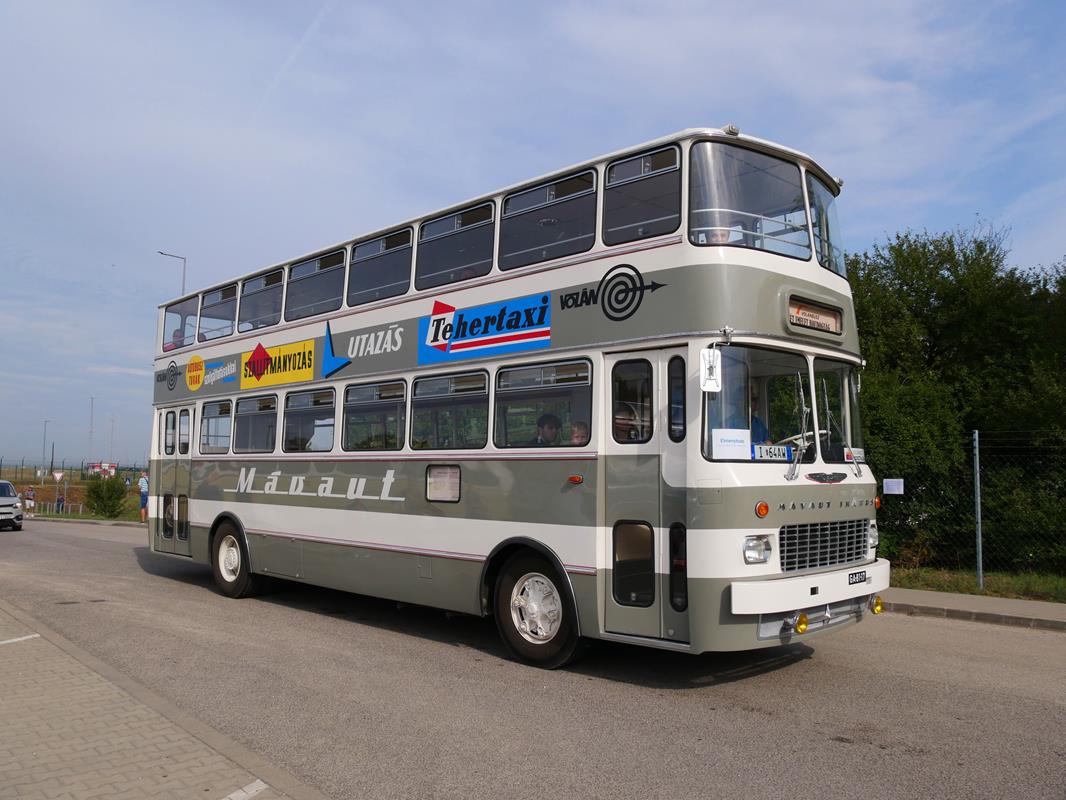
Despite once being one of the world’s largest bus manufacturers, Ikarus never maintained a historical collection of its own vehicles. Today, preserved buses belong to museums, transportation companies, former drivers, mechanics, and dedicated enthusiasts who occasionally bring them out for public viewings, drawing significant interest. Attendees not only had the opportunity to admire these classic buses but could also board them and experience their unique interiors and atmosphere firsthand. In Hungary, there is a deep-seated passion and respect for domestically manufactured vehicles, whether they are locomotives, motorcycles, or buses.
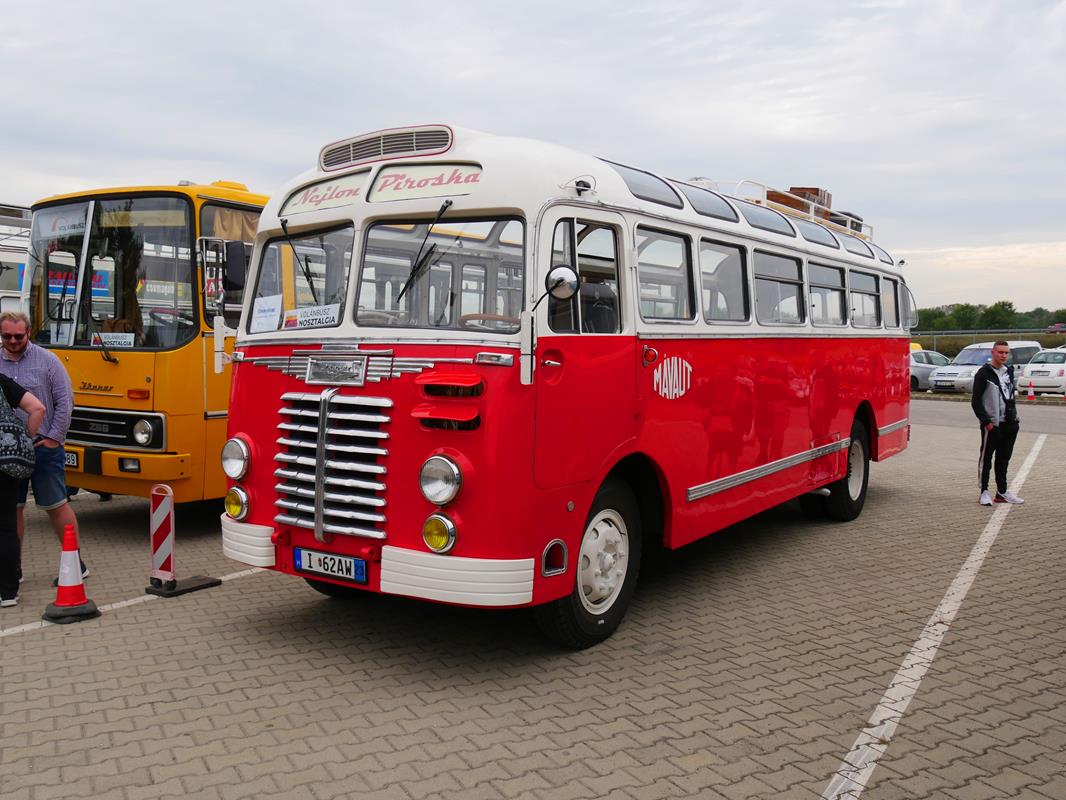
The name Ikarus evokes memories of one of Hungary’s most successful industrial products of the 20th century. Established in 1949 through the merger of three nationalized companies, Ikarus Karosszéria és Járműgyár (Ikarus Body and Vehicle Factory) soon became a major global player in bus production. The name first appeared on an MÁVAG Tr 5 model with a 55-seat capacity, but the first true Ikarus bus was the self-supporting Ikarus 30, introduced in 1950. This model, with a top speed of 78 km/h, gained the nickname “Nylon” among passengers, as its rooftop window design caused extreme heat in summer, much like the fashionable nylon shirts of the era.


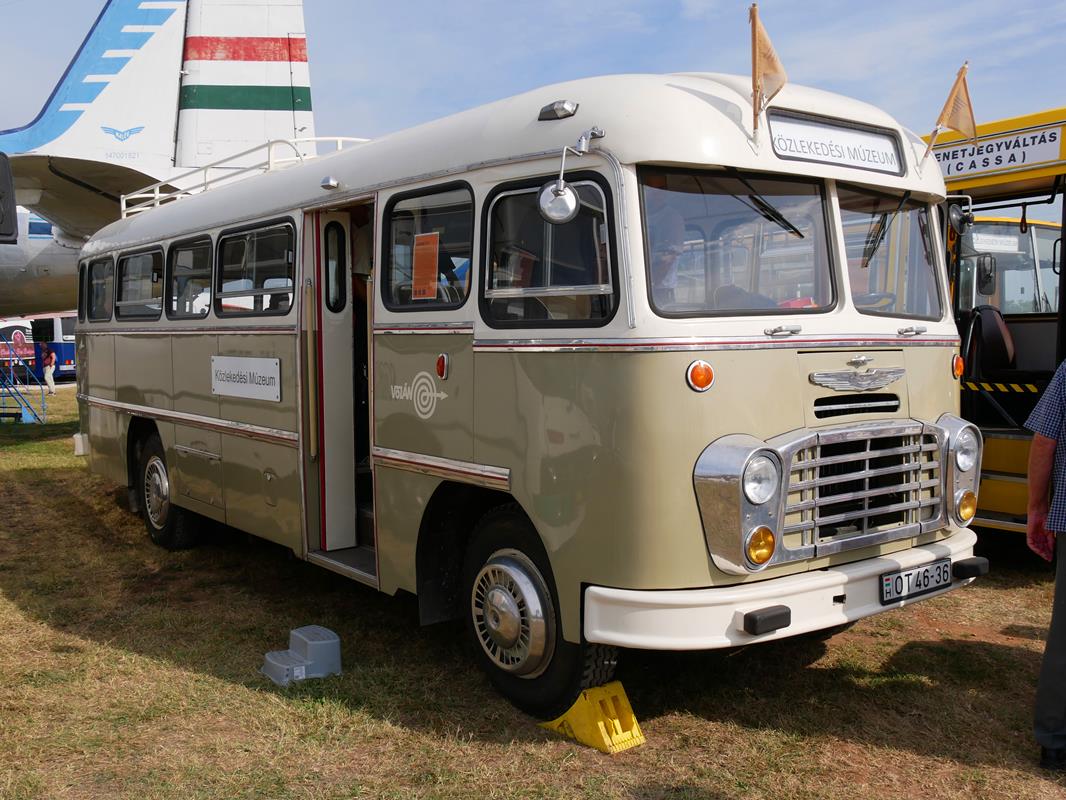
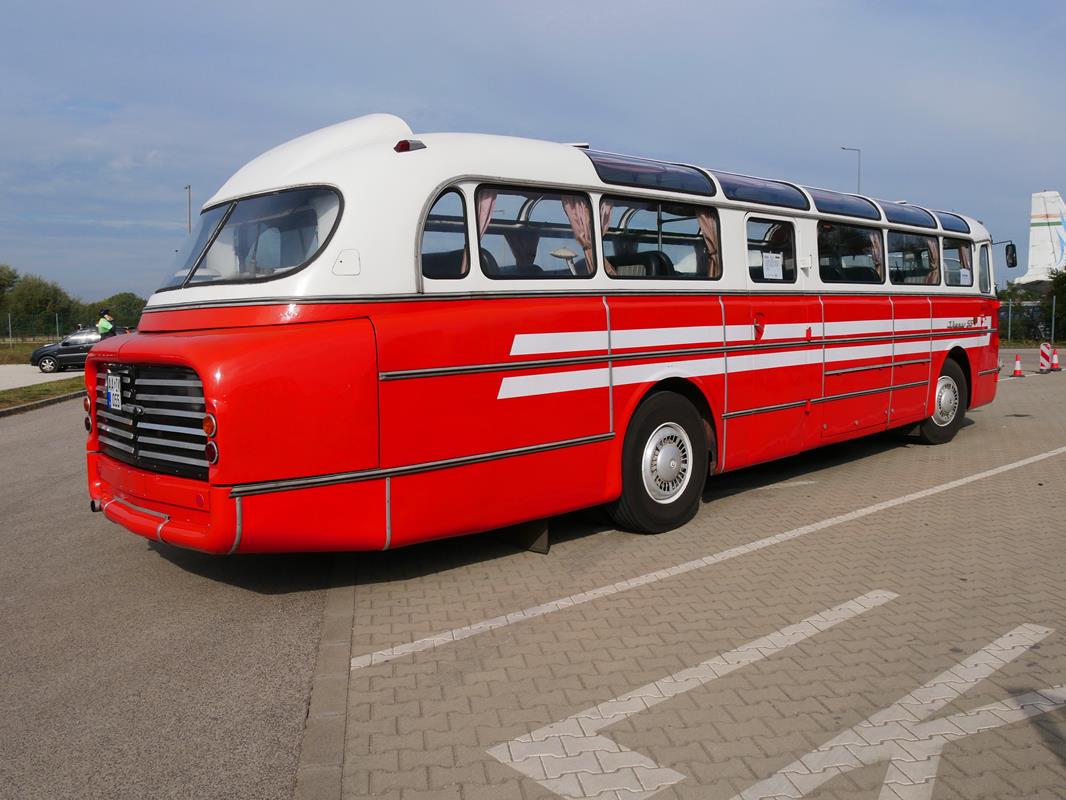
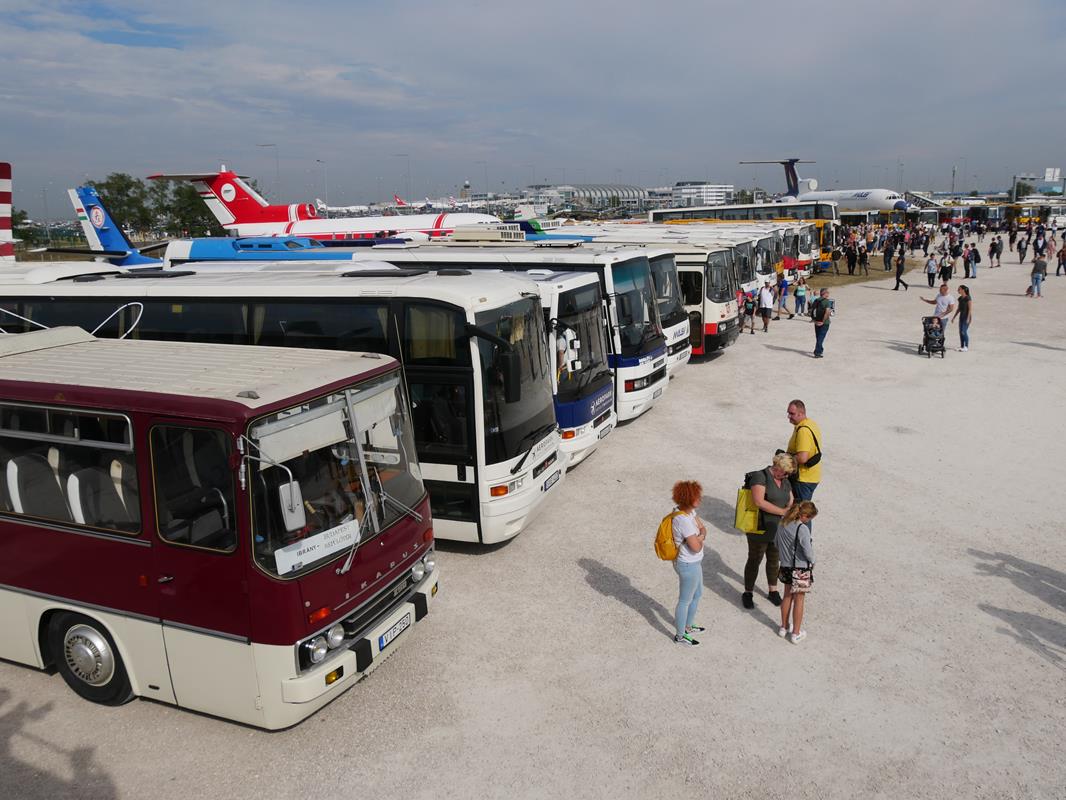
The models from the 1950s and 60s are so gorgeous. Nothing they come up with today begins to compare to that elegance…
When you see the older buses it really makes you look. The design, the engineering and the pride in how well they are made. Back in the days when it didn’t matter if something was just made for it’s utility, they still had the pride to make it beautiful. We could take lessons from that today.