Subscribe to our social channels to get the latest news about Hungary!


I personally think that the simplest meals are the greatest. And there is no simpler dish than tócsni. If you have ever visited one of the many wonderful Christmas fairs in Budapest (or in any other city in Hungary for that matter), you most probably came across tócsni. Tócsni is a typical festival food usually sold in fairs, markets, festivals, anywhere with wooden cottages selling food. This article provides a little bit of background to this dish as well as a really good recipe you can try today.
This meal is the one which has dozens of different names depending on which side of the country you are in. You might hear all of the following names, all of which refer to the same dish: bere, beré, berét, berhe, bodag, bramborák, cicedli, cicege, enge-menge, görhöny, harula, huláble, kremzli, krumpliprósza, lapcsánka, lapotyka, lapsi, lepcsánka, lepkepotyi, matutka, nyist, pacsni, pacsa, placki, ragujla, recsege, röstiburgonya, rösztike, taccs, tócsi.
[button link=”https://dailynewshungary.com/recipe-week-ujhazi-chicken-soup/” type=”big” newwindow=”yes”] Recipe of the week: Újházi chicken soup[/button]
Tócsni is a fried dish made out of raw grated potatoes, flour and eggs. It is a national food that invokes the poorest of times. People were creative and made the most out of the little that they had. Potatoes, flour and eggs were accessible to everyone, and these ingredients were quite cheap too.
The true origin of tócsni is not known for sure, but presumably it comes from Upper Hungary that is now part of Slovakia. Its name hlebcsánka means bread in Slovakian. It has many versions, people from different parts of Europe make it differently: the Swiss have their rösti, the Swedish have rarakor, the Anglo-Saxons have their hash browns and the Hungarians have tócsni. At the end of the day, these are all very similar dishes.
The main theme is the same, no matter what you call it: raw grated potato fried in oil. You might think that this is so simple that there is no way it can be good. Well, trust me. You will not be able to stop once you have tried tócsni, it is addictive just like the other famous fried wonder of Hungary: lángos.
The recipe below is from Nosalty.hu and it is the original, simplest recipe one can find. Of course, there are hundreds of variations.
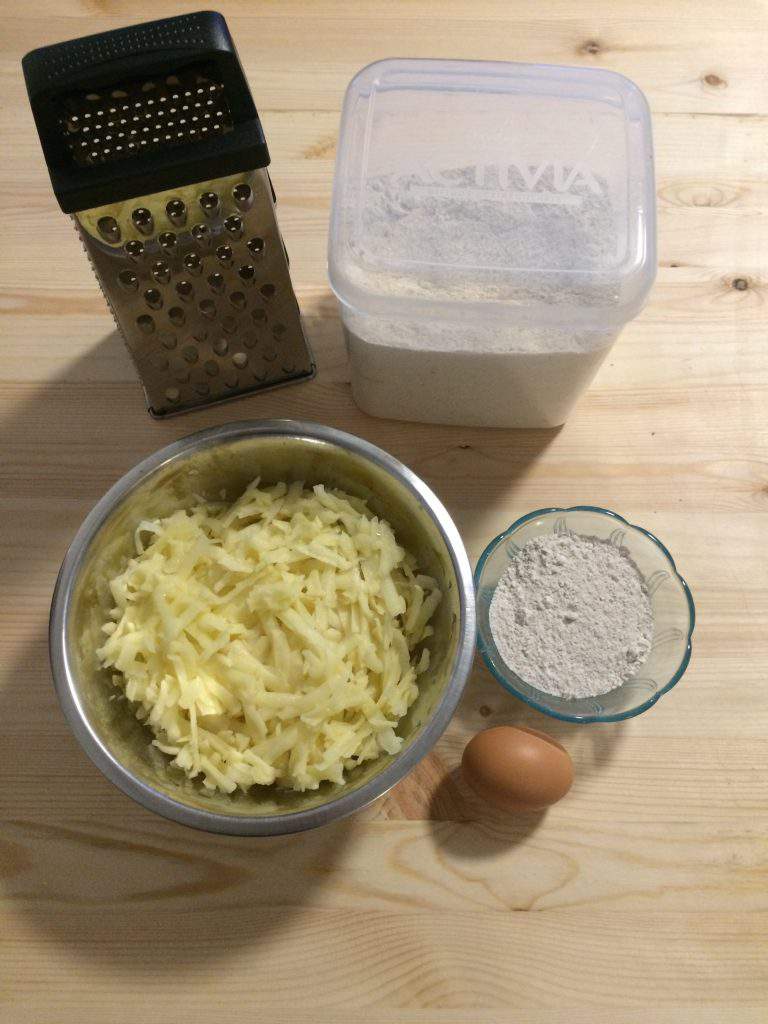
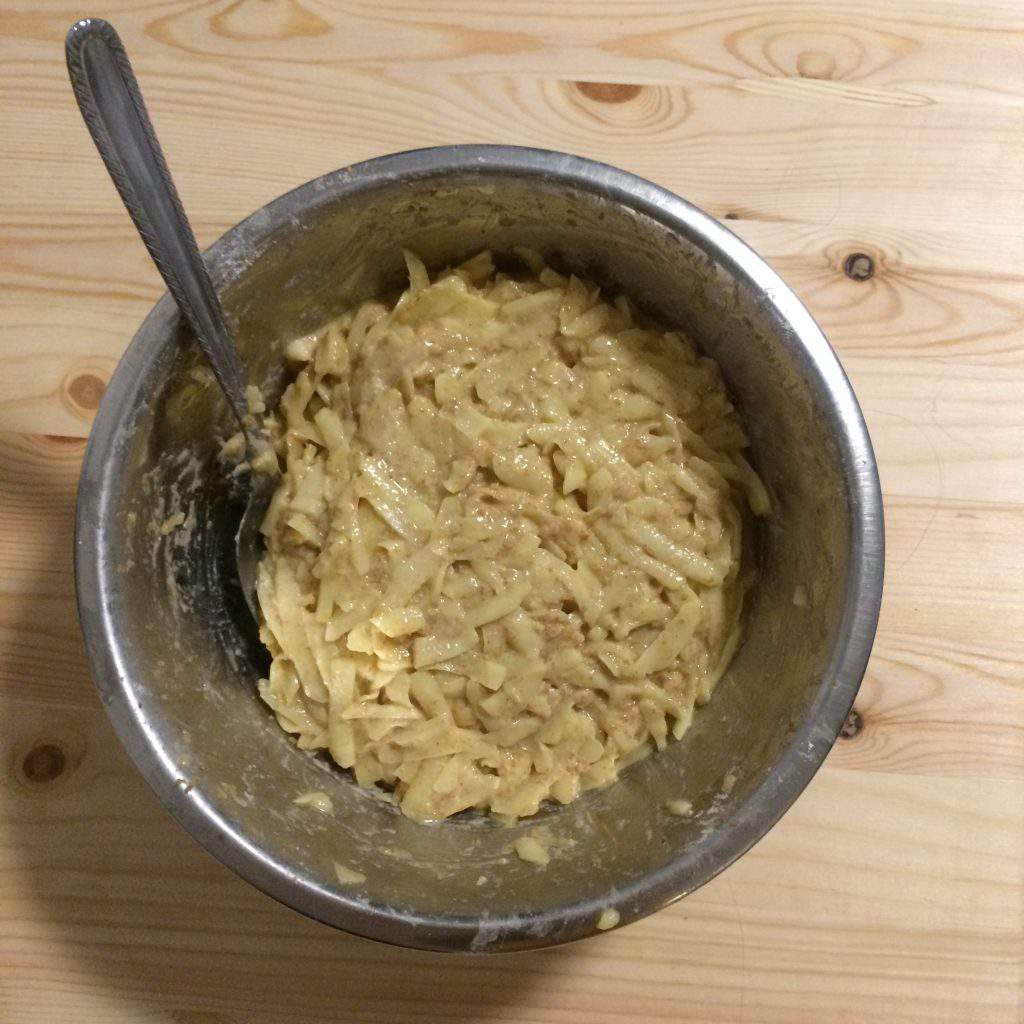
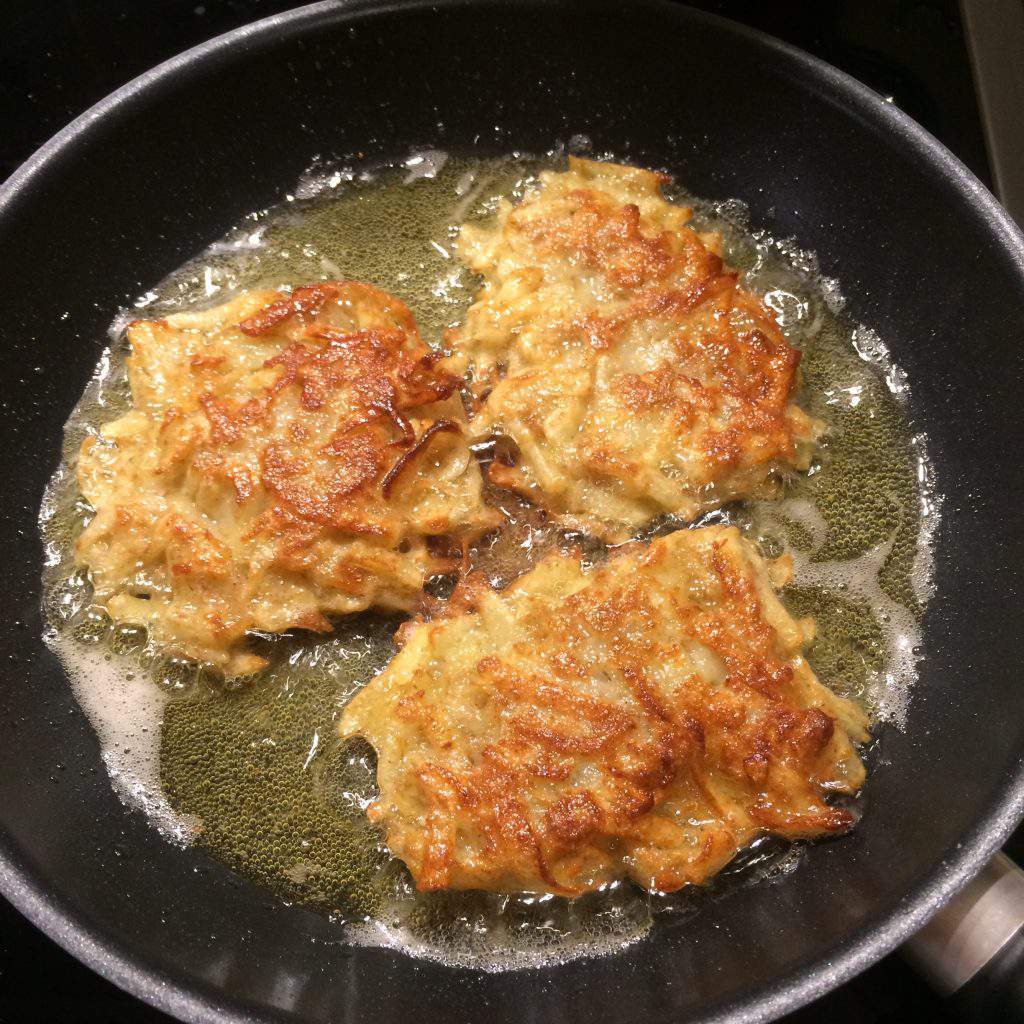
You can eat them on their own or you can put toppings on top such as sour cream and cheese.
Featured image: Nosalty.hu/recept/rusztikus-tocsni
Source: www.nosalty.hu


Thanks for writing this, I used to love eating these growing up. Only small change I’d suggest is squeezing out the excess water from the grated potatoes.