Subscribe to our social channels to get the latest news about Hungary!


Sponsored content
Paint by numbers is easy and accessible, making it perfect for anyone, even those who don’t know how to paint. This creative hobby has a fascinating history, tracing back to the 1950s when it was first introduced by artist Dan Robbins. He wanted to make art accessible to everyone, regardless of their skill level. The concept is simple: a canvas is pre-printed with light blue or gray lines to indicate areas to paint, each marked with a number that corresponds to a specific paint color.
For those with no previous painting experience, paint by numbers offers a structured yet creative way to produce beautiful artwork. It takes away the fear of making mistakes and allows people to focus on the joy of painting. By following the numbers, anyone can transform a blank canvas into a masterpiece, experiencing the satisfaction of creating art without the need for formal training.
This method not only teaches basic painting techniques but also helps improve concentration and patience. The repetitive motion of brushing paint onto canvas can be meditative, offering a therapeutic escape from daily stress. Whether you’re painting a serene landscape, a vibrant flower, or a majestic animal, paint by numbers is a journey into art history and creativity that anyone can enjoy.
Starting your paint by numbers journey can be an incredibly fun and rewarding experience. If you’re just starting out, choose an easy paint by numbers kit to get the hang of it. Mini paint by number kits are the choice for beginners, offering simple designs that are less overwhelming and more manageable.
As you begin, it’s important to work patiently. Rushing through the process can lead to mistakes and frustration. Instead, take your time and enjoy each brushstroke. Creating a routine can also be helpful; set aside a specific time each day or week for your painting sessions.
When you start painting, start with light colors, then move to darker colors. This technique helps to create depth and dimension in your artwork. It also makes it easier to correct any mistakes with lighter colors before adding the darker shades.
Finally, keep your working place tidy. A clean and organized workspace can make the painting process more enjoyable and efficient. Have all your supplies within reach and clean your brushes regularly to maintain the quality of your work.
By following these tips, you’ll find that painting by numbers is a relaxing and fulfilling activity that allows you to create beautiful art while boosting your mental health.
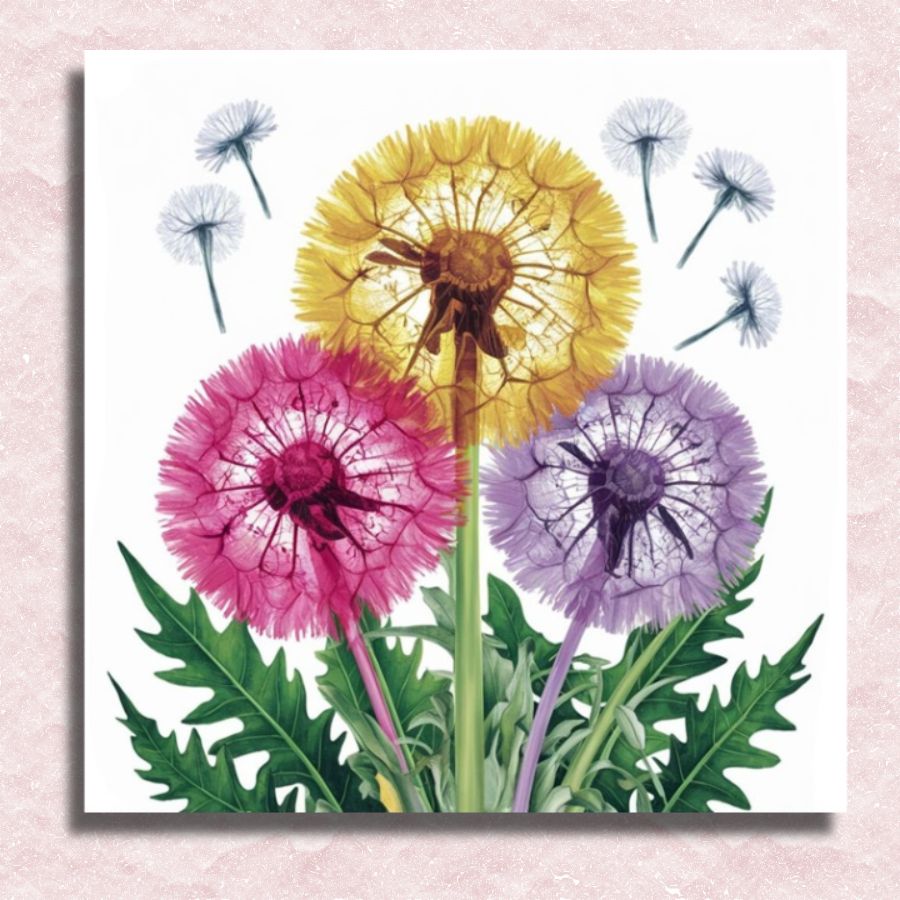
Discovering the best painting ideas for your paint by numbers projects can make the experience even more enjoyable. One popular choice is flowers. Whether it’s a field of wildflowers or a bouquet of roses, floral designs are always a delight to paint. They bring a touch of nature indoors and add a splash of color to your home decor.
Landscapes are another fantastic option. Painting serene scenes of mountains, rivers, or forests can be incredibly calming. These scenes can transport you to a peaceful place, allowing you to relax and focus on the beauty of nature. They are perfect for creating a sense of tranquility in your space.
For those who love art history, why not try your hand at a famous masterpiece from van Gogh? Reproducing his iconic works like “Starry Night” or “Sunflowers” can be a fulfilling challenge. It allows you to connect with the techniques and styles of one of history’s greatest artists, all while creating your own stunning version of his masterpieces.
Animal lovers will find joy in painting various creatures. From majestic lions to playful kittens, animals make wonderful subjects for paint by numbers projects. These paintings can capture the beauty and character of your favorite animals, making them perfect for display in your home.
Choosing the right painting ideas can enhance your paint by numbers experience, making it a delightful and therapeutic hobby.
Disclaimer: the author(s) of the sponsored article(s) are solely responsible for any opinions expressed or offers made. These opinions do not necessarily reflect the official position of Daily News Hungary, and the editorial staff cannot be held responsible for their veracity.


