Subscribe to our social channels to get the latest news about Hungary!


In the coming weeks, one of the largest urban development projects in downtown Mohács will break ground, giving Széchenyi Square and its surroundings a complete makeover. The project, worth more than 15 million euros (HUF 6 billion), will be carried out by Épkar Plc and ties into the key initiatives of the Mohács 500 commemorative year.
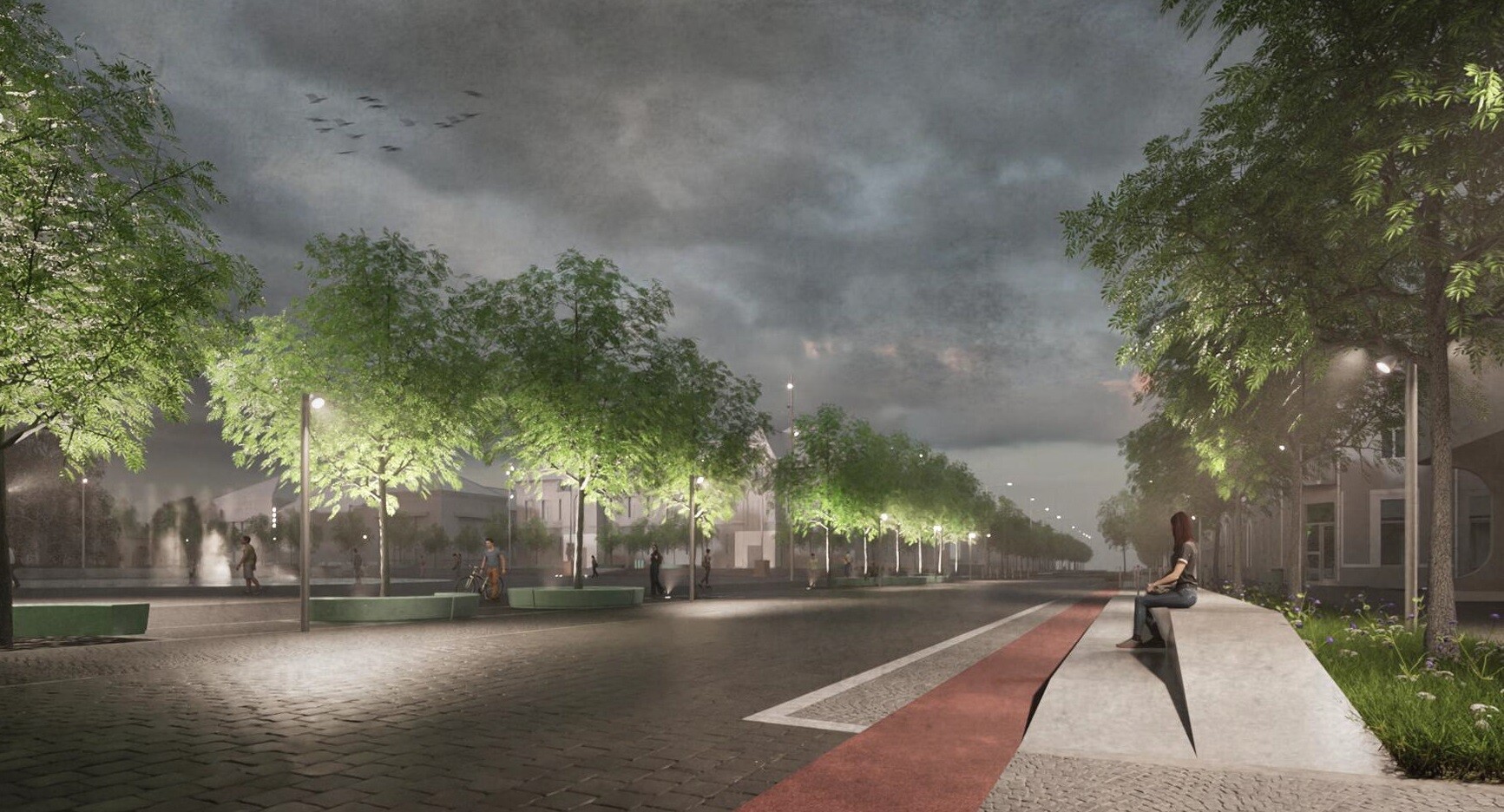
The city council recently concluded two major public procurement processes, one of which covers the comprehensive renewal of Széchenyi Square and the area around the Vow Church. The redevelopment will affect approximately 30,000 square metres, including Szabadság Street, the pedestrian promenade, the park and the playground behind the church.
The construction site handover is expected in early September, with a completion deadline of 650 days. Local residents will still have access to the square during renovations, and the annual Busójárás Festival will not be affected. The HUF 6.062 billion gross project is fully funded by the state, meaning that the city of Mohács will not need to provide any matching funds.

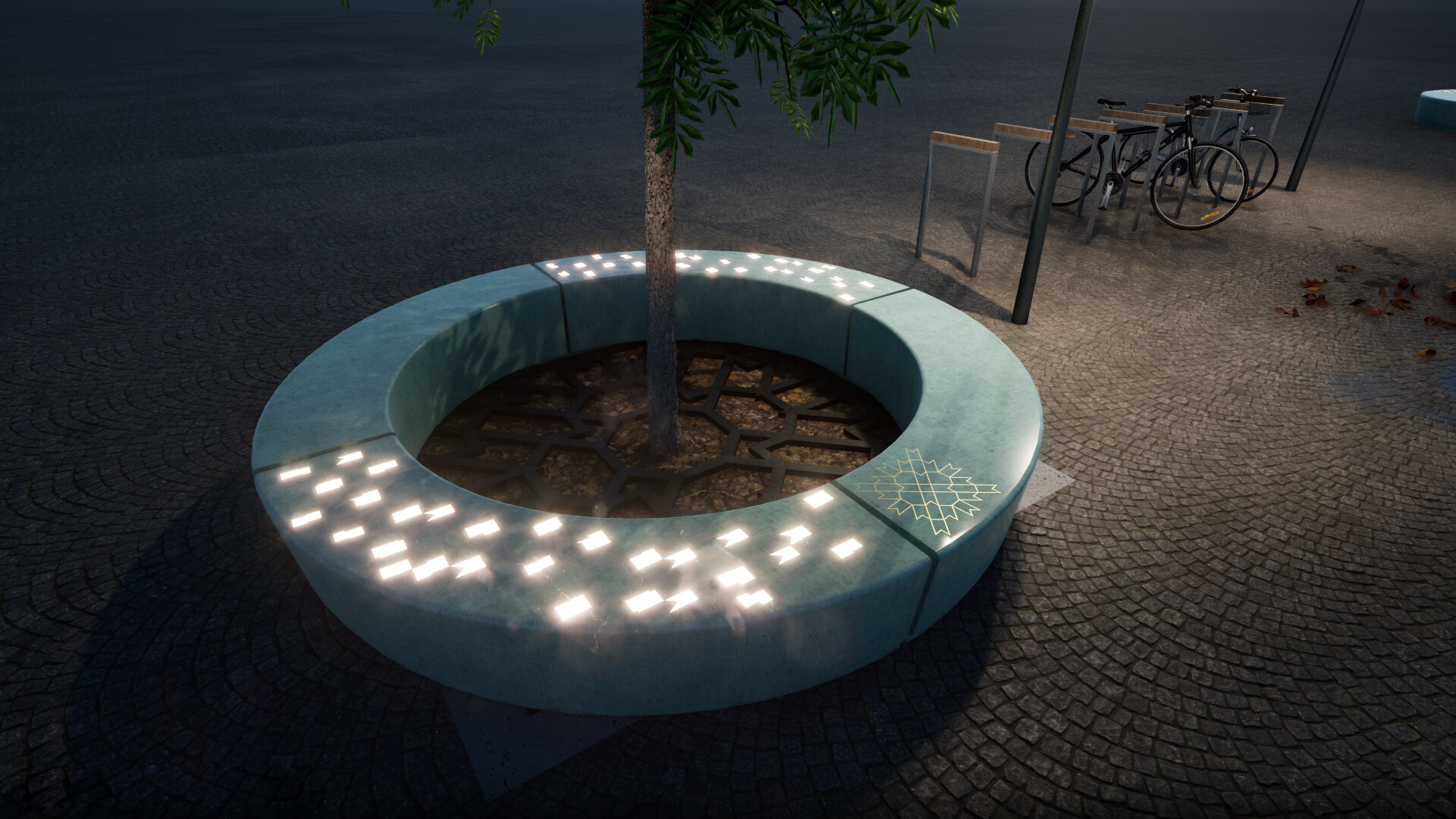
The goal of the project is to create a city centre that is both modern and respectful of its historical legacy. New paving, street furniture and lighting will establish a unified look while preserving the iconic basalt stone pattern. A central amphitheatre-style event space will serve as a venue for cultural programmes. Among the highlights are a sunken fountain and a memorial feature called the “Blood Stream”, honouring fallen heroes. The project also includes new, energy-efficient street lighting and a complete overhaul of public utility infrastructure.
The number of parking spaces will increase from 53 to 91, alongside the construction of a new playground and an accessible public lavatory. Traffic in the area will be managed with retractable bollards to preserve the pedestrian-friendly nature of the city centre.

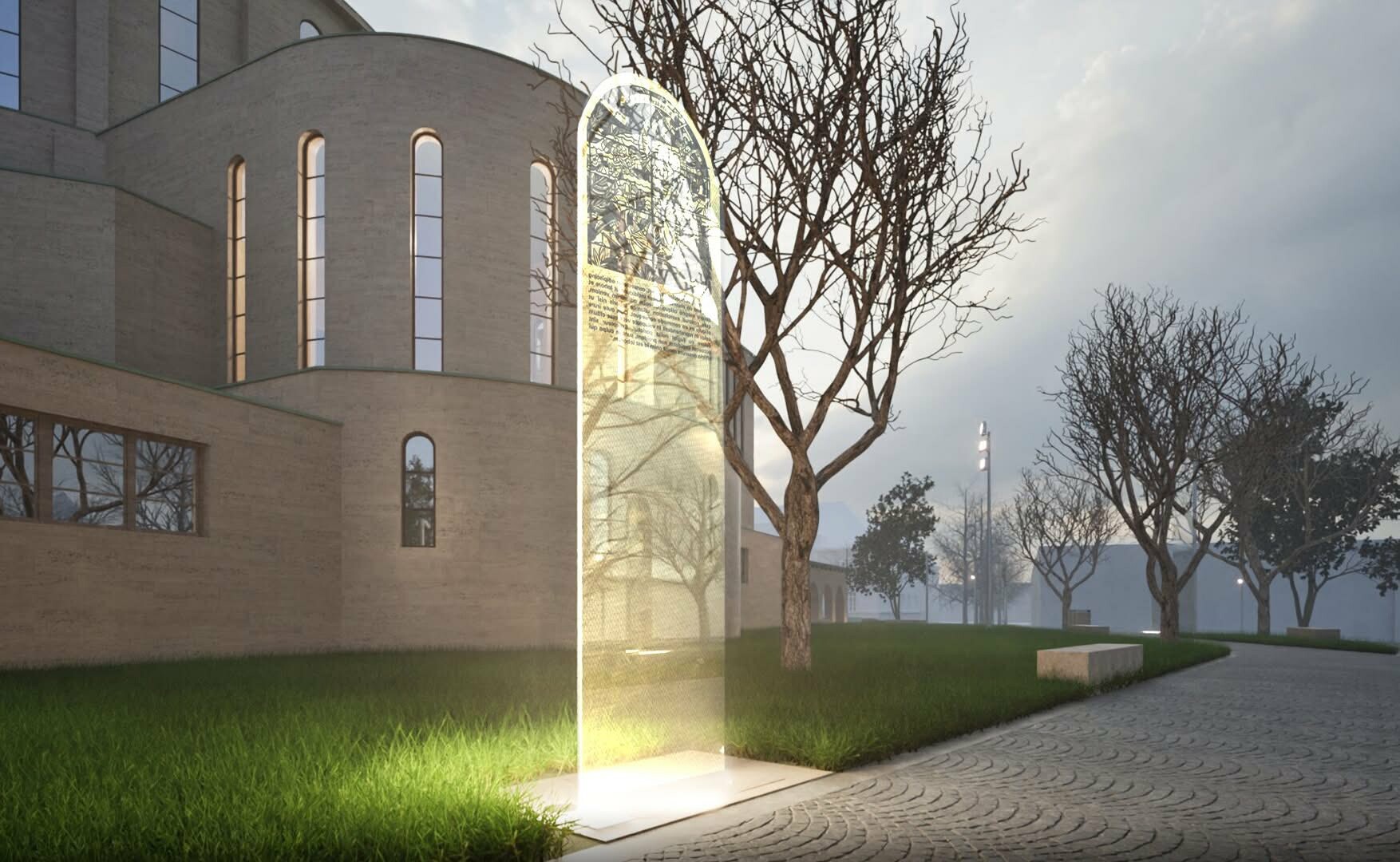
In a separate procurement process for the “Battlefield Memorial Chapel Renovation”, the joint bid by Mestercsillag Mérnöki Ltd and Szedibau Építőipari Ltd was declared the winner at a total cost of HUF 2.229 billion. The work, with a strict deadline of 30 June 2026, includes full interior and exterior restoration of the chapel, refurbishment of the Calvary and surrounding public spaces, new lighting and parking facilities, and the creation of a new pedestrian pathway alongside the Bég stream, according to a post by Mohácsi Hírek on Facebook.
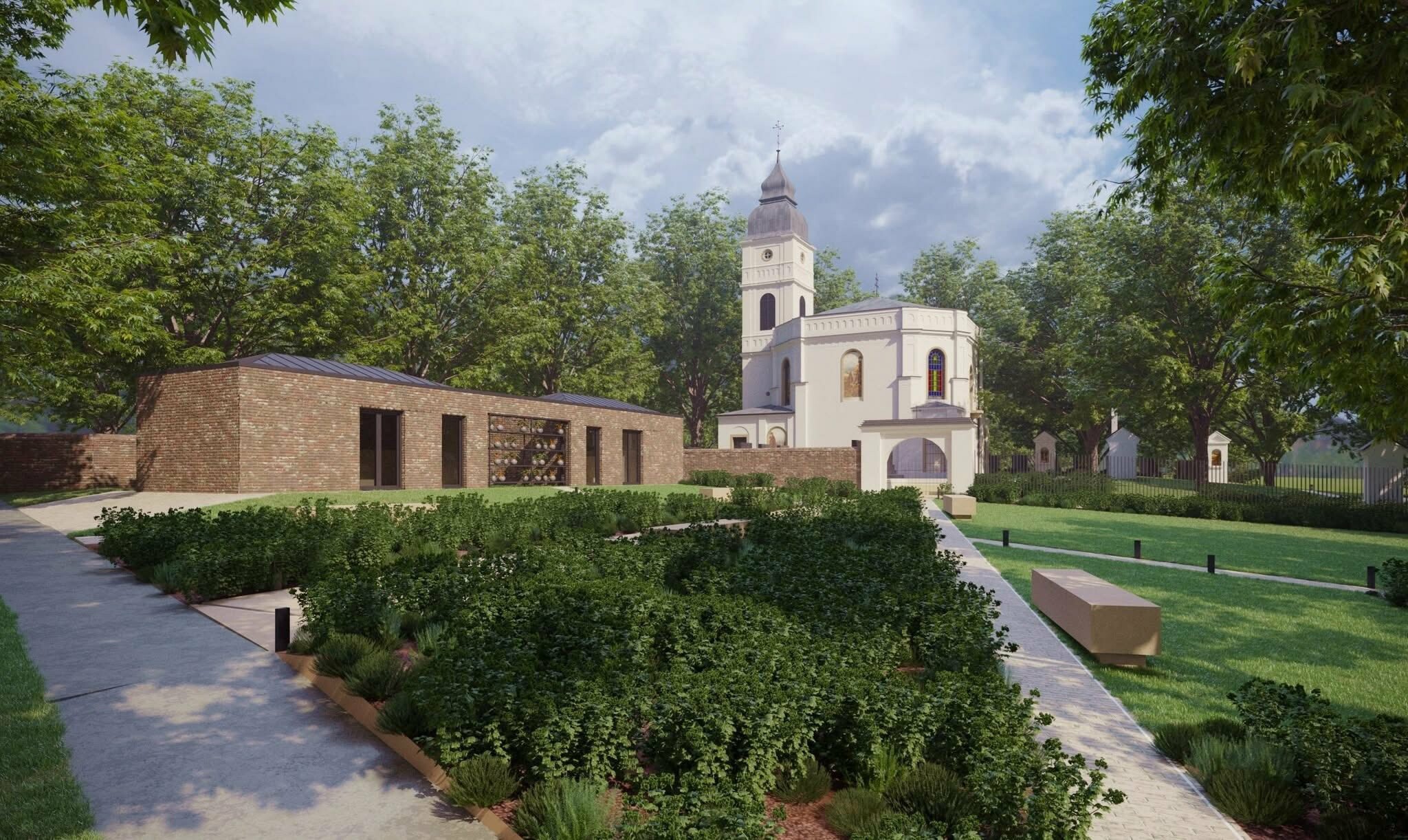
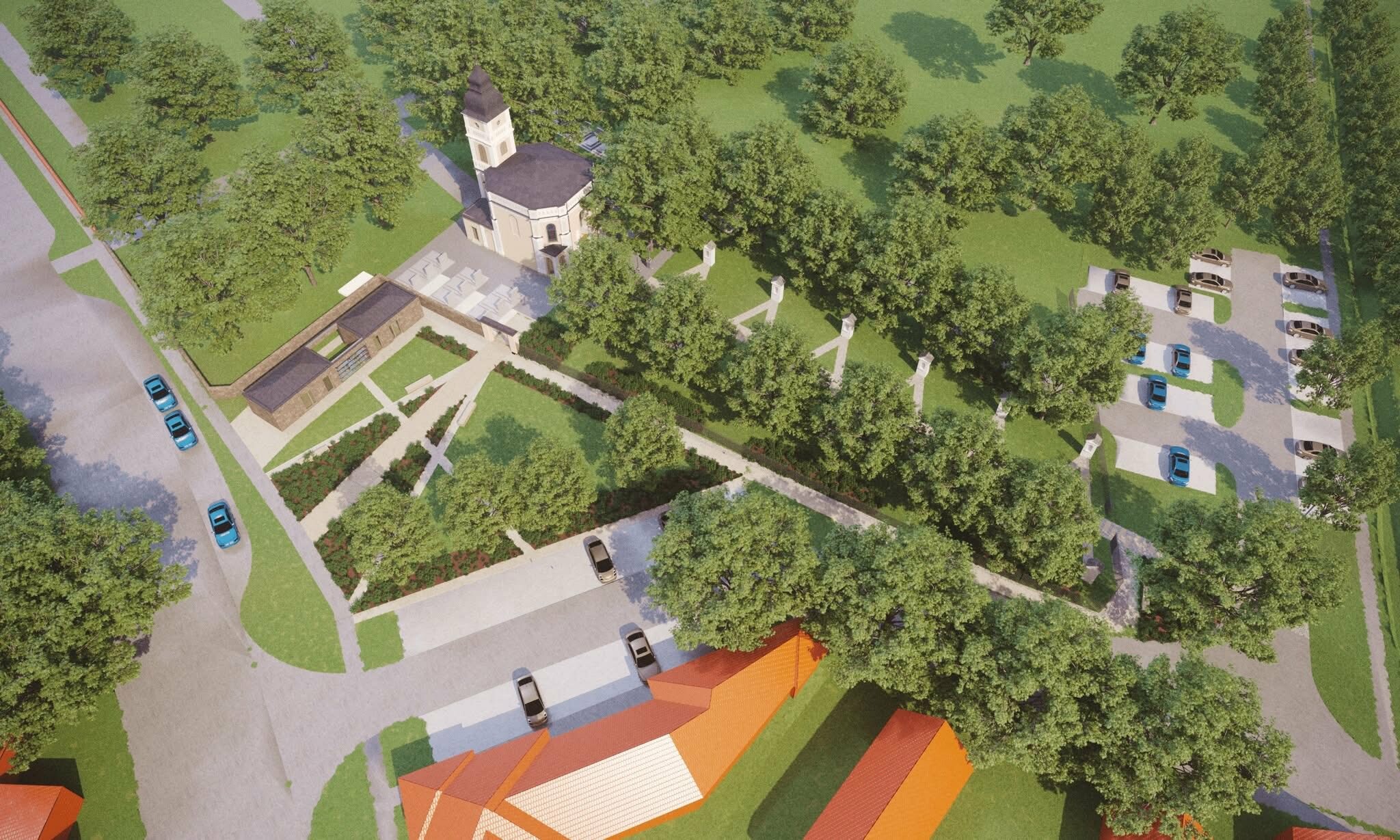
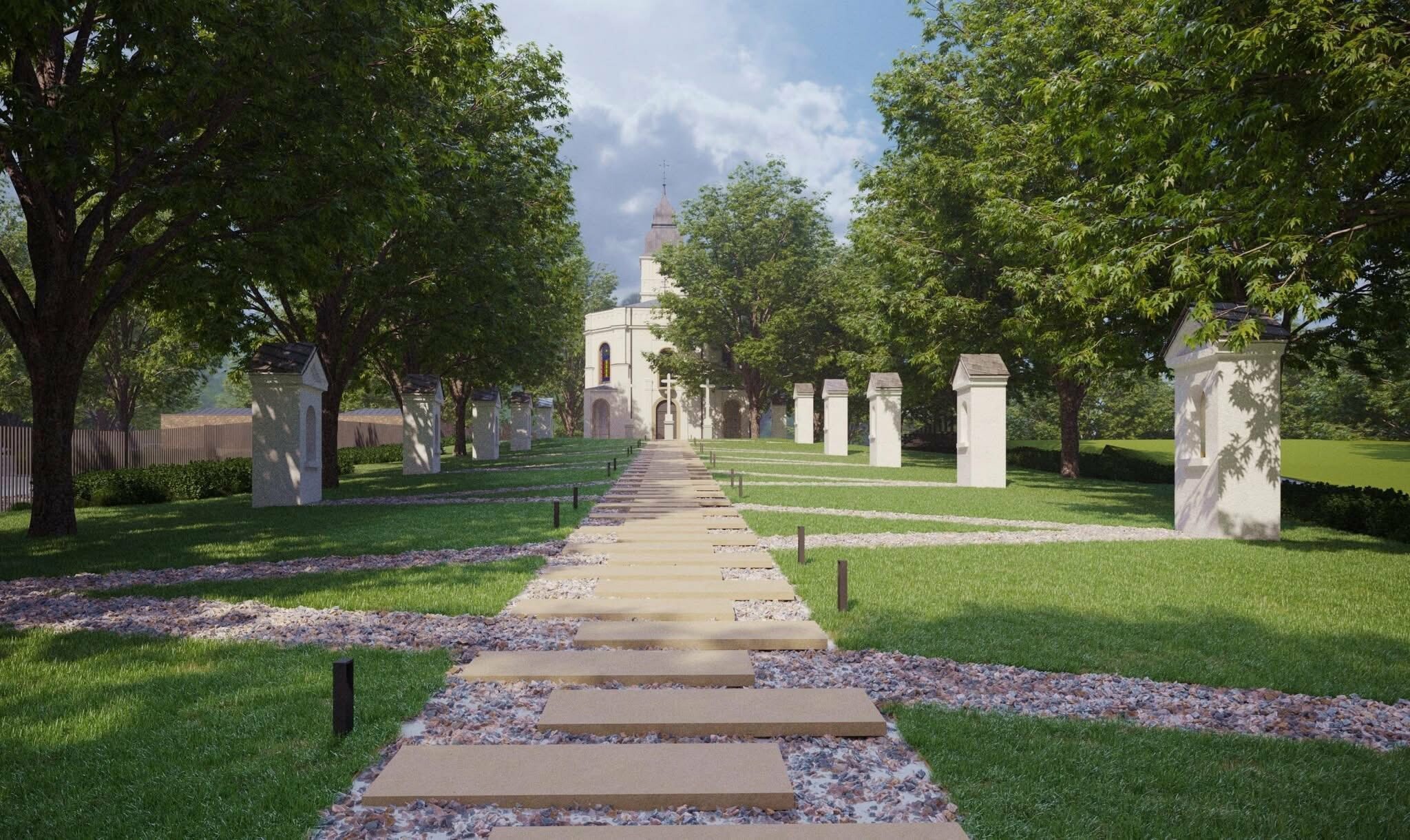
Mayor Gábor Pávkovics has previously emphasised that the goal of the reconstruction is to create a sustainable, modern city centre that also preserves its historical atmosphere, serving as a worthy location for both everyday life and festive events. The development is a central component of the Mohács 500 commemorative year, marking a new chapter in the city’s history.
The construction of a new Danube bridge in Mohács stands as one of Hungary’s most significant infrastructure investments, poised to transform the region’s transportation and economic landscape. Spanning the Danube between Mohács and Újmohács, the 756-metre-long structure will be Hungary’s southernmost bridge. It consists of two floodplain bridges and a central main span, supporting two-way, four-lane road traffic plus a cycle path. The project, executed by Duna Aszfalt Zrt., began preliminary work in the autumn of 2024, with large-scale construction starting in early 2025. The bridge is expected to open by 29 August 2026, in time for the 500th anniversary of the Battle of Mohács, while the complete project—including all related roads and developments—is scheduled for completion by 2028.
In addition to the bridge, road networks connected to it are already under development. On the Transdanubian side, an 8.5-kilometre, four-lane expressway will link the bridge to the M6 motorway. On the Great Plain side, a new four-lane road will be built over roughly 19.5–20 kilometres from Highway 51 to Újmohács. This route will include rest areas, interchanges and connector roads to surrounding communities, such as Homorúd. The section of Highway 57 between Mohács and Pécs will also be expanded to four lanes, significantly improving regional capacity and traffic safety.
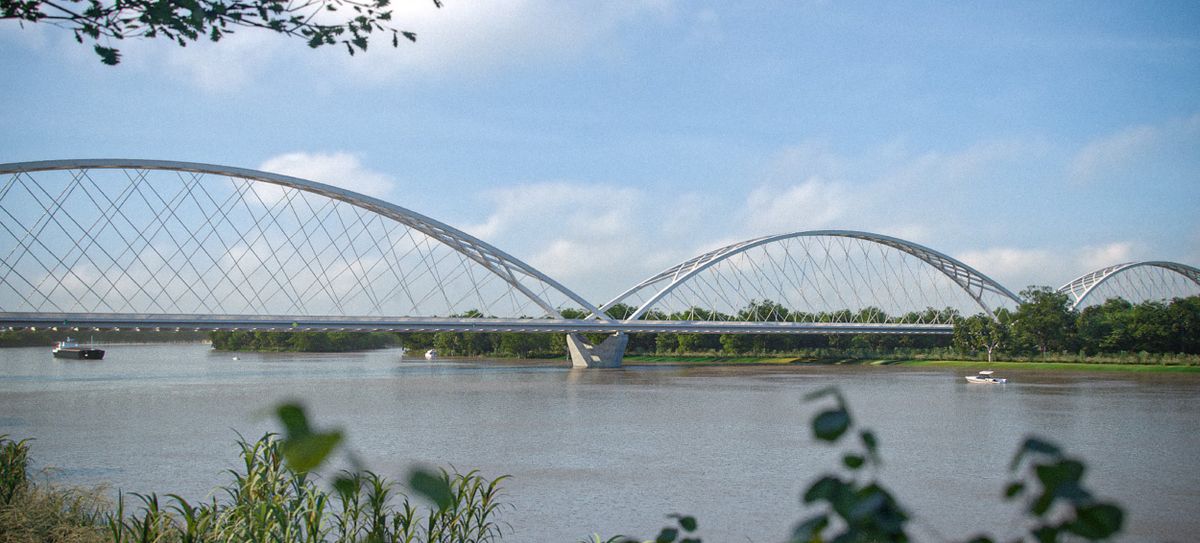
The entire development is not only crucial from a transportation standpoint but also economically, marking the largest bridge-related investment in Hungary’s history. Total costs are projected to reach HUF 389.3 billion between 2024 and 2031, covering the bridge itself, road connections, rail infrastructure and other related facilities. The bridge will also replace the long-standing ferry service, saving time and money for residents and travellers alike.
Importantly, the bridge will connect the M6 motorway with Highways 57 and 51, enhancing cross-border accessibility, especially towards Croatia and Serbia. This improved regional connectivity is pivotal for the economic growth of southern Hungary and South Transdanubia.
Another key benefit is that the region could strengthen its position as a logistics and industrial hub. Enhanced transportation infrastructure can boost local economic appeal, support job creation and help curb population outflow to major urban centres. The project also incorporates modern technology and prioritises environmental sustainability during construction.
Preparatory phases included archaeological surveys, explosive clearance and demolition of affected properties. Major construction will take place from 2025 to 2028, with careful traffic management throughout. Once completed, the infrastructure of Mohács’ historic region will be significantly upgraded, ushering in a new era for the city and surrounding areas.
Overall, the Mohács Danube Bridge and the associated road network developments will transform the region into a 21st-century transportation hub at the European level. The project not only speeds up local traffic but also plays a vital role in strengthening international connections and invigorating the economy. This is a true milestone—bringing to life a dream more than a century in the making.
To read or share this article in Hungarian, click here: Helló Magyar


