Subscribe to our social channels to get the latest news about Hungary!


A fascinating rivalry exists among the major towns along the shores of Lake Balaton over which can claim the title of the lake’s capital. However, one notable contender is often left out—Tihany, with its rich ecclesiastical and military history and its striking geographic position embedded in the lake’s landscape. As a result, the decades-long friendly competition has revolved around Siófok, Balatonfüred, and Keszthely, with the latter going as far as legally securing the title in 2000. While many articles have examined these towns’ tourism and attractions, from a historical architectural standpoint, Keszthely enjoys an undisputable advantage.

Keszthely dominates the western shore of Lake Balaton and is a key cultural, educational, and economic hub in the region. As the second-largest town along the lake, it benefits from excellent road and rail connections, making it a popular holiday destination.
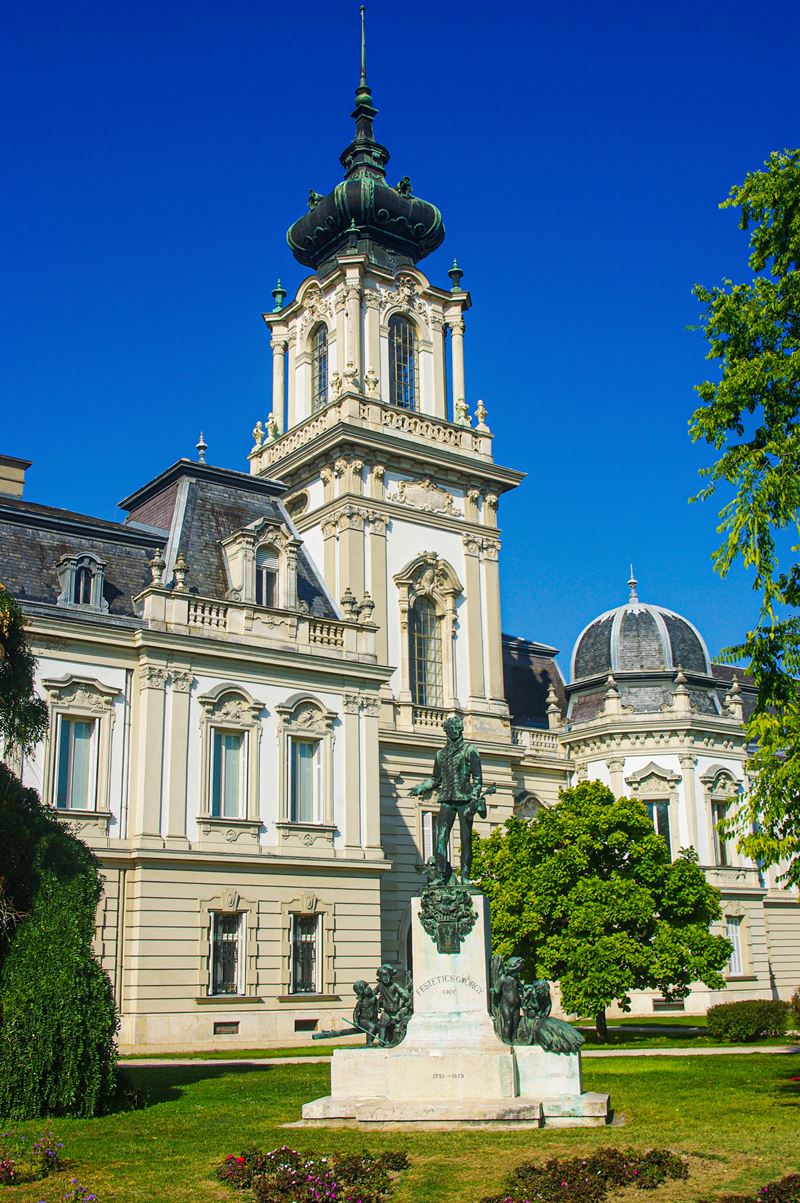
The town owes much of its grandeur to the Festetics family, who chose Keszthely as the center of their vast estates. The Festetics lineage was one of Hungary’s most prominent noble families for over 200 years. Elevated to the rank of counts in the 18th century, many of their descendants played significant roles in Hungary’s political, economic, scientific, and cultural spheres.
The first Festetics to settle in Hungary, Pál, likely moved to Németújvár (now Güssing, Austria) in 1634, escaping Ottoman devastation in search of a better life. His son, II. Pál (1639–1720), built the family’s wealth through successful military engagements and advantageous marriages. It was Festetics Kristóf (1696–1768) who established the Keszthely branch of the family.
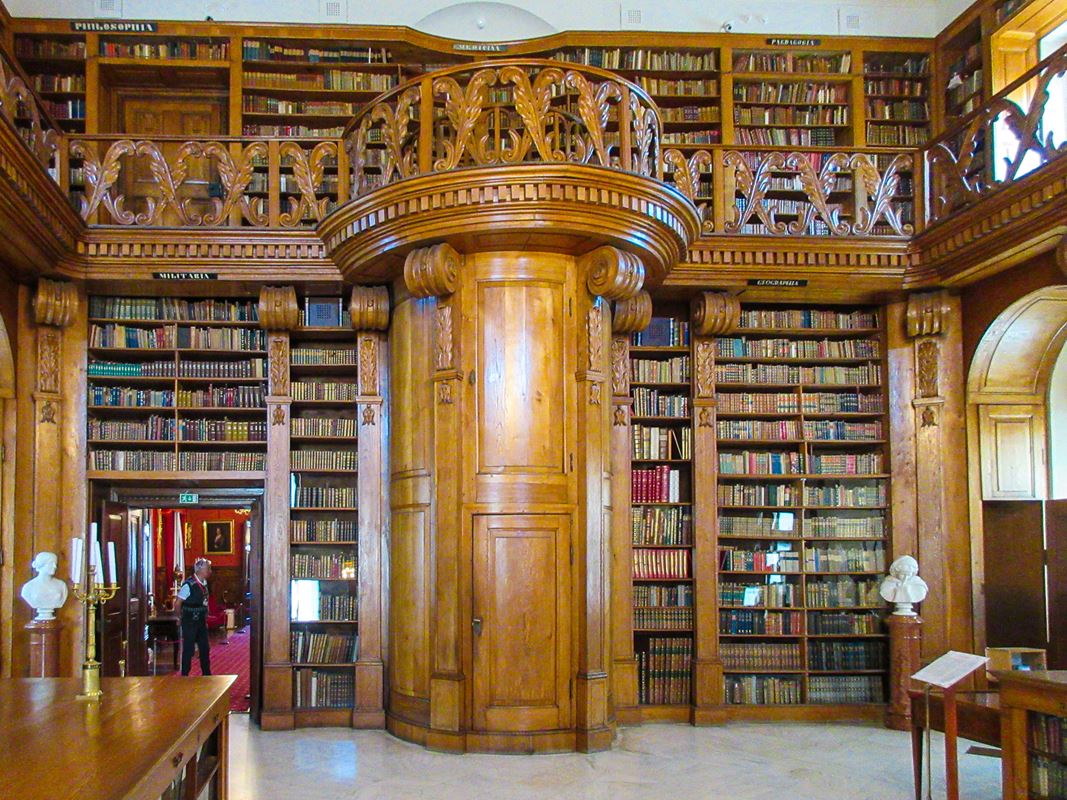
The original construction of the Festetics Palace took place between 1745 and 1750, forming the central eastern wing of the current structure. Expansion began in 1792, yet only the southern wing—housing the grand library—was completed in a late Baroque (Zopf) style. The most significant renovations and additions occurred between 1883 and 1887 under Festetics II. Tasziló, based on designs by architect Victor Rumpelmayer in a Neo-Baroque and Neo-Rococo style. This period saw the extension of the central eastern wing, the completion of the U-shaped layout with the construction of the northern wing (which houses ballrooms and guest suites), and the addition of the palace tower. Notably, unlike many other Hungarian manor houses, much of the building’s furnishings survived World War II intact.