Archaeologists uncover hidden sections of Szeged castle’s fortified tower

Change language:
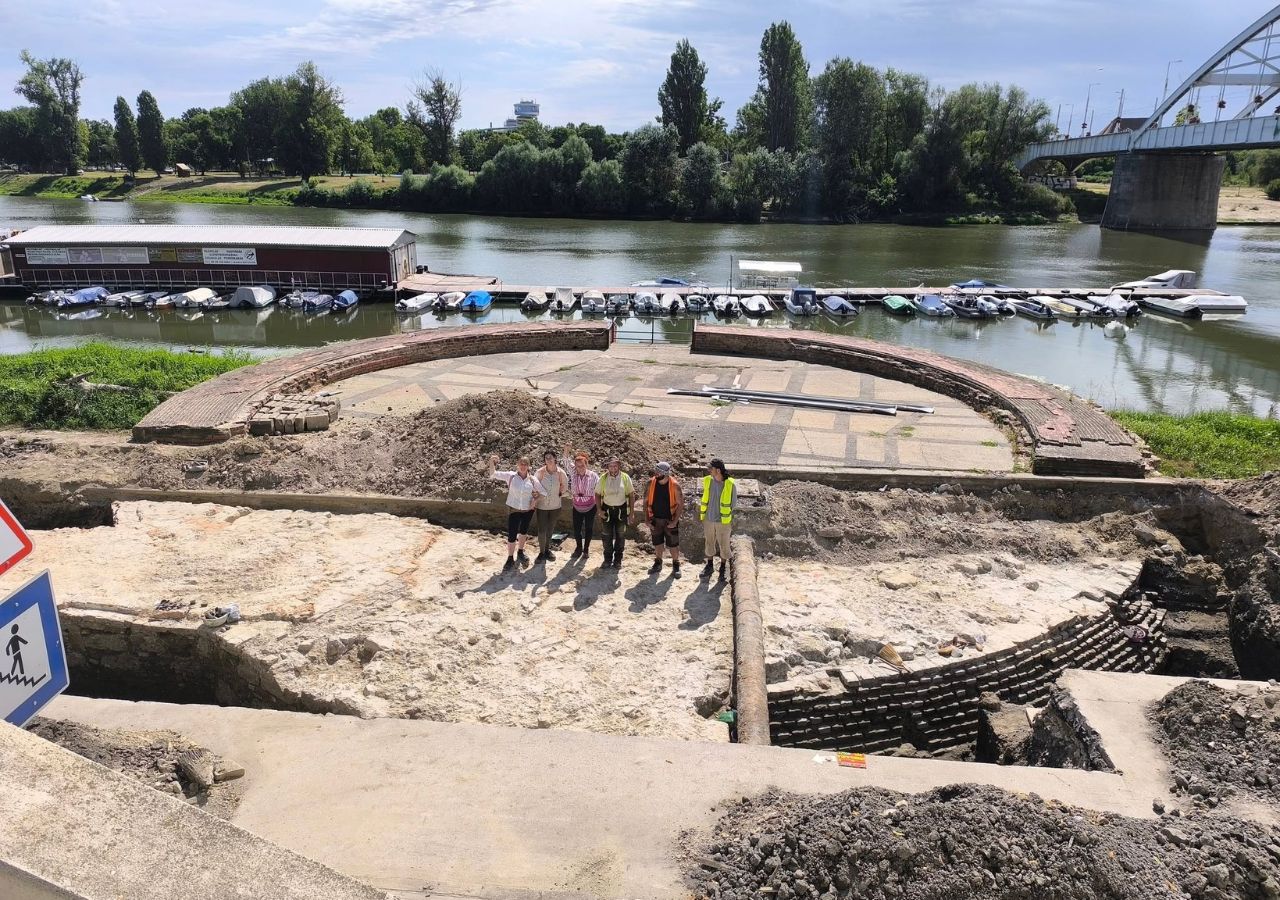
New excavations at the Huszár Mátyás Embankment have revealed previously hidden parts of one of the most intriguing remnants of Szeged Castle: the southeastern corner tower, more commonly known as the “water bastion.”
As reported in our earlier article, the full outline of the castle wall and its southeastern corner tower began to take shape during archaeological digs that started on 4 July. Initially, only the side facing the river was visible, but as excavations progressed, more of the tower was uncovered.
New findings from the archaeological dig
Lead archaeologist Csilla Molnár reported that both sides of the castle’s corner tower have now been uncovered during work along the Huszár Mátyás Embankment. This means pedestrians can now admire the nearly complete, curved form of the bastion. The dig confirmed that the two structural components are interconnected, suggesting they were constructed at the same time.
The tower walls are unique in both material and design: the vertical face of the bastion widens at the base, forming a skirt-like shape that added structural stability. Archaeologists discovered medieval ceramic fragments, floor tiles, and 19th-century clay pipes. Further research aims to provide a clearer picture of the tower’s construction date and its role in the life of the castle.
The historical significance of Szeged Castle
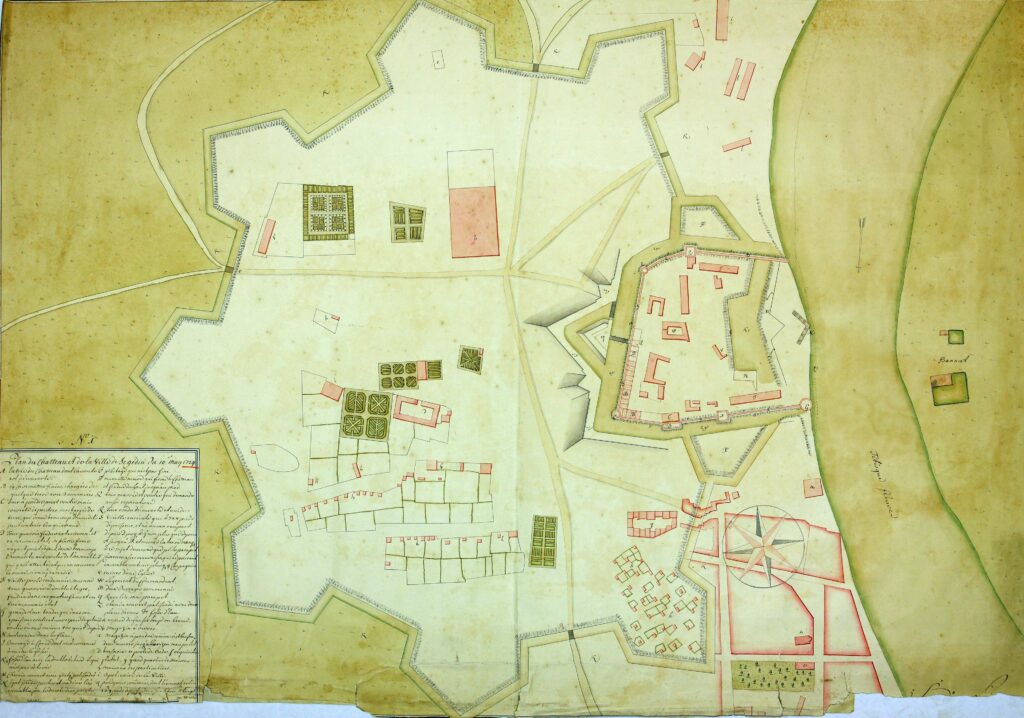
In the 16th century, the castle was considered the country’s largest lowland fortress. It stretched 330 meters in length and was 170 meters wide. Notably, it wasn’t built on a hill or incline but entirely on flat terrain—necessitating robust walls, ramparts, and water-filled moats for defence.