Forty-five years since the first Ikarus articulated bus bid farewell to Budapest

Change language:
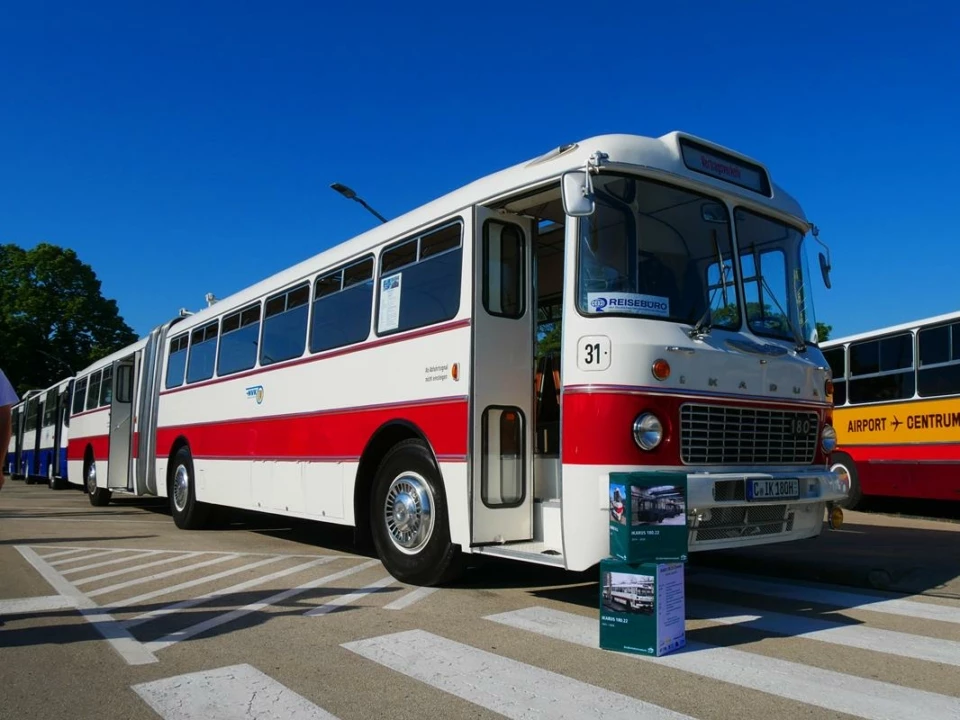
It has been 45 years since the Budapest Transport Company (BKV) withdrew the last Ikarus 180 articulated bus from service. It was the first articulated bus to be produced in-house and laid the foundations for Ikarus’ later worldwide success.
Ikarus 180
The Ikarus 180 began to take shape in 1958 when the factory set its sights on developing a new, large-capacity articulated bus inspired by the West German Henschel HS 160 USL. László Finta, a renowned designer of the period, designed the vehicle. The first working prototype was presented in 1961 at the Budapest Local Industry Fair, where the new articulated bus was a massive hit with the public, writes PestBuda.
The Ikarus 180 was considered outstanding by the standards of the time. Its engine was placed under the vehicle’s floor, providing a quieter and more comfortable passenger compartment. The 16.5-metre-long bus had three doors and a seating capacity of 180 passengers, which was particularly advantageous in congested urban traffic. The vehicle was initially powered by a Csepel diesel engine, but later, more powerful Rába engines were installed.
The articulated bus revolution in Budapest
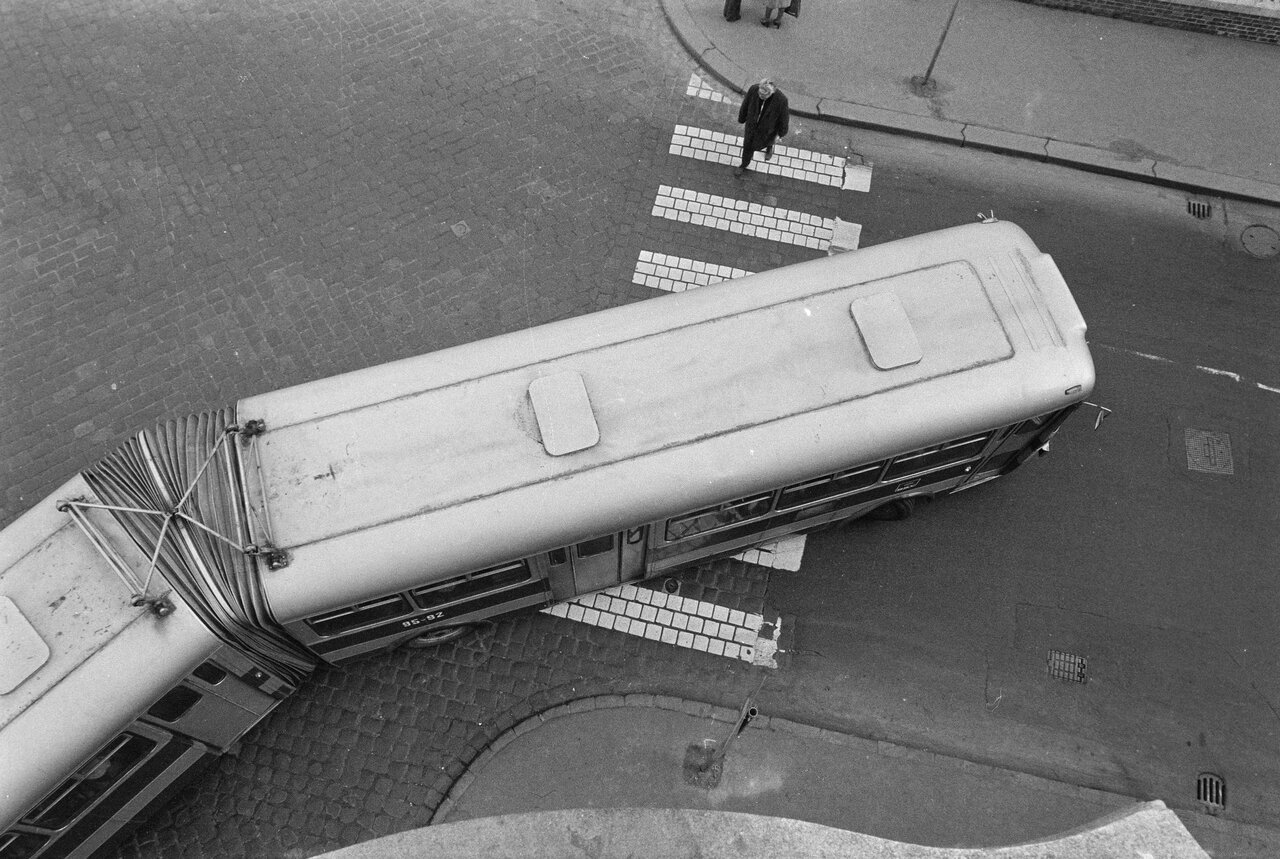
Although the idea of articulated buses did not originate in Hungary, Budapest was one of the first cities in the world to introduce this type of vehicle. The first articulated buses were home rebuilds of two scrapped buses. The Ikarus 180 was a more professional and modern solution, which entered service in 1963 at the Budapest Bus Operating Unit (FAÜ). They served passengers in Budapest from the mid-1960s and were a key element of urban transport for 16 years.
A transitional type that laid the foundations for success
The Ikarus 180 was, in fact, a transitional model. Production lasted only until 1973, with a total of 7,802 units built. Of these, only 520 remained in Hungary; the rest were destined for export to countries from Mongolia to Egypt. However, the success of the bus and the experience gained paved the way for the Ikarus 280, which became one of the world’s best-known articulated buses. More than 61,000 units of the 280 were built, and for decades, it played a major role in transport from Los Angeles to Vladivostok, according to HellóMagyar.