A short trip to Mumbai is enough to fall in love with India’s vibrant metropolis
Mumbai, India. Photo: Helló Magyar/Daily News Hungary
Change language:
Even a whirlwind visit is enough for Mumbai, India’s second-largest city, to capture your heart. Everything here is different from Hungary—let us show you how.
Departing from Budapest to India
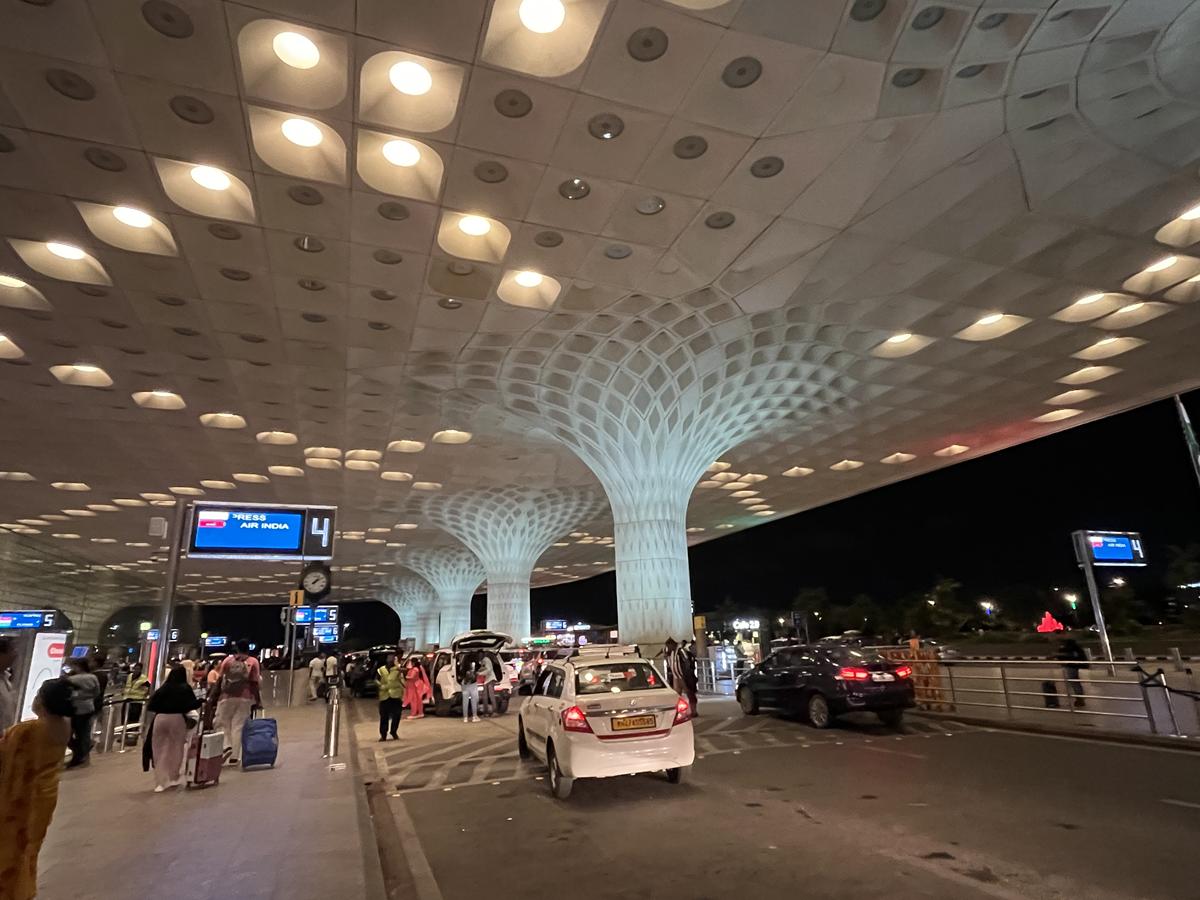
The journey began in Budapest—with a layover in Dubai. The flight to Dubai takes around six hours, followed by a few hours’ wait, and then another two and a half hours in the air before arriving at Chhatrapati Shivaji Maharaj International Airport. Looking ahead, there’s good news: according to HellóMagyar, Wizz Air is launching direct flights between Budapest and Mumbai this year. While the early summer launch was postponed due to aircraft delivery delays, the route is becoming increasingly accessible.
Mumbai International Airport, India. Source: Helló Magyar/Daily News Hungary
From the airport, there are several ways to reach the city. Travellers can choose local taxis, the iconic rickshaws, or various public transport options. I stayed in the Kurla-Bandra business district, as I was attending the WAVES 2025 audiovisual summit. The area was modern, clean, and organised, though relatively far from Mumbai’s central tourist spots. If you’re staying in a similar area, it’s worth trying the local railway or the rapidly expanding metro network.
Climate
Mumbai has a tropical climate, so the timing of your trip can make all the difference. The ideal time to visit is between October and March, when the weather is cooler and drier. From April to June, the city becomes hot and humid, and the monsoon season, from late June to September, can make sightseeing challenging due to torrential rains. In early May, temperatures reached 34°C (93°F) with 90% humidity. Surprisingly, I didn’t find it too unbearable—though I spent most of my time in air-conditioned spaces and vehicles.
Source: Helló Magyar/Daily News Hungary
Economic and cultural hub
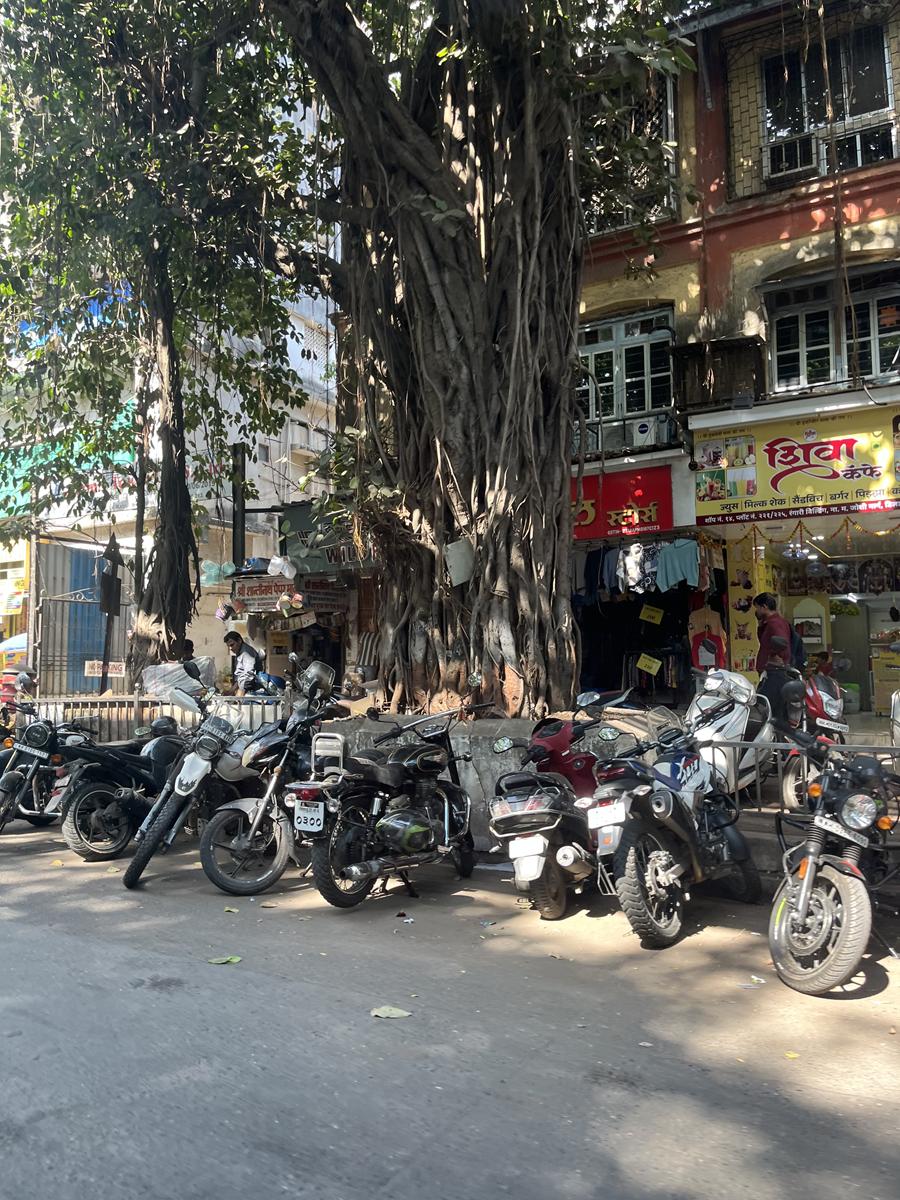
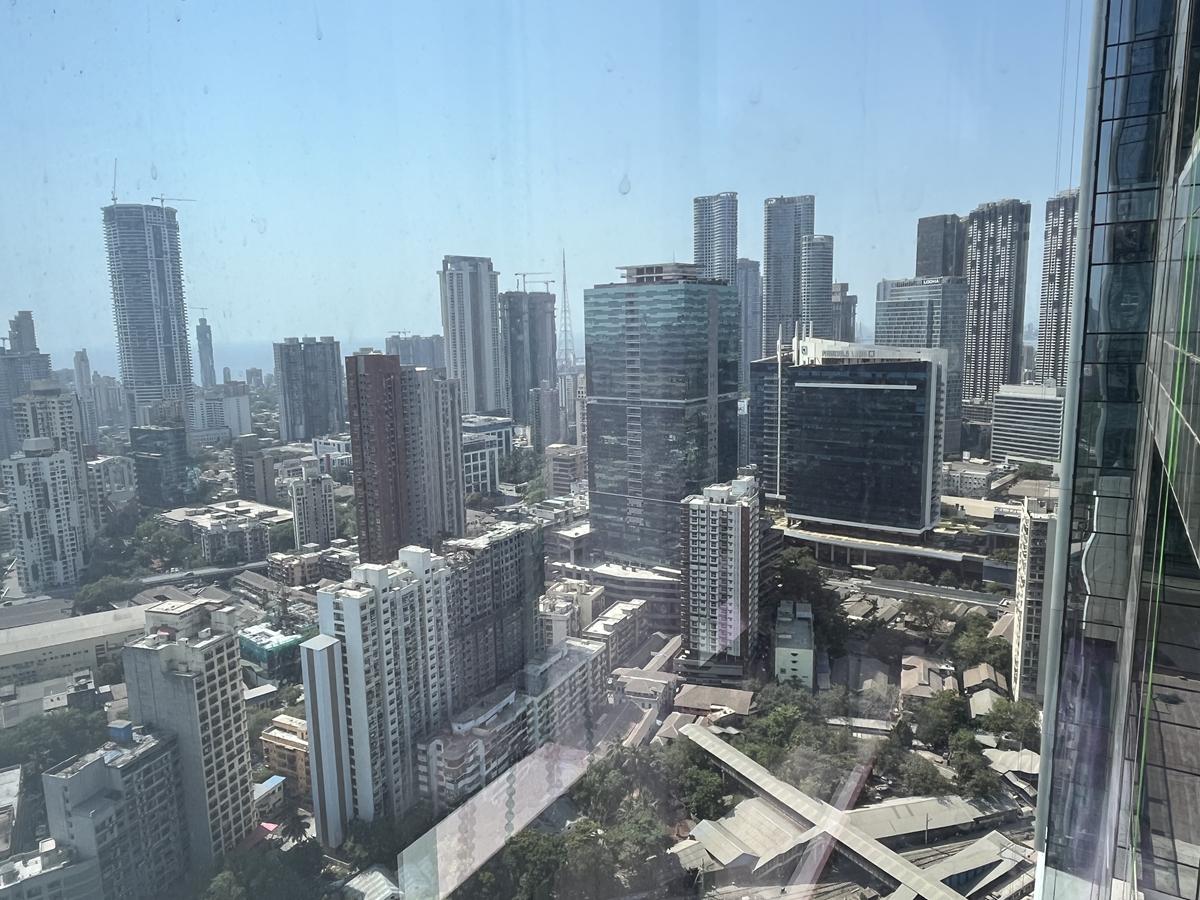
Mumbai—formerly Bombay—is one of India’s most important economic and cultural centres, home to over 20 million people. It is not only the heartbeat of the financial world but also the birthplace of Bollywood, the world’s largest film industry. In the shadows of gleaming skyscrapers lie sprawling slums; luxury stores sit alongside bustling markets. This striking contrast gives Mumbai its unique vibrancy.
Source: Helló Magyar/Daily News Hungary
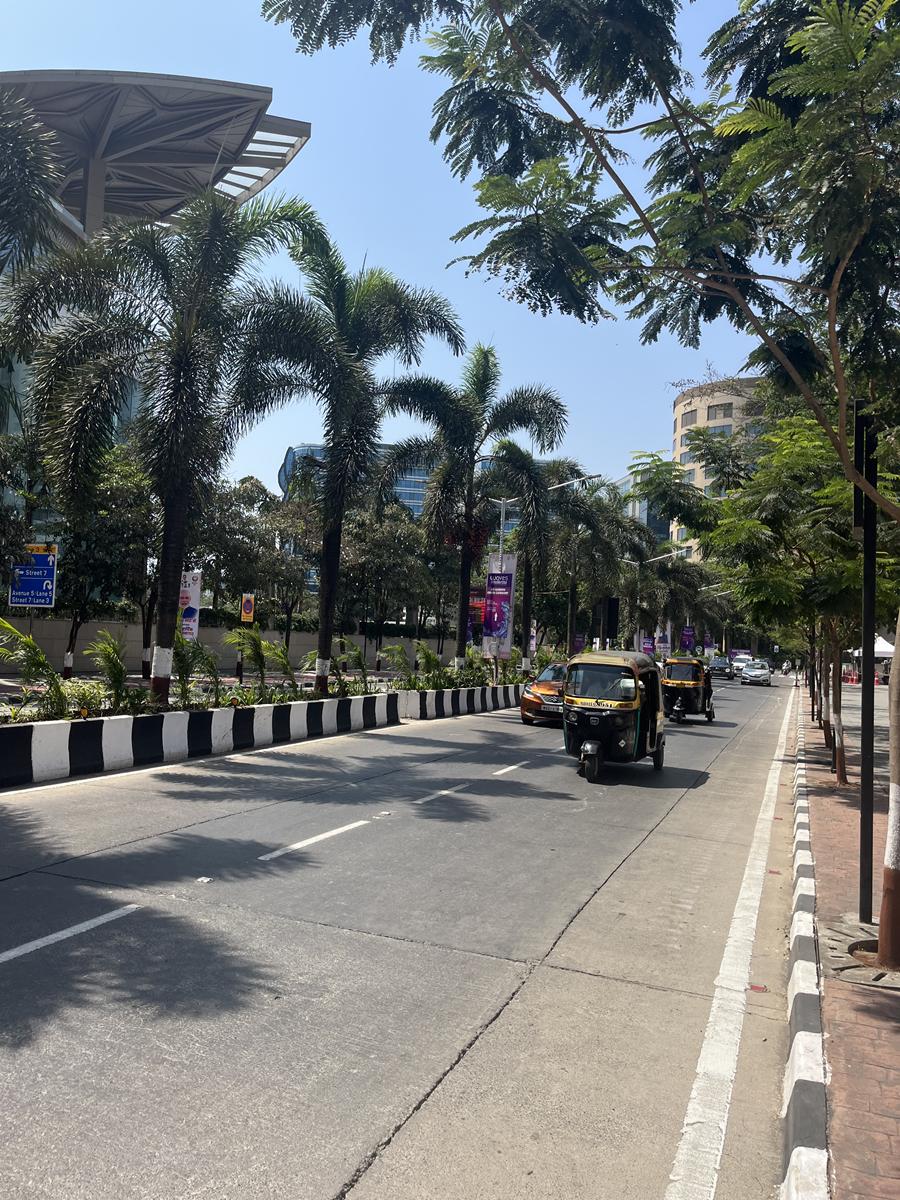
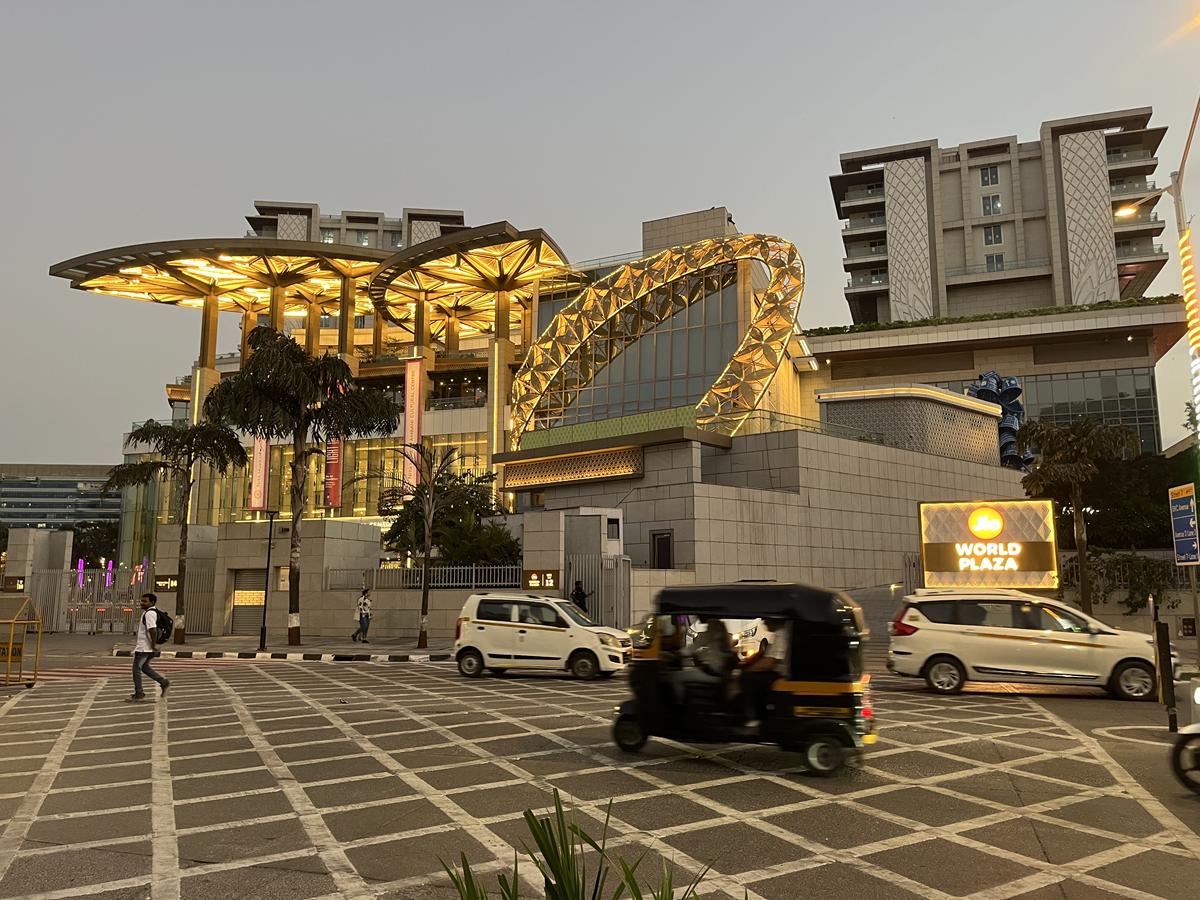
The skyline is increasingly shaped by new skyscrapers and business districts, such as the Bandra-Kurla Complex (BKC), where I stayed, and Lower Parel—home to banks, multinational corporations, start-ups, and luxury hotels. These modern quarters are sleek and well-organised, creating a stark contrast with the city’s more traditional and chaotic areas. Just a few miles from the polished towers and gourmet restaurants of BKC, local shops and rickshaws dominate the streets. This coexistence of old and new makes Mumbai a uniquely colourful metropolis.
Walking through Mumbai, the legacy of British colonialism is ever-present. Impressive structures like Chhatrapati Shivaji Maharaj Terminus, the Bombay High Court, and the former Victoria Terminus are architectural reminders of the British era. This legacy goes beyond buildings—it lives on in the railway system, legal code, and widespread use of the English language. Although India gained independence in 1947, the duality of colonial echoes and modern Indian life remains: Gothic palaces give way to temple ceremonies, sari-clad women, street vendors, and the whirlwind of daily life. Mumbai constantly redefines itself against the backdrop of its past.
Source: Helló Magyar/Daily News Hungary
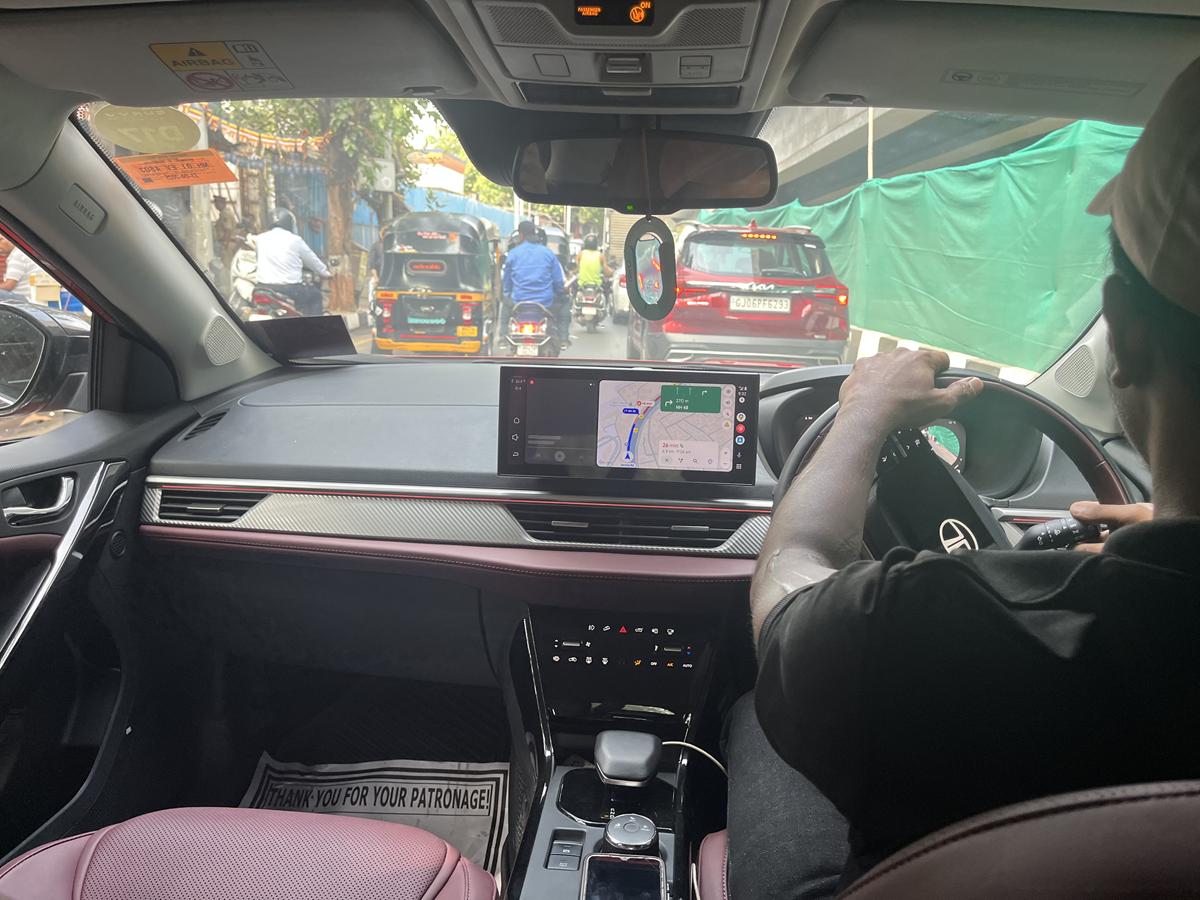
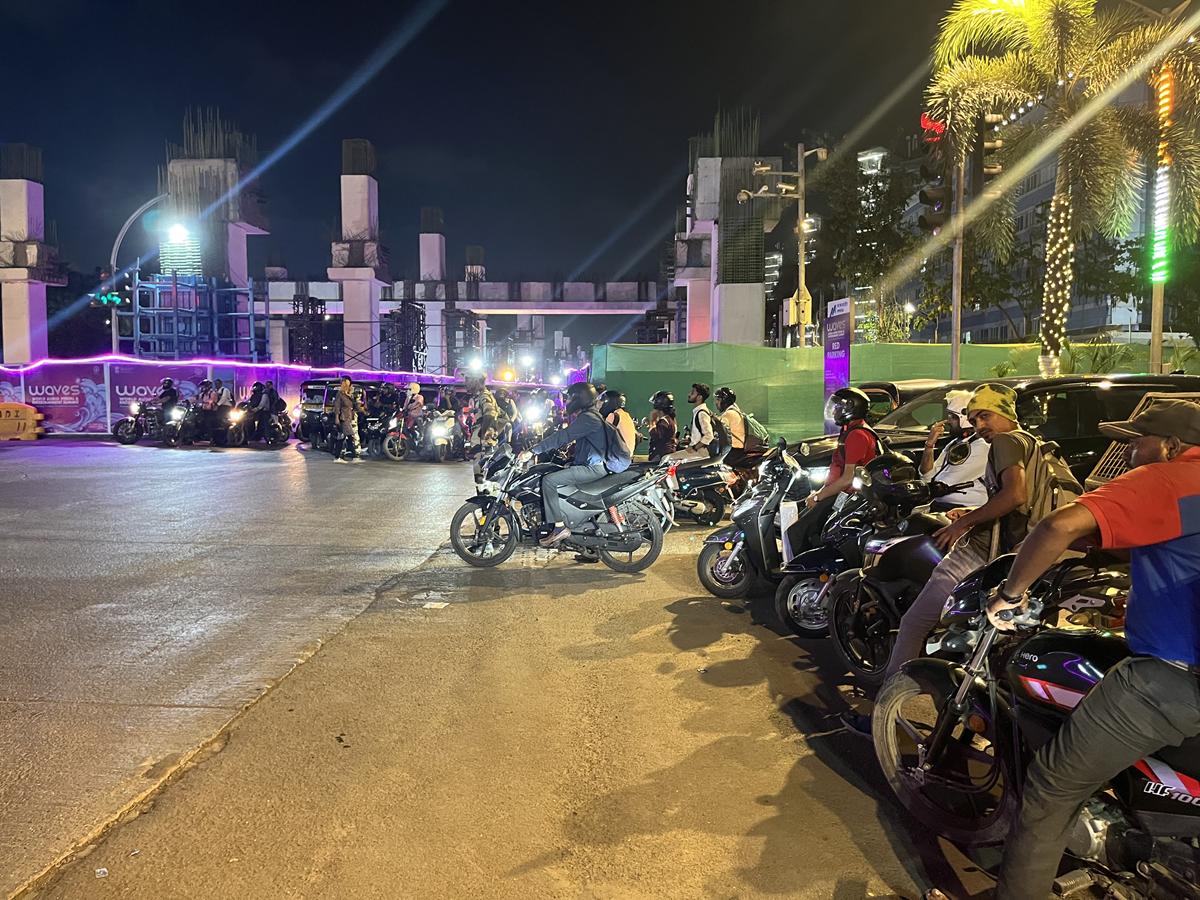
Transportation, however, presents real challenges. Traffic is dense and chaotic, and rules are often treated as suggestions rather than mandates. A local acquaintance explained that it’s not that people are inattentive—there are simply so many of them, and no one likes to wait. Honking is constant and serves as a form of communication. Lane discipline is erratic, and pedestrians have little protection, even at marked crossings.
For first-time visitors, here are ten must-see sights in Mumbai:
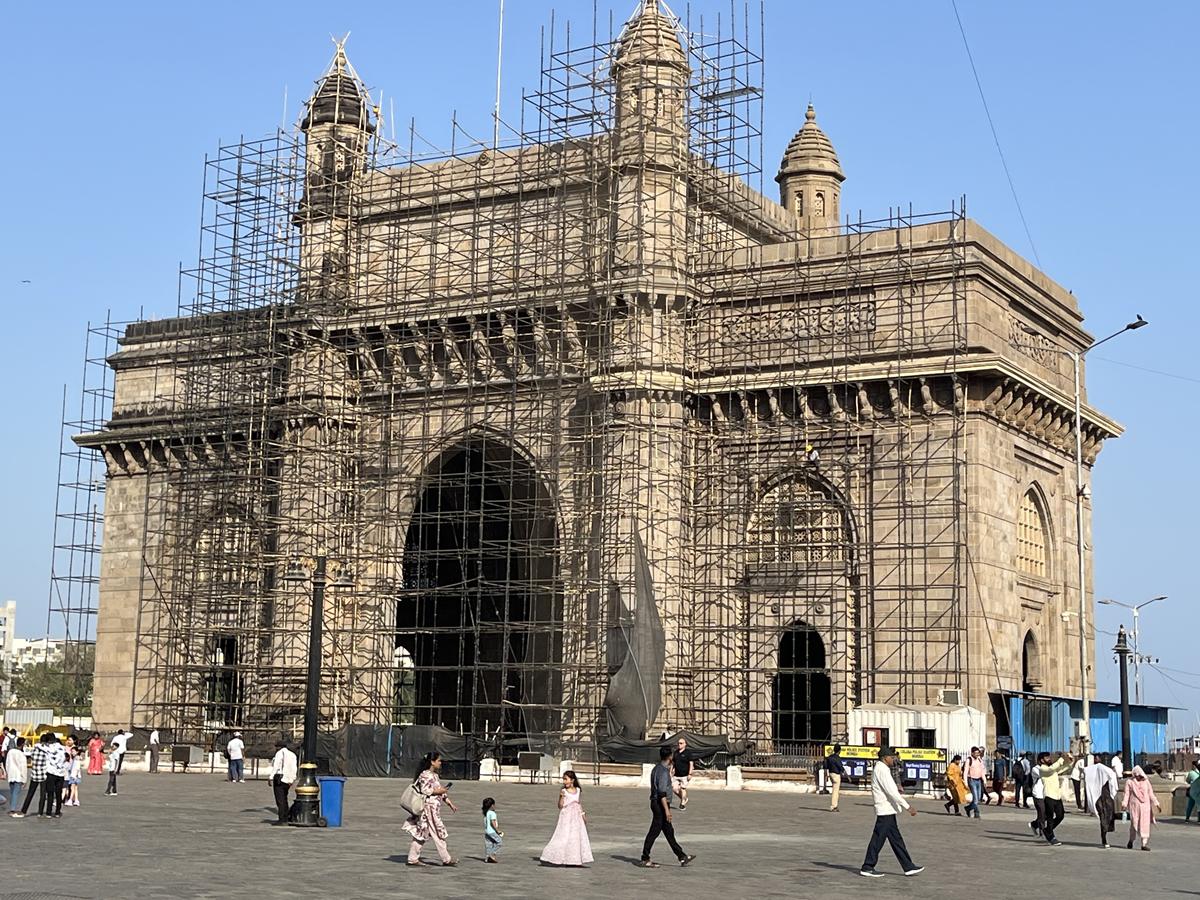
Gateway of India – An iconic relic from British rule on the waterfront, often a starting point for city tours. Currently under renovation but still worth a visit. Opposite stands the Taj Mahal Palace, an architectural gem and historic hotel that opened in 1903.
Source: Helló Magyar/Daily News Hungary
Elephanta Island – Accessible by ferry, this UNESCO World Heritage Site is famous for its rock-cut temples. Set aside a day to explore—catch a boat in the morning and return in the evening with unforgettable memories.
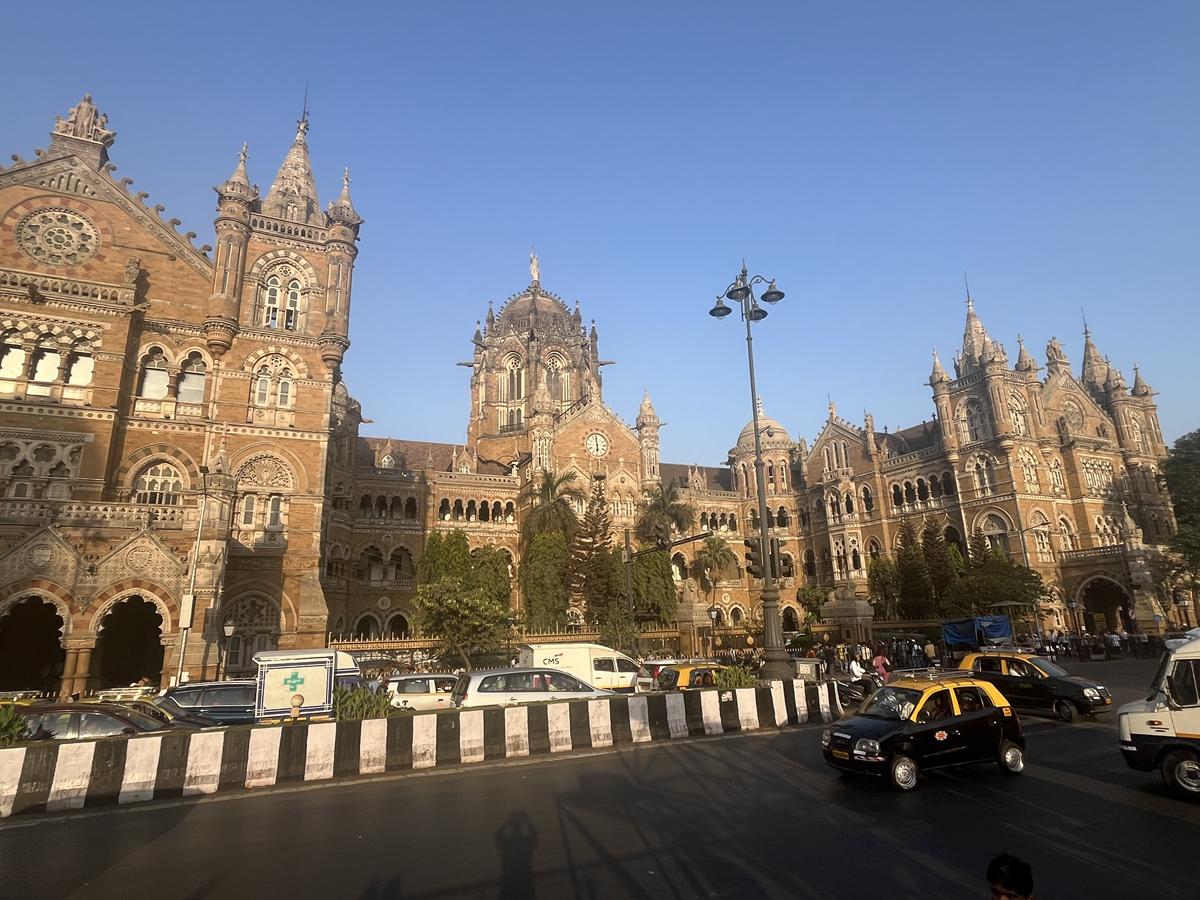
Chhatrapati Shivaji Maharaj Terminus – This neo-Gothic railway station is a must-see, both inside and out, with several other impressive buildings nearby.
Source: Helló Magyar/Daily News Hungary
Marine Drive – Known as the “Queen’s Necklace,” this seaside promenade is a top local spot for watching the sunset.
Haji Ali Dargah – A mosque and tomb located on a causeway in the sea. The Islamic influence adds to Mumbai’s diversity, with entire Muslim quarters featuring dozens of mosques in a compact area.
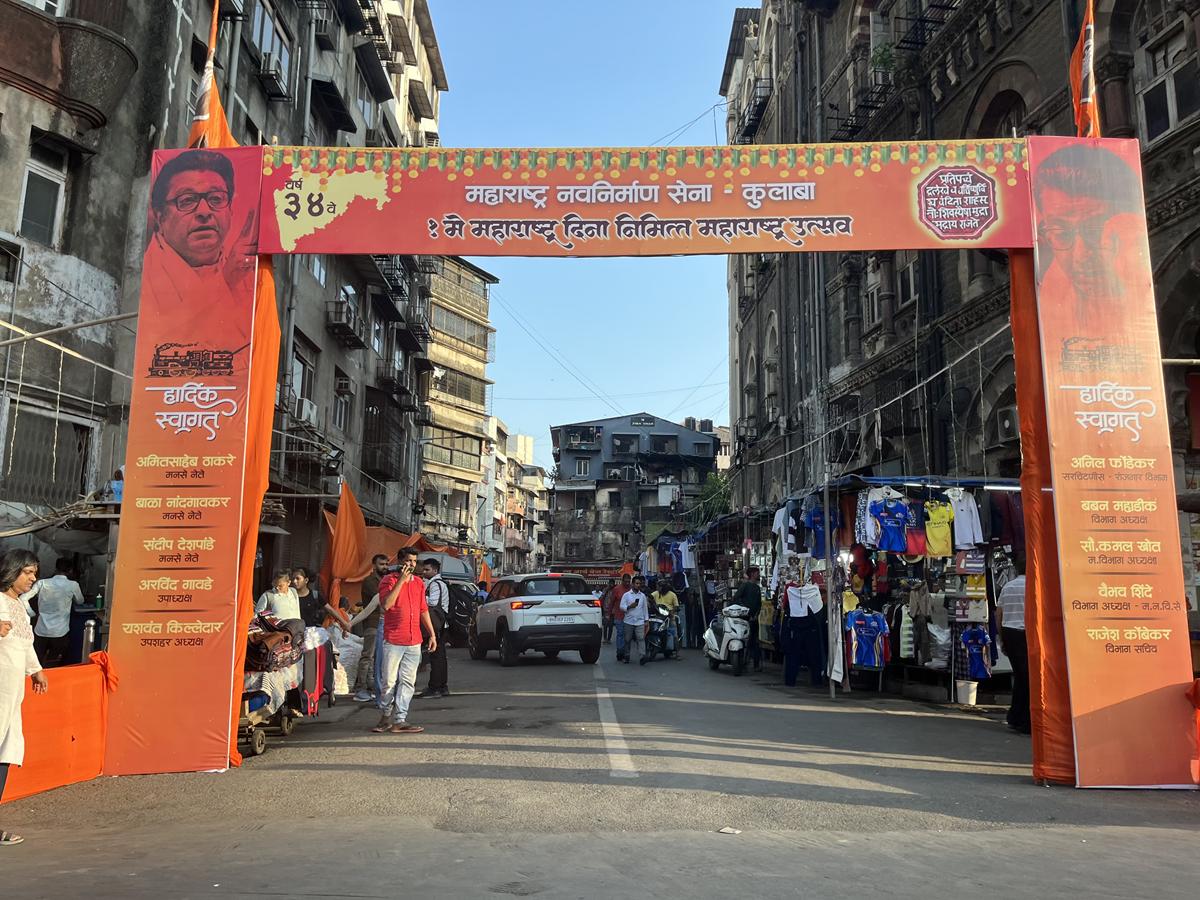
Colaba Causeway – A favourite for those looking to shop and soak in the local vibe, with plenty of cafés, boutiques, and bazaars. Haggling is essential—and definitely part of the fun!
Chor Bazaar – The so-called “Thieves’ Market” is a treasure trove of antiques and second-hand goods for curious shoppers.
Sanjay Gandhi National Park – A rare urban national park with leopards and ancient cave temples. You can easily spend several hours—or even a whole day—exploring.
Juhu Beach – A popular beach destination for both locals and tourists, especially beautiful at sunset.
Bollywood Studio Tour – Get a behind-the-scenes look at one of the world’s most prolific film industries. Movie stars enjoy immense fame here and feature in countless adverts. When they make public appearances, expect massive crowds. Currently trending is a new Indian film, The Jewelry Thief, which features multiple scenes shot in Budapest—worth a watch!
Cuisine
Indian cuisine is globally renowned for its rich flavours and intense spices—especially in Mumbai, where the aromas on the streets shift with every step. For many Hungarian travellers, the spice, oiliness, or unfamiliar ingredients can be overwhelming at first. Over time, your taste buds adjust, but it’s best to ease into Indian food gradually. Unlike at home, enjoying street food here could lead to an unpleasant experience. Even locals advise caution: owing to hygiene concerns, it’s safer to eat in well-maintained restaurants or your hotel’s dining room.
There’s no shame in bringing a bit of Hungarian know-how: a small bottle of pálinka can serve as a great “disinfectant” before and after meals. Probiotic supplements can help too—I took two capsules daily and avoided any issues. Be vigilant about drinking only bottled water—even for brushing your teeth. Fresh fruit and vegetables can also pose a risk if washed with tap water, so only eat them at trustworthy establishments.
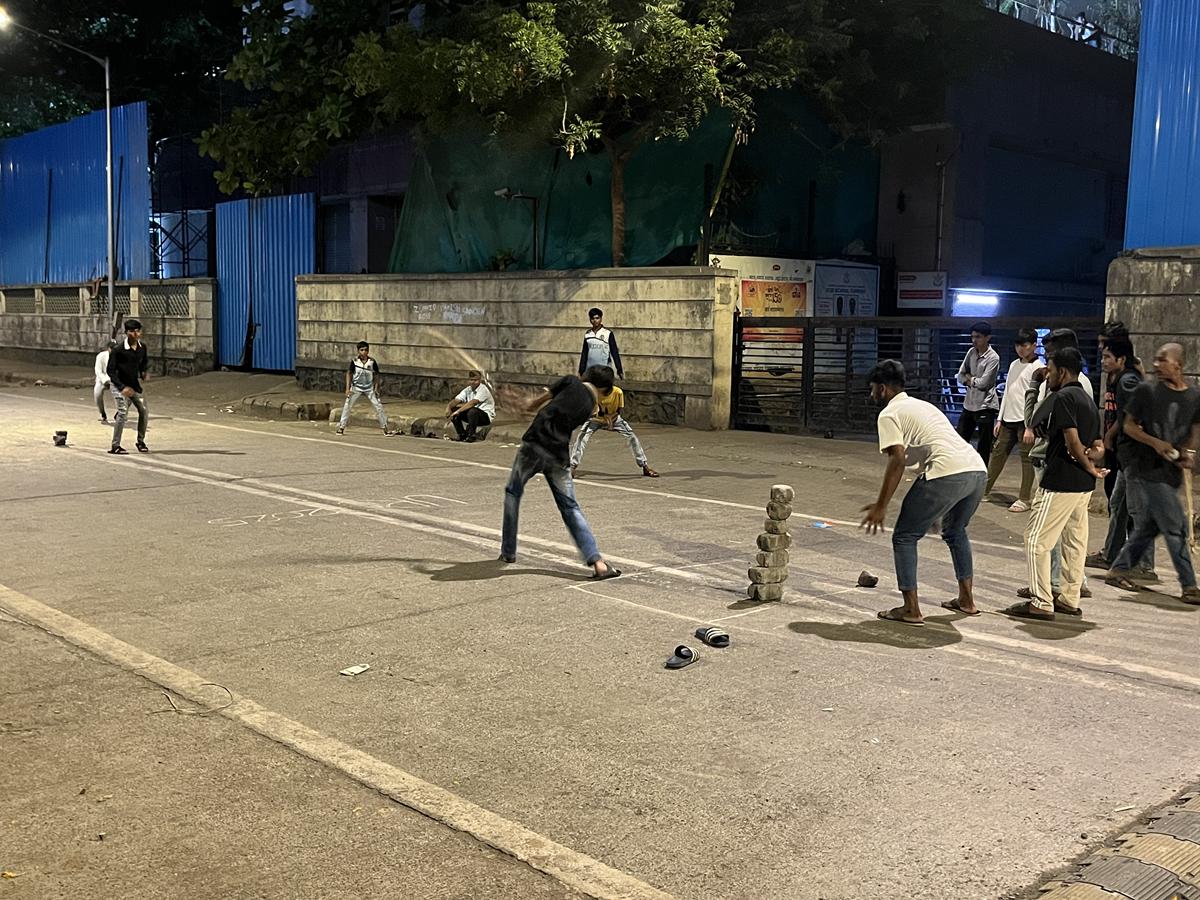
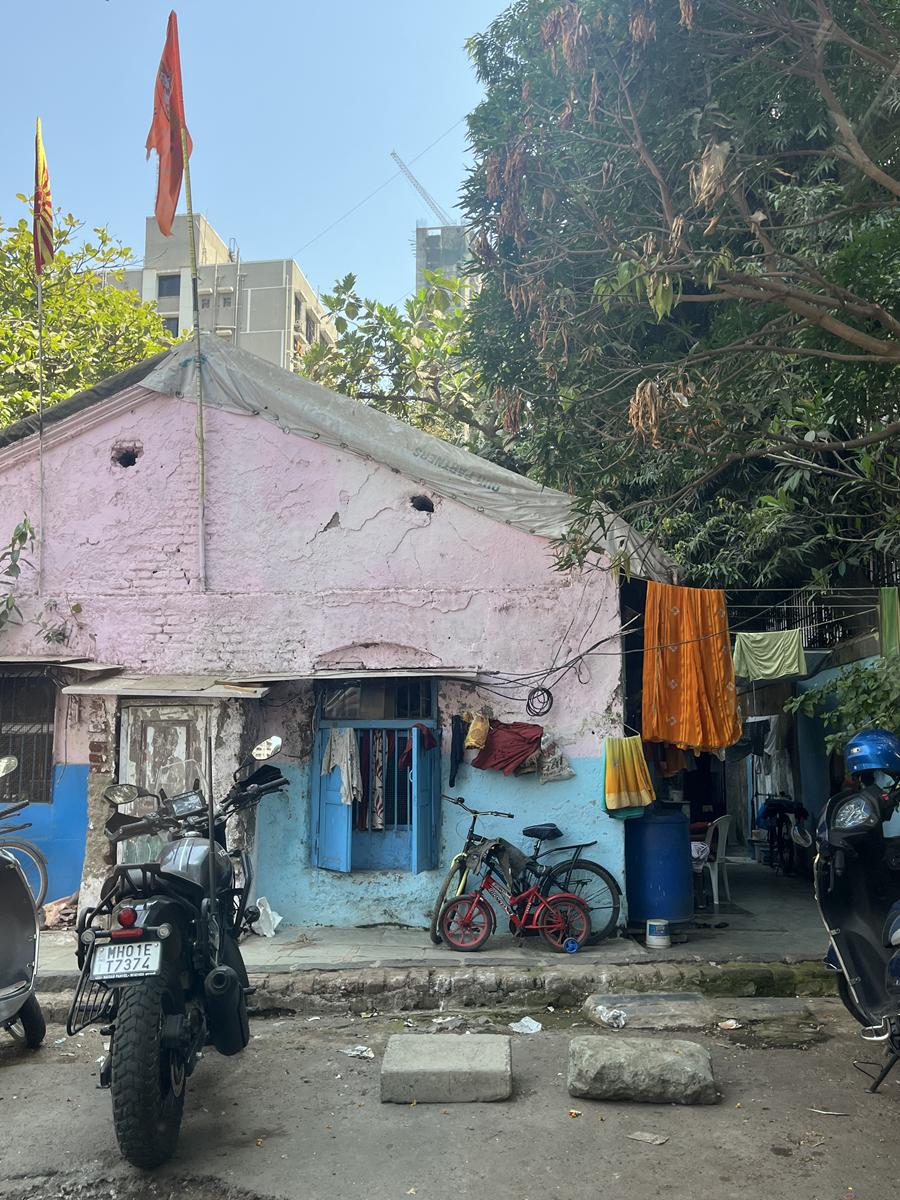
The cultural differences between Hungary and India are instantly noticeable. Hungarian culture tends to be quieter and more reserved, while in a megacity like Mumbai, hustle and constant interaction are the norm. That said, compared to Budapest, the city is significantly dirtier: hygiene standards differ, and the poorest residents often live in makeshift shelters on the street.
Source: Helló Magyar/Daily News Hungary
The cultural differences between Hungary and India are instantly noticeable. Hungarian culture tends to be quieter and more reserved, while in a megacity like Mumbai, hustle and constant interaction are the norm. That said, compared to Budapest, the city is significantly dirtier: hygiene standards differ, and the poorest residents often live in makeshift shelters on the street.
Religious diversity is profound—Hindus, Muslims, Christians, and other groups live side-by-side, and street shrines and public rituals are common. Social customs and philosophies differ too: family carries more weight, community matters more, and life flows at a different pace. Yet despite the chaos, people don’t seem stressed—they calmly endure even dangerous traffic scenarios.
What stood out the most? The warmth and friendliness—people are incredibly open and smiley.
Final thoughts
Although Mumbai can be loud, steamy, and overwhelming at first, its vibrant pulse makes it easy to fall in love with after just a few days. This is a city where tradition and modernity, crowds and individuality, spirituality and business all harmoniously coexist—especially through the eyes of a visiting Hungarian traveller.
Mumbai isn’t a destination for a relaxed, easy-going trip—but that’s precisely what makes it so compelling. The contrasts, scents, noise, crowds, smiles, and fleeting moments all add up to an unforgettable experience. It’s worth exploring this dynamic city with an open heart and a healthy dose of caution. Even though I only got a taste, I’m certain Mumbai is one of those cities you’ll want to return to—and perhaps even feel you must.
One disgusting, dirty, and stinking shithole, like the rest of India! Avoid the country like the plague! There is a reason why they showed you a bird’s eye view of the place! Any close-up views would make you vomit!
India may have much to offer but it has one huge and, unfortunately, insurmountable problem: HYGIENE.
Until they learn to not piss and shit anywhere except in a proper toilet, to not let both wild and domesticated animals roam the streets of their cities doing the same, to wash their hands and the rest of themselves frequently (WITH WATER AND SOAP!!!), to use deodorant, and to dispose of trash correctly (instead of chucking it out the window onto the street or river below), I will have absolutely zero interest in setting foot in that country.
Perhaps surprisingly, Pakistan next door is MUCH cleaner. It’s like a different planet. As for China by comparison: different universe altogether.


dirty and stinky….. no way!
One disgusting, dirty, and stinking shithole, like the rest of India! Avoid the country like the plague! There is a reason why they showed you a bird’s eye view of the place! Any close-up views would make you vomit!
India may have much to offer but it has one huge and, unfortunately, insurmountable problem: HYGIENE.
Until they learn to not piss and shit anywhere except in a proper toilet, to not let both wild and domesticated animals roam the streets of their cities doing the same, to wash their hands and the rest of themselves frequently (WITH WATER AND SOAP!!!), to use deodorant, and to dispose of trash correctly (instead of chucking it out the window onto the street or river below), I will have absolutely zero interest in setting foot in that country.
Perhaps surprisingly, Pakistan next door is MUCH cleaner. It’s like a different planet. As for China by comparison: different universe altogether.