Subscribe to our social channels to get the latest news about Hungary!


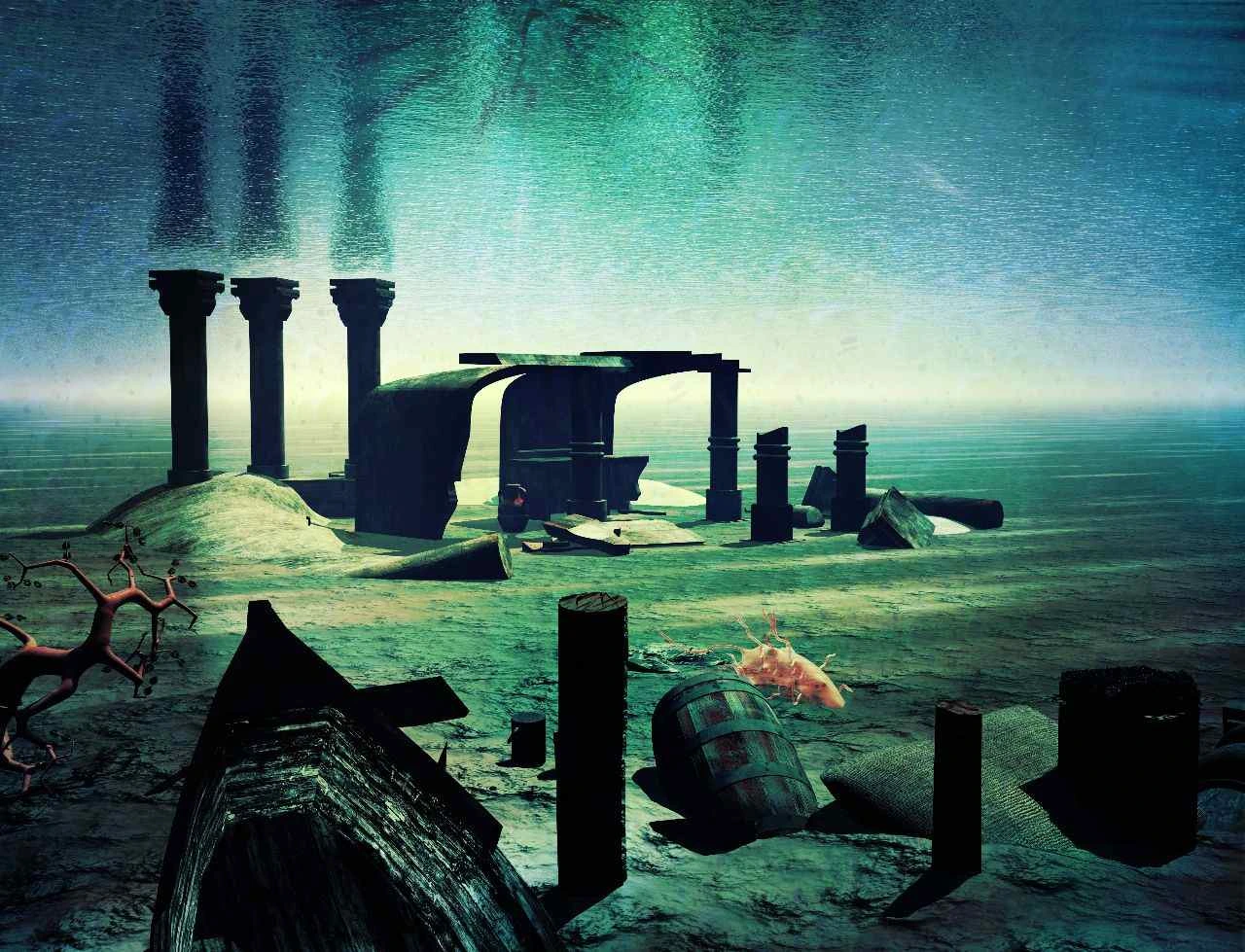
A team of archaeologists has uncovered traces of an advanced medieval society in Lake Issyk-Kul. The ruins of a once-thriving Islamic community — along with everyday objects and a necropolis — shed light on how its inhabitants lived before their city was lost beneath the water.
Archaeologists have made an astonishing discovery in every sense among the mountains of eastern Kyrgyzstan: the remains of a flourishing medieval city lie hidden at the bottom of Lake Issyk-Kul. The settlement, known as Toru-Aygyr, was an important stop along the Silk Road until a 15th-century earthquake sent it beneath the waves, All That’s Interesting reports.
This autumn, researchers examined four separate sections of the lake’s shallower zones, at depths ranging from one to four metres. In the very first area, they uncovered several structures made of fired brick; one of them even contained a millstone, suggesting that grain was once ground at the site.
The function of another building is still uncertain, but finds indicate it may have been a mosque, a bathhouse, or an Islamic school — a madrasa. In addition to the buildings, stone tools and several wooden structures were recovered, the latter now undergoing radiocarbon and dendrochronological analysis.
In the second section, archaeologists discovered a 13th–14th-century Islamic necropolis, though the lake’s highly saline water has badly eroded it. Burial practices suggest adherence to Islamic tradition: the skeletons faced north, with their faces turned towards Mecca and the Kaaba. Two such skeletons — a man and a woman — were successfully recovered and will undergo further examination.
Medieval ceramics were found in the third area, while the fourth section contained the remains of circular and rectangular mudbrick structures. Together, these findings depict a well-organised medieval settlement that was likely an important commercial hub along the busy Silk Road.

 ZH
ZH IT
IT DE
DE

