Subscribe to our social channels to get the latest news about Hungary!


New year.. new kitchen? Give your spice cabinet a piquant makeover by stocking up on the most popular ingredients Hungarians use to season their oh-so-tasty traditional dishes, from chicken paprikash to goulash soup. In this article, we will get you familiar with the top 4 most essential Hungarian spices and herbs used in the local cuisine. Aprons on, people!
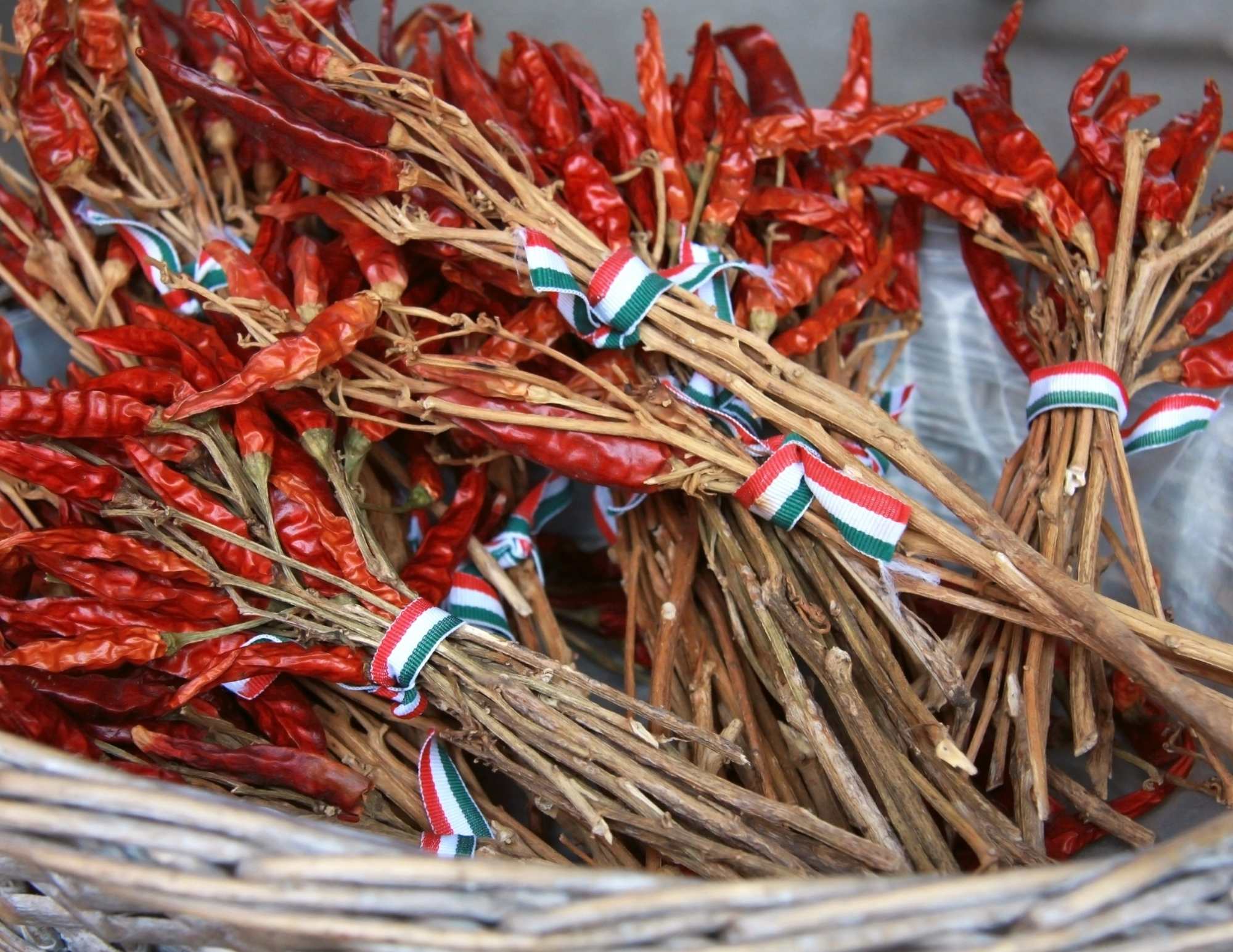
The absolute star of the spice cabinet, paprika is an indispensable ingredient in Hungarian cuisine. Locals love to sprinkle it in abundance on every possible dish from meaty meals to soups and savoury pancakes. If you are not on the spicy side, watch out because you might even find it in supposedly sweet products such as chocolate. Hungarian paprika has gained quite a bit of fame around the world for its outstanding quality. Even if you live abroad, chances are you will find it in most of the bigger supermarket chains.
According to centuries-old practice, locals leave large bundles of chilly paprika under the sun to dry off which brings out an irresistible aroma. Following this process, the plant is crushed and ground into powder. Some households or small manufacturers even keep the seeds inside when preparing paprika powder. This practice is often wrongly believed to be the factor that determines the level of piquancy, which can range from sweet and mild to hot as hell.
Whether the paprika will just pleasantly tickle your taste buds or you will end up in tears while desperately gulping large glasses of water in fact depends on the region the spice comes from.
Paprika cultivated in northern Hungary grows in slightly colder temperatures which will result in a sweeter flavour while the southern version will likely give a hard time to people who have low spice tolerance.
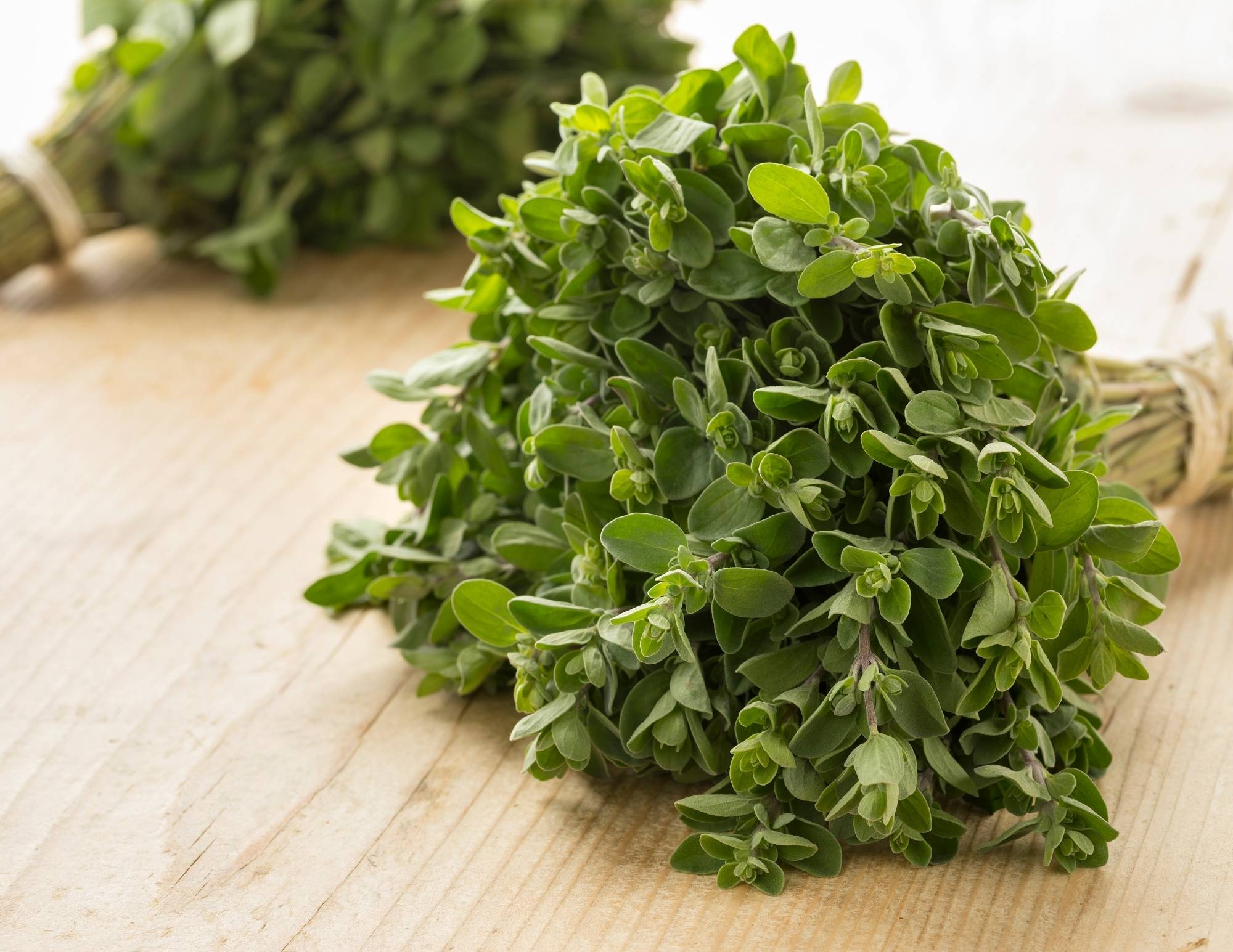
Occasionally, Hungarians like to come up with mocking terms to claim their local versions of the joys far-flung lands possess but their own country lacks, just think of the Hungarian sea (we mean Lake Balaton if you suddenly felt unsure about your geography skills). It is no different with the spices either as marjoram is often referred to as the Hungarian oregano even though the two plants do not bear similarities in taste.
Marjoram was thought to be the herb of love in ancient Greece and was linked to Aphrodite, the goddess of love and beauty.
According to the myth, she was born from the foam of the sea, near Cyprus. As she stepped on the island, the place suddenly blossomed over with marjoram. No wonder, this plant became the symbol of love and happiness among couples and newlyweds. In Hungarian folklore, young girls who reached the age to get married used to place a small bundle of marjoram under their pillows in the hope of finding a suitable husband in the village. There is even a Hungarian folk song that mentions marjoram in a context that it should be planted in the garden of lovers who suffer from heartache over losing their sweethearts.
Marjoram has an earthy and woodsy flavour, with notes of balsam-like pines and citrus. It plays nicely with garlic in dressings and mushroom dishes and can be added to sausages and grill marinades as well.
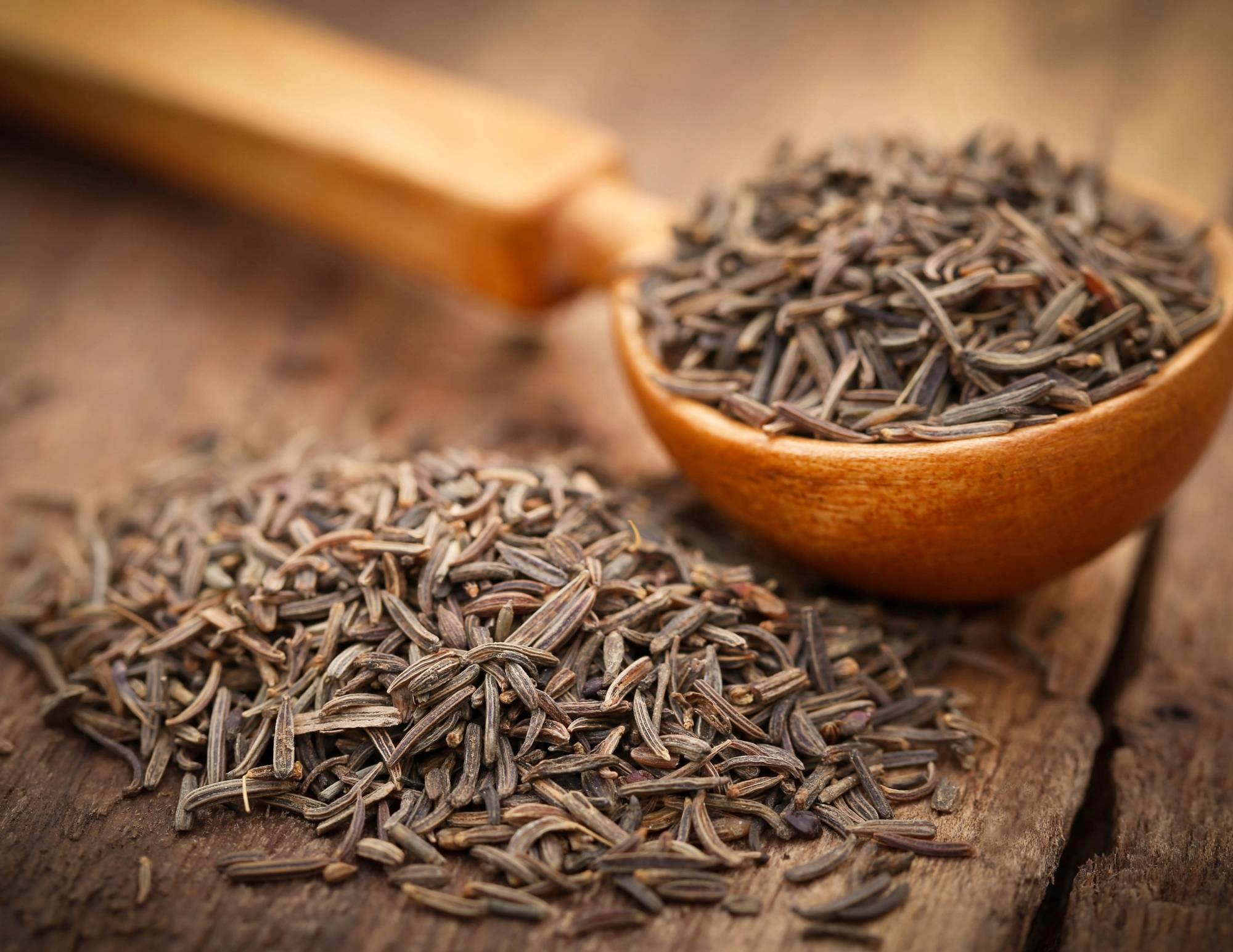
Caraway holds a prominent place on the list of Hungarian spices. Its enticing aroma is mentioned both in Bible passages and a Shakespeare play; so one can conclude that people from the classical world and the Middle Ages really knew how to season their dishes.
When it comes to the use of this herb, locals really max out creativity as in certain regions they add toasted caraway seeds to season their homemade pálinka.
This practice is especially widespread in Transylvania where people mix sugar and caraway, and the distilled blend is then added to plum or pure-grain pálinka. This recipe shows quite a stroke of genius as caraway is known for its detoxifying properties which can counteract the liver-damaging effect of alcohol. You just have to drink enough of it. No wonder locals regularly treat themselves to folk wellness sessions.
Caraway has a slightly sweet, warming flavour with a nutty element, and for this reason, it is often seen as a savoury alternative to cinnamon. This spice works well with soups, especially bean goulash, potato dishes and local salty pastries such as the all-time favorite pogácsa.
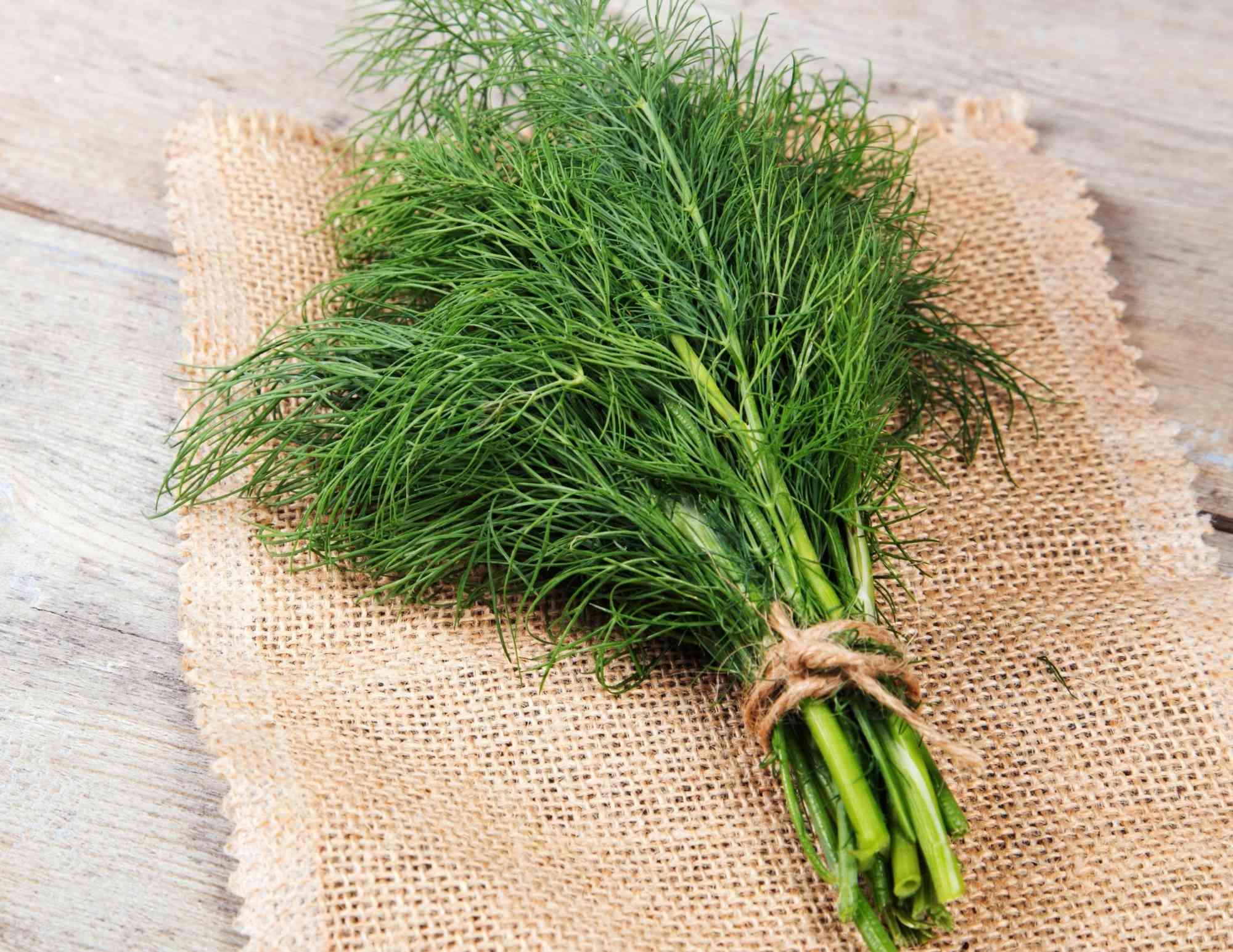
Dill just simply cannot be missed in Hungarian households. The herb’s healing properties have been known for centuries in Hungarian folklore medicine. In medieval times, dill was also cherished and celebrated for its supposed spiritual uses. Due to its distinctive odour, dill was believed to ward off the evil spirits when worn or when made into a wreath and hung above doorways. Besides, the plant was also used in witch hunt, for the same reasons. Nowadays, you may not catch any imaginary creatures with it anymore, but quite the opposite.
Cooking with dill will most likely lure over the entire neighborhood to your doorstep for its appetising scent.
Another interesting fact is that, in rural Hungary, dill is often called cucumber grass as it is an absolutely essential ingredient when making pickles. It does not only give a unique flavour but also serves as a natural preservative.
When dealing with dill (pardon the pun), expect a deliciously fresh, citrus-like taste with a slightly grassy undertone. It is sometimes used as a substitute for parsley. Dill goes perfectly well with pumpkin pottage or főzelék, sandwich spreads and various sauces. Locals also use this herb to season their famous blood sausage as well as cottage cheese dishes. The sweet local cheese makes a winning pair with the dill.
Source: Daily News Hungary


It’s a shame that the article did not include minerals. Then it could have included salt. Generally speaking, both restaurants and home cooks use so much salt as to render most dishes inedible to those of us with refined palettes or those of us who try to eat reasonably healthily.