Subscribe to our social channels to get the latest news about Hungary!


In the heart of Ankara on a humid July morning, beneath skies tempered by high summer haze, Türkiye once again turned inward—reflecting on the traumatic night of 15 July 2016, when a violent military coup attempt shocked the country, paralysed its capital, and left over 300 people dead and thousands more injured. Nearly a decade on, the memory remains raw, vivid, and politically potent.
At the invitation of the Directorate of Communications of the Republic of Türkiye, Daily News Hungary joined over 120 journalists from across 41 countries for a three-day programme marking the ninth anniversary of the failed coup. The event — spread across Ankara and Istanbul — was equal parts memorial, message, and media diplomacy. While the tone was at times highly curated, the commemorative effort provided rare access to key institutions and an opportunity to observe how a nation narrates a turning point it considers foundational to its modern identity.
The failed coup of 15 July 2016 is remembered in Türkiye not merely as a power grab, but as a rupture — a moment when democracy itself, in the government’s view, teetered on the edge of annihilation. In the state’s official narrative, the Fetullah Terrorist Organisation (FETÖ) was behind the attempt, seeking to destabilise civilian rule and seize power through the infiltration of the military and judiciary.
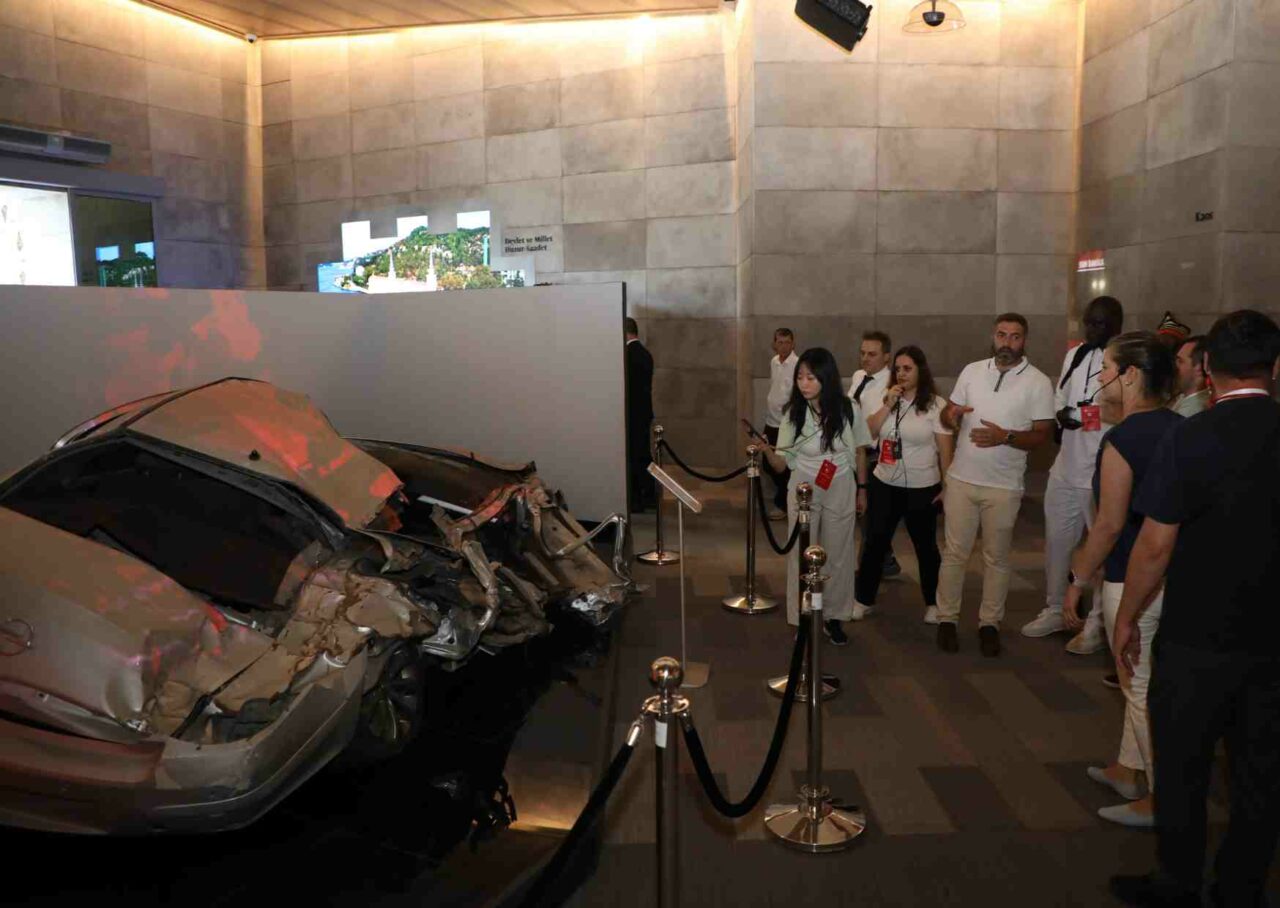
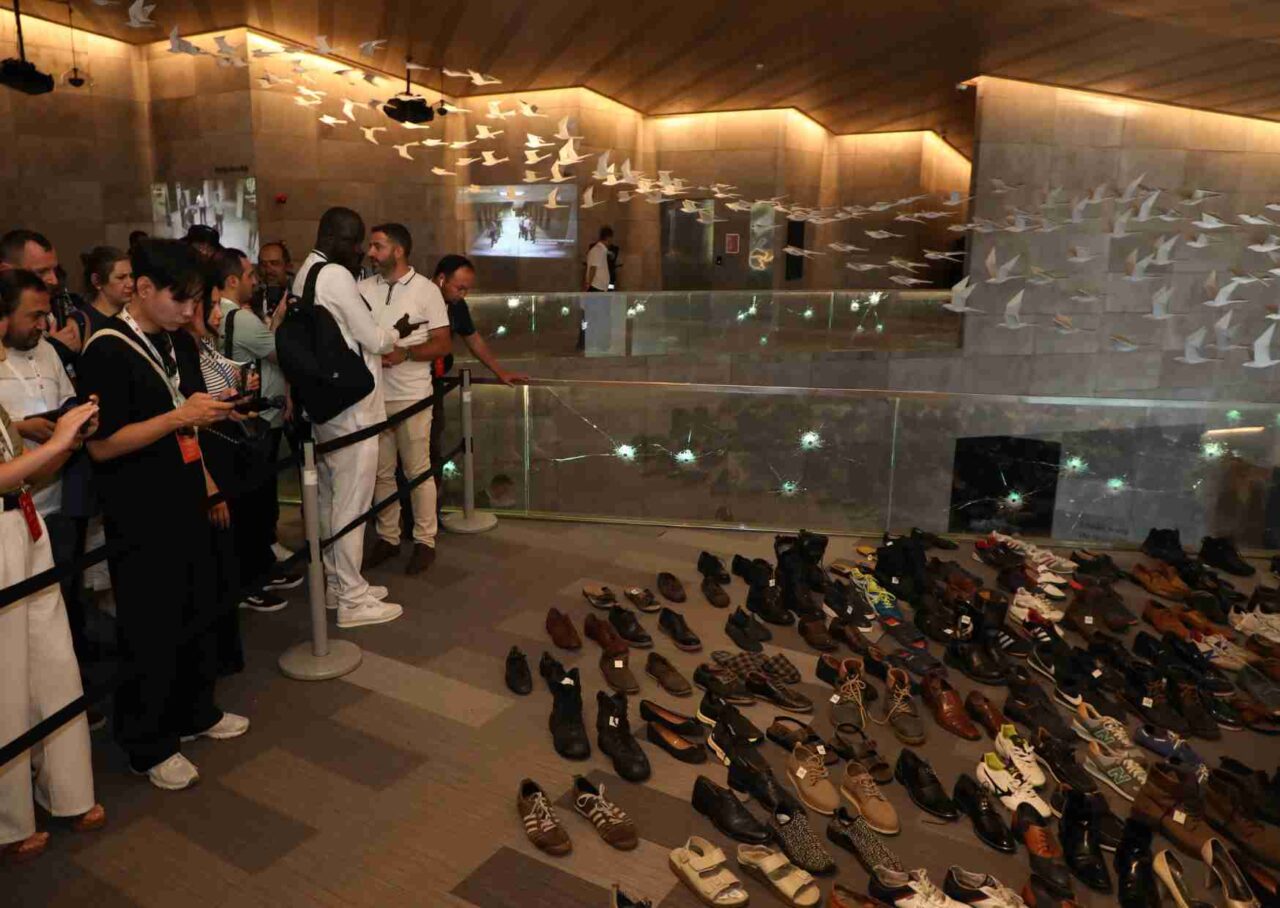
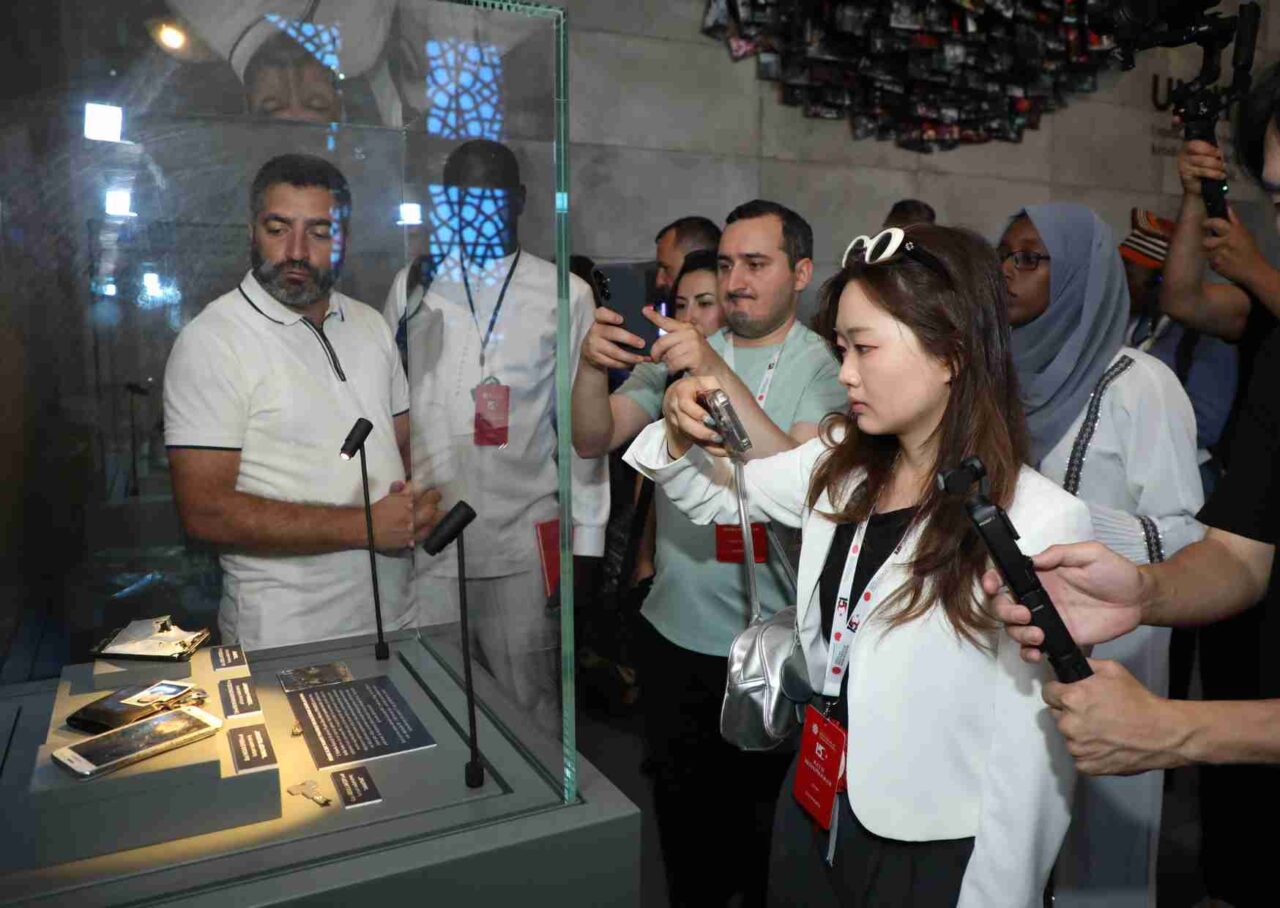
These themes were woven throughout our visit to the July 15 Democracy Museum, located within the Presidential Complex in Ankara — a space that blends modernist austerity with solemn national reverence. The museum presents a visceral, sometimes jarring, account of the coup attempt: photographs of civilians confronting tanks, footage from mobile phones and security cameras, and personal effects of the deceased — wedding rings, bloodied clothing, children’s toys — all serve to underscore the human toll.
Security remains heavy at the Presidential Complex — no planes, civilian or military, are allowed to fly overhead. In fact, throughout the trip, heightened security presence was a noticeable backdrop, a reminder that the trauma of 2016 has left structural and psychological legacies.
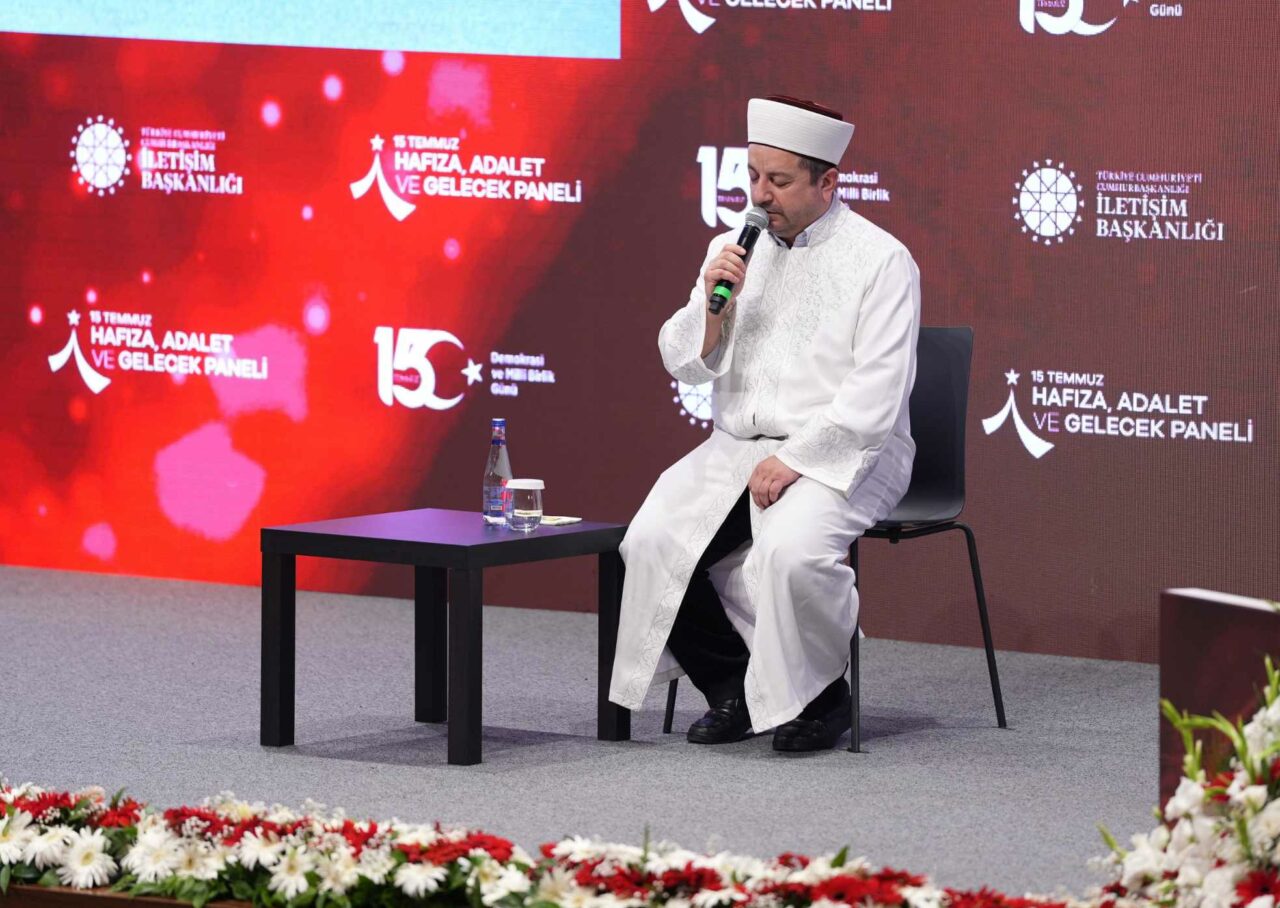
Later that day, at the Grand National Assembly, President Recep Tayyip Erdoğan addressed the country in a short, restrained speech delivered after the recitation of a Quranic prayer. In contrast to previous years, where fiery addresses often stretched well beyond the hour mark, this year’s speech was notable for its brevity — just under 15 minutes.
And though the symbolism of the venue is clear — the Parliament was among the sites bombed during the coup attempt — this year’s attendance was noticeably sparse. Rows of empty seats marked the chamber, particularly in the front rows designated for members of the judiciary, senior business figures, and foreign diplomats. There were murmurs among attendees about the absence of certain political and institutional figures, subtly punctuating what was otherwise a solemn atmosphere. Still, The Turkish President’s message was sharply delivered.
“The epic of July 15,” Erdoğan declared, “is the triumph of bare hands over tanks, planes, and bombs.”
His tone blended religious homage with national pride, repeatedly returning to the idea of unity and the unyielding will of the people in the face of an existential threat.
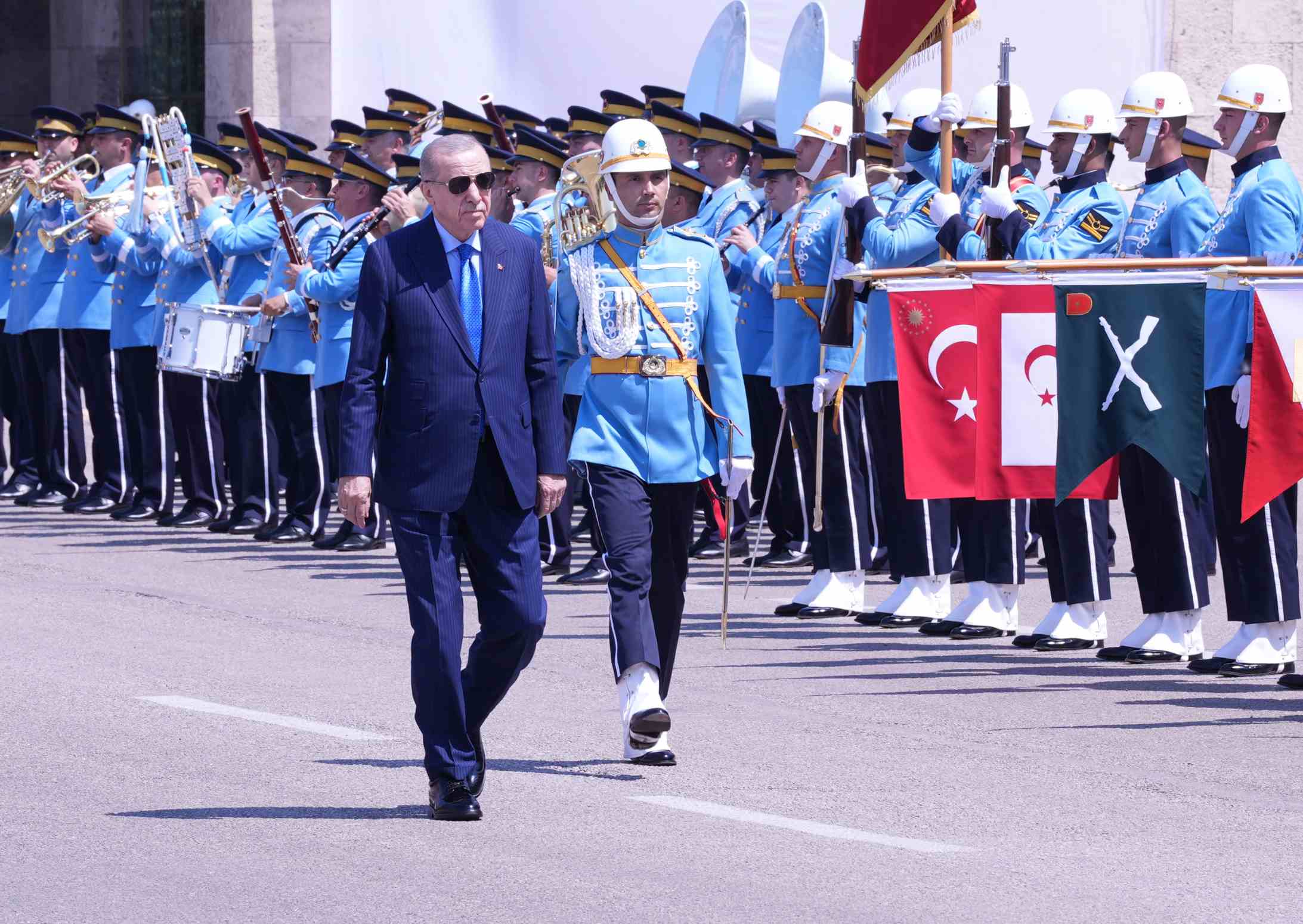
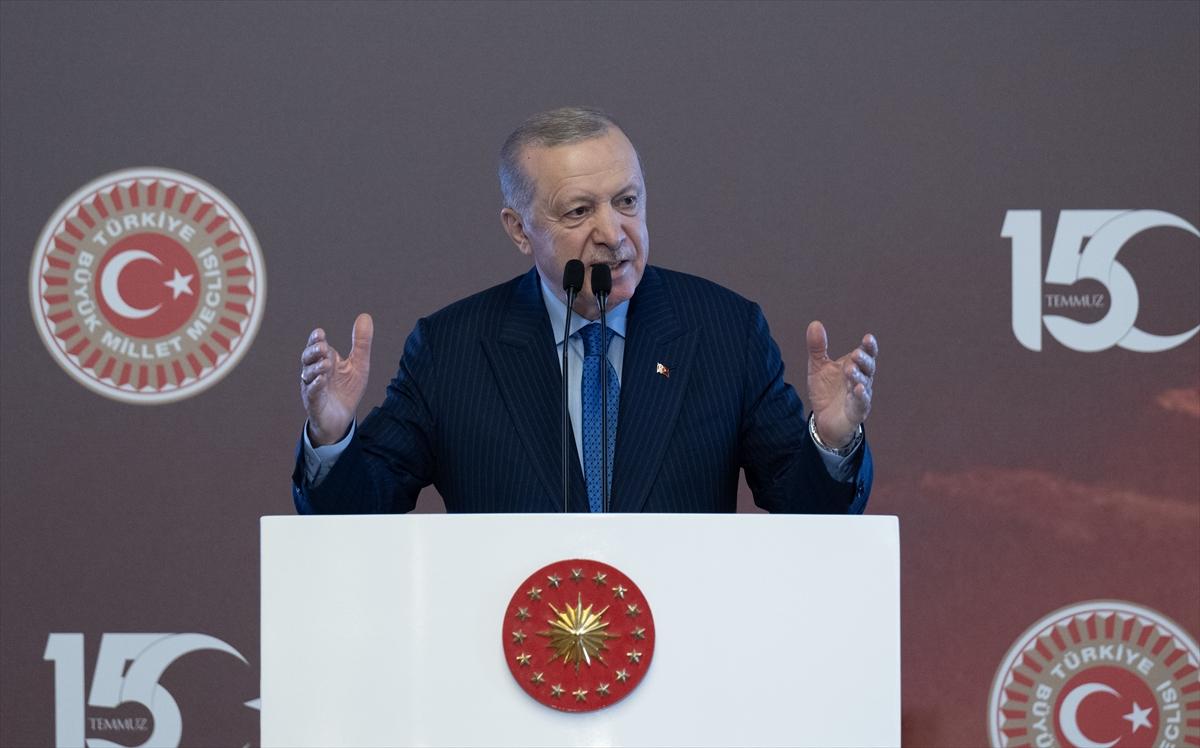
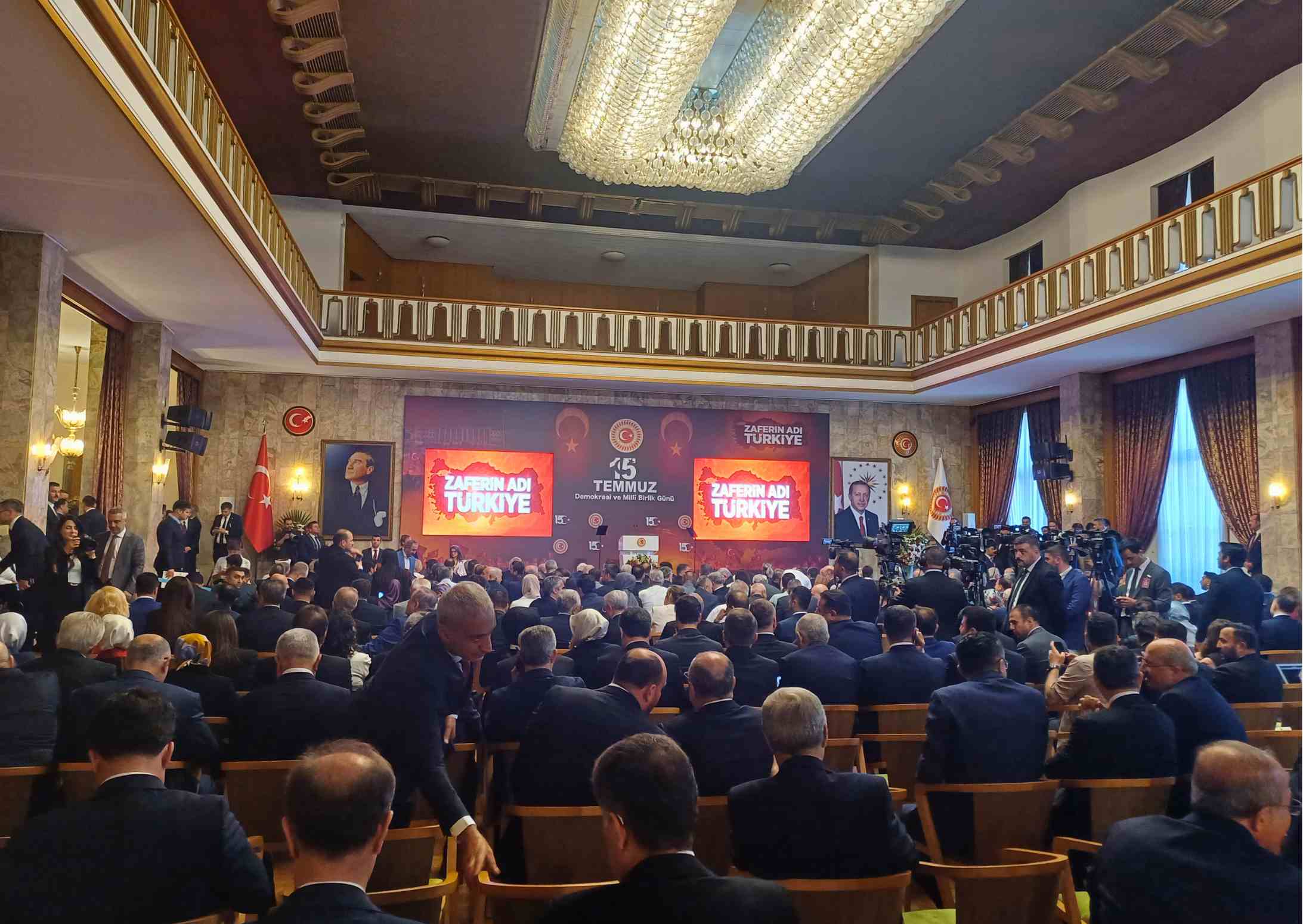
To read our detailed report on President Erdoğan’s July 15 address, click HERE.
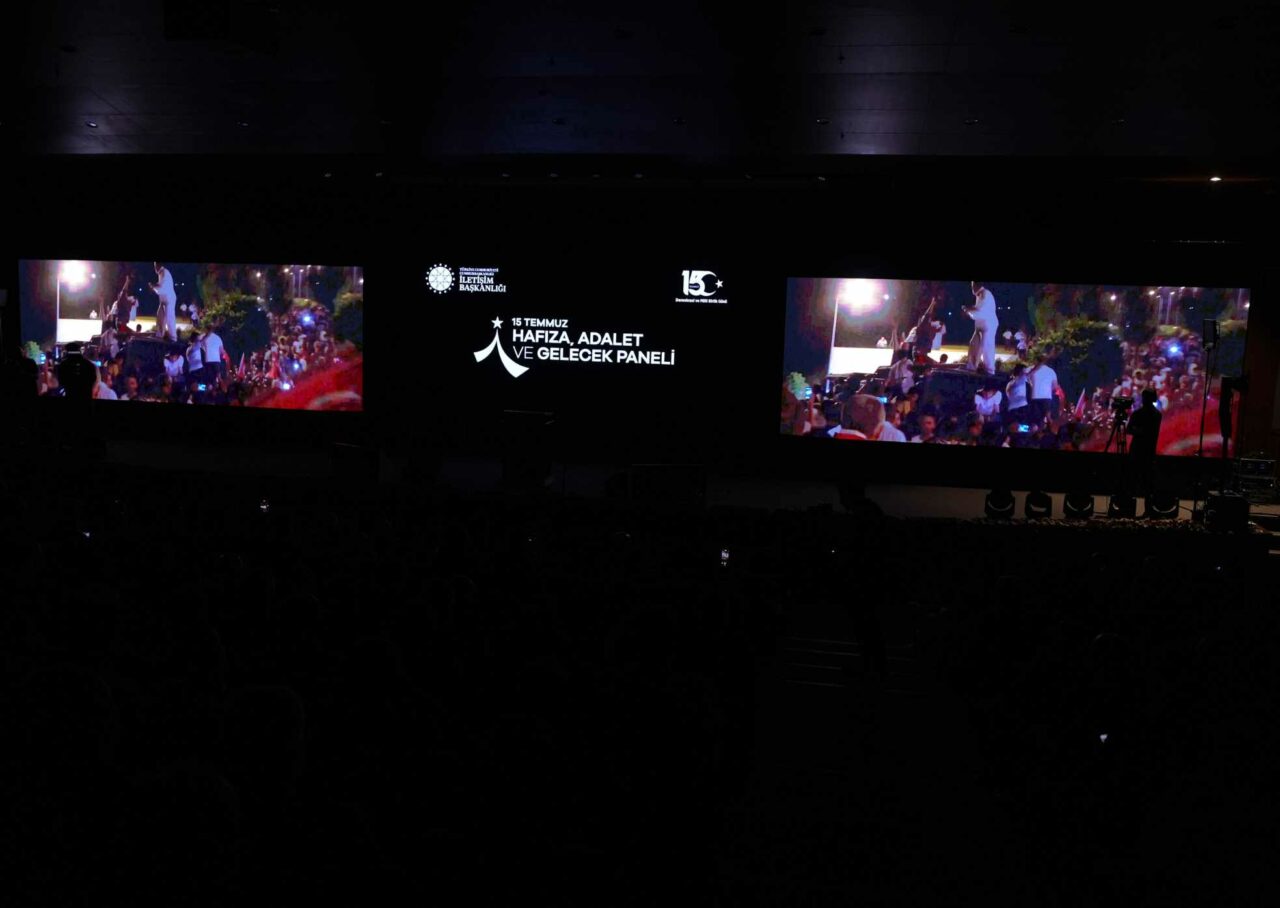
On 16 July, attention turned to a series of panel discussions hosted by the Directorate of Communications under the theme “Memory, Justice and the Future” — a conceptual triangle framing Türkiye’s efforts not just to remember the coup, but to position itself as a democracy forged in crisis.
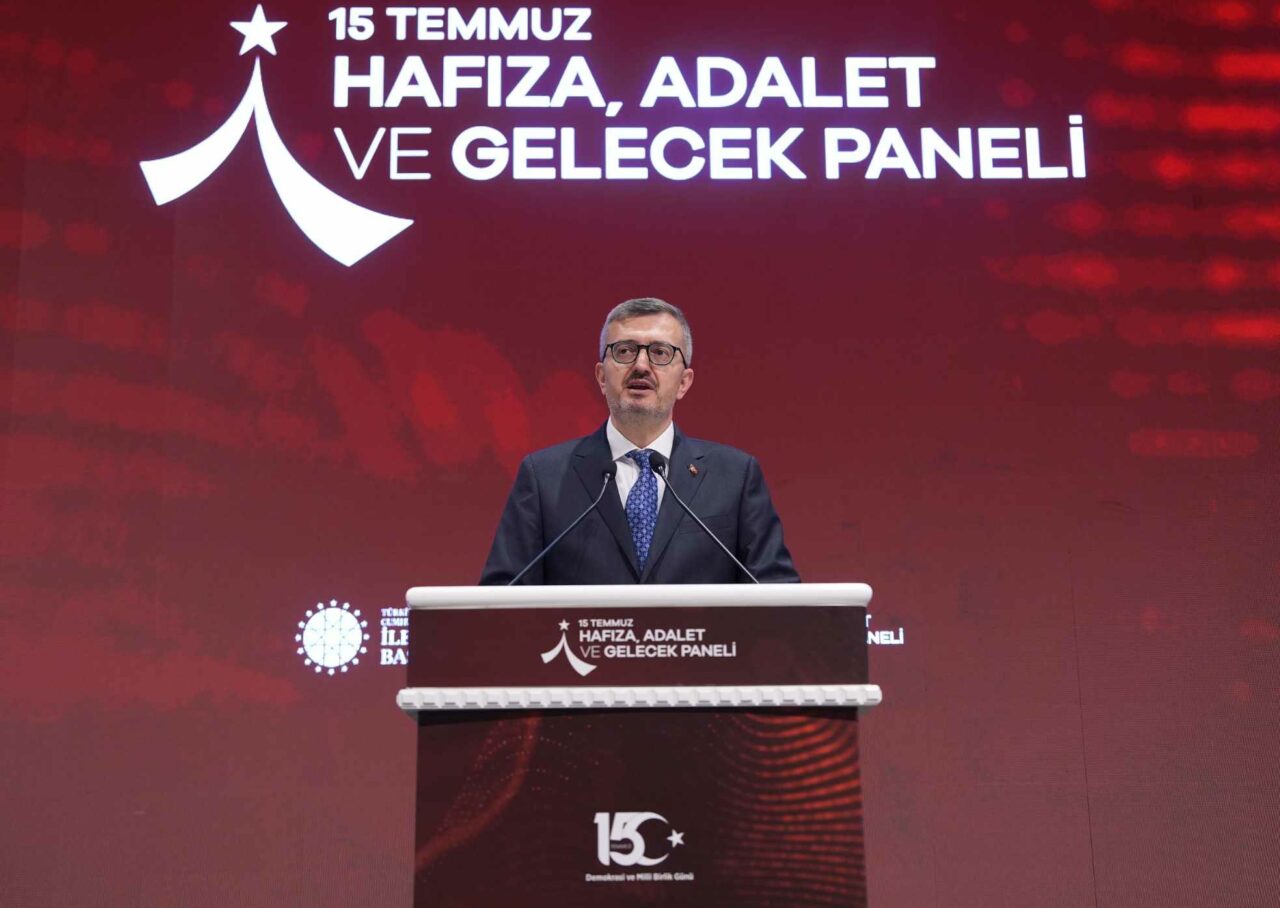
Prof. Burhanettin Duran, Head of Communications at the Presidency, opened the panels with a candid personal reflection. He recalled the moment he and his wife left their home in Ankara on the night of the coup — despite warnings from friends and neighbours — to witness history unfolding. He spoke with conviction about the importance of preserving the memory of July 15, including passing it on to the next generation; the previous night, he said, he had explained the events to his eight-year-old daughter.
More than 11,000 commemorative projects have been submitted across Türkiye this year alone, including student painting competitions and civic events, underscoring the degree to which July 15 has been embedded in the country’s public memory — particularly within its educational and cultural sectors.
The message from Duran was clear: Türkiye is not the same country it was in 2016. In his words, it has emerged “stronger, more vigilant, and more democratic”, with security recalibrated and its institutions undergoing what he called a “massive transformation.” He also noted the extent to which Türkiye sees itself now as a “pioneer of a human-centred international order.”
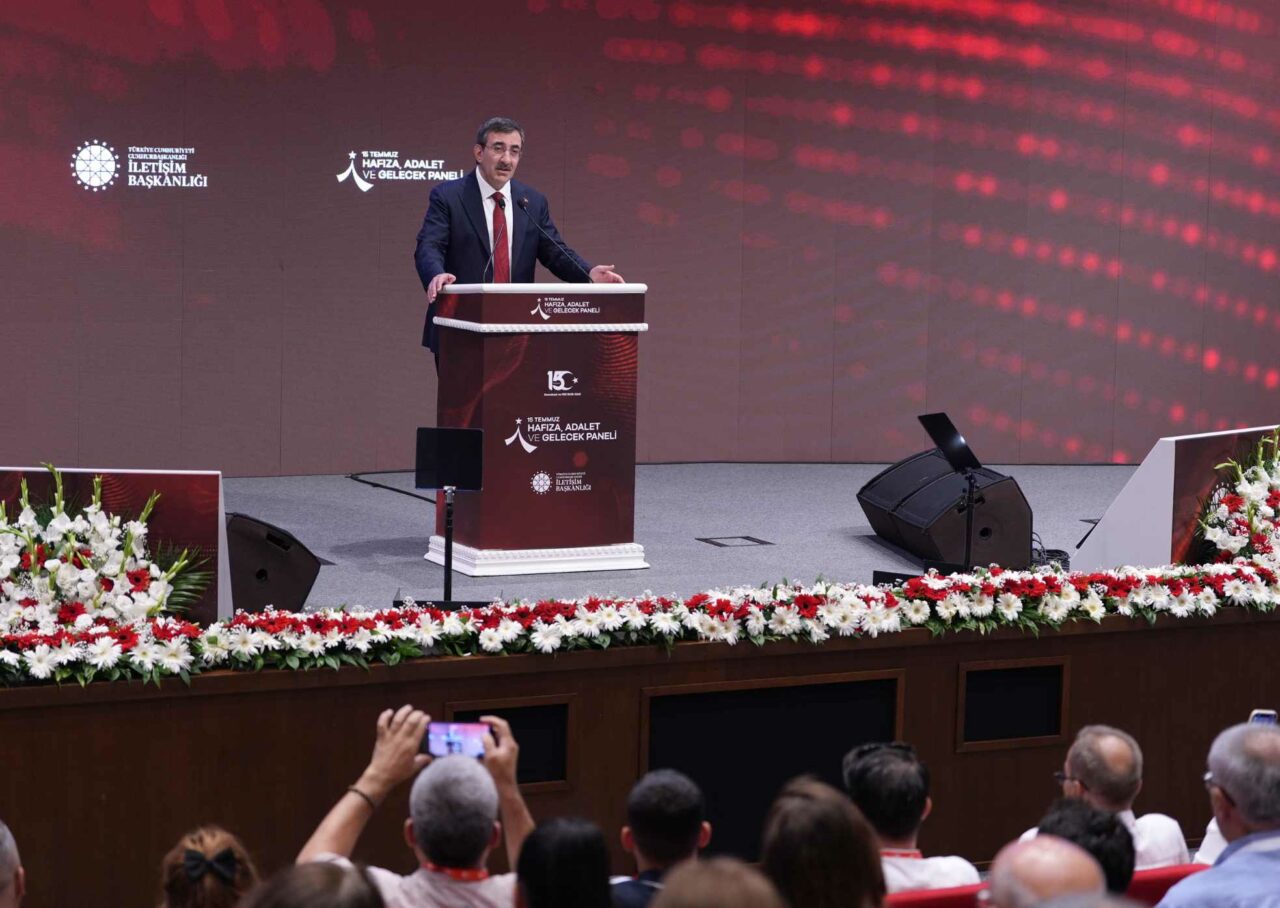
Vice President Dr Cevdet Yılmaz, in a follow-up keynote, offered a more sober assessment. Addressing both local and international media, he delivered a considered reflection on the collective memory of nations. “A nation without memory,” he warned, “is like a person with amnesia. It cannot have justice, nor can it build a stable future.”
Yılmaz did not shy away from questioning the events of the past. He argued that the failure to properly examine and understand the series of coups from the 1960s onwards had created a kind of democratic fragility — an inability to anticipate and confront anti-democratic threats like FETÖ.
“Had we studied our past more thoroughly,” the Vice President noted, “perhaps we could have avoided the tragedy of 2016.”
His disappointment, however, was reserved most clearly for the international media, which, in his view, failed to depict the events of July 15 with the nuance and accuracy they deserved. While praising Türkiye’s domestic media for its democratic stance, he lamented the global press’s apparent indifference — or, worse, scepticism — toward what many in Türkiye view as one of the most important nights in their republican history.
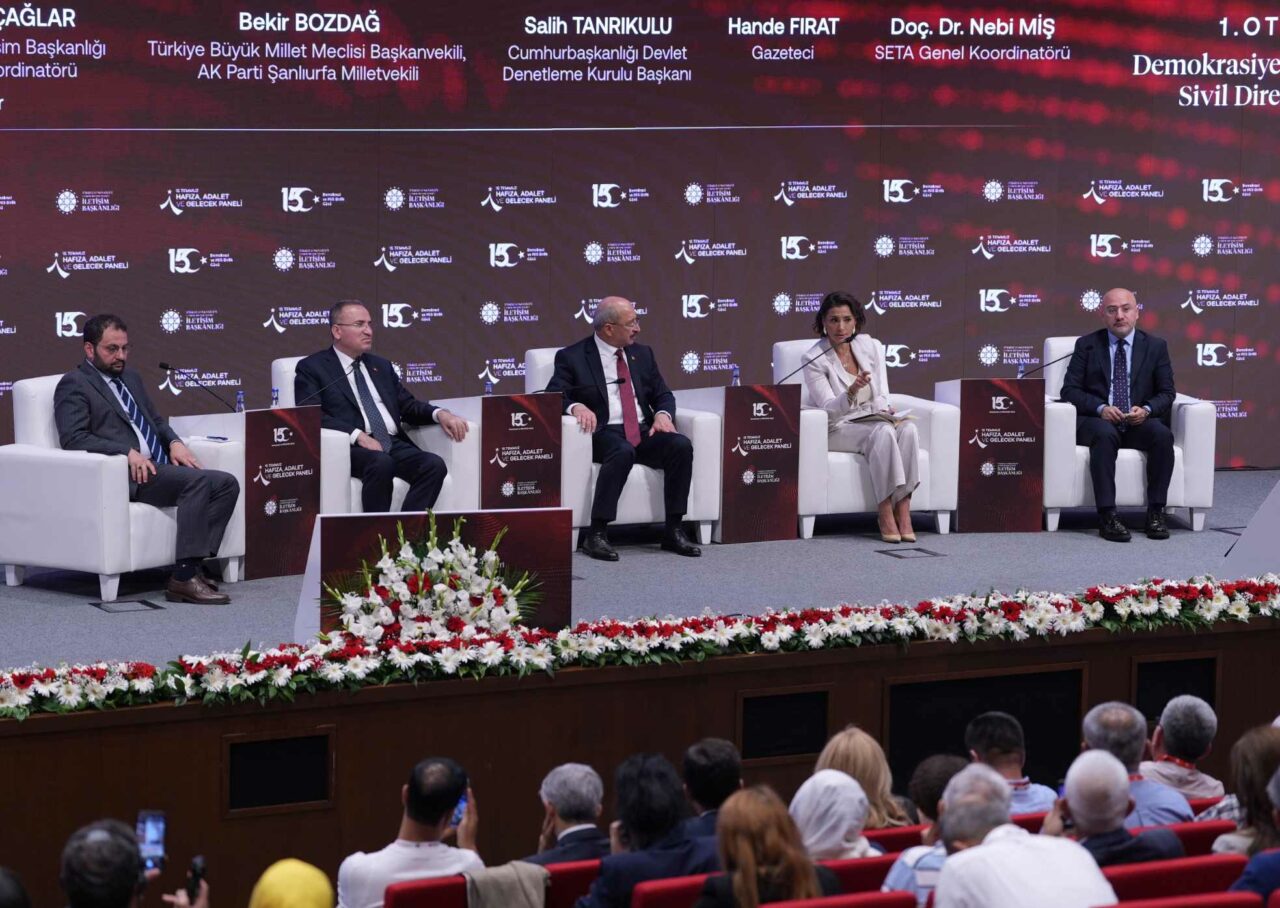
The final session of the day brought together an impressive line-up of speakers under the title: “Defending Democracy: The Power of Civil Resistance.”
Chaired by Assoc. Prof. İsmail Çağlar, the discussion featured senior parliamentarians, civil servants and journalists — among them Bekir Bozdağ, Salih Tanrıkulu, Hande Fırat, and Assoc. Prof. Nebi MİŞ.
The session sought to contextualise the success of July 15 in light of citizen action and political leadership. A particularly vivid analogy was offered, drawing from a Turkish saying:
“If the leader hides behind the pine tree, so will the nation. But if he stands firm, the people will stand too.”
The implication was clear: had Erdoğan faltered, so too might the nation. Instead, his late-night FaceTime call to a TV anchor — urging citizens to resist — is widely credited with galvanising nationwide opposition to the coup plotters.
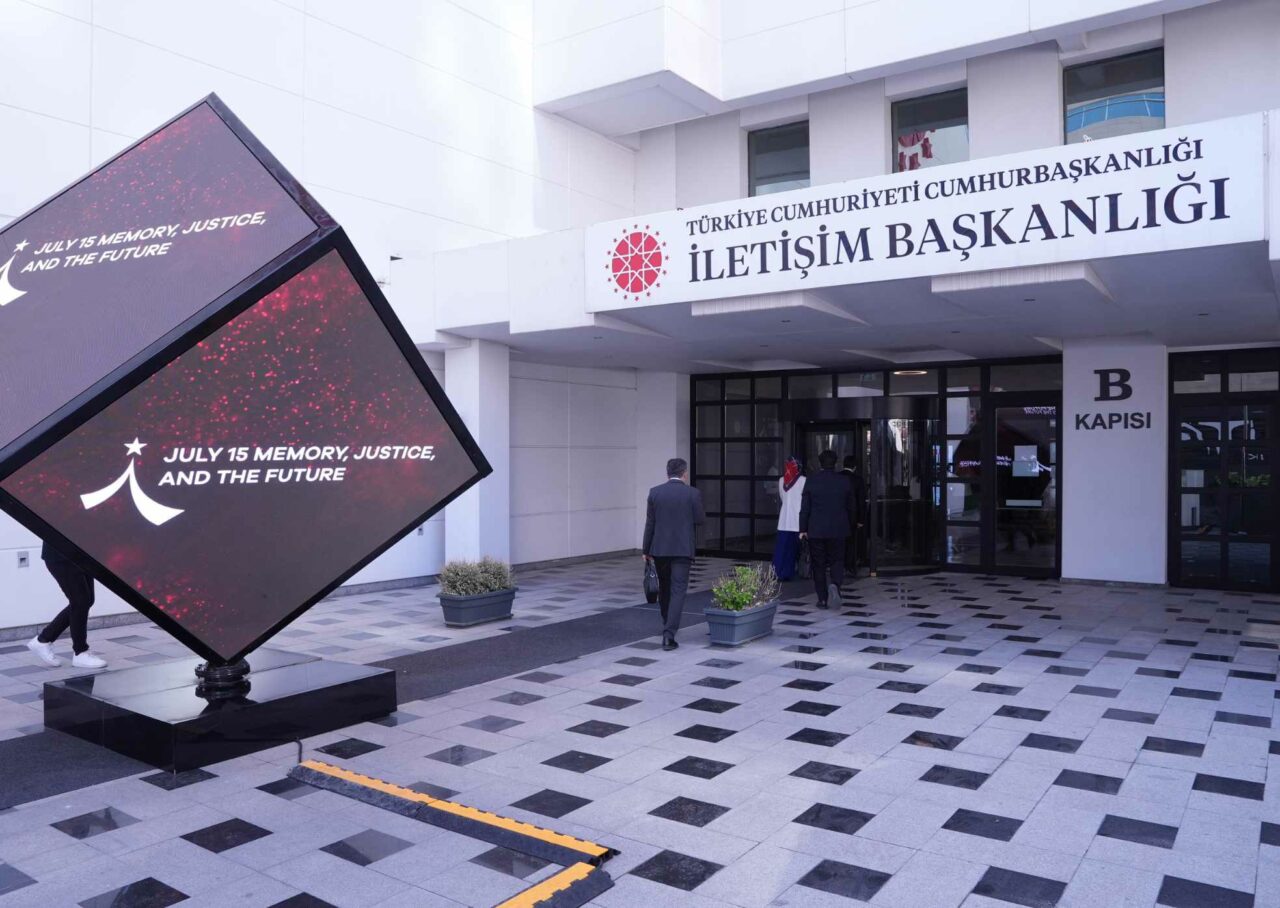
The commemorative tour continued in Istanbul, where a visit to the Memory July 15 Museum offered a broader — and more reflective — historical account. The museum does not solely focus on the 2016 coup but attempts to draw a lineage of military interventions, both in Türkiye and beyond, situating July 15 within a larger narrative about sovereignty, civil control, and popular legitimacy.
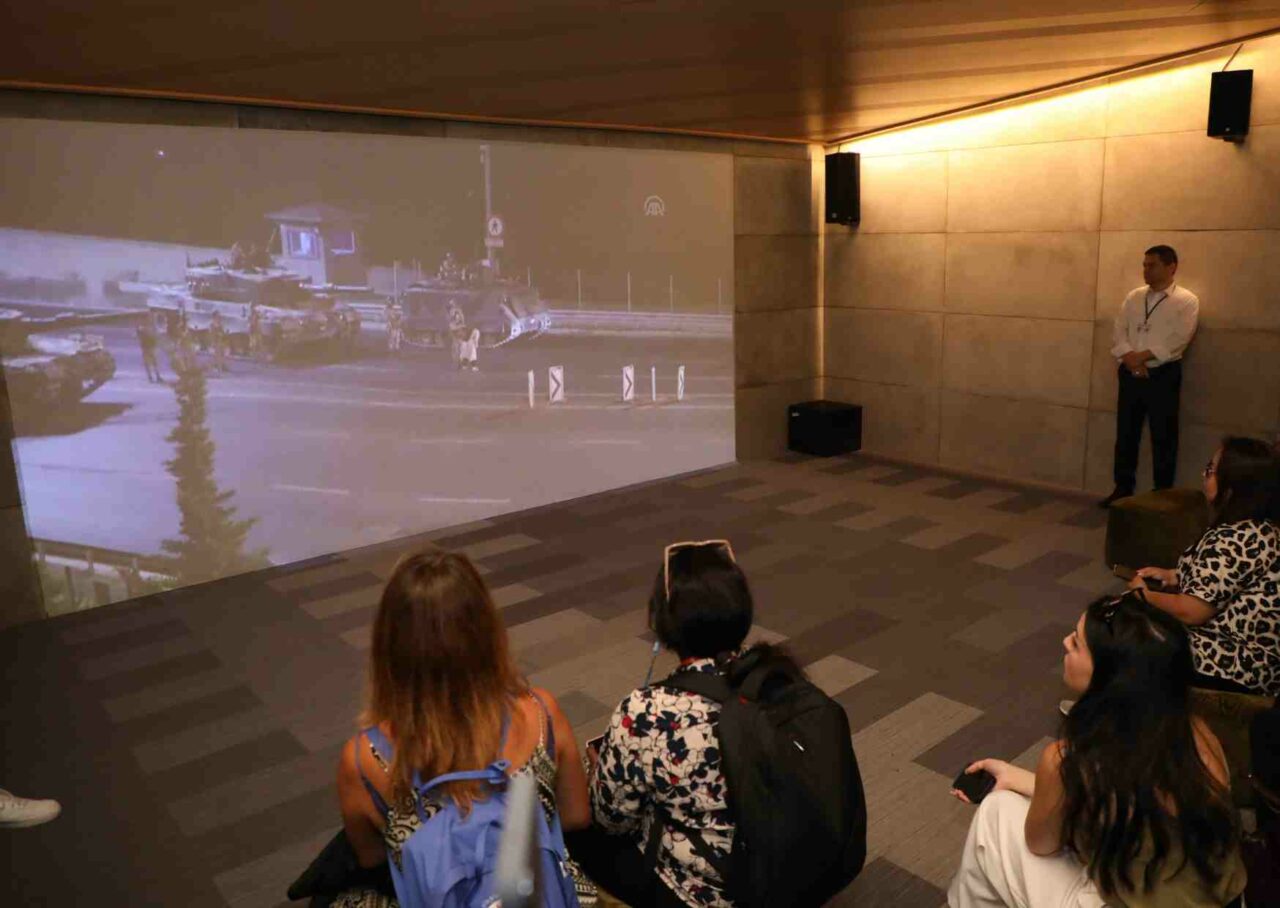
Curated by architect Hilmi Şenalp, the museum includes multimedia exhibits, personal testimonies, and reconstructions of key moments. One film, viewed in near silence by our international group, showed the human drama of July 15 from multiple perspectives — families searching hospitals for loved ones, civilians confronting soldiers, survivors recounting the moment they were shot or detained.
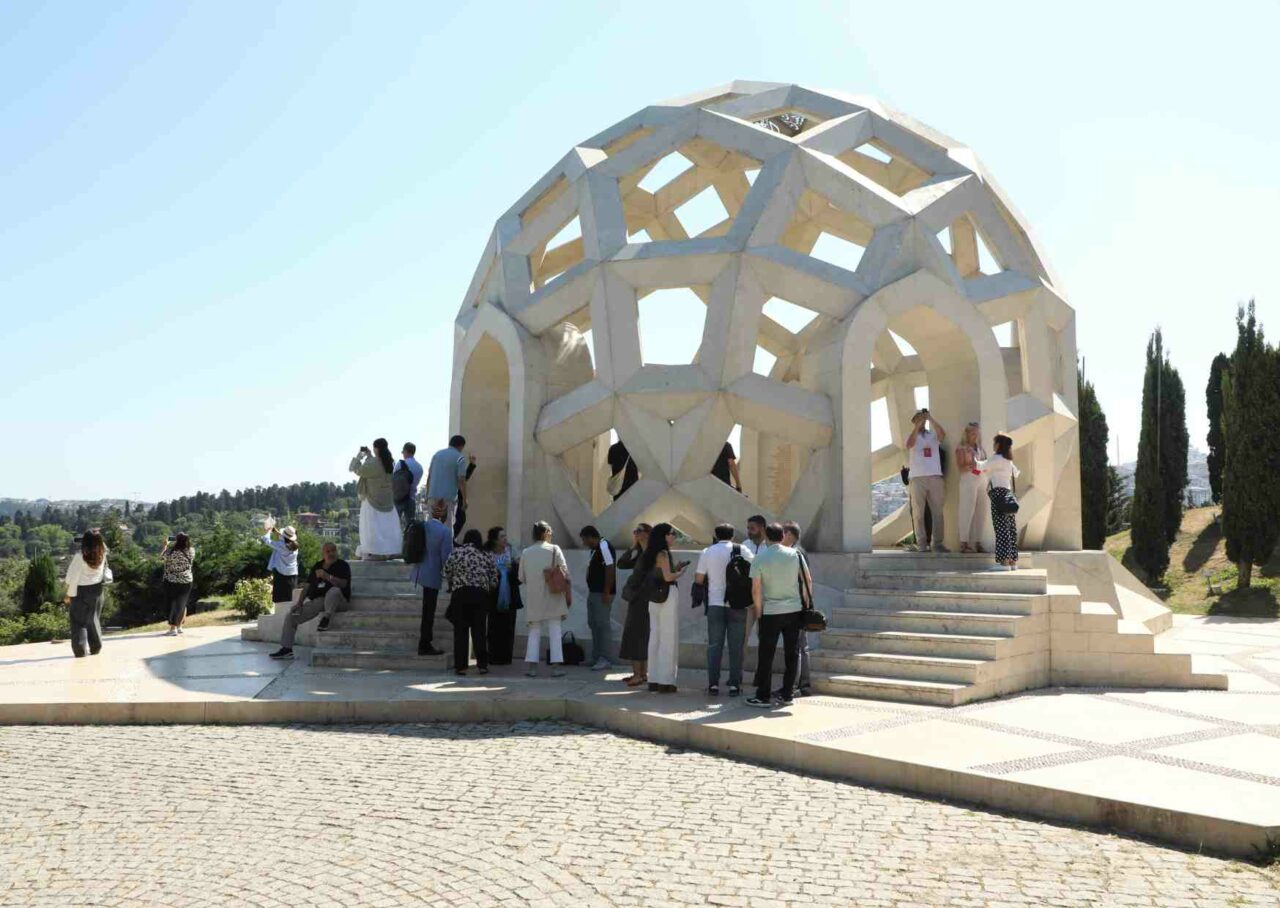
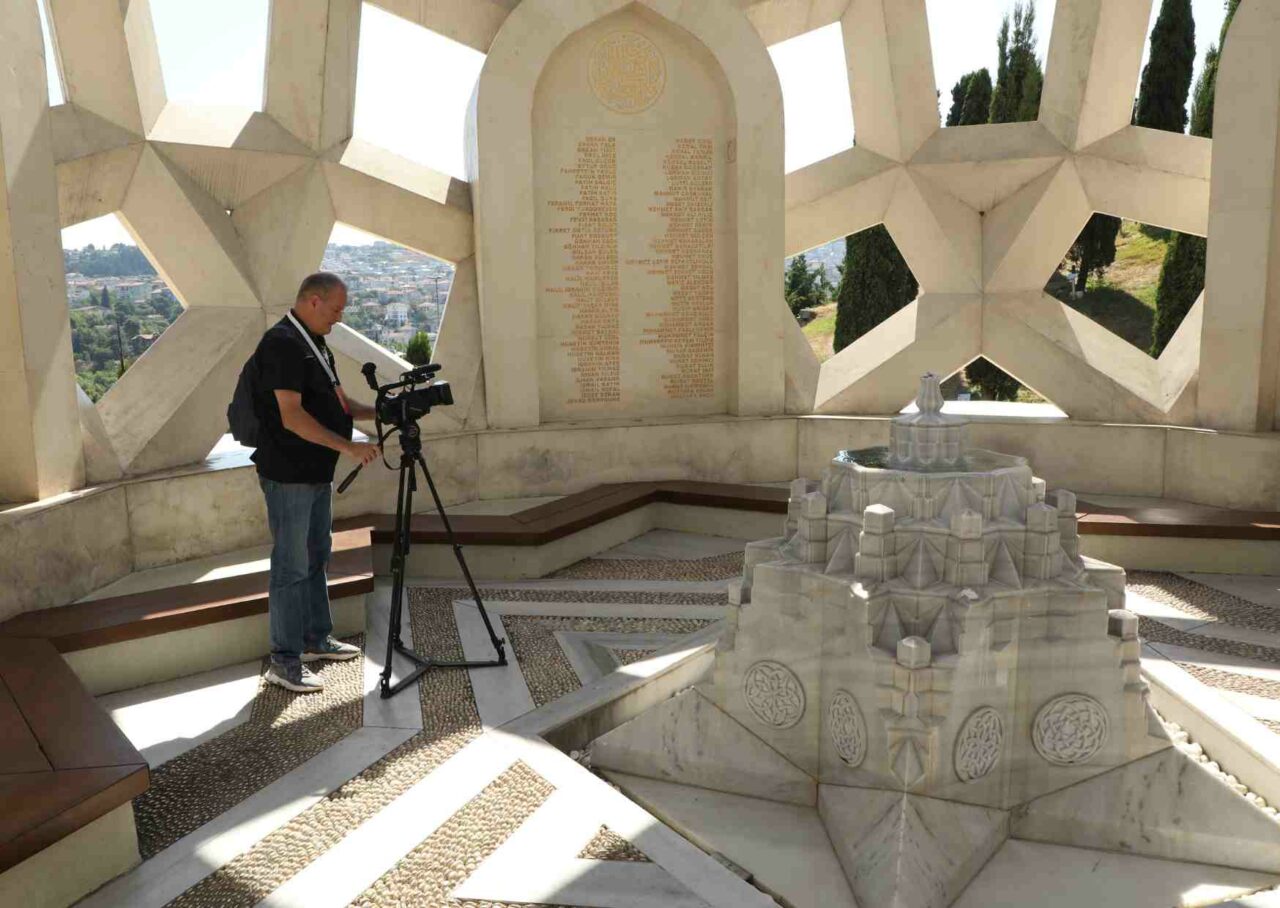
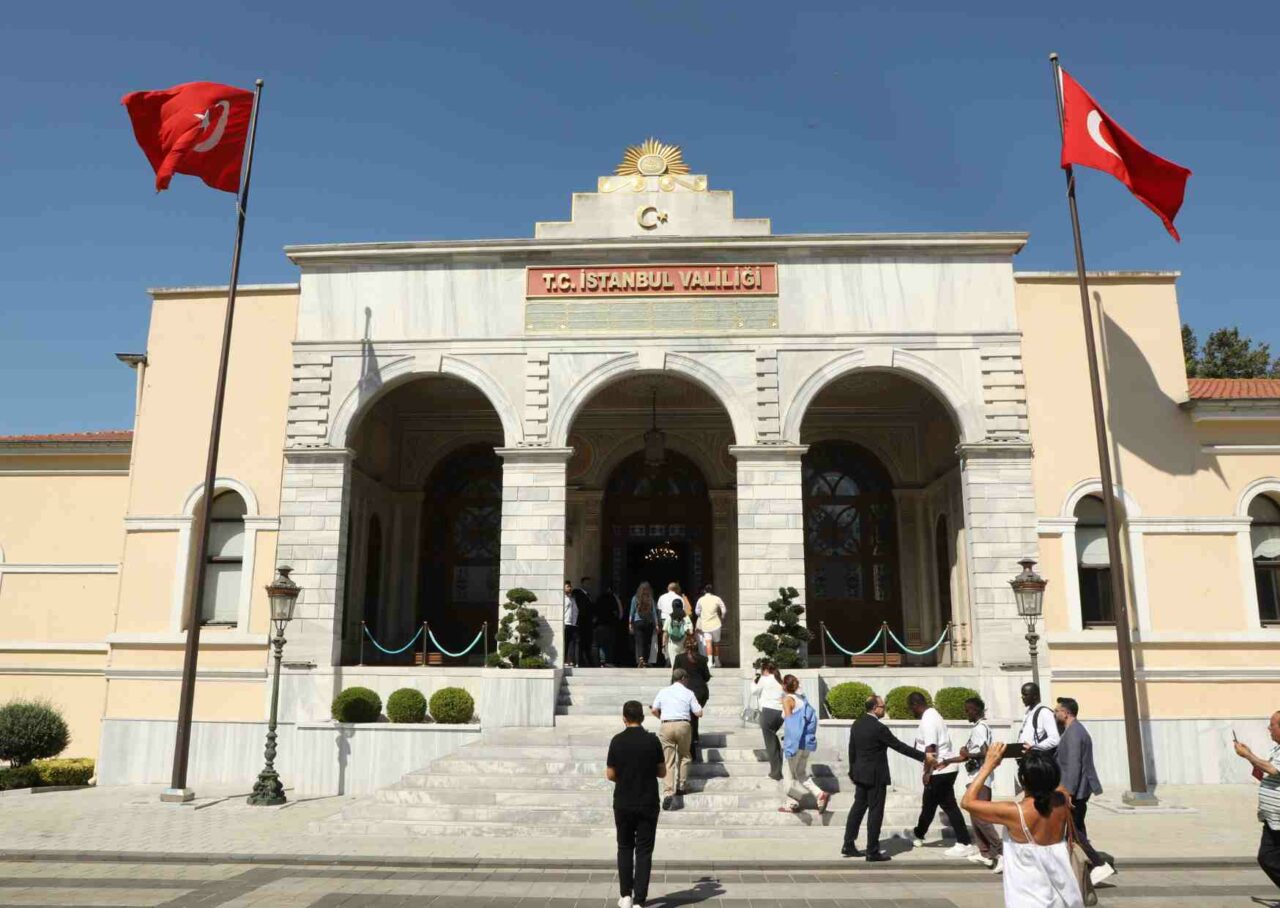
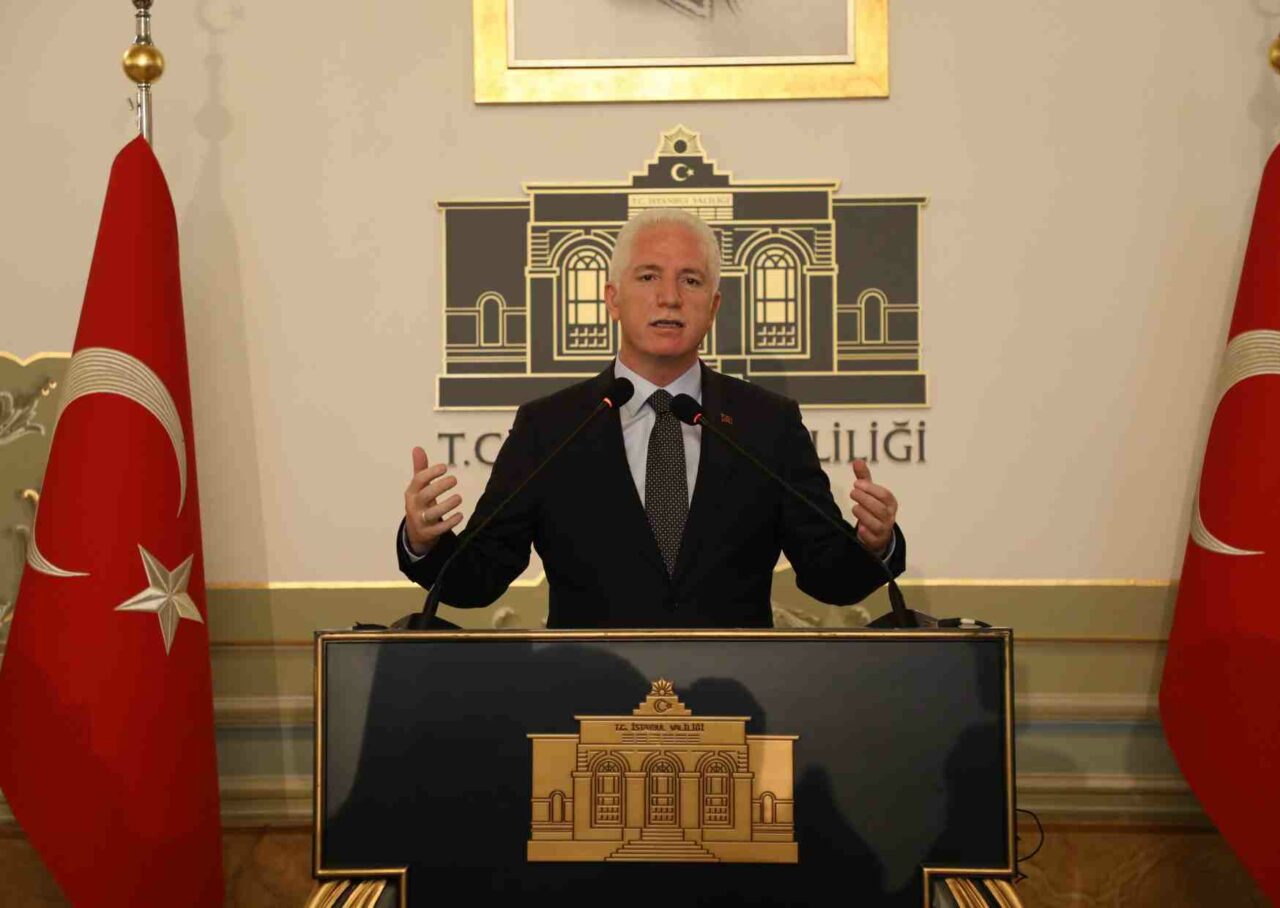
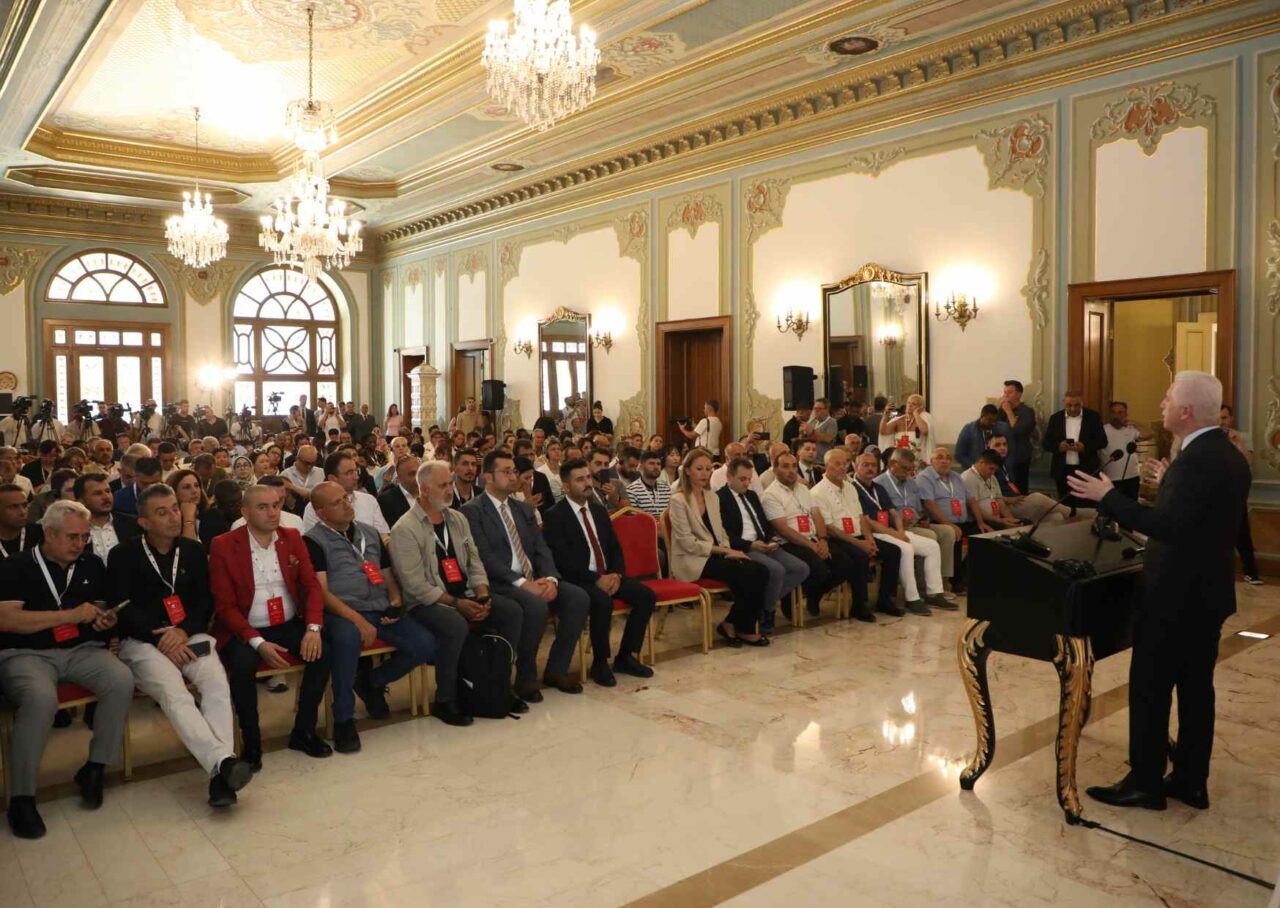
The day concluded with a visit to the Istanbul Governorate, where Governor Davut Gül addressed the gathered delegation. He spoke of a new atmosphere of “peace, brotherhood and prosperity”, and expressed hope that Türkiye’s second century as a republic would be built not on ethnic or sectarian division but on shared national purpose.
Governor Gül’s remarks soon turned toward warnings. He emphasised that the threat posed by FETÖ, the terrorist organisation blamed for orchestrating the 2016 coup, was not limited to a single historical event. He alleged that its operatives had, for years, infiltrated key institutions across Turkish society—from the judiciary and educational system to banks, telecom companies, and media outlets. He warned that such threats can operate covertly, sometimes even disguising themselves as legitimate non-governmental organisations (NGOs).
The Governor also raised concerns that similar patterns of infiltration could occur abroad, cautioning that members of the FETÖ network often exploit trust, religious sentiment, and institutional gaps to extend their reach. “They are very sneaky,” he said. “They don’t announce themselves. They use religion to gain influence.”
This point led directly into a broader reflection on the role of religion in Turkish society. Far from viewing it as a divisive force, the Governor argued that religion had been instrumentalised by FETÖ to gain legitimacy and access, warning that such manipulation should not be confused with genuine faith. He stressed the need to preserve and protect the integrity of true belief, drawing a line between spiritual values and sectarian opportunism. The implication was clear: religion in Türkiye is not the problem — but misused religion, politicised and disguised, remains a national vulnerability.
There was also open discussion — albeit carefully framed — about the international dimensions of the group’s operations. One member of the audience pointedly noted that FETÖ’s exiled leader, Fetullah Gülen, continued to reside in the United States until his death, raising long-standing suspicions about foreign complicity. “He couldn’t have done this alone,” the audience member said, hinting at the political conditions during the Obama administration, though stopping short of a direct accusation. When asked why Türkiye does not more openly confront its Western allies over this point, the reply was curt but telling: “We can’t trust other countries. If they don’t support us, we have to protect ourselves.”
As Türkiye moves into its second century, it is clear that July 15 has become a foundational reference point. That night has been enshrined not just in monuments and museums, but in state rhetoric, school curricula, media narratives and public consciousness.
But questions remain. To what extent does institutional memory crowd out alternative interpretations? Can the state’s emphasis on unity be reconciled with diversity of opinion? And how does Türkiye balance remembrance with openness, democratic resilience with necessary security?
From Ankara’s bomb-scarred parliament chamber to Istanbul’s riverside briefings, the commemoration programme offered insights not only into Türkiye’s past but into how it wishes to shape its future — defined by vigilance, forged by trauma, and articulated with a deliberate sense of historic mission.
As Erdoğan said in his speech: “The sacrifices of our martyrs have never been and will never be in vain.” Whether the international community agrees with every element of that framing, the determination of Türkiye to shape its narratives evident — and unmistakably resolute.
For the latest updates on Türkiye, click HERE.

 ZH
ZH IT
IT DE
DE

