Subscribe to our social channels to get the latest news about Hungary!


Wizz Air is rolling out a new strategy aimed at strengthening its position in the Central and Eastern European aviation market after a series of crises stunted its growth. CEO József Váradi says the airline must stabilise operations within two years to regain investor trust and return to a sustainable growth path.
As reported by Bloomberg, Wizz Air CEO József Váradi has set an ambitious target of restoring the airline’s financial and operational stability within two years. The company has recently faced major challenges, including its withdrawal from the Middle Eastern market and widespread engine failures that grounded parts of its fleet.
Váradi aims to stabilise Wizz Air’s position by mid-2027, emphasising that investors must see tangible performance improvements. The urgency for change is underscored by the airline’s plunging stock price, which dropped 35% in 2024 and another 4.6% thereafter.
As part of its revised strategy, Wizz is stepping back from high-risk, rapid-expansion ventures and shifting focus back to the Central and Eastern European markets. Alongside streamlining its route network, the company is also addressing engine issues that have severely disrupted operations.
According to Portfolio, malfunctions in Pratt & Whitney’s GTF engines forced dozens of aircraft out of service, slowing down the airline’s expansion plans. Geopolitical tensions, such as the war in Ukraine and conflicts in the Middle East, have further hampered growth.
Váradi’s long-term plan includes increasing Wizz Air’s market share in Central and Eastern Europe from the current 26% to at least 30%. This will be driven by developing regional airports and boosting tourism to popular destinations like the Albanian coast and Transylvania.
Over the next five to six years, Wizz hopes to double its capacity in the region. The CEO ruled out acquiring other airlines or forming tighter partnerships, noting the current focus is on simplification and operational efficiency.
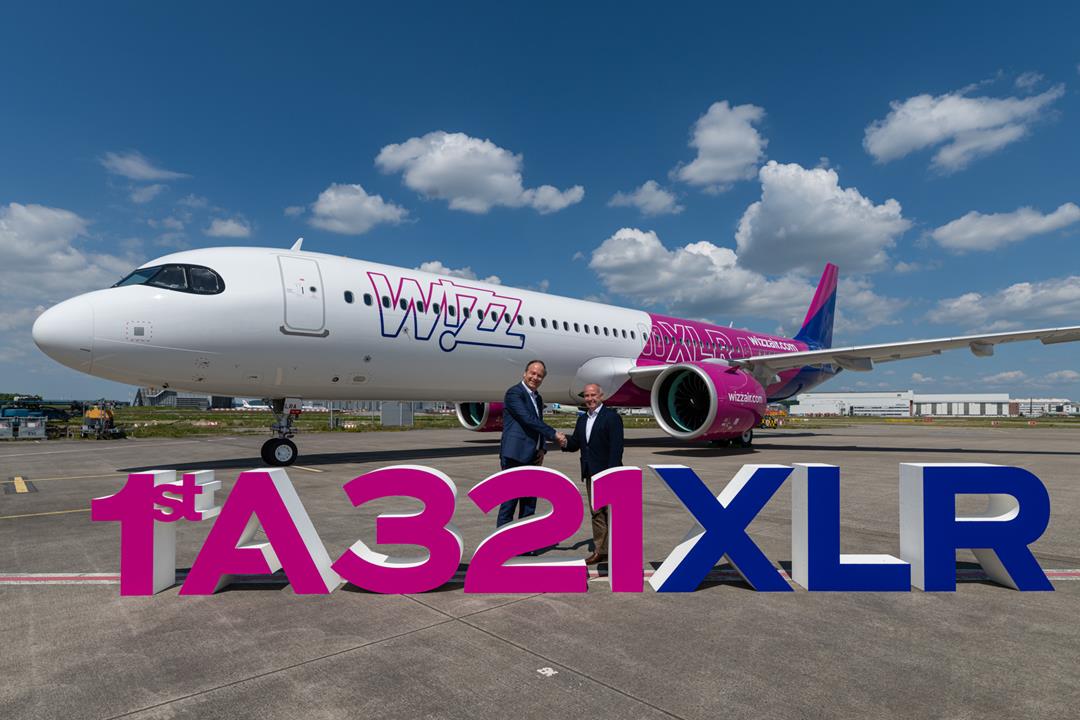
Due to its Middle Eastern market exit and internal restructuring, Wizz Air is unlikely to utilise all 47 of its ordered A321XLR long-range aircraft. Instead, only about a dozen are expected to be put into service, primarily from UK hubs to destinations like Saudi Arabia.
Váradi remains convinced that the airline will emerge stronger from the current crisis. The aim is a more efficient Wizz focused on core markets, once again capable of delivering sustainable growth for both investors and passengers.
Read more Wizz Air-related news on Daily News Hungary.
Read also:
To read or share this article in Hungarian, click here: Helló Magyar


