Subscribe to our social channels to get the latest news about Hungary!


Hungary’s rich culinary traditions offer visitors from all over the world countless unforgettable experiences. Classics such as goulash, Hortobágyi meat crêpes or lángos usually leave tourists with fond memories of local flavours.
Yet there are certain dishes that, while familiar and even beloved by Hungarians, often shock or repel foreigners. Three of them are particularly divisive, as reported by 168.hu.
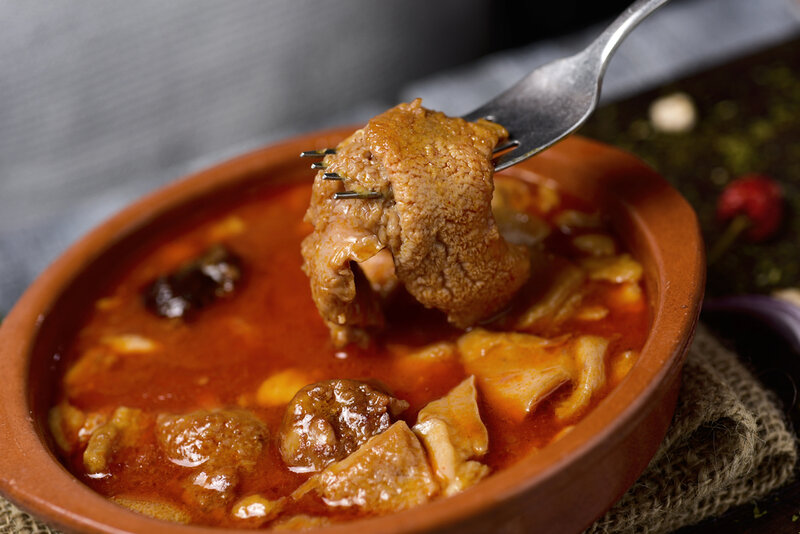
Tripe stew is perhaps one of Hungary’s most controversial dishes, even though the highest ranked restaurants serve them too. Made from the stomach lining of cattle, the tripe is thoroughly cleaned and pre-cooked to remove its strong odour, then sliced into strips and cooked on a paprika and onion base, just like any traditional stew. After long, slow cooking it turns soft and flavourful, served with dumplings or fresh bread. For Hungarians it recalls the rustic roots of peasant cooking – but for many tourists, the mere thought of the ingredient is enough to put them off.
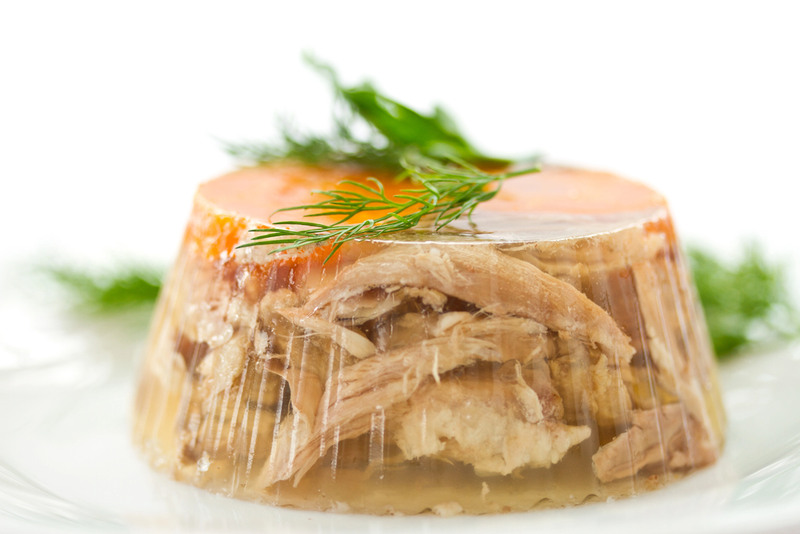
A classic winter dish, aspic, or meat jelly (known locally as kocsonya) is widely known in most European countries, but often bewilders visitors at first sight. Pork or beef, trotters, skin, ears and bones are slowly simmered for hours with vegetables, garlic, salt and pepper. As the broth cools, collagen released from the bones turns it into a wobbly jelly, complete with clearly recognisable chunks of meat. While Hungarians consider it a seasonal delicacy, foreigners usually recoil from the unusual texture and appearance of this cold, trembling dish.
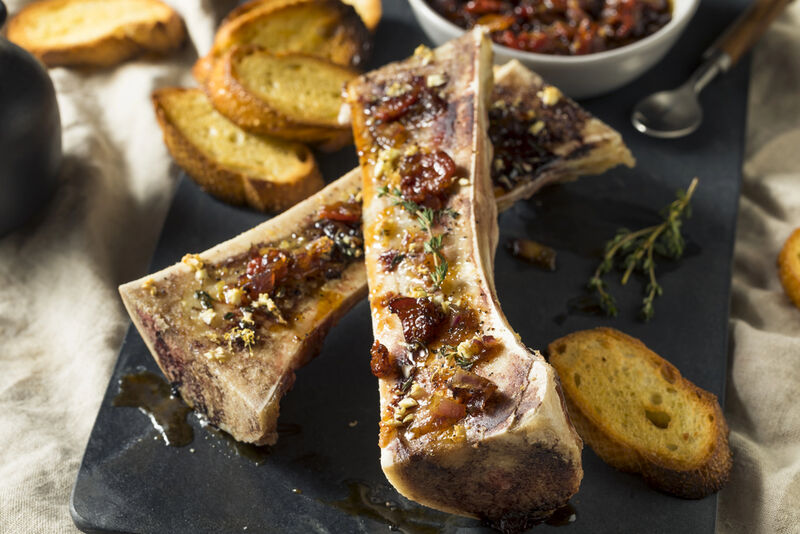
Another surprising speciality is bone marrow on toast. Long beef or pork bones are roasted until the marrow inside becomes soft and spreadable. It is then scooped out, spread over toast, seasoned with salt, pepper and fresh parsley. In Hungary it is seen as a true delicacy, yet many foreigners hesitate at the idea of eating marrow straight from the bone in such an unfiltered form.
For Hungarians, these dishes are reminders of tradition and history. For many visitors, however, they can be daunting, even off-putting. The contrast highlights just how deeply food preferences are shaped by culture: what one nation regards as a hearty treat, another may find shocking.
Read more gastronomy-related stories on Daily News Hungary!
Read also:


