Subscribe to our social channels to get the latest news about Hungary!


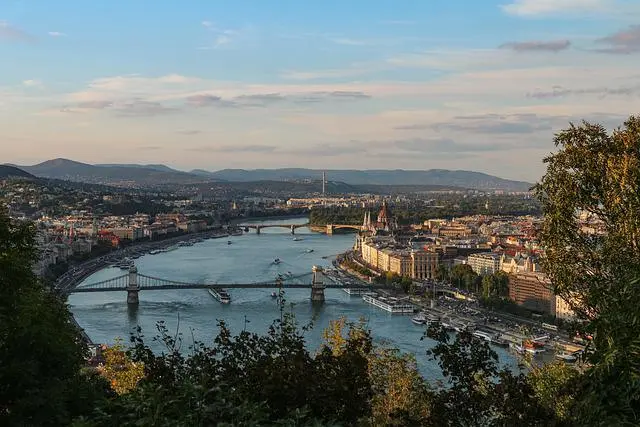
Budapest and its famous sights have been the subject of millions of photos, Facebook posts and blog entries, and deservedly so. One would think we know everything owing to our class trip in elementary school and we only show off the city’s great classics to our foreign friends. However, the tourist magnets still have some surprises.
A few hundred metres from Margaret Island, in the heart of a densely populated district, there is an underwater cave. It can only be accessed by divers with special permit. It has not been fully explored by today, although János Molnár, the apothecary after whom the cave is named, already assumed in the 1860 after analysing the water of the Buda springs, that the caverns in the side of the mountain concealed a sizeable underwater cave system.
The already explored stretch of the cave is 5.5 km long and has a depth of 80 metres below the water level. Its water is fed by both thermal water from the deep and cold karst water from Buda. The processes that form the thermal cavescan still be studied today. The cave contains the world’s largest thermal water chamber with a height (or depth?) of 20-25 metres.
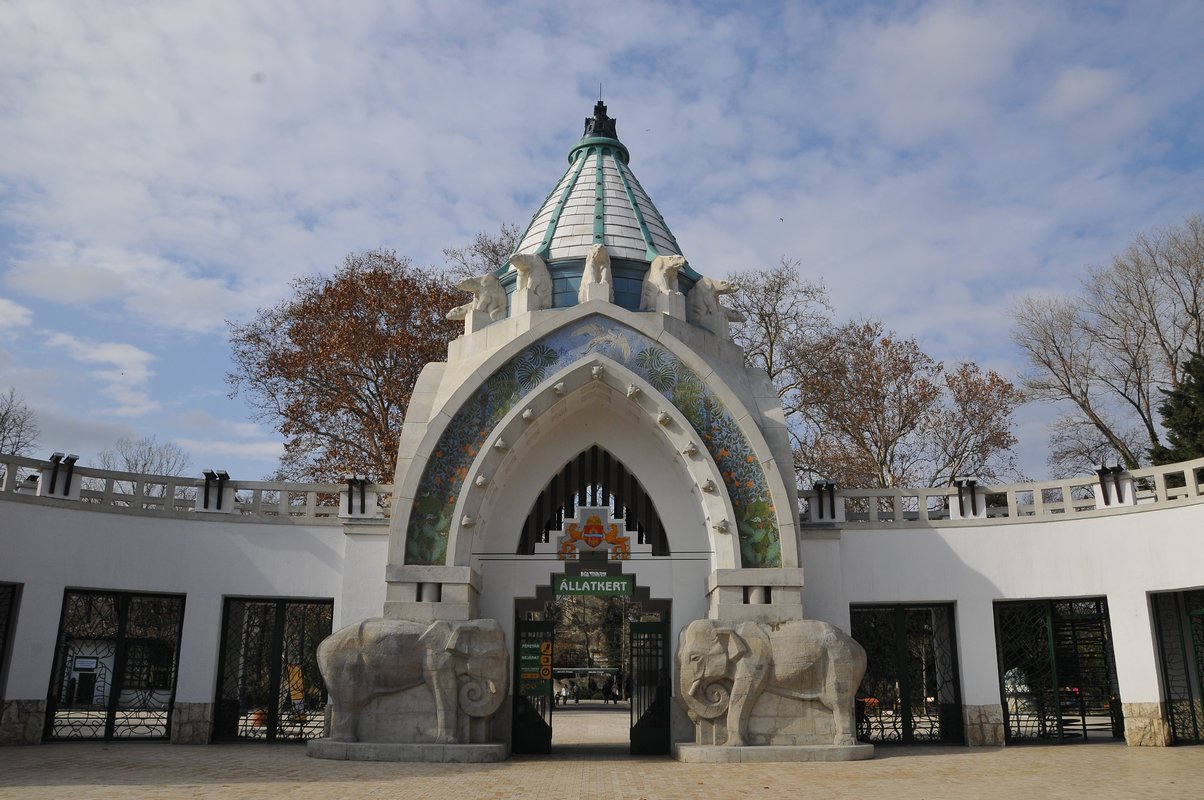
One of the main tourist attractions, the Zoo is not only one of Europe’s oldest zoos, dating back to 1866, but also a nature conservation area. The first recorded plant is a Canadian poplar from 1910 (next to the South America Run), but in total there are 60 protected plant species alongside the animals. The National Bonsai Collection is also located here. The total notional value of the zoo’s protected plant collection exceeds half a billion forints.
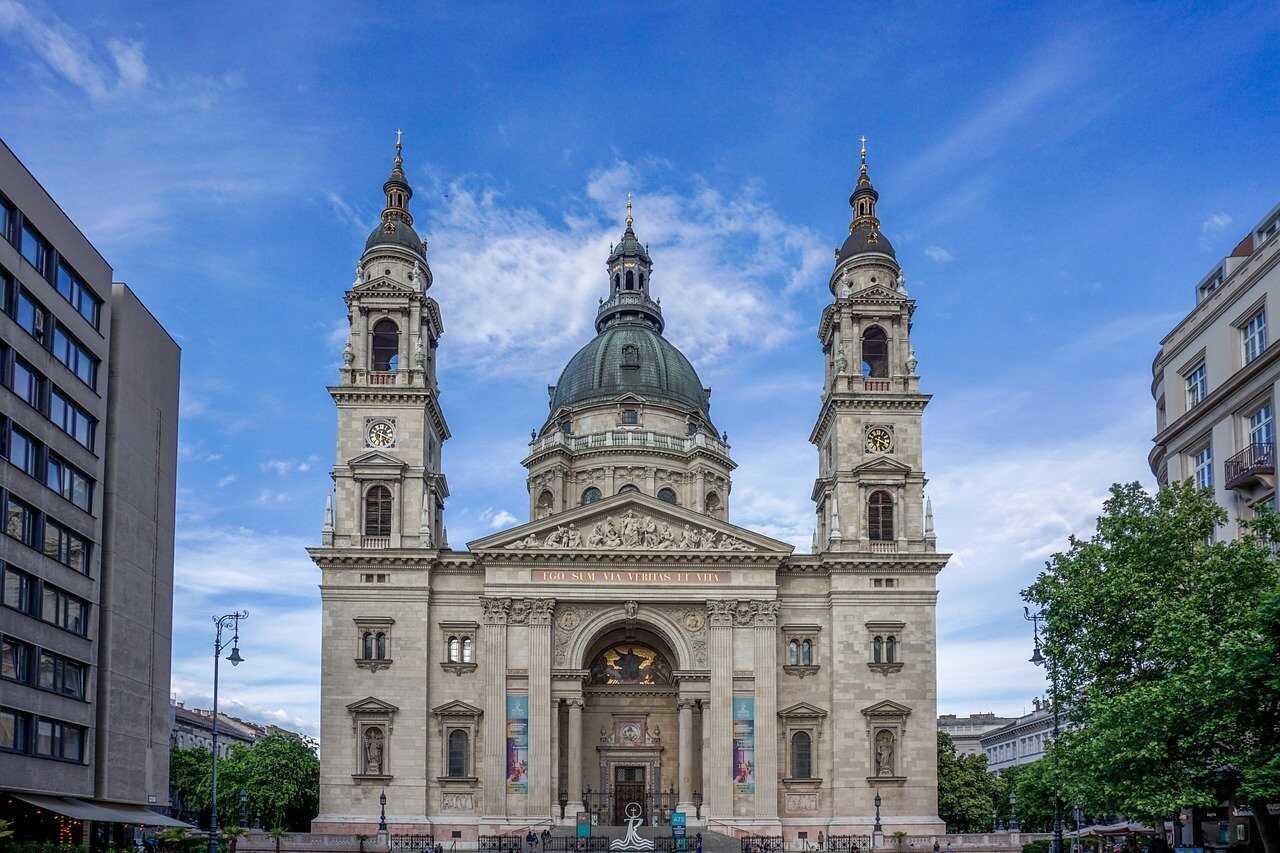
If you walk towards the Basilica from the direction of the Opera House, you may notice thatthe church has its back to Bajcsy-Zsilinszky Street. The main entrance opens onto a much less busy square, not to mention the surrounding streets where there is not enough room for tourists during the peak season. Why?
Starting from the foundation stone in 1851 to its consecration in 1905, the Basilica was built for over 50 years. This is the period when Pest-Buda became a metropolis. The population grew by leaps and bounds, palaces and boulevards mushroomed. The pace of this growth can be measured by the fact that by the time the church was finished, it was practically located in a different city, with new centres and emphases. Budapest was built that much faster than the Basilica.
Of course, it did not help that, due to structural and material defects, the half-finished building collapsed in 1868, andthree years were spent only to clean up the ruins. In any case, if a person borrowed money from someone else at the time and said, “I will pay you back when the Basilica is built”, the lender could not expect much good to come of it because by then it meant never. But finally, in 1905, the church was duly inaugurated and consecrated – although rumour has it that Franz Joseph was somewhat anxiously scanning the ceiling during the ceremony.
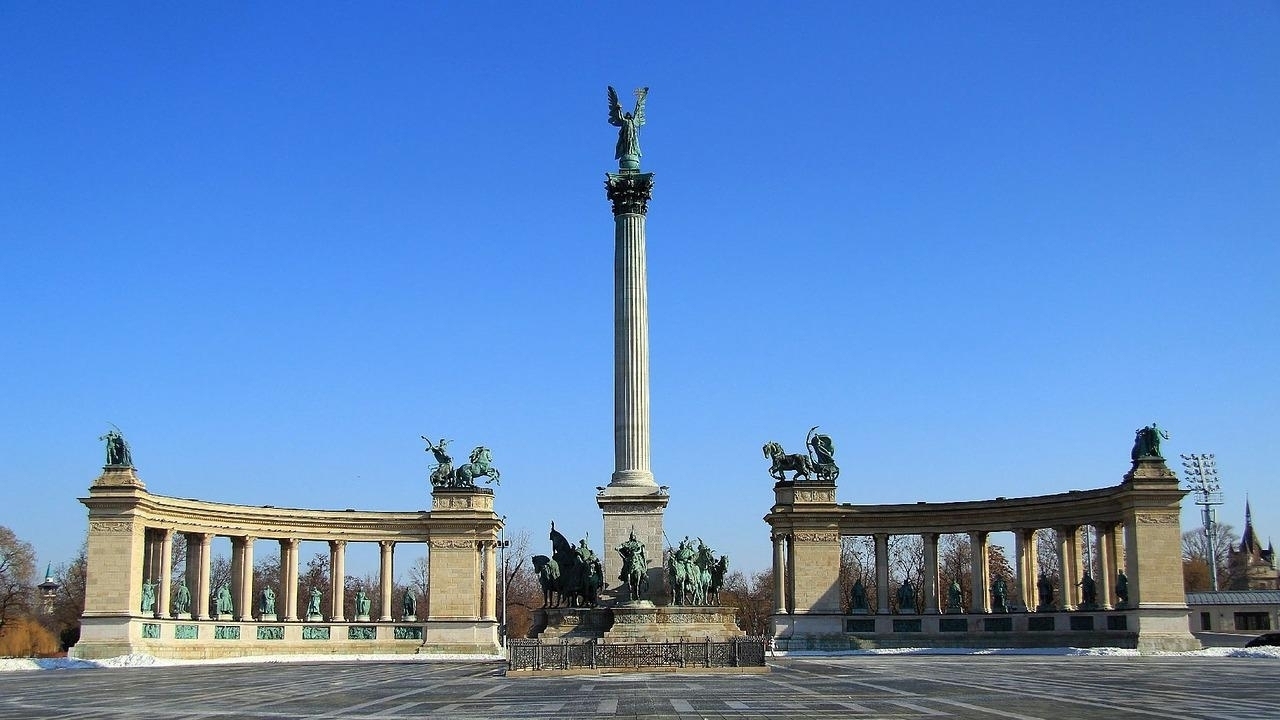
Not because they were blown up during the siege, according to the good Eastern European custom, but because in the meantime we have rewritten our history, according to the good Hungarian custom. It all started, of course, with the Millennium celebrations, when the decision was made that a national pantheon was needed to be created here. In comparison, the two colonnades with the statues of the kings were not completed until 1911, and at that time it was the statues of the Habsburg monarchs that completed the line instead of the Transylvanian princes.
However, the end of World War One and the Monarchy, coupled with the Soviet Republic in 1919, did a lot to damage the monarchs’ popularity. The Habsburgs were first taken down – the statue of Franz Joseph was smashed – and then put back after the two world wars, although the new Franz Joseph statue was not replaced until 1926.
During the siege, it was this section that was hit by bombs. Rákosi’s regime wanted to demolish the whole thing, but in the end they replaced the Habsburgs with the Transylvanian princes fighting against the Habsburgs as well as Lajos Kossuth. That is why today, instead of Maria Theresa of religious and educational reform, the great of the nation is Imre Thököly, who fought as an ally of the Turks against the European armies that later liberated Buda…
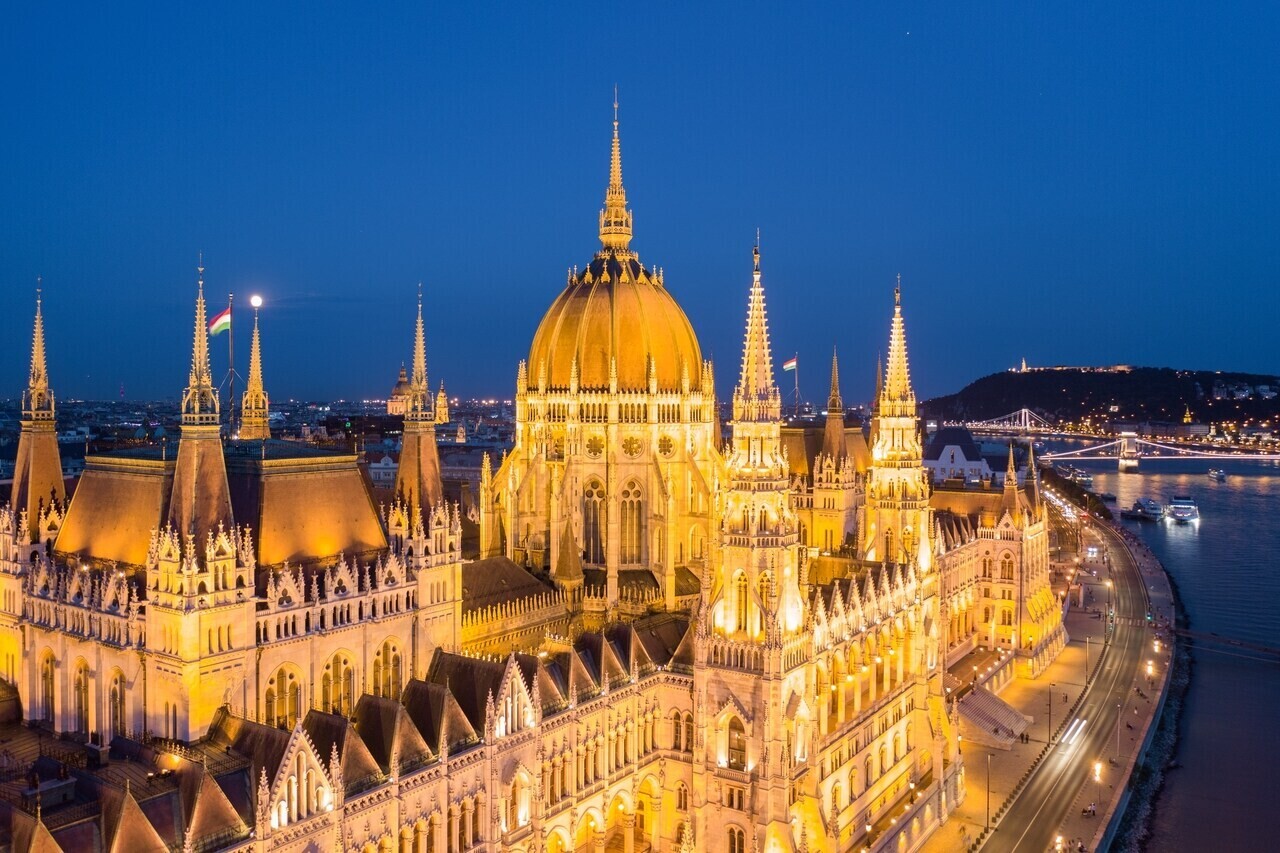
With its impressive dimensions and radiance – and of course the crown – the Dome Hall of the Parliament is not the place where you would ever start looking for funny details. But they are there, just very hidden. It was not until the ribbed vault was re-gilded in the 1980s that it was noticed that the royal coats of arms at the base of the points of the stars were topped with names, such as those of the painter Manó Wilhelm from 1895 or the carpenter István Varga from 1949.
And some of the workers of the late party-state era painted their own portraits on the vaulted ceiling of the circular corridor around the Dome Hall, using a photo of the BKV public transport pass from the time. The frames of the SZTK (public health care) glasses of the time look quite funny among the fairy-tale creatures and garlands – a pity that a mere mortal can never enter with their binoculars there…
Nor can the world’s tallest toilets be accessed, which also open from this corridor, with their more than 8-metre-high ceilings. They were needed because only the central part was ready for the millennium celebrations, the side wings with their standard, boring toilets were not.
Source: budapestinfo.hu


