


10 interesting moments in the history of the Chain Bridge – PHOTOS

Change language:
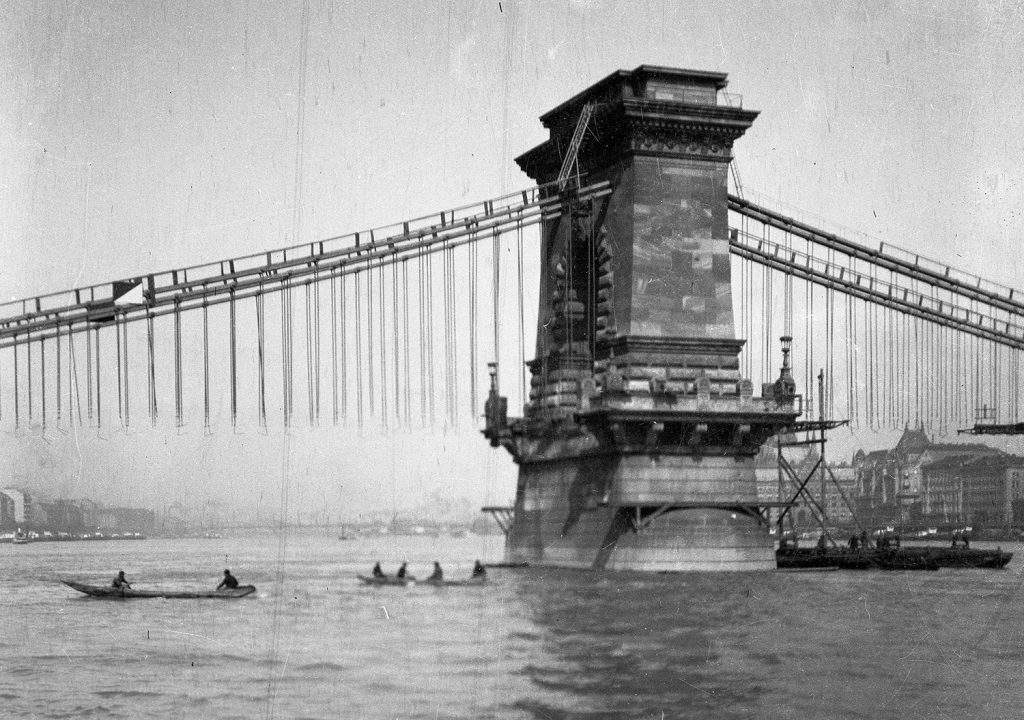
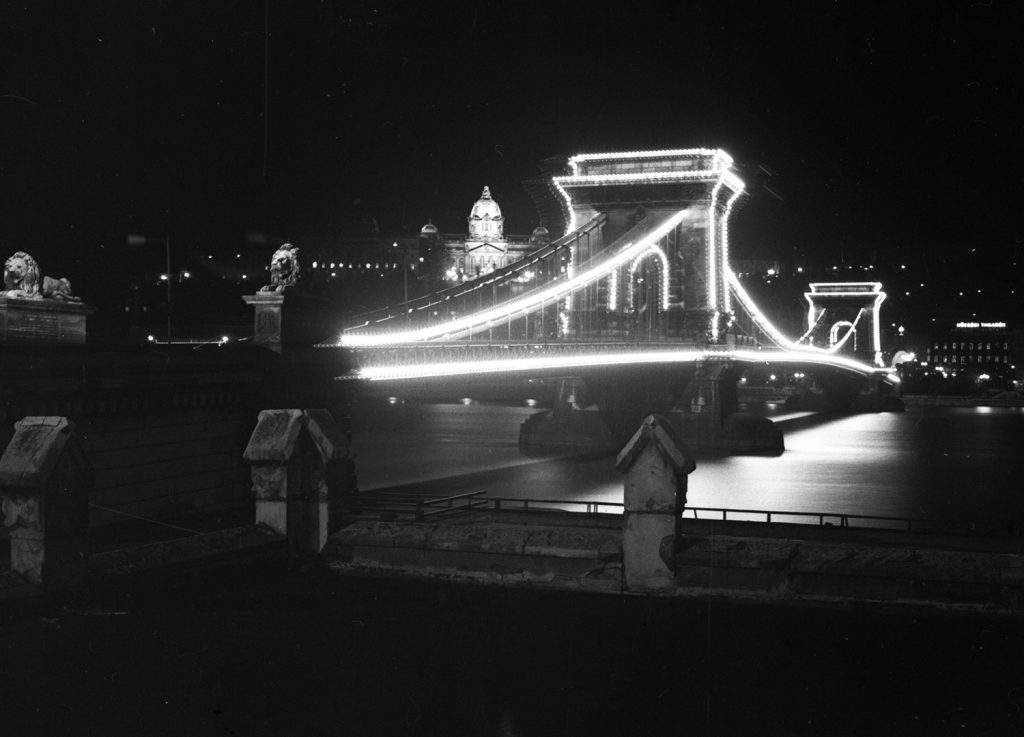
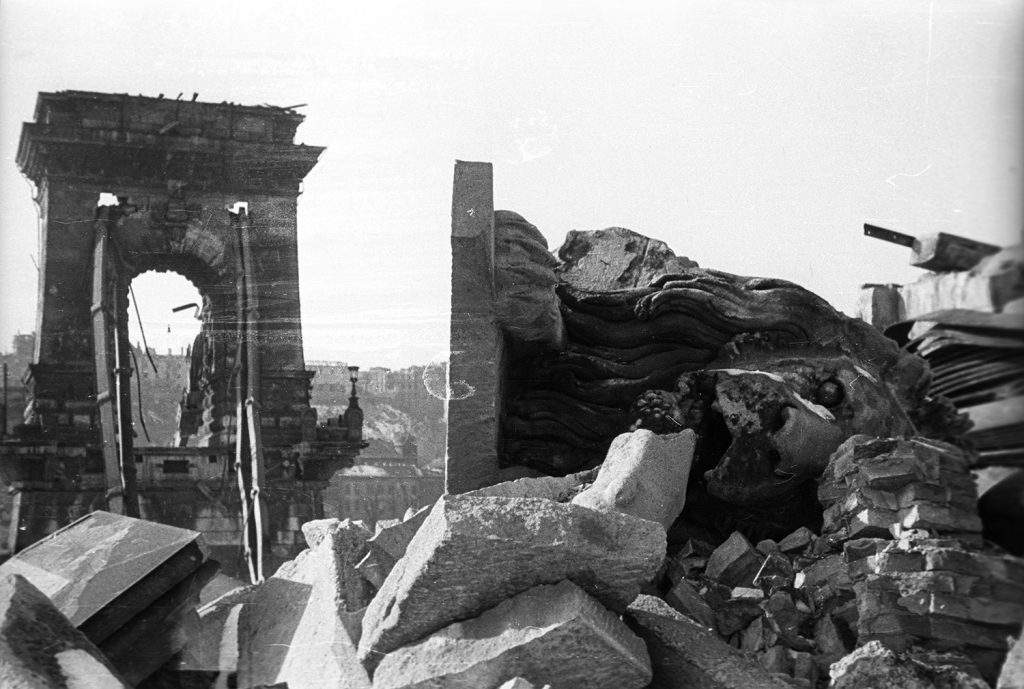
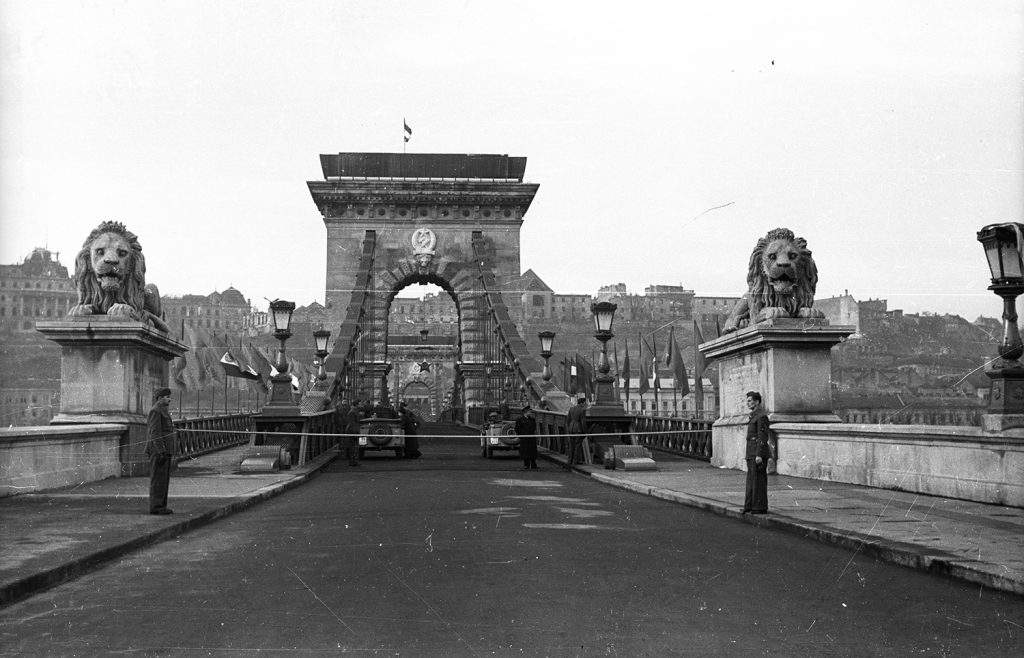
As the foundation stone of the first bridge reaching over the Danube in the Hungarian capital was laid down 175 years ago, on August 24, 1842, PestBuda has collected ten of the most interesting moments in the history in connection with the Chain Bridge. The descriptions are accompanied by photos from the actual events, provided by Fortepan.
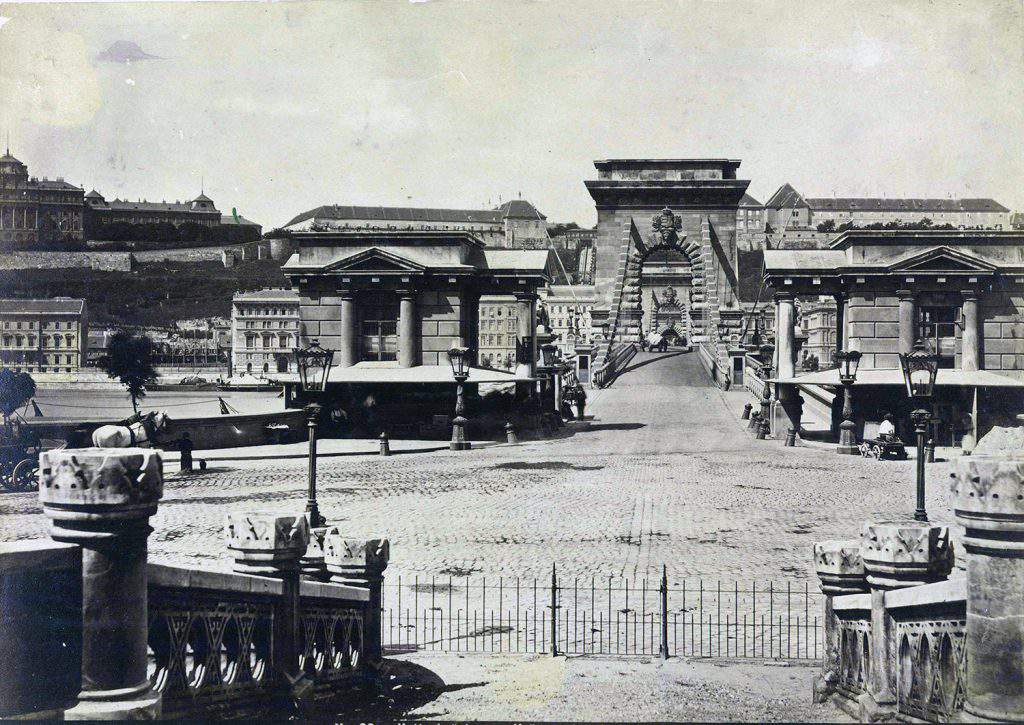
1) This photograph from 1873 (this is when Buda and Pest were united), was taken from the coronation hill, which used to be at Széchenyi square. This hill was brought into being when Franz Joseph was crowned King of Hungary, in 1867. You can spot the bridge’s original toll booths on the two sides of the road, and the Royal Palace in the background, awaiting reconstruction and expansion. The construction of Várkert Bazaar began on that empty lot in 1875.
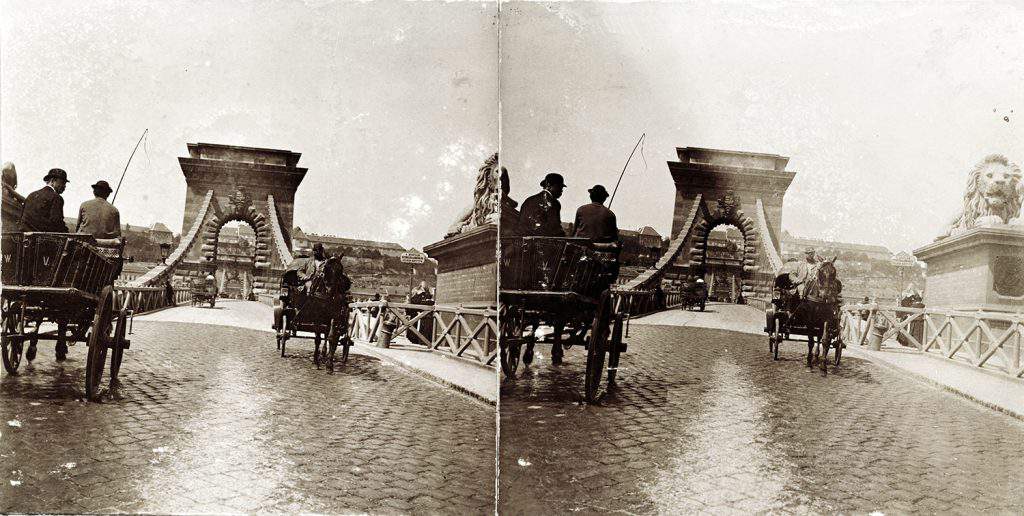
2) There are a lot of interesting things crammed into this 1894 stereogram. The first you might notice is that the horse carriages are using the left side of the bridge to cross it. The right-side custom was introduced in Budapest only in the 1940’s. The other one you should be looking for is at the bottom of the photo: the cobbled street shifts into wood paneling, as it was wood that covered the Chain Bridge, until 1919.
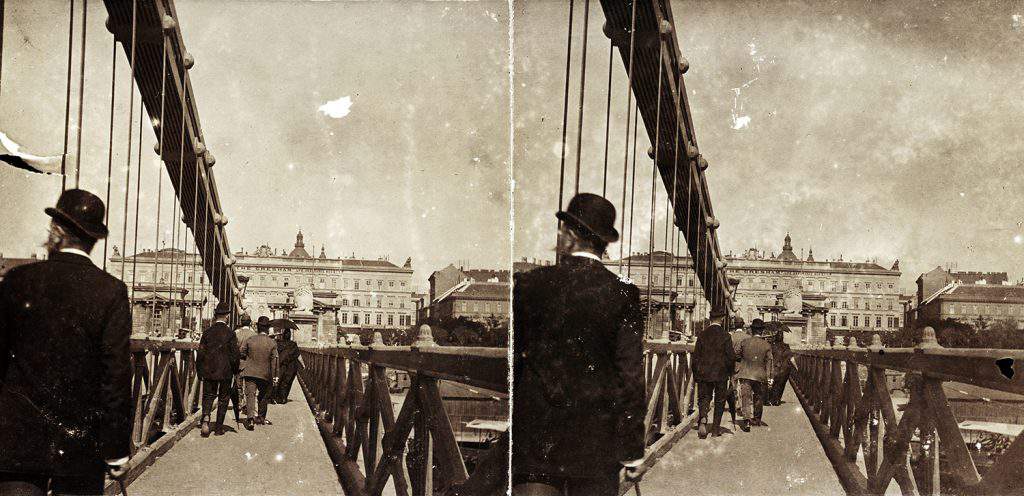
3) We’re still in 1894 when hats were men’s indispensable accessories, and walking canes were still fashionable. There is something odd about this picture, but it is not the men heading towards the used-to-be Franz Joseph, then-became Roosevelt, and today-is Széchenyi István Square. No, it is the original handrail, which was much lighter than the version we are used to. So were the chains and the frame. A grid similar to what we know today was incorporated only during the 1913-1915 reconstruction, as the original bridge would not have withstood the accelerated load.
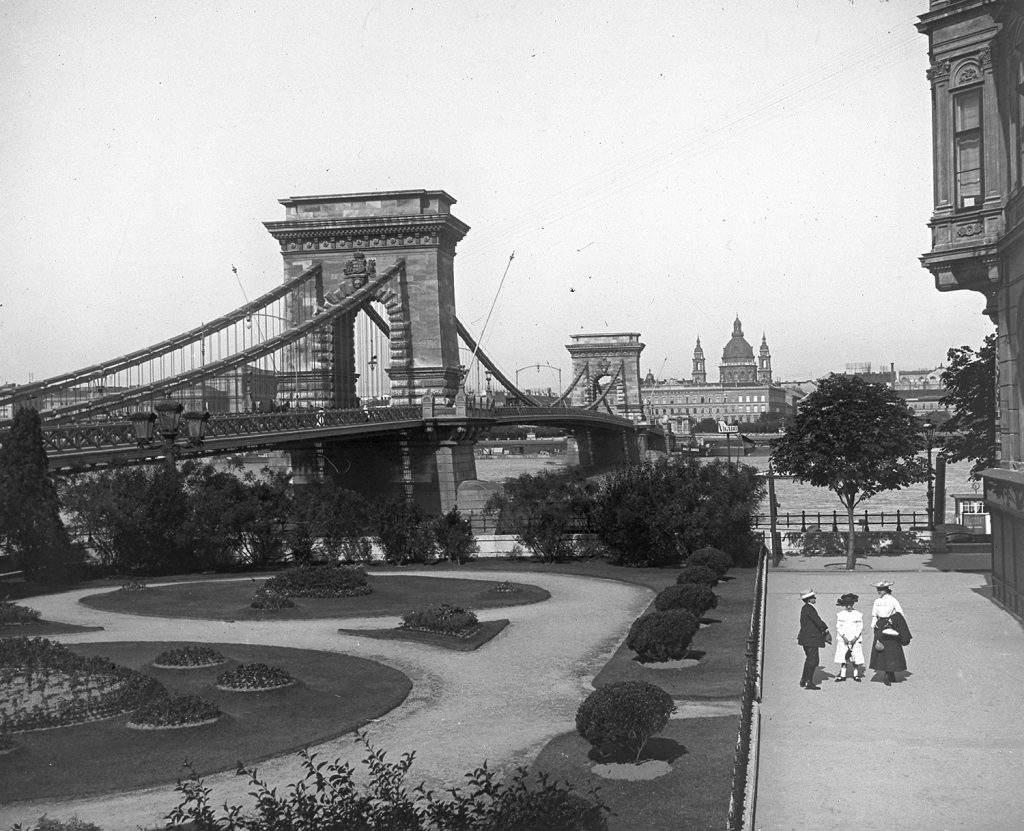
4) It is obvious from this photo from the 1890’s that the Danube bank used to be much more beautiful. These houses used to stand where the hotels are today. On the left, you’ll find the pillar- and spandrel decorated Lloyd Palace, designed by József Hild. This prime example of the Classicist architecture was destroyed for no reason in 1948. You can see the Stein Palace with its towers and mansard roof, which became later the Ritz Hotel. Today, you will find the Intercontinental hotel in its place.

A very interesting short history. Thank you.
I agree with Simon. Fascinating to read. Thank you.