Travel back in time with Budapest’s classic coffee houses − PHOTOS
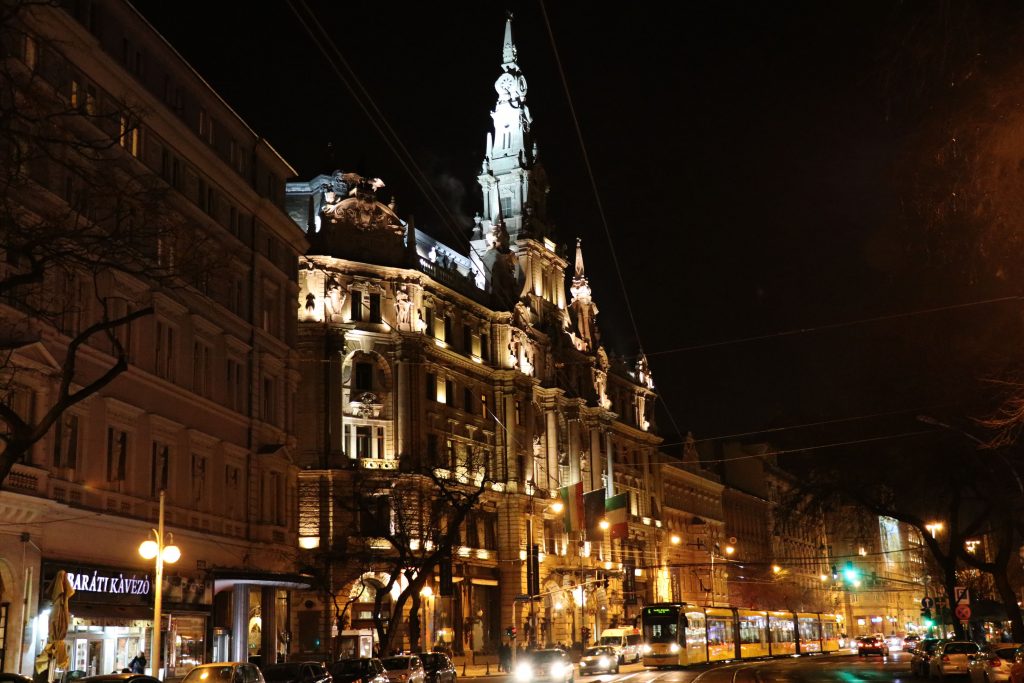
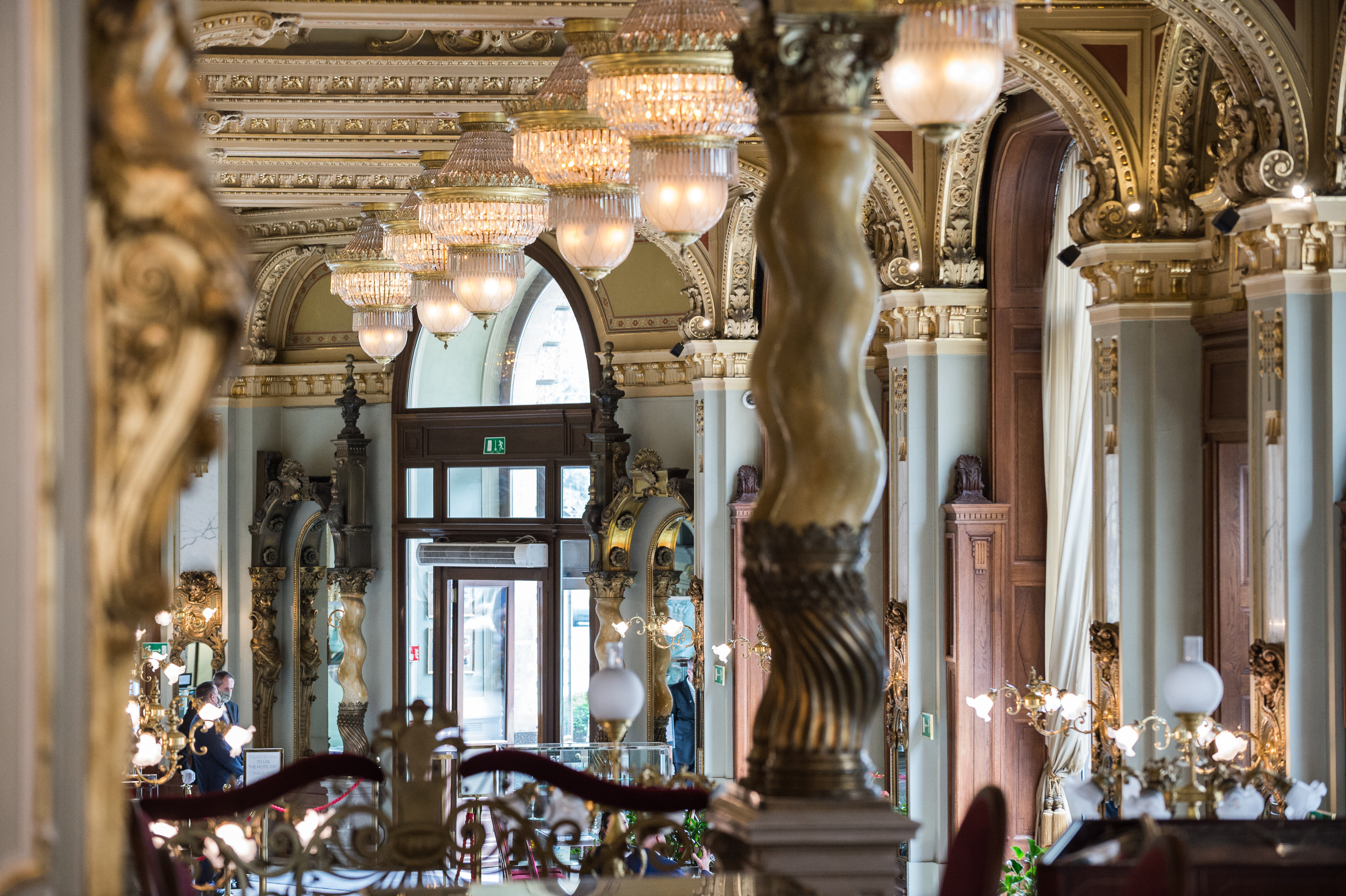
New York Café on Nagykörút Photo: MTI/Cseke Csilla
Change language:
Coffee was first introduced to Hungary by the Turks in the 16th century, but coffee culture only started to develop in Budapest after the establishment of the Austro−Hungarian Monarchy in 1867. Between the 1910s and 1930s, approximately 500 coffee houses opened in the city, and they were favourable meeting places for writers and artists.
We have gathered six traditional cafés where history and art meet modernity.
Central Café and Restaurant
https://www.instagram.com/p/B-PT9wyBs_U/
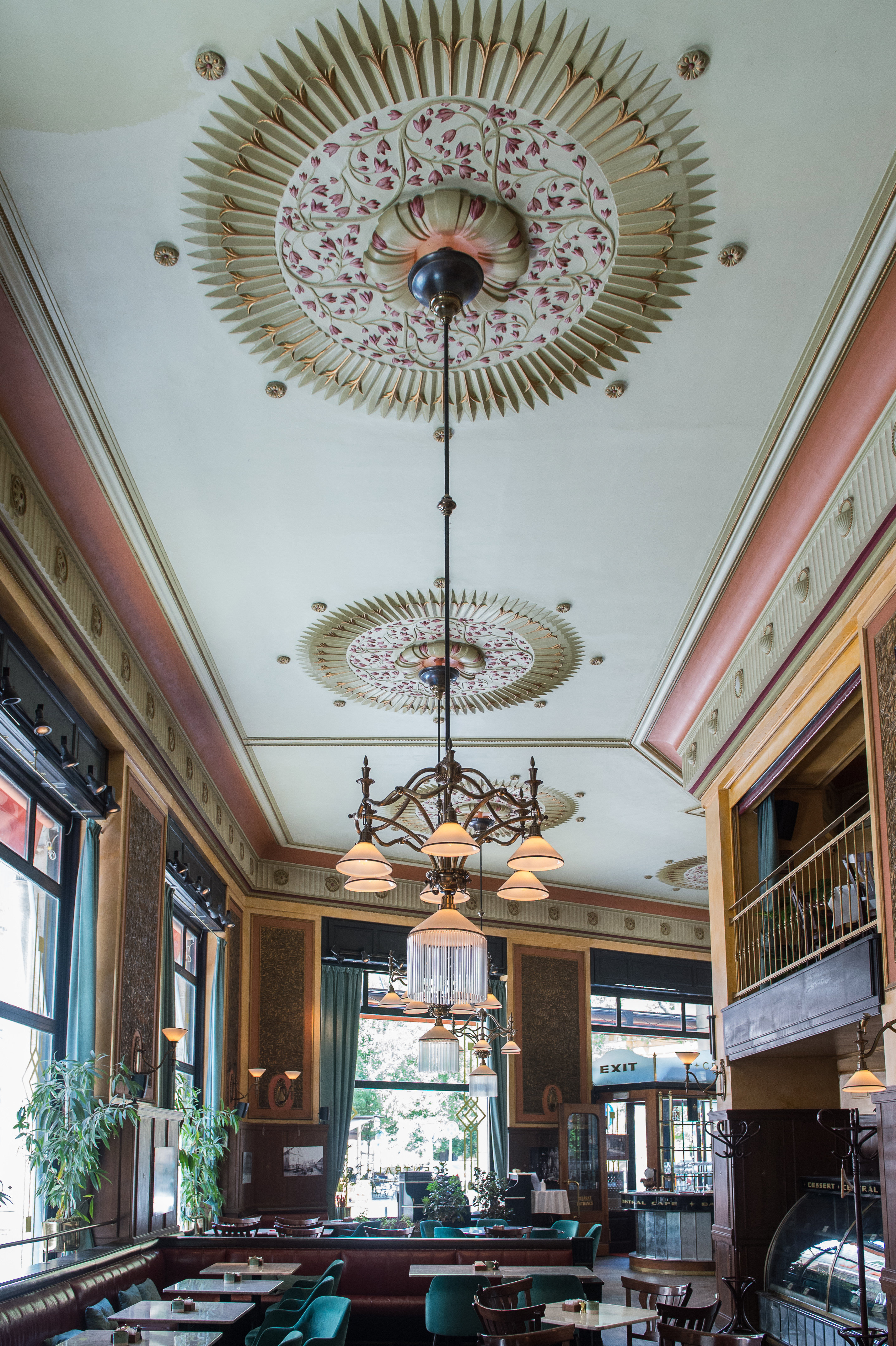
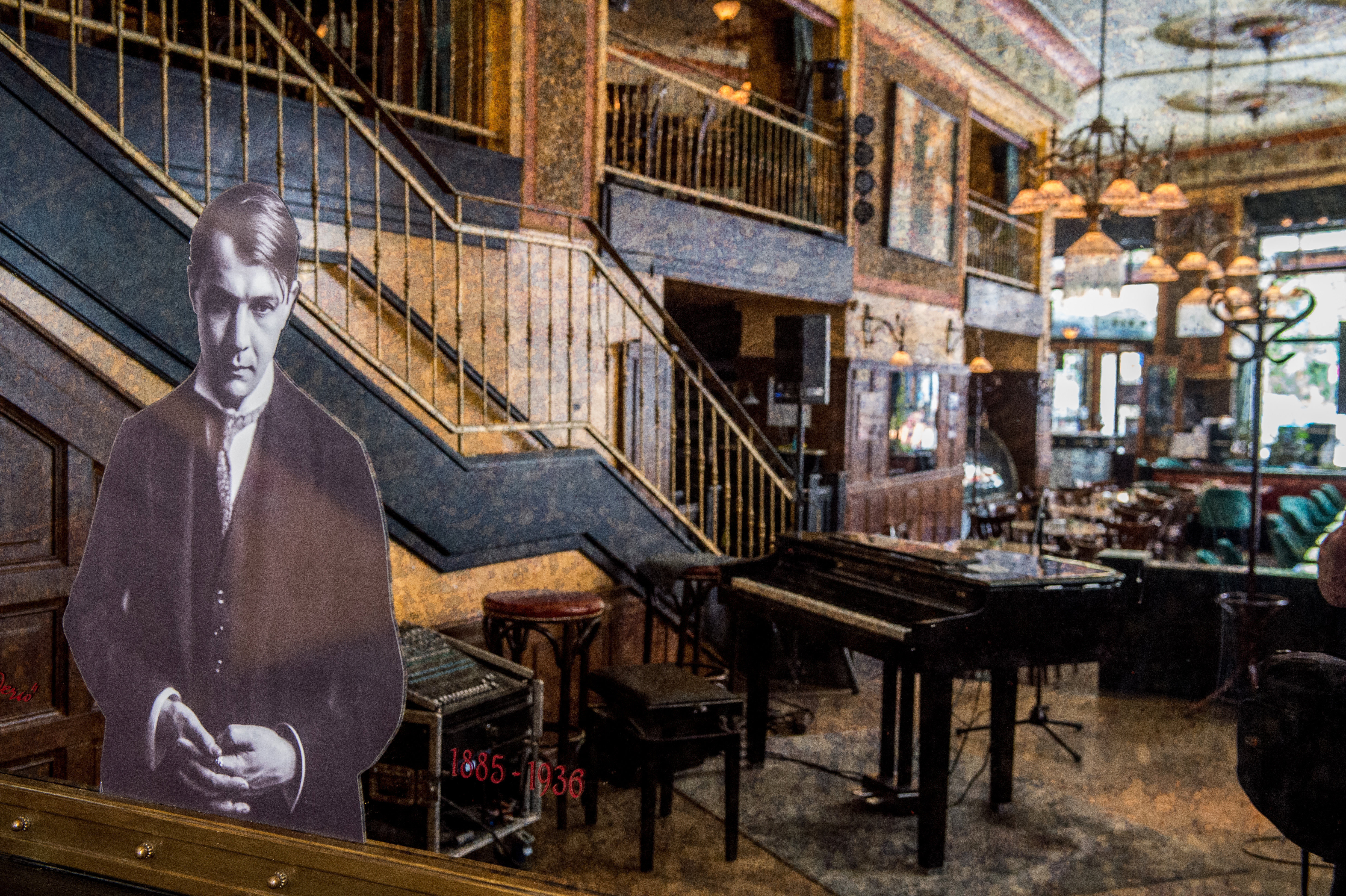
Centrál Café and Restaurant is one of the oldest coffee houses in Budapest. It was designed by Zsigmond Quittner, and it was opened in 1887 in the house of Lajos Erényi Ullmann. The café served as a centre for intellectual life in Pest between 1890 and 1945. Numerous outstanding writers and poets, such as Endre Ady, Árpád Tóth, Mihály Babits, Dezső Kosztolányi, Gyula Juhász, Gyula Krúdy, and Zsigmond Móricz, gathered here to edit literary journals, and it was an important meeting point for scientists, composers, and artists.
The writers and editors of the first Hungarian liberal and urban literary journal, A Hét (The Week), often gathered in Centrál Café. In 1908, Nyugat (West), the most significant Hungarian literary journal, was founded here. A few years after World War II, the coffee house was closed, but it was later reconstructed and became a canteen for university students.
“The 132-year-old Centrál Coffee House wishes to recreate the atmosphere of an era which everyone refers to as the golden age of Hungarian gastronomy. The traditions of these years are immortal and live on in the taste and flavour of our dishes up to this day.”
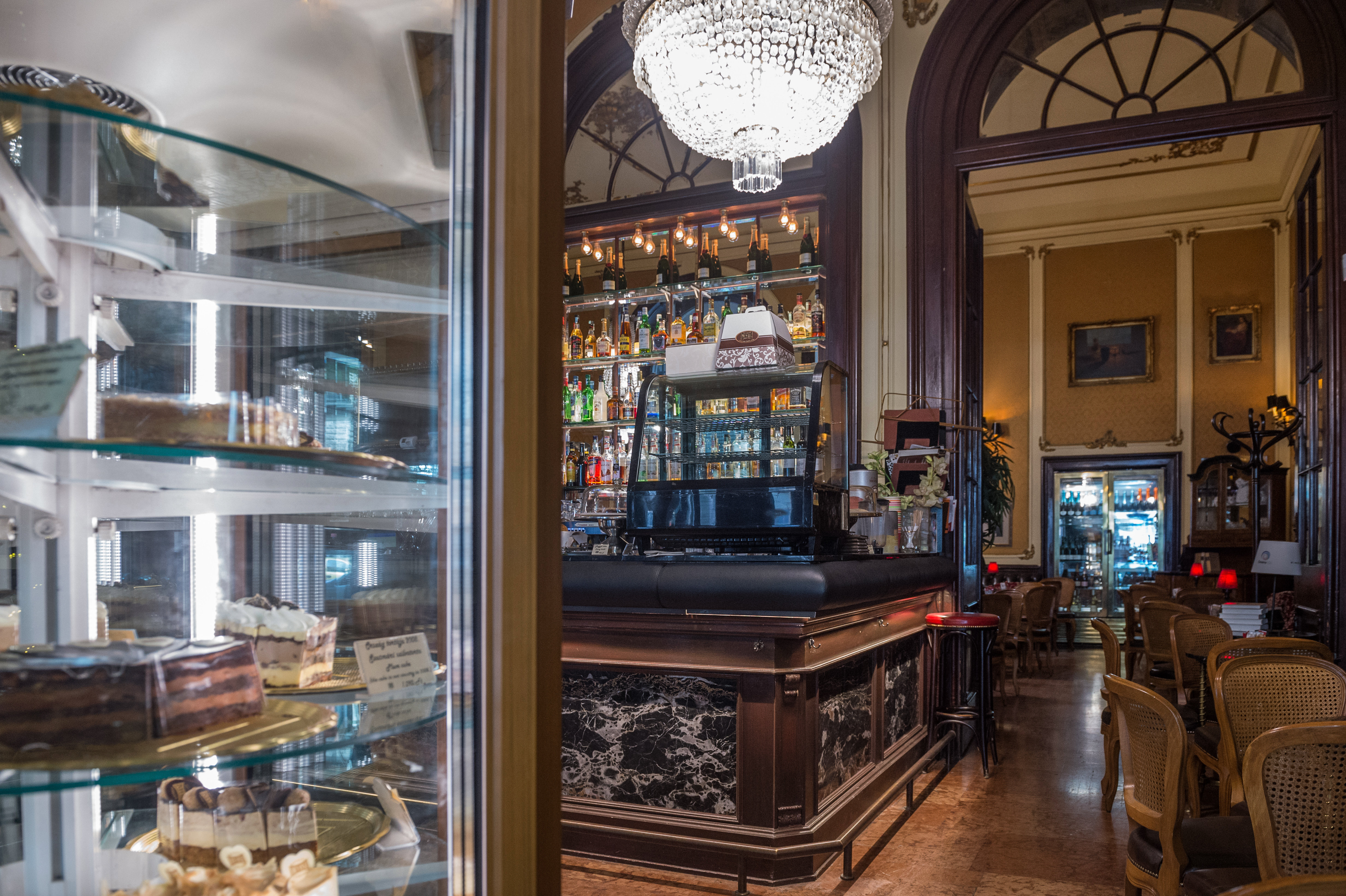
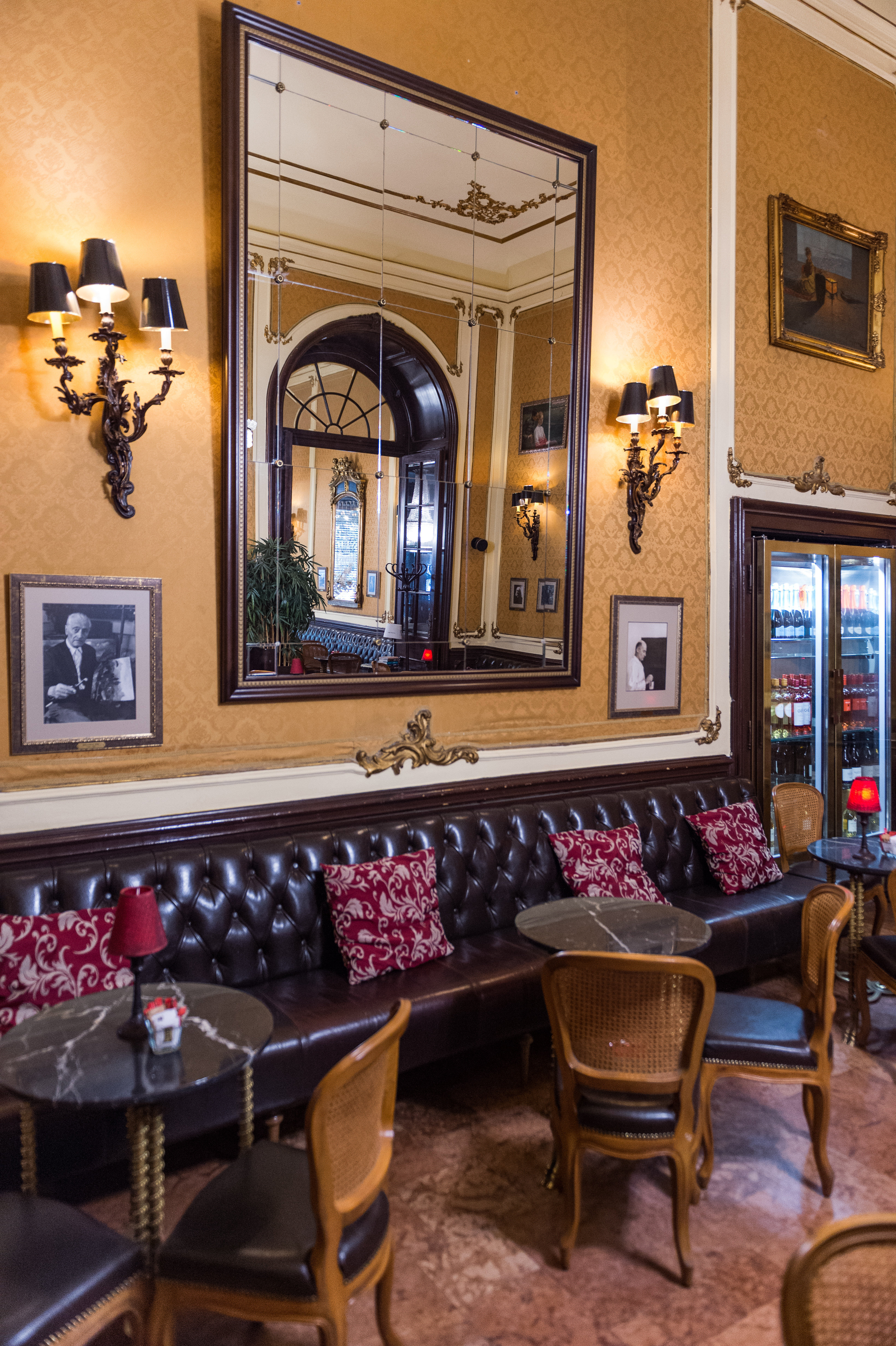
Central Café (5th district of the capital) Photo: MTI/Cseke Csilla
Portrait of Dezső Kosztolányi, writer and poet, in Central Café (5th district of the capital) Photo: MTI/Cseke Csilla
Gerbeaud Café and Confectionery
https://www.instagram.com/p/B91a8L2B582/
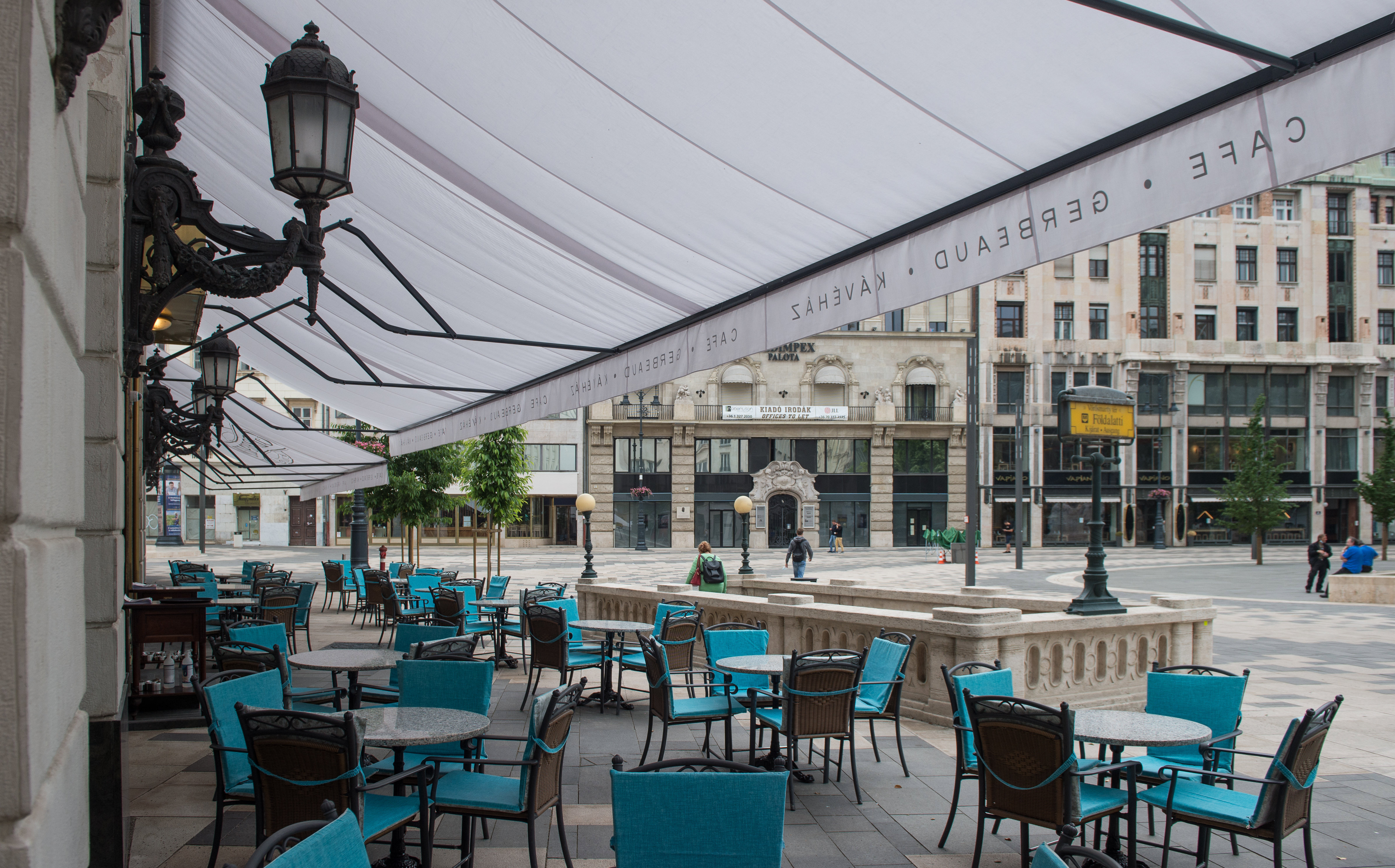
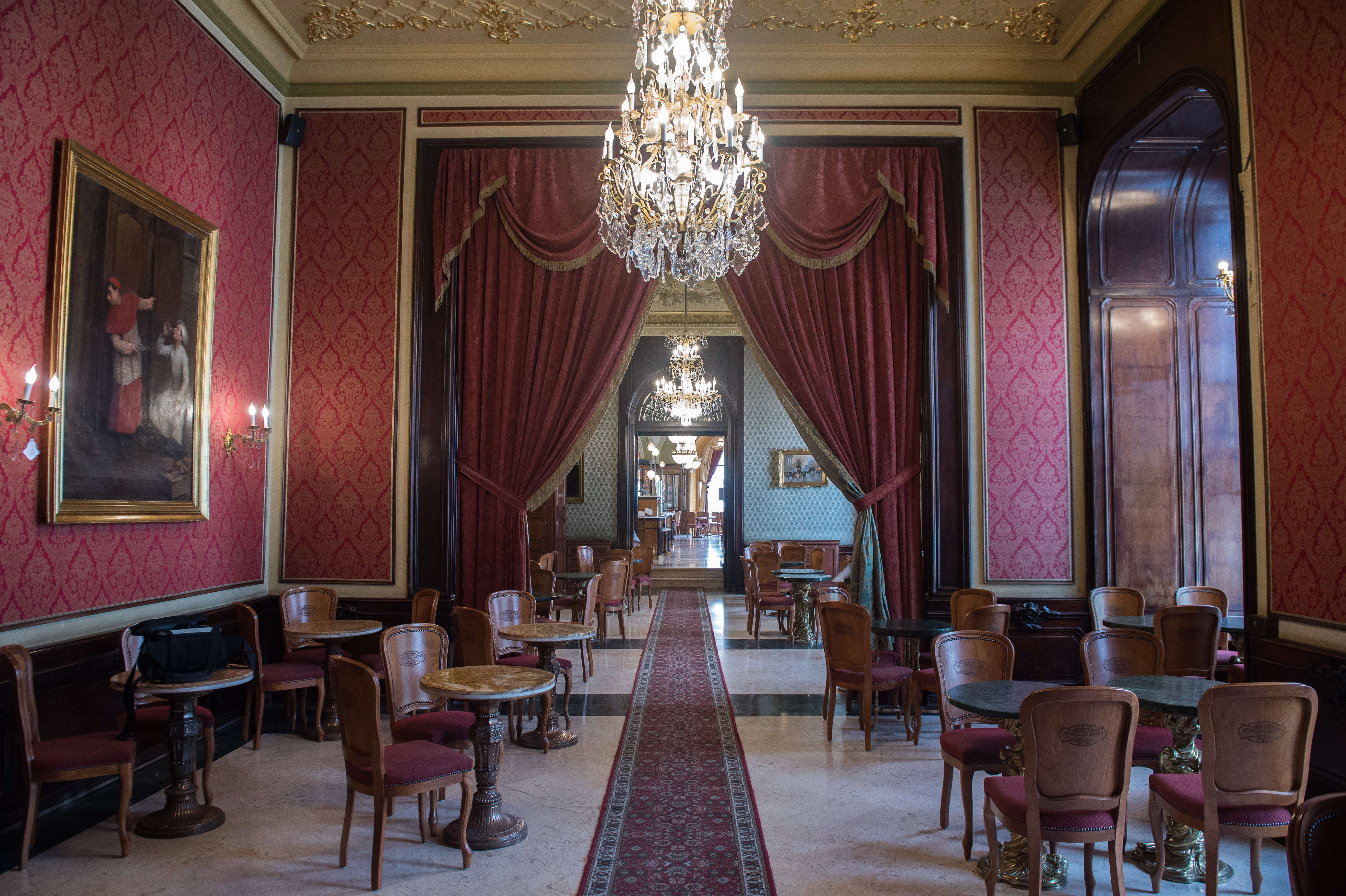
Gerbeaud Café can be considered one of the most prominent confectioneries and cafés in Europe. It was opened in 1858 by Henrik Kugler. Since Kugler had no successor to pass his confectionery onto, he invited the famous Swiss-born confectioner, Émile Gerbeaud, to Hungary, who inherited the restaurant. He expanded the café and developed it into one of Europe’s finest coffee houses. Besides introducing the cat’s tongue chocolate and the cognac cherry bonbon to the Hungarian market, Gerbeaud also invented one of the most well-known Hungarian desserts, the ‘zserbó’ (Gerbeaud cake).
In 1995, the Gerbeaud building was bought by Erwin Müller, a German businessman, and Gerbeaud Gasztronómia Ltd took over the management of Gerbeaud House in the spirit of tradition and innovation.
The terrace of Gerbeaud Café and Confectionery at Vörösmarty Square Photo: MTI/Cseke Csilla
The Red Salon of Gerbeaud Café and Confectionery at Vörösmarty Square Photo: MTI/Cseke Csilla
Hadik Coffee House
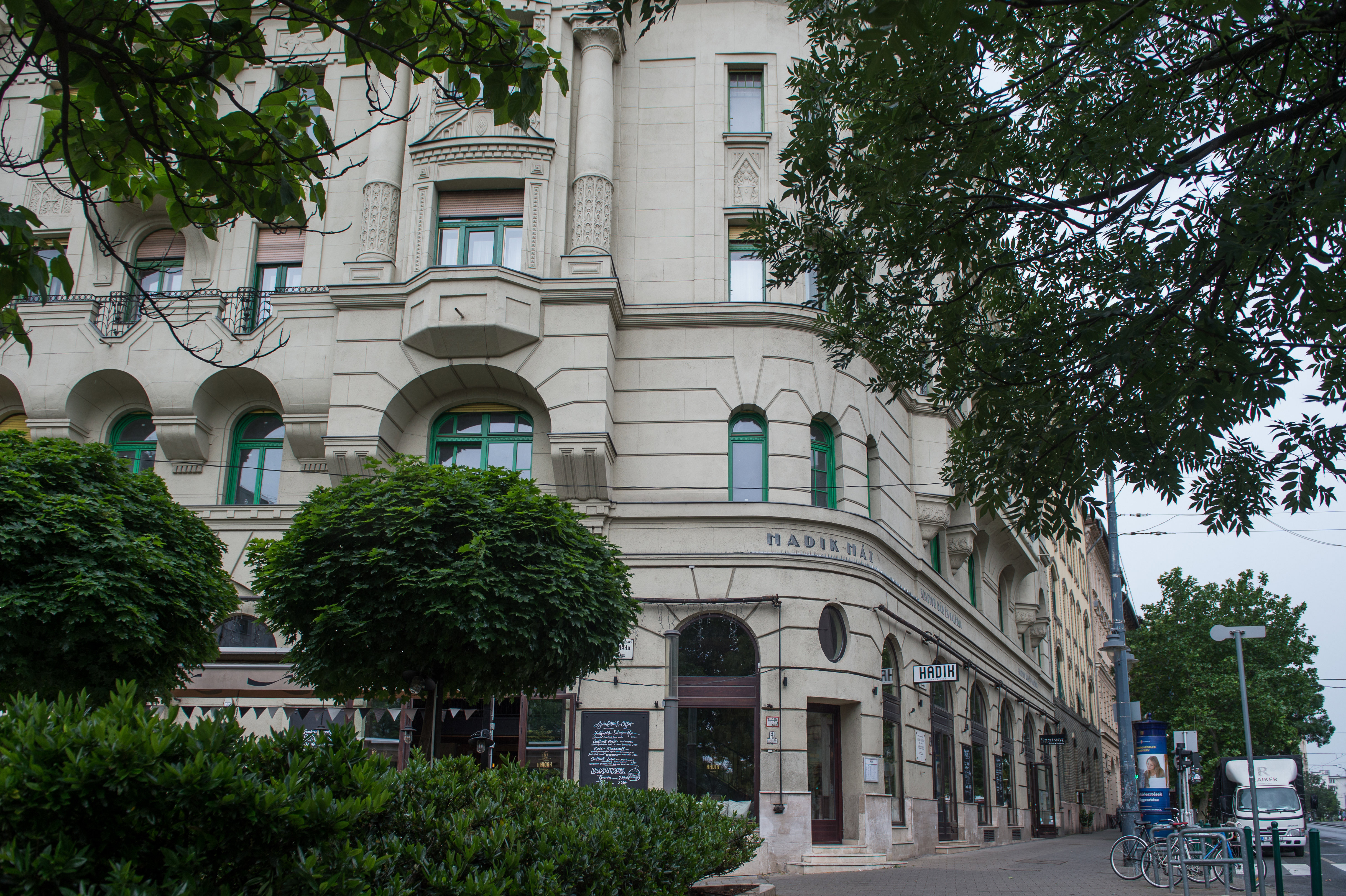
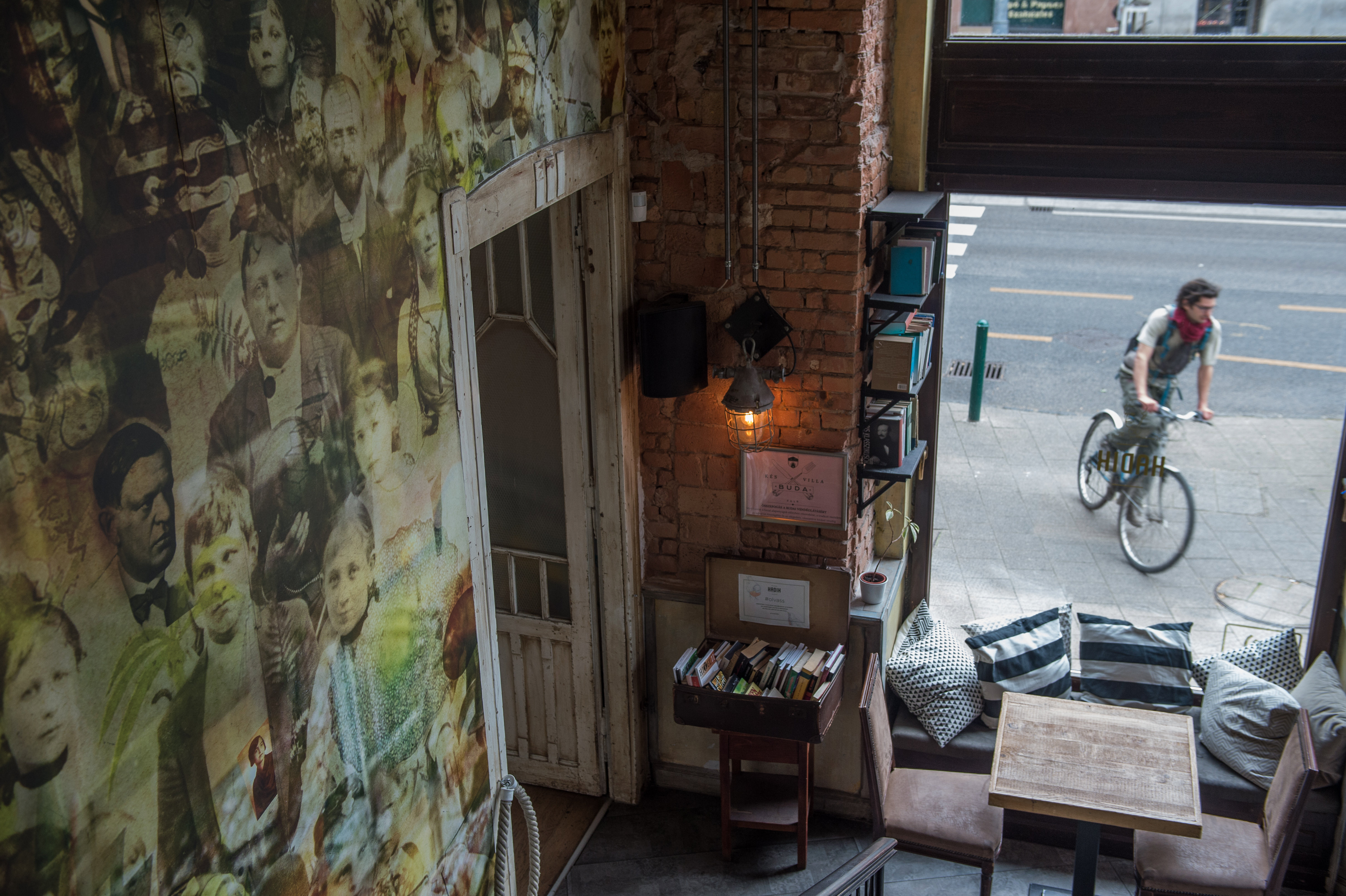
Hadik Coffee House, one of the legendary grand cafés of the Hungarian capital, was first opened in 1911, and in the early 20th century, it became a centre of literary life. It can be seen as a less ornate and grandiose version of Central or New York Café. The coffee house was named after the nearby Hadik barracks. During World War II, the café was closed and was only reopened in 2010. Guests can choose from a variety of desserts, coffees, and a small selection of appetisers, soups, entrées, and menus.
Szatyor Bar and Gallery is situated next to Hadik Coffee House. As far as its name is concerned, according to the anecdote, seeing the mat cover of the bar in the former Hadik basement, famous Hungarian writer, poet, translator, and critic Frigyes Karinthy compared the place to a bag (‘szatyor’ in Hungarian).
https://www.instagram.com/p/B7CBBrhBchV/
Hadik Coffee House on Bartók Béla Street Photo: MTI/Cseke Csilla
Hadik Coffee House on Bartók Béla Street Photo: MTI/Cseke Csilla
Múzeum Café and Restaurant
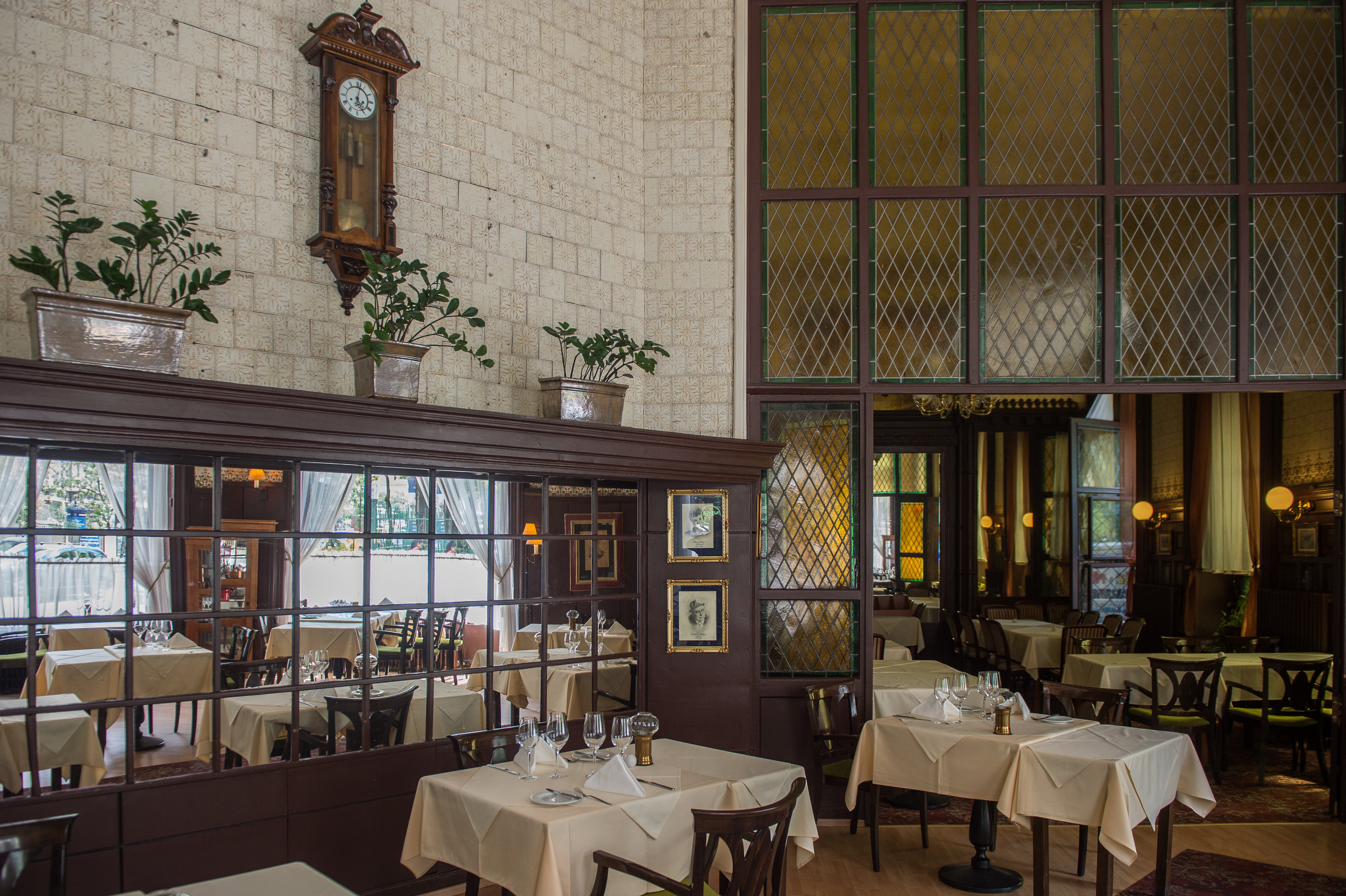
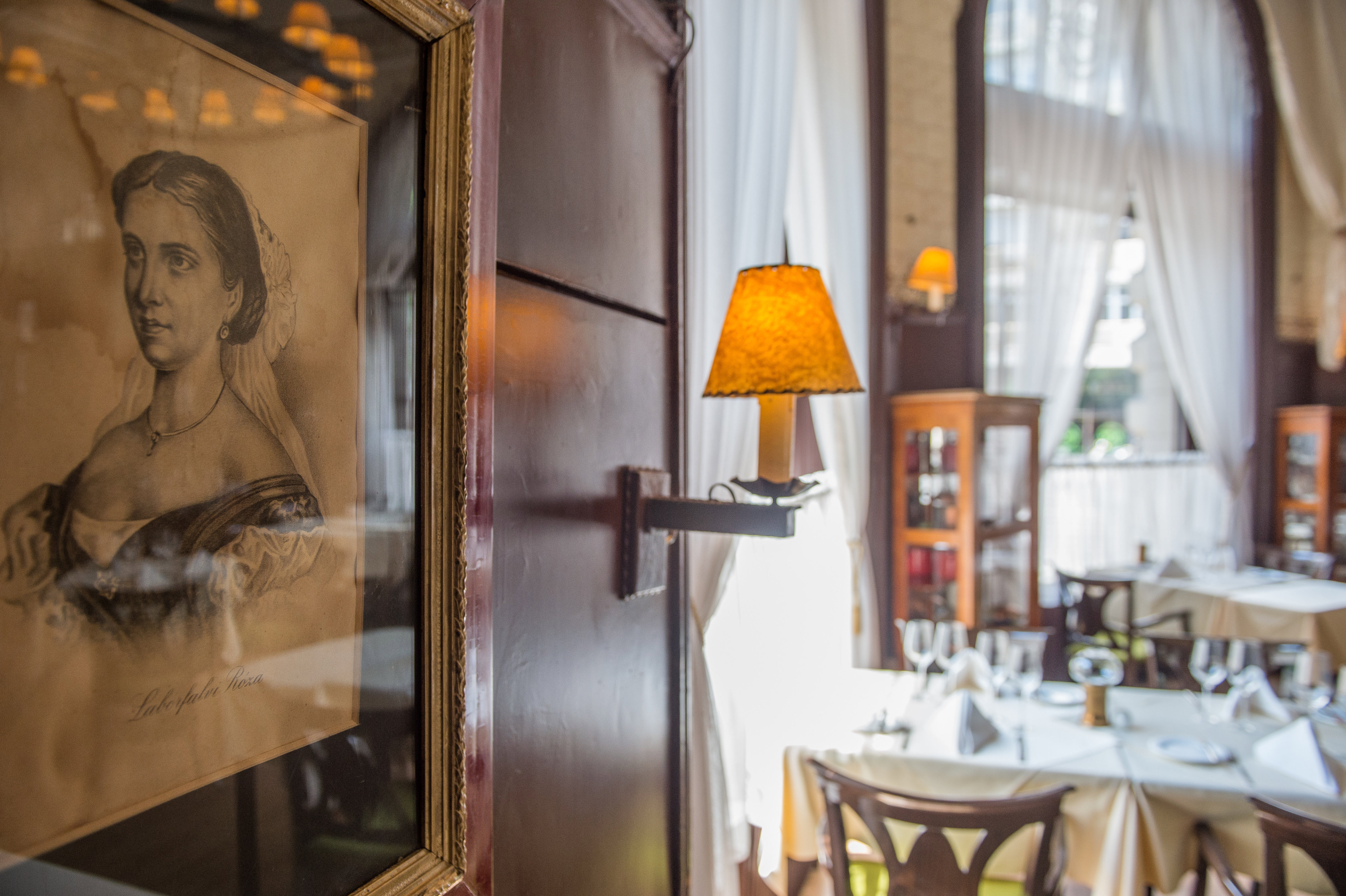
This traditional café and restaurant has been operating in Pest’s historical downtown since 1885. Its predecessor was known as Schódli Café, which entered the history of Budapest Café with its prestigious guests. The classical elegance of the place attracted the interest of writers, artists, and scholars. Múzeum Café is characterised by the union of enduring and traditional values and modern technology.
Múzeum Café and Restaurant on Múzeum körút Photo: MTI/Cseke Csilla
Múzeum Café and Restaurant on Múzeum körút, portrait of Róza Laborfalvi, a Hungarian actress and wife of novelist Mór Jókai Photo: MTI/Cseke Csilla
Művész Coffee House
The Neo-Renaissance building of Szenes Palace was designed by Ray Rezső and built in 1884. Its restaurant was first named Kis-Gerbeaud, then Művész Cukrászda (Artist Confectionery). Művész Coffee House was opened in 1898, and it was initially owned by the Gerbeaud family. The elegant, late Biedermeier interior evokes the atmosphere of the beginning of the 20th century. Due to its location, it was frequently visited by the artists of the Opera House.
Művész Coffee House on Andrássy Avenue Photo: MTI/Cseke Csilla
Művész Coffee House on Andrássy Avenue Photo: MTI/Cseke Csilla
The eclectic Italian Renaissance-style building of New York Palace was designed by Alajos Hauszman. Initially, it functioned as the European headquarters of an insurance company. The coffee house on the ground floor of the eclectic-style, four-storey building became the centre of literary and artistic life. After World War II, the famous café was closed, and it operated as a sporting goods shop.
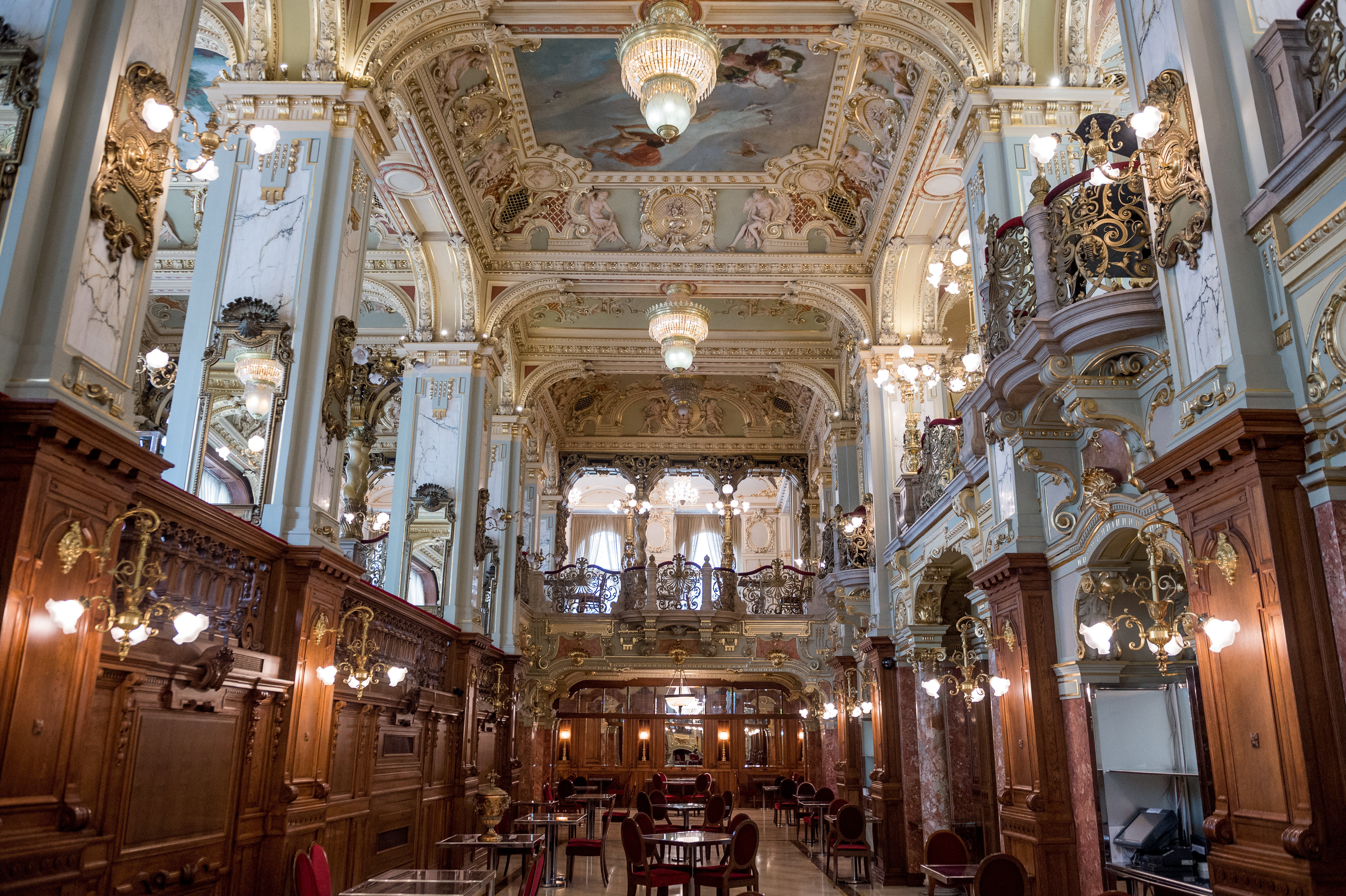
The café reopened in 1954, under the name Hungária. In 2001, the Boscolo Group acquired the building and renovated it within the framework of a five-year restoration project. In 2011 and 2012, New York Café was chosen as the most beautiful Café in the World by U City Guide.
“Today, the New York Palace, […] opened on October 23rd 1894, gives home to the New York Palace. The café, along with a restaurant and the Nyugat-bar are now part of the hotel. The menu recalls the multicultural cuisine of the Austro-Hungarian Monarchy. Classic dishes like Beef Goulash, Fishermen Soup, Chicken Leg Paprikash-style, Wiener Schnitzel and Grilled Foie Gras are served along with famous desserts such as Dobos, Sacher and Eszterházy cake.”
You can read about the legendary stories connected to the world-famous café HERE.
New York Café on Nagykörút Photo: MTI/Cseke Csilla
New York Café on Nagykörút Photo: MTI/Cseke Csilla