Subscribe to our social channels to get the latest news about Hungary!


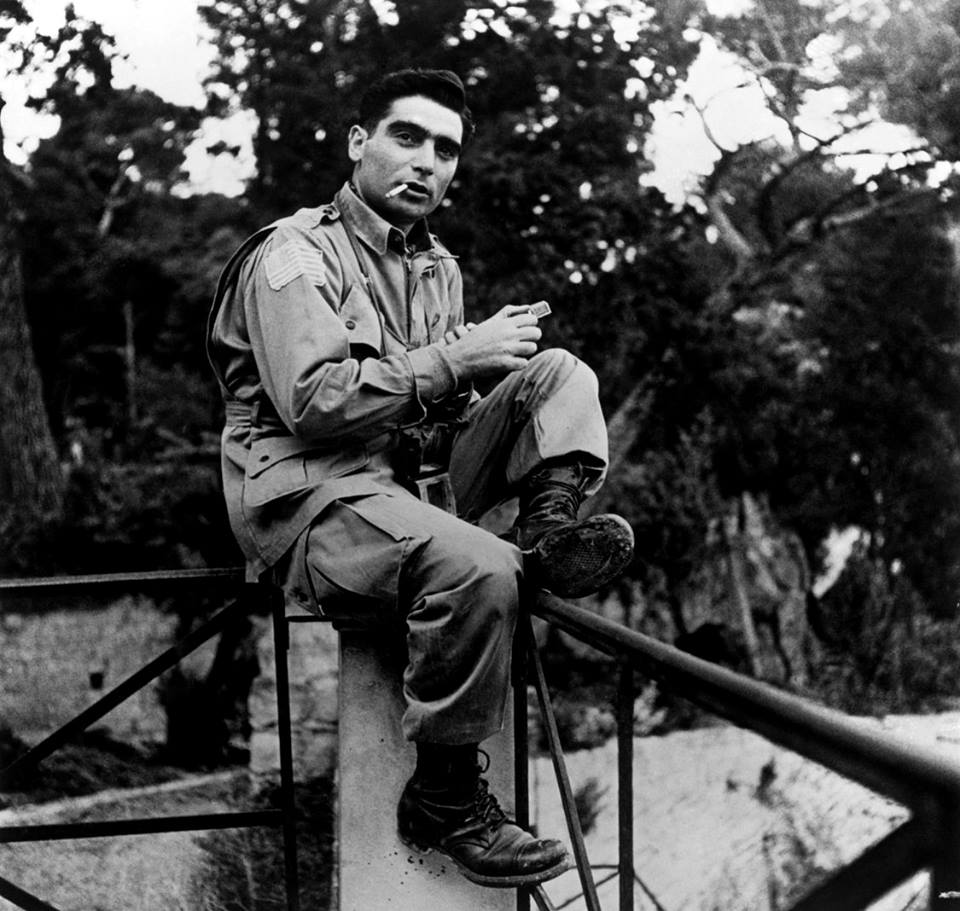
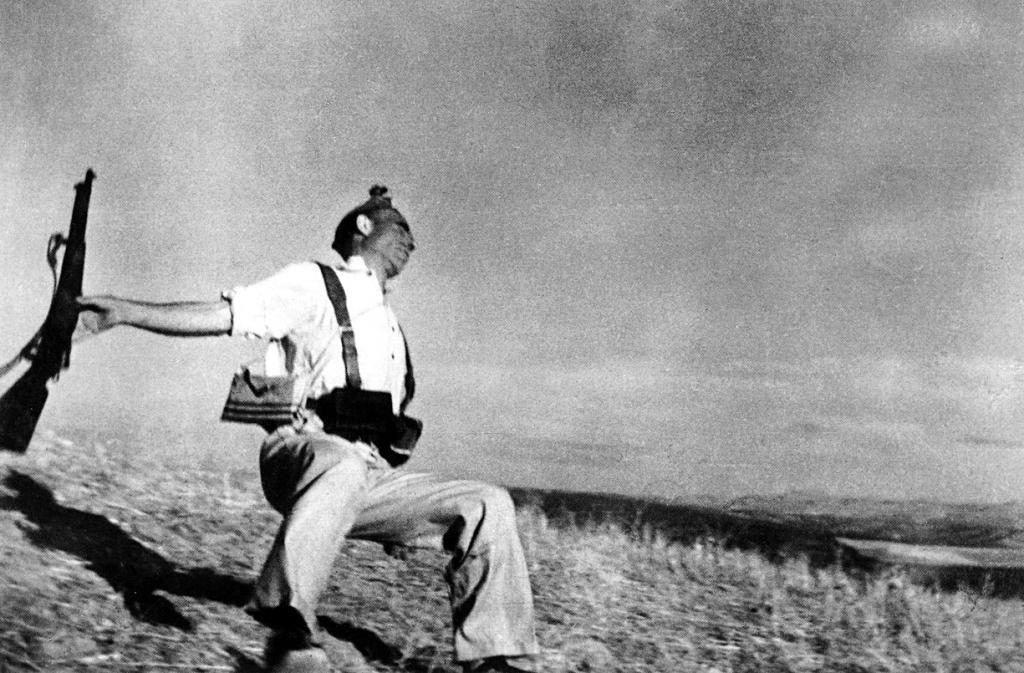
As Robert Capa claimed: “It is not enough to have talent. You also have to be Hungarian.” Numerous Hungarian photographers exerted a significant influence on modern-day photography and earned worldwide fame as the pioneers of this artistic medium. Through their unique outlooks, the names of Brassaï, Capa, Kertész, Moholy-Nagy and Munkácsi entered the history of photography.
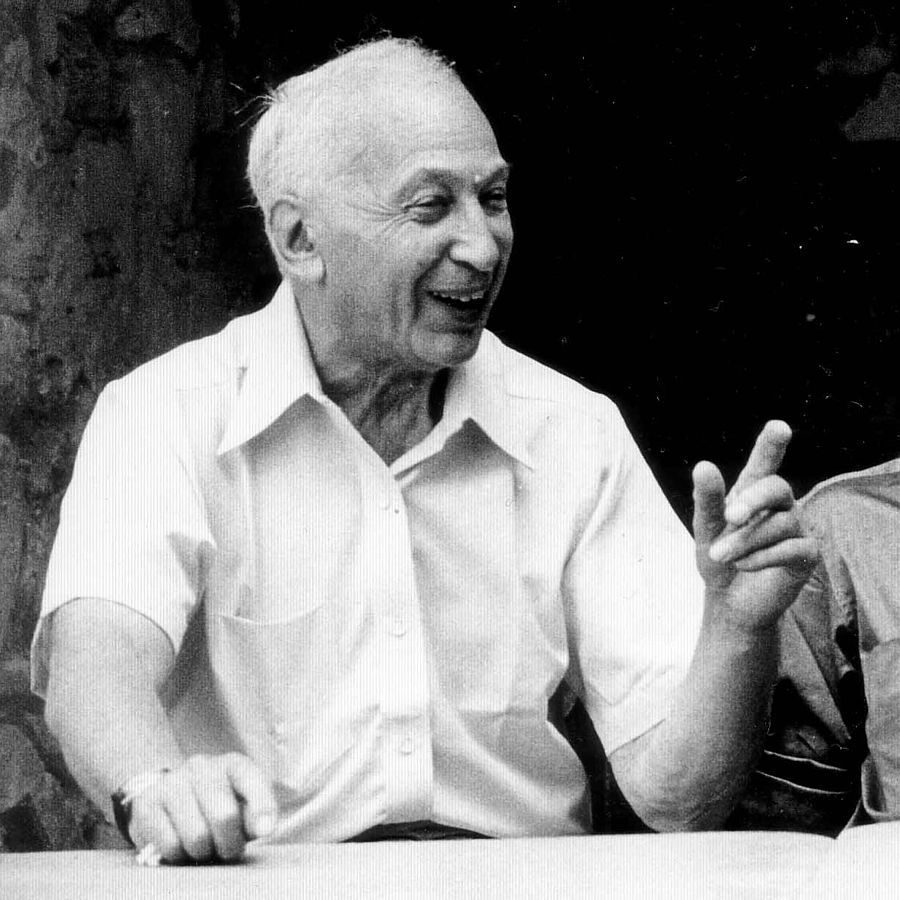
André Kertész is best known for his contributions to photojournalism, employing distinctively dynamic compositions throughout his influential photo essays. According to Artmirror, he can be considered one of the most important representatives of subjective documentary photography. He was born in 1894 in Budapest to a middle-class Jewish family. As a young man, he was mainly preoccupied with literature and the theatre. His fascination for photography started in 1912 when Kertész and his brother received a camera from their mother as a shared gift.
During World War I, he took photographs of life in the trenches intending to capture people’s emotions. After a bullet wounded him, Kertész was sent to Budapest for rehabilitation. Swimming became part of his daily routine, and while sitting by the side of the pool, he observed the way the water and the sunlight refracted the swimmer’s body. This moment marks the beginning of his life-long fascination with distortions.
His brother Jenő played an essential role in Kertész’s life: Jenő was a “perfect collaborator” who provided insightful critiques of his work and served as a model and a muse. After the war, Kertész moved to Paris in 1925, and this move had a great impact on his career. He was soon hired for freelance work by various periodicals, and the artistic environment in Paris had a significant effect on his work. During these years, Kertész developed a distinctive visual language with his poetic photos of Paris streets.
In 1936, he moved to New York to further his career as a photographer, but he could not achieve a breakthrough for many years. In 1964, John Szarkowski, the preeminent curator of photographs at the Museum of Modern Art in New York, organised a show for Kertész that became a great success and was followed by exhibitions and honours. His work became popular within the marketplace for fine art photography during the 1970s, and he received a Guggenheim Fellowship in 1972.
Brassaï was a painter, sculptor, writer and one of the most prominent photographers of the interwar period. He had a considerable influence on both commercial and avant-garde photography. According to Patrice Petro, Brassaï was a “pioneer of documentary photography” through his rather provocative photographs of the nightlife in Paris. Born in 1899 in Brassó, he adopted the name “Brassaï” after his hometown in 1925. He studied painting and sculpture at the Academy of Fine Arts in Budapest and Berlin and served in the Austro-Hungarian army until the end of World War I.
In 1924, Brassaï moved to Paris and became a journalist. He used photography to document his articles, but later, he became more fascinated with this medium. At night he wandered the deserted streets and captured the essence of the city nightlife. Brassaï published these photos in two separate books: Paris de Nuit (Paris by Night) and Voluptés de Paris (The Secret Paris). Today, these images are considered his career-defining masterworks and the classics of early street photography. His friend Henry Miller called him “the eye of Paris” after his insatiable curiosity and his devotion to the city. Brassaï’s oeuvre also includes images of high society and portraits of his friends and contemporaries, such as Dalí, Picasso and Matisse. In 1979, he was inducted into the International Photography Hall of Fame and Museum.
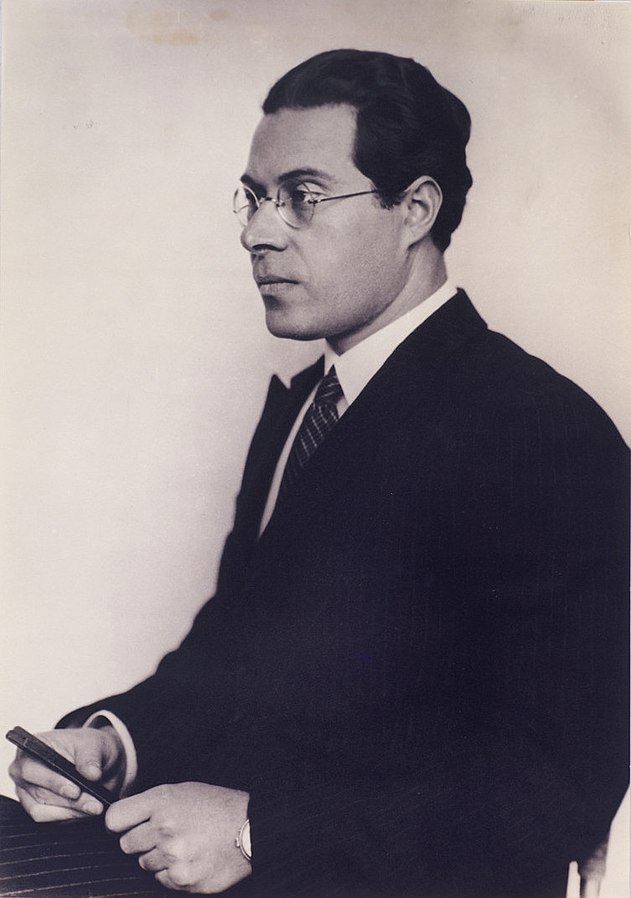
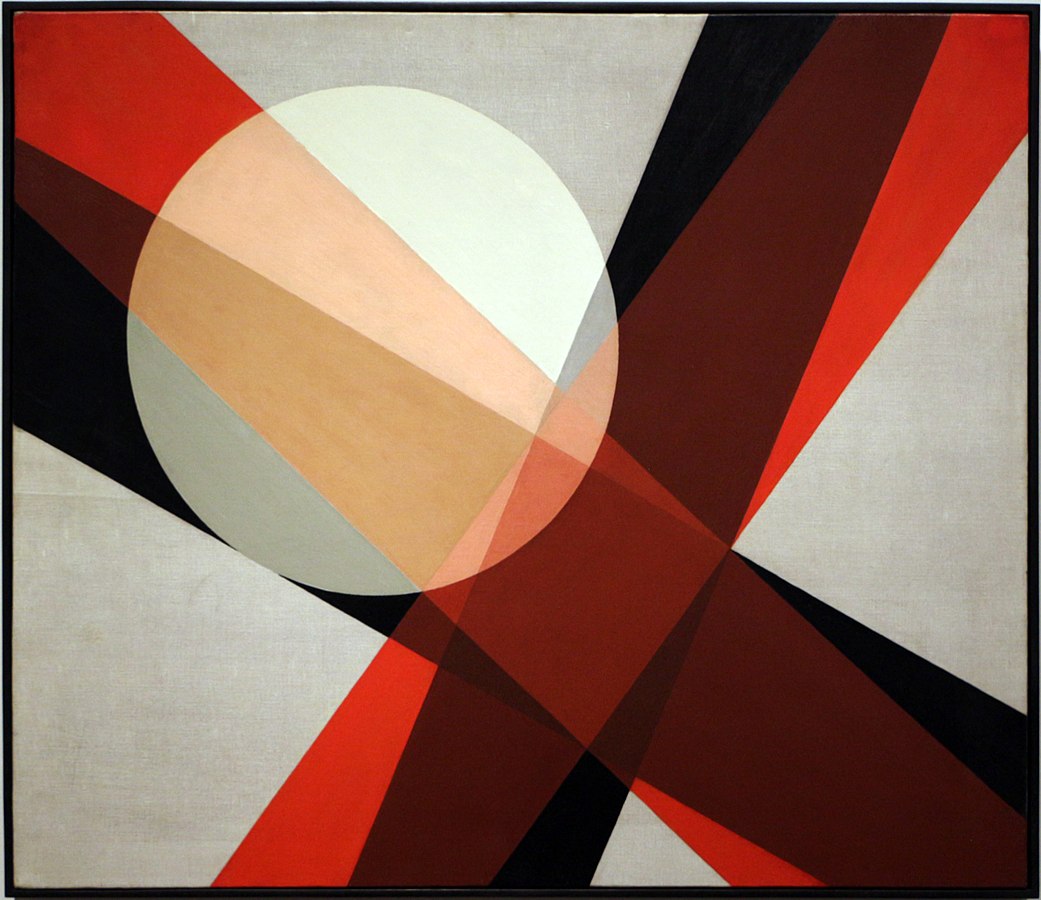
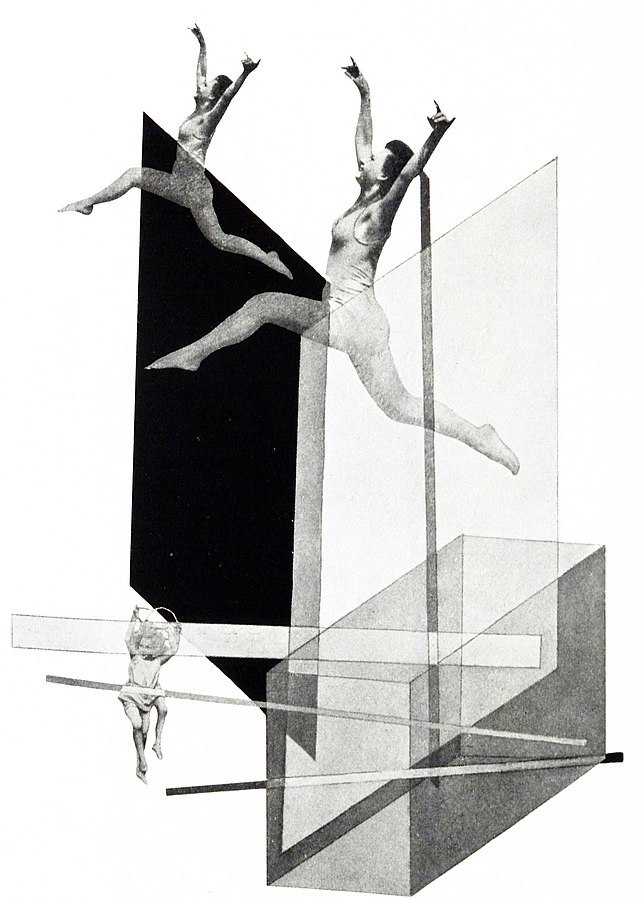
László Moholy-Nagy was a radically experimental individual, a painter, a sculptor, a writer, a photographer and a professor in the Bauhaus school. He was born in Bácsborsód, to a Jewish family. As a young boy, Moholy wanted to become a writer and some of his poetry was published in the Szeged newspapers while he was still in school. After he graduated in 1913, his uncle encouraged him to studied law in Budapest. Moholy’s studies were interrupted by World War I, and he enlisted in the Austro-Hungarian army in 1915. Drawing became part of his everyday life, and he produced hundreds of sketches on the backs of military-issue postcards. They were colourful, lively, and often humorous.