


The story of the bloody Budapest assassination ordered by Pablo Escobar

Change language:
The Netflix series Narcos, which I have been watching lately and which I recommend to everyone, tells the story of the drug lord, Pablo Escober. He was the main cocaine export leader of the world until the day authorities killed him, and his reign ended. While I was watching the series, I started to wonder whether the Escobar story has some connection to Hungary, and as I did some research, I found out it has.

Read alsoNetflix’s The Witcher features Hungarian venues you might even recognise – PHOTOS
Enrique Parejo González (born in 1930) is a former justice minister in Colombia. As a prominent presidential candidate, González was a leading political figure following the 1970s and also the target of an assassination attempt in Hungary while serving as the Colombian ambassador there. It was believed that drug cartels were responsible, in particular Pablo Escobar. Parejo arrived in Hungary with his family at the beginning of August 1986, to protect himself from the threats of Colombian drug traffickers, which were motivated by his opposition to money laundering and drug trafficking. He made his support of the Extradition Treaty public from when he became Minister of Justice, replacing Rodrigo Lara Bonilla, who was assassinated by hitmen of the Medellín Cartel. Together with President Belisario Betancur, he authorised the extradition to the United States of some politicians and managers of sports clubs.
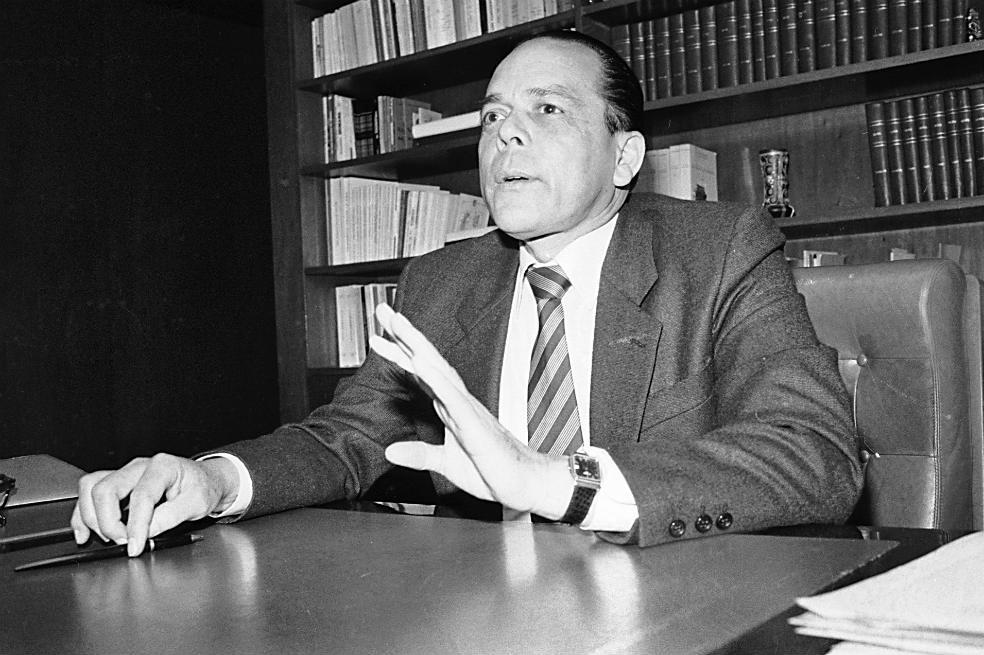
On January 13, 1987, the Columbian politician decided to take public transportation instead of driving a car to work as it was snowing heavily. His residency was located in the district of Rózsadomb, Buda, and at the moment he stepped out of his house a man wearing a ski mask appeared and asked him whether he is González.