Subscribe to our social channels to get the latest news about Hungary!


Due to the emergence of the coronavirus and its waves of infection last year, even the iconic Busójárás was cancelled. Now, in 2022, there is a possibility to make up for the festivals that had to be postponed or cancelled in last year’s Carnival season in Hungary.
In Hungary, Carnival season, or as we call it, the “farsangi időszak”, is a traditional Christian-Hungarian holiday all about balls, feasts, merriment, and masked or costume parties.
It starts on January 6th, a.k.a. the Epiphany, and ends the day before Ash Wednesday. Traditionally, Ash Wednesday is the start of the 40-day fast called Lent preceding Easter Sunday, says Nevezetesnapok.
Although the start of the Carnival season is always on the day of Epiphany, the endpoint of the celebrations is a moving holiday. In 2022, the Carnival season ends on March 2nd.
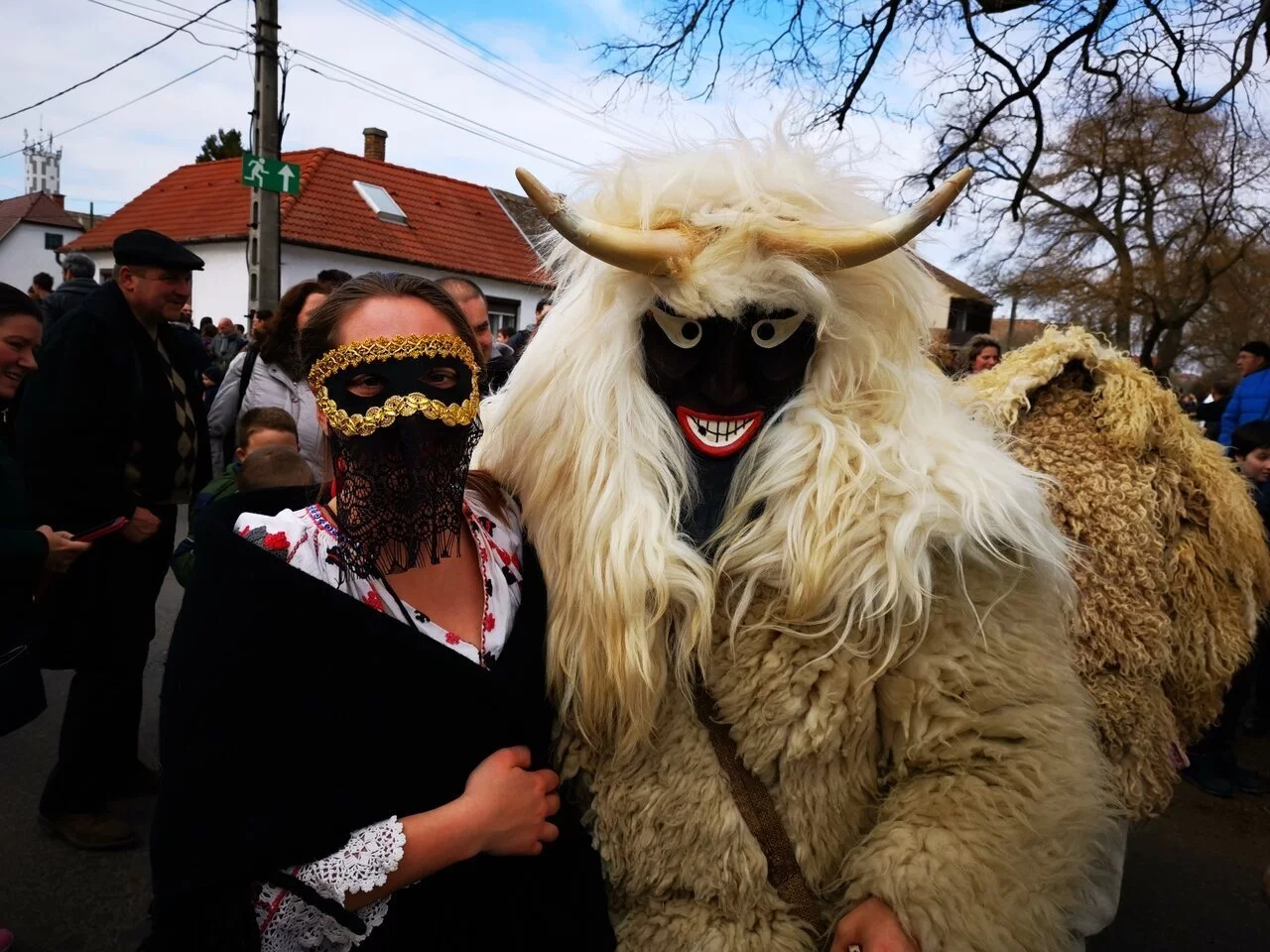
Busojárás is one of the most iconic holidays in Hungary related to this season of merriment. It is a six-day carnival marking and celebrating the end of winter. It attracts great crowds to Mohács and the surrounding area.
Busojárás has been a part of UNESCO’s Representative List of the Intangible Cultural Heritage of Humanity since 2009 and has been a Hungarikum since 2012.
Read also: Busójárás returns in 2022! — PHOTOS
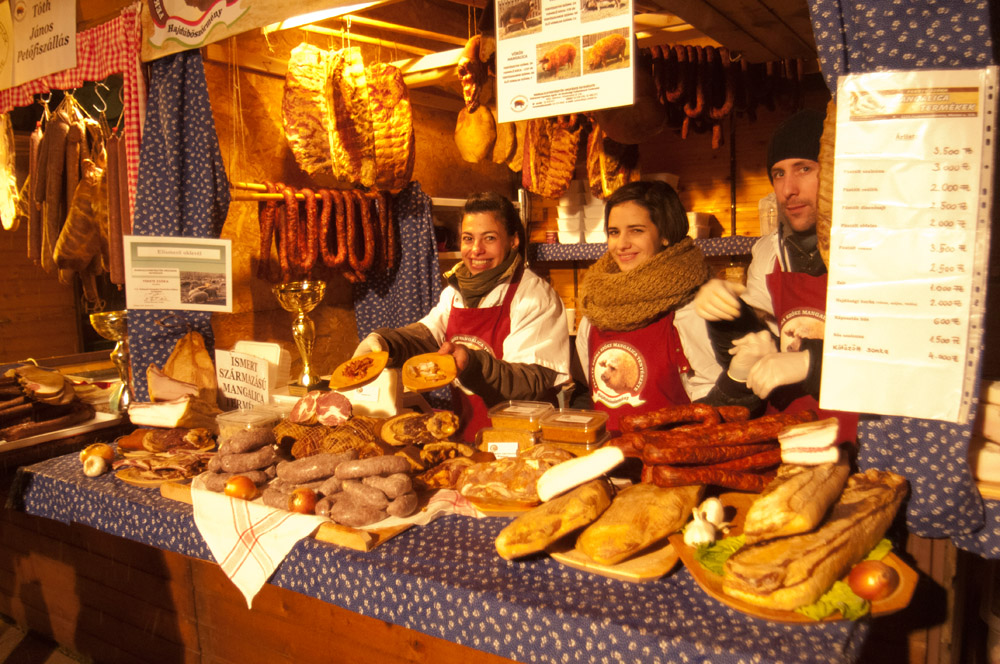
Since the Carnival period is all about merriment and feasts, there are a lot of traditional Hungarian gastronomic festivals to choose from, like pig slaughters and butchers’ competitions, as well as sausage-making festivals and Pálinka festivals. With the help of Origo, we have collected some ideas for you:
Gyomaendrődi Disznótoros és Böllérpálinka Verseny 2022
This event showcases the traditions of disznótoros with an overload of gastronomic experiences from pig slaughters to tastings and Pálinka competitions, as well as raffles and markets.
Visiting is free until 14:00. A ticket, which works as a raffle as well, costs about €3 (1,000 forints).
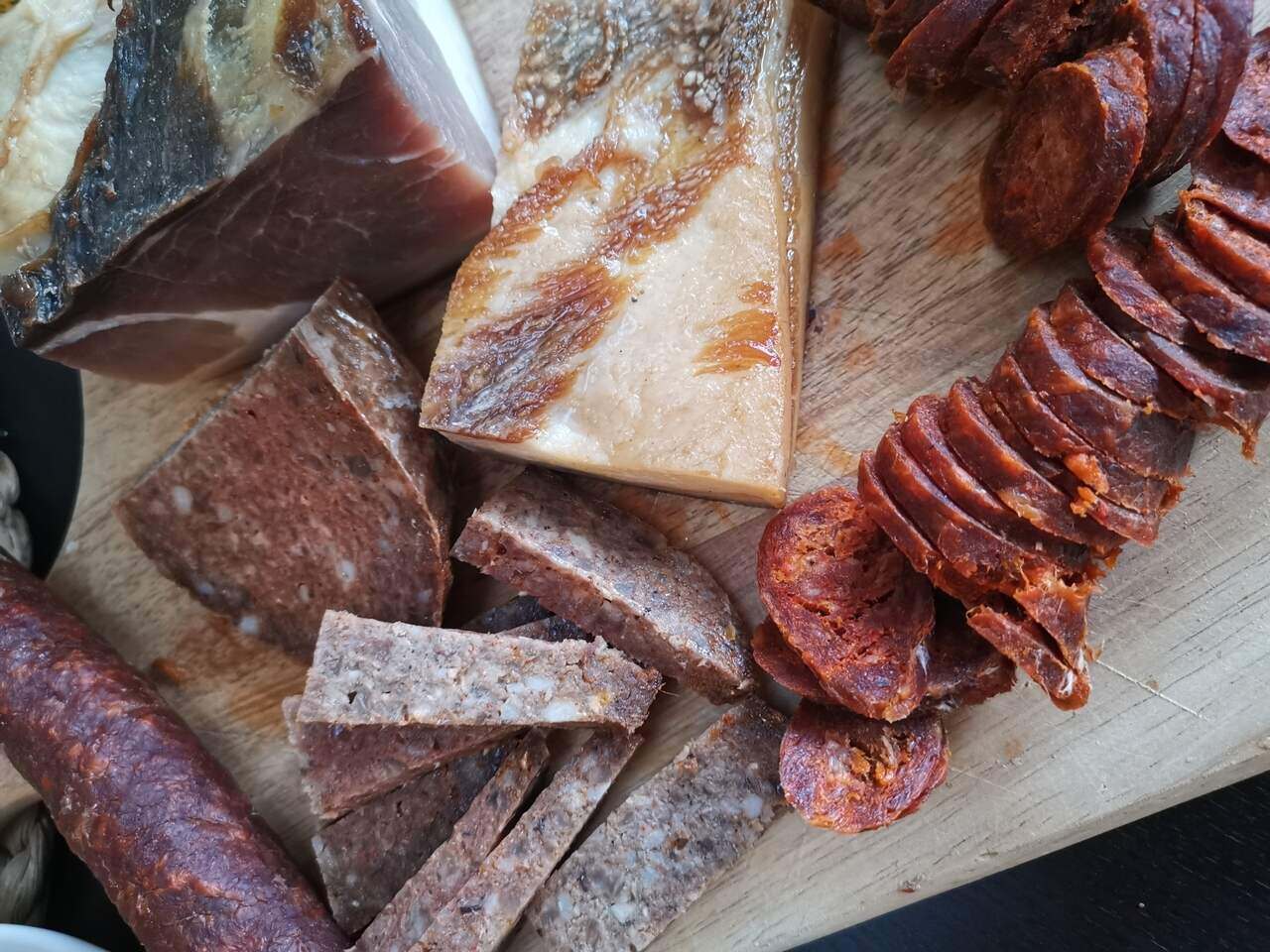
The goal of this festival was to reinvigorate the Hungarian tradition of pig slaughtering. Food and drink stalls are available all day, just as traditional pork dishes and sausages, and the event is accompanied by music and dance.
Visiting is free.
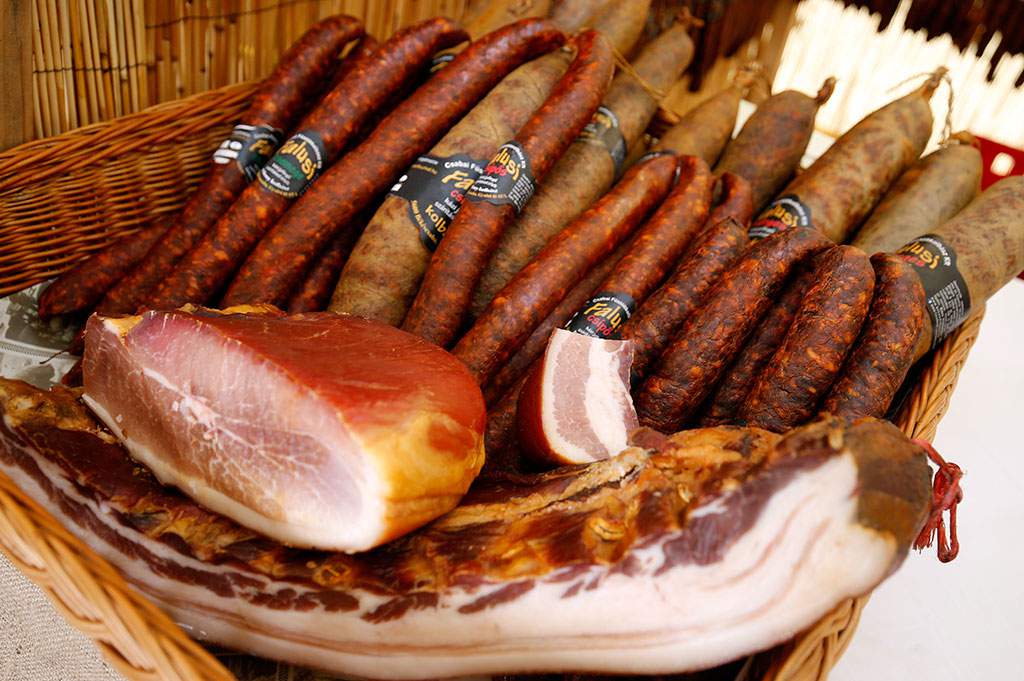
The main attraction is the pig slaughter competition followed by making disznótoros dishes from the animal’s parts.
Visiting is free.