


One of the largest producers of Tiny Houses is a Transylvanian Hungarian couple

Change language:
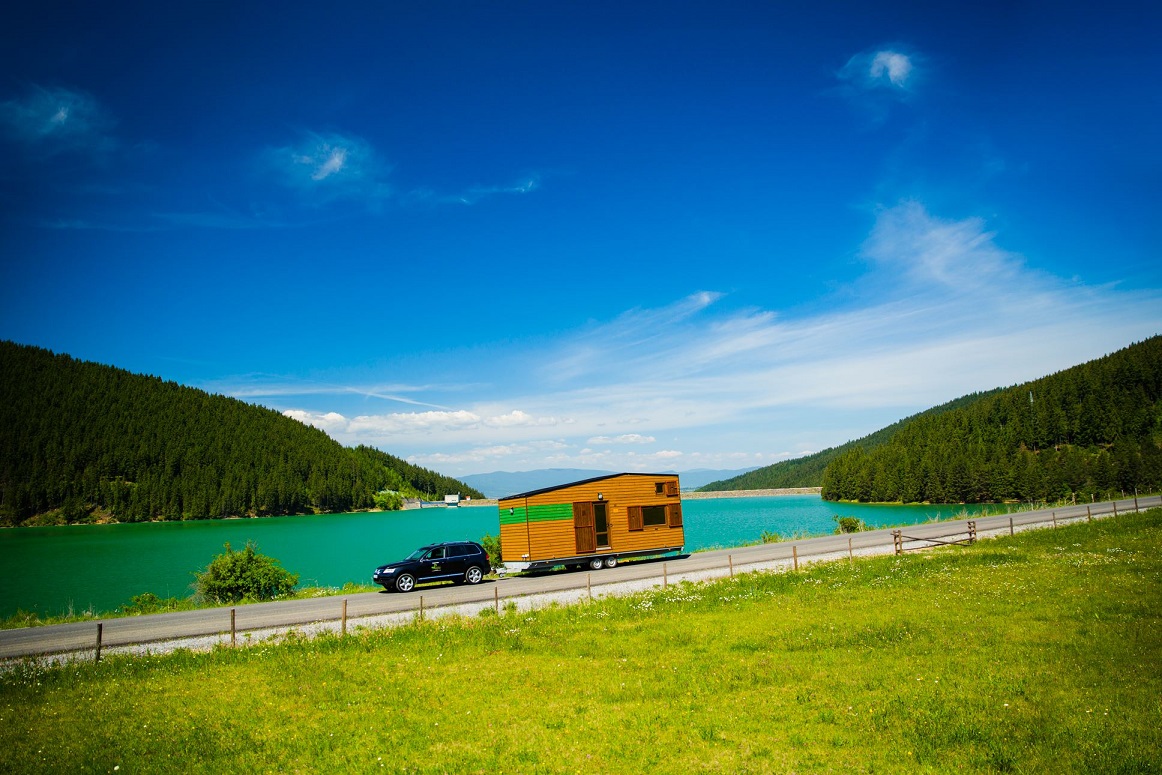
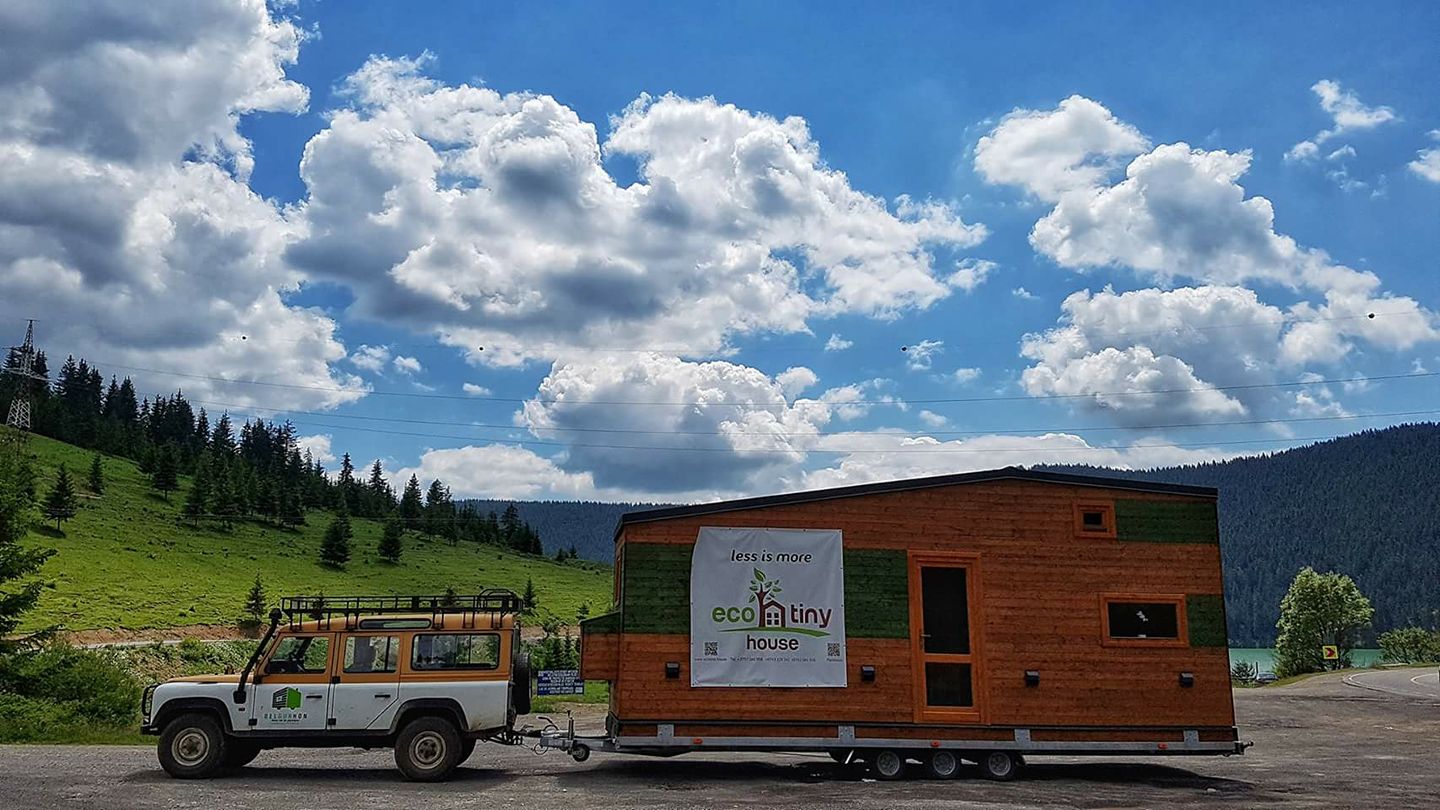
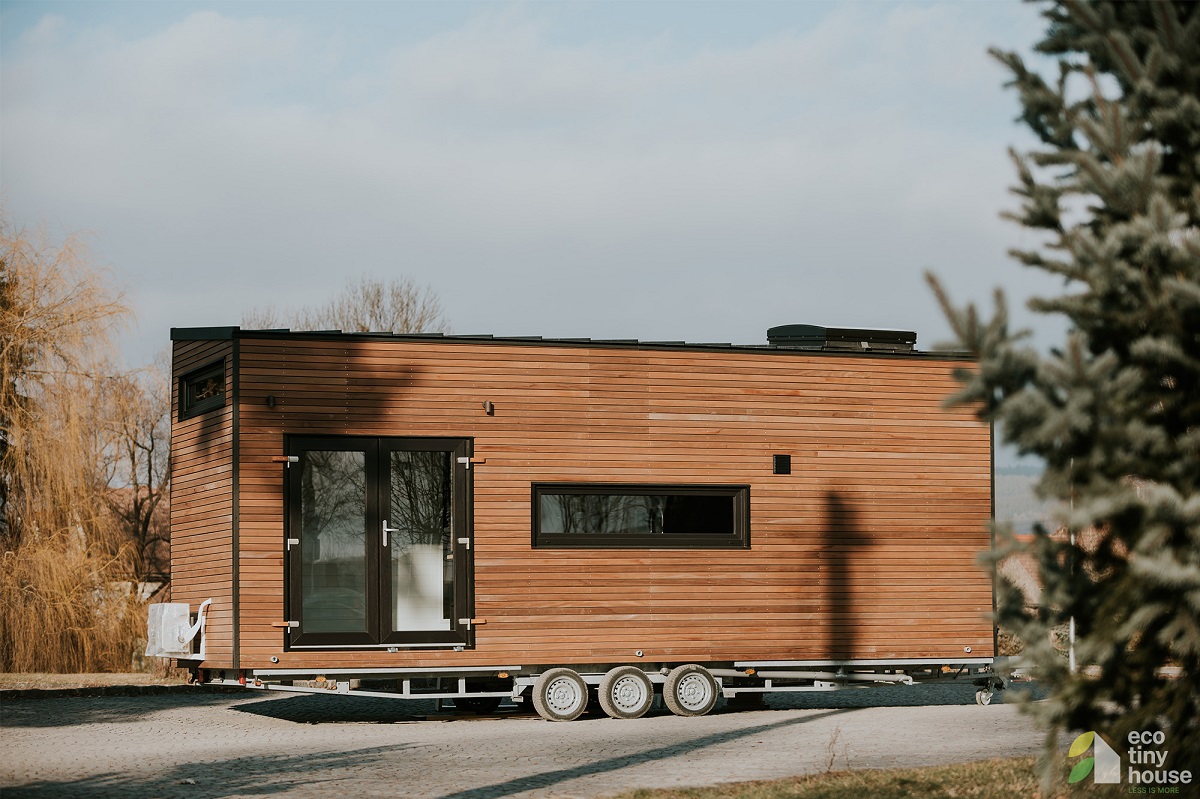
Tiny Houses are as close to nature as they get, besides they come with small daily costs and increased mobility – all of which have contributed to customers’ growing interest in Tiny Houses. These buildings are not caravans but real homes, and although they have wheels, they are rather designed for easy relocation than long-term traveling.
Close to nature, minimalist, environmentally conscious
The coronavirus epidemic has brought many changes to all aspects of life, including the economy – especially the housing market. One of the effects of the epidemic and long periods of lockdown is people’s heightened inclination to return to the closeness of nature. Quite a few basic truths have been questioned, including the benefits of living in a big city since a large percentage of the population no longer goes to the office on a daily basis or switched entirely to home office. Accordingly, housing preferences have also changed, showing a growing demand for mobile houses which belong to the so-called tiny house category, writes vg.hu.
The architectural and social trend, which focuses on cost-effectiveness, minimalism, environmental awareness, mobility, and the lifestyle of freedom, is gaining ground in Romania as well. So much so that today many customers, who consider purchasing tiny houses, do not view them merely as holiday homes but as a primary housing option.
Read also: Miniature memorial of Russian-Ukrainian war erected by Kolodko in Budapest – PHOTOS
The first one was built for private use
The world’s largest tiny house factory operates in Szeklerland, Transylvania.