Hungarian team proves at 5th World Nomad Games that we may be descendants of ancient steppe Nomad empires

Change language:
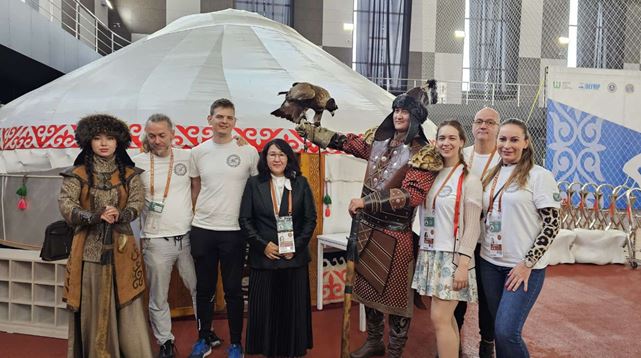
The 5th World Nomad Games hosted in Kazakhstan’s capital, Astana, brought a series of Hungarian gold, silver and bronze medals proving that we may be descendants of ancient Nomadic empires who once ruled the steppe. Hungary sent 47 athletes to the Kazakh capital, who won 8 medals, securing 7th place for Hungary, preceding Central Asian states like Turkmenistan, Tajikistan, or Mongolia.
5th World Nomad Games: almost 2,500 athletes from 89 countries
According to the official website of the Kurultaj, the tribal assembly of the Hun-Turkic nations, hosted annually in Hungary’s Bugac, Hungary sent a delegation of 47 athletes to Astana this year. Interestingly, the preliminaries were organised by a Hungarian civic body, the Magyar Köböre és Hagyományőrző Sportok Szövetsége, an organisation of traditional sports. They aimed to select those athletes who can represent their country successfully and make us proud. If we take a look at the medal table, we can state they did perfect work.
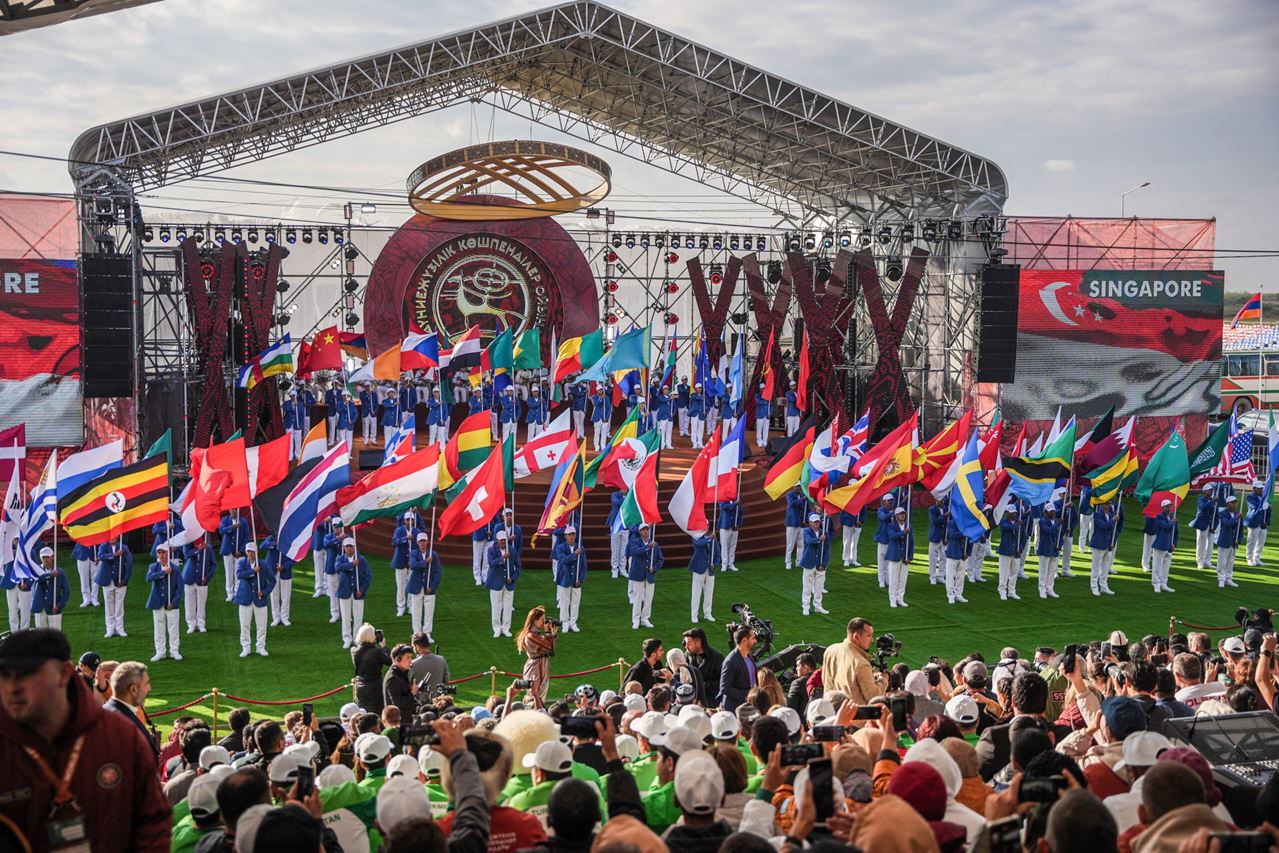
The event welcomed 2,430 athletes from 89 countries who competed for 97 sets of medals across 21 sports. Notably, the participants competed in 21 different sports, from traditional archery to horseback archery, from tug of war to mas-wrestling. You may check out the types of competition HERE.


In the overall team standings, Kazakhstan secured first place. Kyrgyzstan’s athletes took second, and Uzbekistan completed the top three.
Science, culture, dance, concerts
Interestingly, the World Nomad Games did not only contain sports events. There was a scientific programme with events like “Nutrition of the Nomads in Central Asia” and “Archery as a common heritage”. There was also an international scientific and practical conference titled “Nomads: History, Knowledge, Lessons” with participation from leading experts from 12 countries worldwide. The cultural programme, running parallelly with the sports events, included concerts and parades.